
'%20id='ico-down'%20stroke='%23000000'%20stroke-width='1.5'%3e%3cg%20transform='translate(1092.250000,%20254.750000)'%3e%3cpolyline%20id='Path-2-Copy-4'%20transform='translate(5.500000,%202.750000)%20scale(1,%20-1)%20rotate(-180.000000)%20translate(-5.500000,%20-2.750000)%20'%20points='0%200%205.5%205.5%2011%200'%3e%3c/polyline%3e%3c/g%3e%3c/g%3e%3c/g%3e%3c/svg%3e)


Finance
Taxes
The tax system in Italy
Learn all about taxes in Italy, including personal and corporate levies, VAT, inheritance laws, and all the latest rates.


One of the hardest things about moving to a new country is getting your head around its financial system, and Italy is no exception.
When living and working in the country, it’s important to understand how you’ll be taxed on your income and assets, and also how deductions can reduce your tax bill. For expats, managing money across borders efficiently becomes essential when dealing with Italian tax obligations. Having a reliable way to transfer funds internationally can save you both time and money.
Read on for advice on the following:
Moving2Italy
When relocating to Italy, get expert help from Moving2Italy on taxes, work permits, and setting up a business. They also provide personalized support for immigration, social security, and residence, helping you navigate your new life abroad. For assistance with fiscal and immigration matters, contact Moving2Italy.

The tax system in Italy
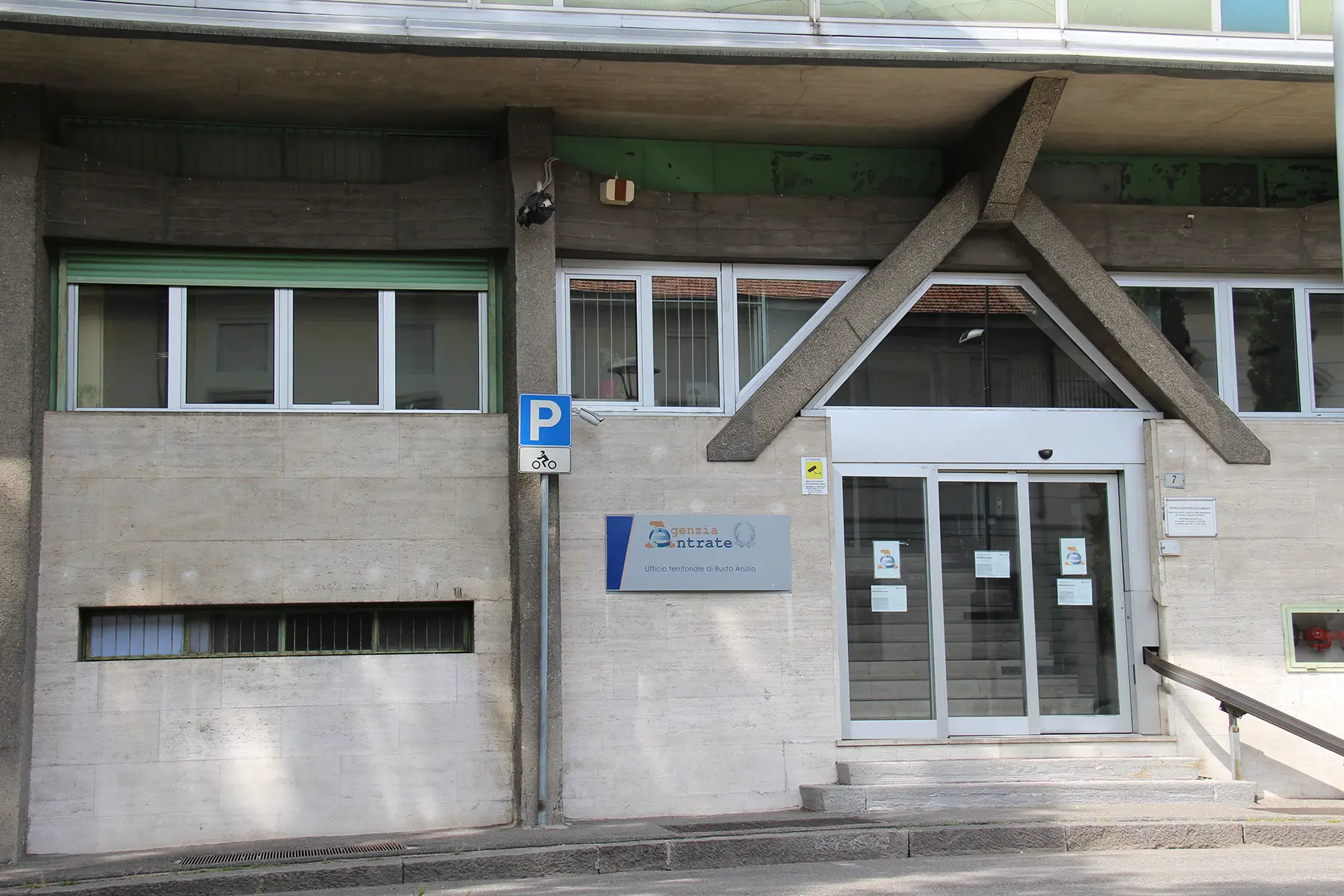
The Italian Revenue Agency (Agenzia delle Entrate) oversees taxation in Italy. The tax year runs from 1 January to 31 December.
When it comes to tax rates, Italy is something of a mixed bag compared to its European neighbors. The top rate of income tax (including municipal taxes) in the country is 47.2%, a figure slightly higher than the European Union average of 42.8% (2025).
On the other hand, other taxes are lower. For example, Italy has some of the lowest inheritance tax rates in Europe, and its corporate charges for businesses have fallen from 31% to 24% over the last decade.
Federal taxes in Italy
The government sets standard rates and deadlines on a handful of important taxes for the whole of Italy:
| Type of tax | Rate | Notes |
| Corporate tax | 24% | Businesses also pay a regional production tax of 3.9% to4.9% |
| Income tax | 23–43% | |
| Inheritance tax | 4–8% | Allowances range from zero to €1 million |
| VAT | 22% | Lower rates are available for some goods and services |
Regional taxes in Italy
Italian income tax rates are set at a national level, but taxpayers must also pay a regional surcharge and municipal levy. How much you’ll pay varies depending on where you live. The regional surcharge varies from 1.2% to 3.3%, while the municipal tax ranges from 0% to 0.9%.
For businesses, a regional production charge (imposta regionale sulle attivita produttive – IRAP) is also payable on top of corporate tax. IRAP is payable in all Italian regions (regioni) and applies where the business is located.
If a company operates across more than one region, the charge is divided based on the proportion of workers in each area. The standard rate of IRAP is 3.9%, but different regions can choose to increase their rates by up to one percentage point.
Local taxes in Italy
Some homeowners in Italy must pay a tax to their municipality (comune) called imposta municipale unica (IMU). This is only levied on:
- Buy-to-let properties
- ‘Luxury’ residences
- Second homes
This means that if you only own one non-luxury property and live in it yourself, you won’t need to pay.
All homeowners in Italy must pay waste collection tax, known as tassa sui rifiuti (TARI). This rate depends on the size of the property you live in and the number of people living there. It is payable once a year and sent to you annually in the form of an invoice from your local council.
What is new about Italian taxes in 2026?
As part of the 2026 Budget, the tax rate for the middle income tax band (€28,001 – 50,000) was reduced from 35% to 33%.
The flat tax regime for high-net-worth expats relocating to Italy has also been increased. Under this regime, those eligible can opt to pay a flat sum instead of being taxed under the standard system. This sum increased from €100,000 to €200,000 in 2025, and increase again to €300,000 on 1 January 2026.
For companies, the temporary 20% corporate tax rate for qualifying profits (down from 24%) for the financial year of 2025 has now expired.
Who pays tax in Italy?
If you are employed or run a business in Italy, you’ll need to pay tax on your income or profits. Your taxable base depends on the amount left after compulsory contributions (such as social security) and any allowable deductions.
Employees or self-employed workers who live in Italy for more than 183 days a year are considered residents for tax purposes. This means they need to pay Italian income levies on their worldwide earnings.
Those living in Italy for less than 183 days a year only need to pay tax on income from within the country. This is thanks to the country’s double taxation treaties that ensure workers don’t pay duties twice on the same salary.
If you’re managing income from multiple countries, using services like Wise can help you transfer money between countries at the mid-market exchange rate with low fees.
Wise money transfer
Are you an expat or thinking of moving to a new country? Managing your money across borders shouldn’t be complicated. With a Wise account, you can hold over 40 currencies and pay with a Wise debit card in more than 150 countries. Whether you need to spend abroad, receive or send money home, Wise can help make international money management simpler.
How does tax work for expats in Italy?
Italy strongly incentivizes foreign workers to move to the country and contribute to its economy. With this in mind, some enticing tax schemes are available for internationals.
When relocating to Italy, managing your finances across borders becomes crucial. Wise multi currency account supports 40+ currencies for hold and exchange, and 20+ currencies for receiving international payments, including euros. You can receive income from abroad with minimal fees, and mid-market rate. This can be particularly valuable when transferring funds to meet your Italian tax obligations.
Workers relocating to Italy scheme
The workers relocating to Italy scheme (lavoratori impatriati) allows newcomers who transfer their tax residency to Italy to benefit from lower rates of income from employment or self-employment.
Tytle
Tytle is your one-stop-tax-shop for advice, filings, bookkeeping, visa, and more in 30+ countries. Manage all your tax needs from a single dashboard, whether for one country or multiple, all at affordable rates. Tytle has a team of trusted advisors in Italy, helping you stay compliant and stress-free.
Under the old rules, expats could declare between 10% and 30% of their earnings for tax purposes (depending on where they live) during their first five years in Italy. However, since 2024, most workers must declare 50% (40% for those with dependent children).
Tax regime for new residents in Italy
This scheme allows high net-worth individuals to pay a flat sum instead of Italian income tax. It replaces duties on earnings, foreign investment, or assets. In 2026, the sum rose from €200,000 to €300,000. In addition, individuals using it can add family members for €50,000 each (increased from €25,000 in 2025).
Reduced tax rate for Italian retirees
Finally, retirees moving to Italy may benefit from a reduced flat tax rate of 7% on foreign-source income, including overseas pension income. To qualify, the individual must transfer their tax residence to a municipality with 20,000 inhabitants or fewer located in certain regions of southern Italy. The regime is available for up to 10 years and only applies in specific areas of the country.
Do I need a tax ID number in Italy?
You’ll need to obtain a tax identification number (codice fiscale) to pay your levies in Italy. European Union (EU) citizens can simply take their identification (ID card or passport) to their local tax office to apply. Non-EU citizens must apply via their local municipality’s immigration desk or police headquarters.
If you’re not yet living in Italy, you can obtain your tax identification number from the Italian embassy in your country.
While setting up your financial life in Italy, maintaining connections to accounts in your home country is often necessary. Services like Wise allow you to hold and manage money in multiple currencies in one place, making the transition period smoother as you establish yourself in Italy.

Types of tax in Italy
Income tax
Italian income tax (imposta sul reddito delle persone fisiche – IRPEF) is a progressive tax payable on earnings from employment and self-employment. Rates range from 23% to 43%, depending on your earnings.
The rates in 2026 are as follows:
| Italian income tax bands | Italian tax rate |
| Up to €28,000 | 23% |
| €28,001–50,000 | 33% |
| €50,001 and above | 43% |
Not everyone in Italy needs to file an annual tax return. For instance, you’ll be exempt if you only earn your income from one employer or earn less than around €8,000 in a year (exact thresholds depend on the source of your earnings).
If you do need to file a return, you can do so online through the Italian Revenue Agency portal. The deadline to file your return is either 30 September or 30 November, depending on which form you submit.
Italy doesn’t have a personal allowance for income tax, but workers can benefit from various deductions. Standard credits include family expenses, medical expenses, and mortgage interest payments. There are also credits available for employment earnings and pension remuneration.
Income tax for self-employed workers
A special tax regime (regime forfettario) is available for self-employed people in Italy. If you earn below €85,000 a year, you can choose to pay the standard income rates or opt for the flat-rate tax system. The latter allows you to benefit from a tax charge of 5% for the first five years you run your business and then 15% thereafter.
For self-employed workers or freelancers who work with international clients, managing payments in multiple currencies is a common challenge. Wise Business accounts enable you to receive payments from abroad without excessive conversion fees and bad exchange rates. You can hold balances in multiple currencies, and get local account details in major currencies like GBP, EUR and USD to receive payments from abroad, easily.

Tax on property and wealth in Italy
Capital gains tax
While those who own property in Italy may need to pay IMU and waste collection tax, those with real estate and financial investments outside of the country may be liable for wealth taxes.
If you sell an Italian property, you may need to pay capital gains tax (imposta sulle plusvalenze) on your profits. However, if you’ve owned your accommodation for more than five years and it was your primary residence, you won’t have to pay this form of tax when you sell.

Meanwhile, you will need to pay capital gains tax at a rate of 26% when selling a buy-to-let property, second home, or holiday home after less than five years. There are some deductions available, including the cost of selling the accommodation (such as estate agent fees) and any money you’ve spent on the premises.
Tax on rental income in Italy
If you let out a property in Italy, you’ll need to pay tax on your rental income. You have two options to do this:
- Ordinary taxation – Rental income is taxed at standard IRPEF rates, but only 95% of the gross rent is taxable, reflecting a flat 5% deemed expense deduction.
- Flat-rate taxation (cedolare secca) – This optional regime applies a 21% flat tax to standard leases, or 10% to qualifying regulated leases. Under this system, no deductions are allowed, but registration tax and stamp duty are not payable.
Italian municipal tax
IMU is charged between 0.1% and 1.06% of a property’s cadastral value (valore catastale) depending on the type of dwelling. Nevertheless, make sure to check your commune’s current rates, as these can vary.
A second property tax covering services provided by the local municipality, known as Tributo per i Servizi Indivisibili (TASI), was folded into IMU as part of the 2020 Budget.
Corporate tax
Businesses in Italy must pay corporate tax (Imposta sui redditi delle società – IRES) and regional production tax (Imposta regionale sulle attività produttive – IRAP) on their profits.
The standard rate for the former is 24%, while the latter is charged at 3.9%. Some companies, such as those in financial services and insurance, must pay a higher rate of IRAP.
When filing your company’s taxes, you can offset a range of allowable deductions. This includes (but is not limited to) the following:
- Charitable contributions
- Deprecation of assets
- Interest payments
In addition, some businesses can benefit from lower rates of taxation. This is the case for small companies and those operating in one of Italy’s special economic zones.
VAT in Italy
VAT (Imposta sul Valore Aggiunto – IVA) is charged on goods and services by businesses and entrepreneurs in Italy. There are four rates, which are as follows:
| Type of VAT | Rate |
| Standard rate | 22% |
| Specified utilities, food, drink, hospitality, transport, leisure, and care services | 10% |
| Specified health and transport services | 5% |
| Specified food, drinks, and agricultural products | 4% |
Do note that education, insurance, and some financial services are not charged VAT.

You can find further information about the different rates on the Italian Revenue Agency’s website.
VAT for businesses
Businesses must obtain a VAT number (Partita IVA) from the Italian Revenue Agency to register for VAT. This unique 11-digit number identifies a company or self-employed worker. The deadline for filing an annual VAT return is 30 April.
Residents of Italy who are self-employed and have an annual income of less than €85,000 a year can opt for a flat-rate tax scheme that exempts them from VAT obligations.
Import duty
Imports to Italy from outside the EU are liable for duty if they are worth more than €150. Rates range from 0% to 17%, and average at 4.2%. You can check how much import duty you’ll need to pay on different goods on the Customs and Monopolies Agency (Agenzia delle Dogane e dei Monopoli – ADM) website.

Fuel duty
Italy has one of the highest gas taxes in the EU. According to the Tax Foundation, Italy’s charge of €0.73 per liter is second only to the Netherlands (€0.79 per liter). In addition, the country’s tax on diesel at €0.62 per liter is the second highest in the EU.
Road tax
Those who are driving in Italy must pay an annual road tax (bollo). How much you’ll pay depends on where you live, the power of your vehicle, and its emissions. To help you calculate your amount, the Italian Automobile Club provides an online calculator (in Italian).
Inheritance tax
Inheritance tax in Italy is less punitive than in other European countries, given that most direct descendants do not need to pay any tax on the deceased relative’s estate. The main rules are as follows.
- Spouses, children, or those in direct line to the deceased (such as grandchildren) each have an individual tax-free threshold of €1 million. If a sum above this amount is inherited, then tax is levied at 4%.
- Brothers and sisters of the deceased each have a tax-free threshold of €100,000. Tax is charged at 6% on the sum inherited exceeding this amount.
- Other heirs don’t have a tax-free threshold. Relatives up to the fourth degree of separation pay at a rate of 6%, while other heirs and non-related individuals pay 8%.
Inheritance tax is payable within 60 days of the date on which the assessment of the estate is served. In addition, any bequeathed real estate is taxed at 3% (2% mortgage tax and 1% cadastral tax). The latter is based on the property’s cadastral value, which is usually lower than the market value.
Tax avoidance and evasion in Italy
Like many countries, Italy has problems with tax evasion. Research by the Tax Justice Network shows Italy loses €4.7 billion to tax havens each year, ranking 29th in the world for overall losses (2024).
Luckily, Italy has measures in place to limit the amount of lost tax payments. Most notably, it has pioneered the use of artificial intelligence, with an algorithm used to identify which taxpayers are at risk of not paying their bills.
Tax fines and penalties
You can face severe penalties for inaccurate, incomplete, or fraudulent tax filing. These include:
| Type of tax penalty | Penalty |
| Failure to file a tax return (no tax due) | €250 – €1,000 |
| Failure to file a tax return (taxes due) | 120–240% of taxes due (min. €250) |
| Late or unpaid taxes | 30% of tax due (reducible with voluntary correction) |
More serious forms of tax fraud, such as creating invoices for non-existent transactions, fraudulent returns, or concealing or destroying accounting documents, can result in far higher fines and imprisonment.
Tax advice in Italy
If you’re sorting out your taxes, one way to make the process easier is by getting professional advice from an English-speaking tax expert. This is especially helpful if you intend to set up a company in Italy. Local firms advising internationals include Moving2Italy.
You can also find an accountant by checking Expatica’s business directory or contacting the Consiglio Nazionale dei Dottori Commercialisti e degli Esperti Contabili (CNDCEC), the mandatory trade body for accountants operating in Italy.

While tax advisors can help with compliance and strategies to optimize your tax situation, services like Wise can complement this advice by simplifying the international financial aspects of living in Italy, helping you manage money across borders more efficiently.
Useful resources
- Italian Revenue Agency – more information on tax benefits for foreign workers
- Ministry of Finance – list of double taxation treaties in Italy
- PwC – an overview of Italy’s VAT rules


Did you find this guide helpful?