'%20id='ico-down'%20stroke='%23000000'%20stroke-width='1.5'%3e%3cg%20transform='translate(1092.250000,%20254.750000)'%3e%3cpolyline%20id='Path-2-Copy-4'%20transform='translate(5.500000,%202.750000)%20scale(1,%20-1)%20rotate(-180.000000)%20translate(-5.500000,%20-2.750000)%20'%20points='0%200%205.5%205.5%2011%200'%3e%3c/polyline%3e%3c/g%3e%3c/g%3e%3c/g%3e%3c/svg%3e)



'%20fill='%23000000'%3e%3cg%20id='icons'%20transform='translate(56.000000,%20160.000000)'%3e%3cpath%20d='M144,7339%20L140,7339%20L140,7332.001%20C140,7330.081%20139.153,7329.01%20137.634,7329.01%20C135.981,7329.01%20135,7330.126%20135,7332.001%20L135,7339%20L131,7339%20L131,7326%20L135,7326%20L135,7327.462%20C135,7327.462%20136.255,7325.26%20139.083,7325.26%20C141.912,7325.26%20144,7326.986%20144,7330.558%20L144,7339%20L144,7339%20Z%20M126.442,7323.921%20C125.093,7323.921%20124,7322.819%20124,7321.46%20C124,7320.102%20125.093,7319%20126.442,7319%20C127.79,7319%20128.883,7320.102%20128.883,7321.46%20C128.884,7322.819%20127.79,7323.921%20126.442,7323.921%20L126.442,7323.921%20Z%20M124,7339%20L129,7339%20L129,7326%20L124,7326%20L124,7339%20Z'%20id='linkedin-[%23161]'%3e%3c/path%3e%3c/g%3e%3c/g%3e%3c/g%3e%3c/svg%3e)
'%20fill='%23000000'%3e%3cg%20id='icons'%20transform='translate(56.000000,%20160.000000)'%3e%3cpath%20d='M335.821282,7259%20L335.821282,7250%20L338.553693,7250%20L339,7246%20L335.821282,7246%20L335.821282,7244.052%20C335.821282,7243.022%20335.847593,7242%20337.286884,7242%20L338.744689,7242%20L338.744689,7239.14%20C338.744689,7239.097%20337.492497,7239%20336.225687,7239%20C333.580004,7239%20331.923407,7240.657%20331.923407,7243.7%20L331.923407,7246%20L329,7246%20L329,7250%20L331.923407,7250%20L331.923407,7259%20L335.821282,7259%20Z'%20id='facebook-[%23176]'%3e%3c/path%3e%3c/g%3e%3c/g%3e%3c/g%3e%3c/svg%3e)

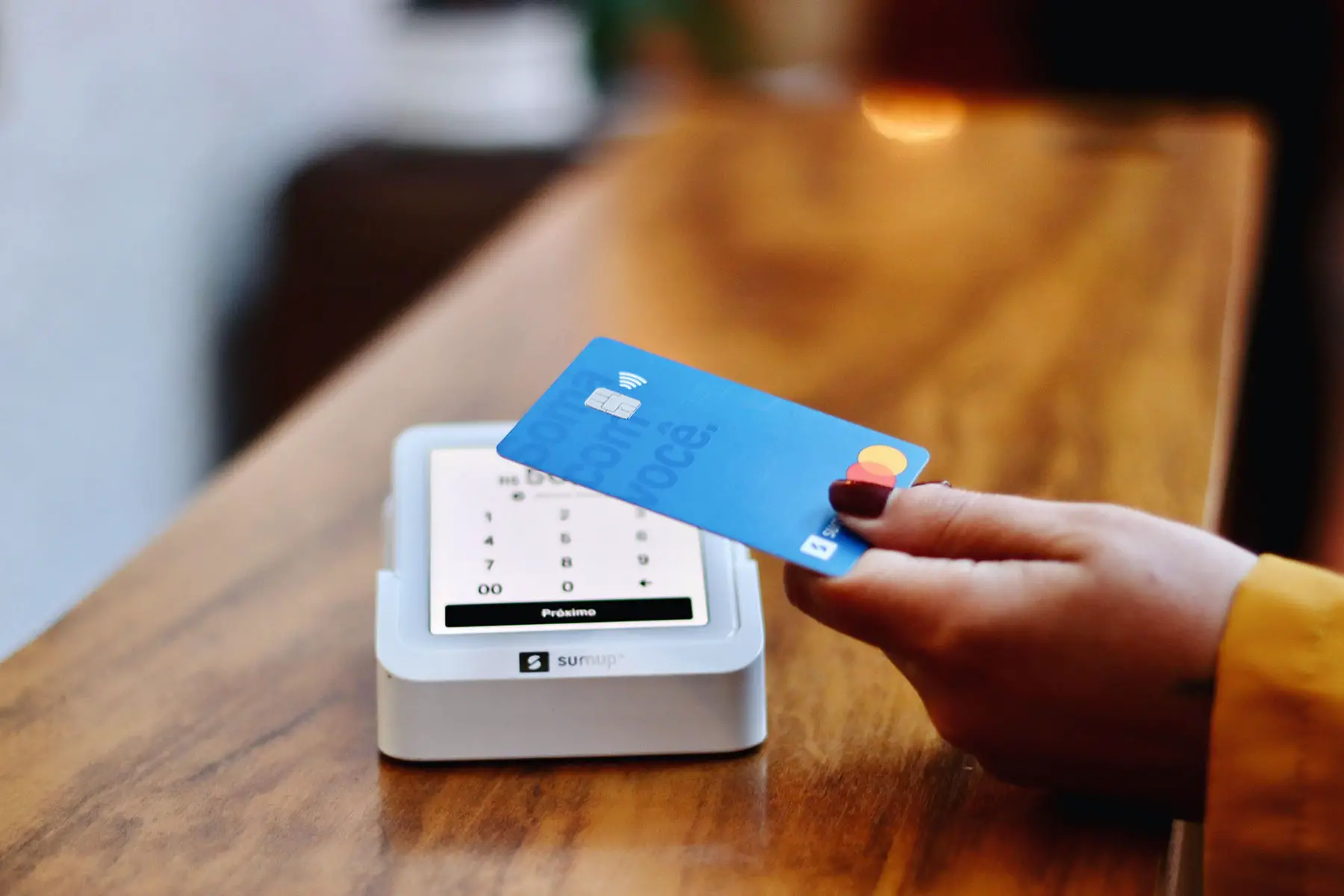
Virtual cards in Germany can include digital debit cards, virtual prepaid cards, and credit card products. With any virtual card you can transact with just your phone, using a wallet like Apple Pay – but these different card types do work quite differently behind the scenes.
Having a virtual card is convenient for many everyday ‘tap and go’ payments, although having some cash on hand is also a smart back up for most expats. Join us as we explore some top virtual card options which might make spending in Germany as an expat that little bit easier.
Key takeaways
- Understand your card type: Most virtual cards in Germany are debit cards, meaning they draw from your own funds rather than offering a credit line.
- Match the provider to your goals: Use Wise or Revolut for international travel, N26 for daily German banking, or bunq for advanced budgeting features.
- Keep a backup: Virtual cards are great for daily use, but always carry a physical card and some cash to handle businesses that don’t accept digital payments or deposits.
- Compare costs and requirements: Review fees, ATM charges, and currency conversion rates, and confirm the provider supports your residency status and documentation before applying.
Virtual card use in Germany
Germany is still a debit-led market, so app-based Visa and Mastercard products are often debit cards rather than credit cards. The Deutsche Bundesbank in its reporter on payment behaviour in Germany in 2025 said that 55% of recorded day-to-day purchases were cashless, with debit cards accounting for 26% of payments. This is the first time that cashless payments have passed the 50% mark – an important milestone.

That said, in Germany, a digital card usually will not replace cash or a physical backup, especially at smaller shops, kiosks, or places that still prefer girocard, which is Germany’s domestic debit network. Having both a virtual and physical card with you can be a sensible precaution.
Best virtual cards in Germany compared
| Provider | Card type | Typical cost structure | Best for | Main limitation |
|---|---|---|---|---|
| Wise | Virtual debit card linked to a multi-currency account | No monthly card subscription; conversion and some card or withdrawal fees may apply | Expats who spend, receive or hold money in different currencies | No credit line; not ideal for deposits requiring a credit card |
| N26 | Virtual Mastercard debit card linked to a current account | Free standard account available; physical card and paid-plan charges may apply | New residents who want everyday banking and a German IBAN | Less specialised for frequent non-euro spending |
| Revolut | Virtual debit card linked to an app-based account | No monthly fee and paid plans; exchange allowances and extra charges vary by plan and timing | Travellers and online shoppers who value detailed card controls | FX limits and plan rules need careful checking |
| bunq | Digital debit or balance-backed card, depending on the product | Free and paid plans; features vary by tier | Budget organisation and managing several cards or sub-accounts | Some card labels can resemble credit products although no normal credit line is provided |
| Local bank or specialist card issuer | True credit card, sometimes available digitally | Annual, monthly or transaction fees may apply | Hotel deposits, car hire and short-term borrowing | Approval may require a stronger credit check and German financial history |
None of these options is universally best. Wise and Revolut are strongest when international spending matters; N26 is a natural fit for German day-to-day banking; bunq suits people who want detailed account organisation. A true credit card may still be necessary for deposits and borrowing.
Wise: best for multi-currency spending
The Wise card is a debit card linked to a multi-currency account. It can be useful if you have moved to Germany but still receive, hold or spend money in other currencies. You can manage balances and conversions in the app and add the digital card to a supported mobile wallet.
Wise does not provide a credit line. You spend from the money in your account, and a conversion fee applies if you pay in a currency you do not already hold. Card-order (7€) and cash-withdrawal charges (free up to 250 EUR each calendar month) may also apply, so check the live German pricing page before relying on it for a trip.
Wise is a good fit for:
- frequent travel outside the eurozone
- receiving or spending money in several currencies
- separating travel funds from a main German bank account
It is less suitable if you mainly spend euros or need guaranteed acceptance for hotel and car-hire deposits.
Spend in multiple currencies with Wise
If you need a virtual card for online payments and life across borders, the Wise Card gives you a digital debit card linked to a multi-currency account. You can add it to Apple Pay or Google Pay, hold 40+ currencies, and manage card controls in the app, which can be especially useful for travel and international spending.

N26: best for a German everyday account
N26 combines an app-based current account with a virtual Mastercard debit card. Its main advantage for new residents is that it can cover several local needs in one place, including a German IBAN for salary payments and SEPA transfers or direct debits.
The standard account includes a virtual card, while charges for a physical card and the features included in paid plans can vary. Because it is a debit card, payments come directly from your account balance.
N26 is a good fit for:
- everyday euro spending
- a German IBAN for salary and bills
- using Apple Pay or Google Pay while waiting for a physical card
It may be less attractive than a card from a multi-currency specialist if you frequently spend outside the eurozone.
Revolut: best for card controls and travel tools
Revolut offers virtual debit cards with app-based controls, making it easy to freeze a card, monitor transactions and create separate payment details for certain uses. Depending on the plan, disposable virtual cards may also be available for eligible online purchases.
The standard plan can be inexpensive, but the real cost depends on exchange allowances, cash-withdrawal limits, premium features and when you convert money. Do not assume that every exchange is free simply because the account has no monthly fee.
Revolut is a good fit for:
- online shopping and subscriptions
- short trips and occasional foreign-currency spending
- users who want granular in-app controls
It is less suitable for anyone who does not want to monitor plan limits and changing FX rules.
bunq: best for organising spending
bunq offers digital-first accounts with tools for dividing money across accounts, budgets or cards. This can suit expats who want to separate rent, bills, travel and discretionary spending in one app.
Read the card description carefully. Some bunq products may be processed by merchants in a way that resembles a credit card, but they are balance-backed rather than a normal revolving credit facility. You still need sufficient money in the account to cover the costs of your transaction.
bunq is a good fit for:
- managing several budgets or sub-accounts
- people who want multiple digital banking tools
- digital-first users who do not need to borrow
It is not the clearest option for someone specifically seeking a conventional credit card.
When a true credit card is the better choice
A virtual debit card is usually enough for subscriptions, app purchases and everyday contactless payments. A true credit card may be better if you need to borrow or expect a merchant to place a large preauthorisation on the card.
Hotels and car-hire companies set their own rules. Some accept debit or virtual cards, while others require a physical credit card in the lead driver’s or guest’s name. Check with the merchant before travelling rather than relying on the card network logo alone.
New arrivals may find true credit harder to obtain. An issuer may review income, residence status and SCHUFA, Germany’s main credit-reporting system. If this is your priority, compare products from local banks and specialist issuers in Expatica’s guide:
How to choose a card and apply
Consider the following when you select your virtual card:
- For a German salary account and regular euro bills, prioritise a DE IBAN and SEPA support.
- For travel or cross-border finances, compare exchange fees, weekend pricing and withdrawal limits.
- For online security, look for instant freezing, payment notifications, spending limits and replaceable card details.
- For hotels or car hire, confirm whether a physical card and genuine credit line are required.
You will normally need a valid identity document, a compatible phone and an address the provider can verify. Eligibility varies by nationality and residence status. If you have not completed your Anmeldung–local address registration–check whether the provider accepts alternative proof of address.
Once approved, create the digital card in the app, add it to Apple Pay or Google Pay if supported, and test it with a small purchase before relying on it for travel.

Fees and safety checks
Before applying, verify the monthly plan cost, card-order or replacement fee, foreign-exchange charges, ATM rules, top-up restrictions and whether the virtual card is included in your chosen plan.
Useful security features include instant card freezing, real-time payment notifications and adjustable limits. Be cautious of “instant credit card” offers that do not clearly identify the issuer, card type, fees or regulator. A reputable provider should state whether the product is debit, prepaid or credit and explain which German or other EEA authority oversees it.
Keep a physical card and a small amount of cash as backup. A virtual Visa or Mastercard will not necessarily work at a girocard-only terminal, and a phone-based card is of little help if your battery dies or your device is lost.
FAQ
Frequently asked questions
Can foreigners get a virtual card in Germany? 
Often, yes. Digital debit cards are generally easier for newcomers to access than true credit cards, but approval depends on the provider’s supported countries, residence rules and identity checks.
Do I need SCHUFA for a virtual card?
Not always. A debit or prepaid card may not require the same credit assessment as a genuine credit facility. A true credit card is more likely to involve a SCHUFA check.
Are N26 and Wise virtual credit cards?
No. The products covered here are virtual debit cards. They let you spend your own account balance and do not provide a credit line.
Can I use a virtual card for hotels and car hire?
Sometimes, but do not rely on it without checking. The merchant may require a physical card or a true credit card for the deposit or preauthorisation.
Which virtual card should an expat shortlist first?
Choose Wise or Revolut if international spending is the main priority. Start with N26 if you want a German everyday account, or bunq if detailed budgeting tools matter most. If deposits or borrowing are essential, compare true credit cards instead.
Useful resources
Checked 29 August 2026
- Payment behaviour in Germany – Deutsche Bundesbank research explaining how people in Germany use cash, debit cards and other payment methods.
- Best credit cards in Germany – A useful next step if you need genuine credit for borrowing, hotel deposits or car hire.
- How to open a German bank account – Covers the documents, account options and practical steps involved in setting up local banking.
- Spending money abroad while living in Germany – Explains payment and currency-conversion considerations for travel outside Germany.