
'%20id='ico-down'%20stroke='%23000000'%20stroke-width='1.5'%3e%3cg%20transform='translate(1092.250000,%20254.750000)'%3e%3cpolyline%20id='Path-2-Copy-4'%20transform='translate(5.500000,%202.750000)%20scale(1,%20-1)%20rotate(-180.000000)%20translate(-5.500000,%20-2.750000)%20'%20points='0%200%205.5%205.5%2011%200'%3e%3c/polyline%3e%3c/g%3e%3c/g%3e%3c/g%3e%3c/svg%3e)




We explain the main financing options, eligibility checks, documents lenders may request, and alternatives such as guarantee-backed finance, with practical points for foreign founders and expats.
This guide is for general information only, not legal, tax, accounting, or regulated financial advice. Always check current rates, fees, eligibility rules, and borrowing costs directly with the lender before applying.
Key takeaways
- For planned equipment or expansion, a term loan often fits best. Bring recent accounts and a clear use-of-funds plan.
- For seasonal stock or short cash-flow gaps, an overdraft or revolving facility may fit better. Check fees, review clauses, and limit size first.
- If cash is tied up in invoices, factoring or invoice finance can be cleaner than a larger loan. Check debtor quality and service fees.
- Startups and newer SMEs may need guarantee-backed finance or public support instead of a standard bank loan. Prepare a business plan, ownership details, and proof of Swiss activity.
- Foreign-owned Swiss companies can qualify, but checks are usually more document-heavy. Verify registration, legal form, and lender scope before you apply.
What a business loan in Switzerland can cover
Business finance in Switzerland can take several forms. Depending on the lender and your needs, options may include a fixed-term loan, current-account credit or overdraft, a revolving facility, or purpose-specific financing for equipment, working capital, or export activity.
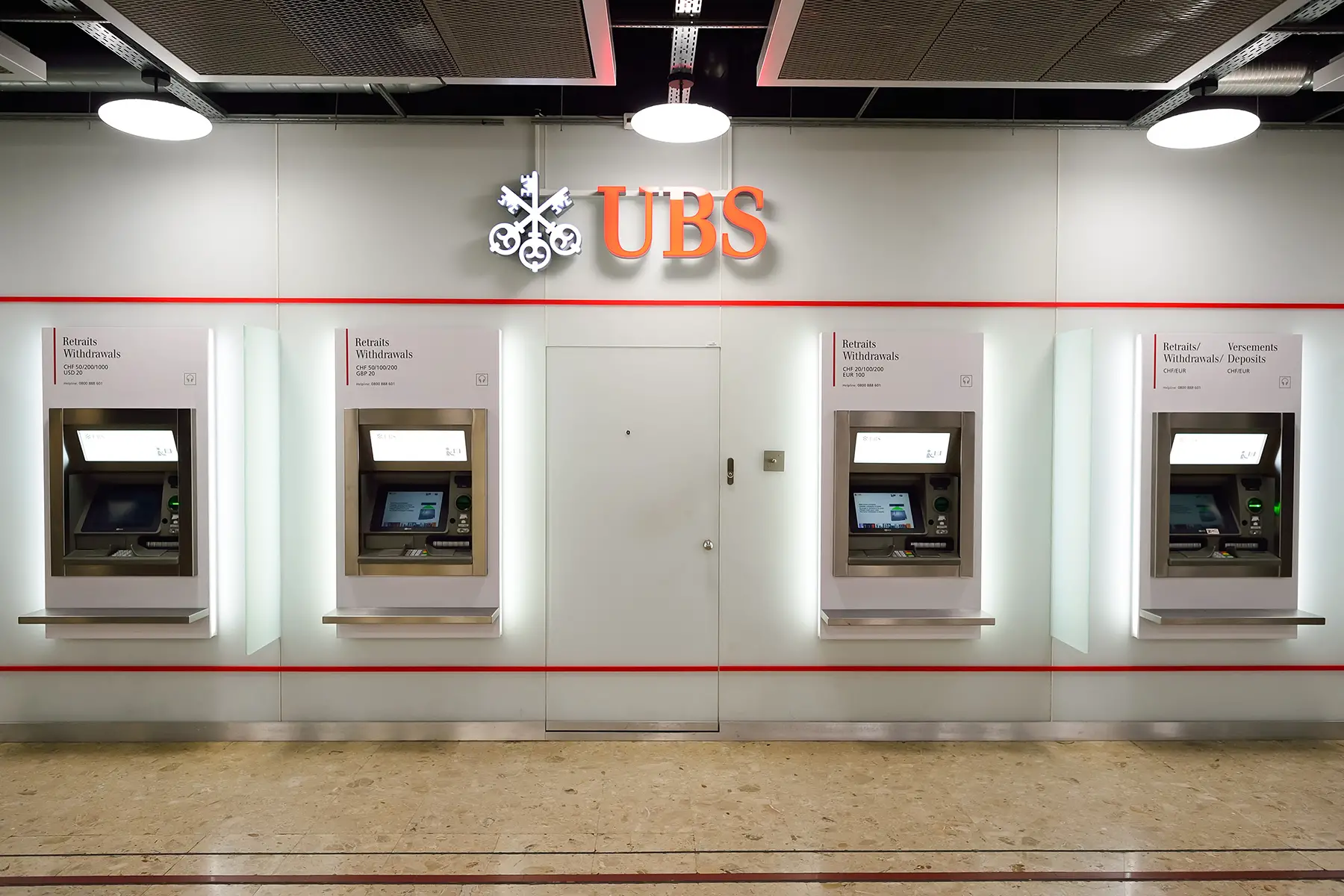
Many SMEs may first approach a bank where they already have a business relationship, while other banks and specialist finance providers serve particular types of borrower or funding needs. Major Swiss banks sit within the wider banking landscape alongside specialist providers.
Business finance may be used for:
- working capital and short-term payroll needs
- equipment, vehicles, or fit-outs
- inventory and seasonal stock
- expansion into a new site or market
- refinancing existing business debt
A term loan suits a defined investment or longer-term project where the funding need is known in advance. A credit line, overdraft, or invoice-based financing product may be more suitable for shorter-term or fluctuating cash-flow needs.
Who can qualify for business finance in Switzerland
Approval depends on the lender, financing product, and your company’s financial position. Lenders typically assess factors such as the business’s trading history, legal form, financial performance, ownership, repayment capacity, and any security or guarantees required.
Use this quick checklist before you apply:
- A genuine Swiss operating presence, where required by the lender.
- A clear legal structure, such as a sole proprietorship, GmbH/Sàrl, or AG/SA.
- Commercial register entry where required for your legal form.
- Enough turnover, margin, or forecast evidence to support repayments.
- Up-to-date accounts and other financial information requested by the lender.
- Collateral, guarantees, or personal backing where the lender asks for them.
- A borrowing purpose that matches the business stage and size.
Some business-loan products are designed for established SMEs and require a minimum trading history. Startups and very new businesses may therefore need to consider other financing routes or guarantee-backed lending.

Foreign founders, non-residents and new businesses
Eligibility for foreign founders and owners depends on the lender and product. Some Swiss business-finance products require the operating company to be based in Switzerland, while lenders may also carry out checks on the company’s owners, beneficial owners, directors, and business activities.
A foreign founder with an established Swiss entity is therefore in a different position from an overseas company with no Swiss operating presence.

Writer
Gary Buswell
Insider Tip
If conventional bank finance is difficult to obtain, check whether one of Switzerland’s federally supported guarantee cooperatives could help. These organisations can provide guarantees that make it easier for viable SMEs to access bank credit.
Documents and information lenders usually ask for
Prepare your financial and company records before applying. Depending on the lender, product, legal form, and age of the business, you may be asked for:
- commercial register details and legal form
- annual accounts and current financial figures
- business plan, forecasts, or clear use-of-funds explanation
- ownership structure and beneficial owner details
- ID and proof of address for key owners or directors
- recent tax filings or tax assessments, where requested
- business bank statements and existing debt details
- a recent extract from the debt enforcement register, where requested
If your reporting setup is still patchy, check your corporate tax filing requirements to make sure you don’t miss anything. Always confirm the required documents directly with the lender, as requirements vary by product and applicant.

Which financing option fits your business
Choose the financing that matches your actual funding need, rather than focusing on the product name alone.
| Option | Best for | Repayment style | Common hurdle | What to check |
|---|---|---|---|---|
| Term loan | Planned investment or expansion | Fixed instalments | Needs evidence of affordability | Fees, security, early repayment |
| Overdraft or current account facility | Short liquidity gaps | Flexible, up to a limit | Can become expensive if used for too long | Usage fees, review clauses, credit limit |
| Revolving credit | Repeated working capital needs | Draw, repay, draw again within agreed terms | Tight lender controls | Availability conditions, and unused fees |
| Invoice or short-term liquidity finance | Cash tied up in customer invoices | Repaid from invoices or short cycle cash flow | Depends on debtor quality | Advance rate, service fees, customer impact |
Term loans, overdrafts and revolving credit
A term loan suits a defined borrowing need, such as buying a machine or fitting out a new office. An overdraft or revolving facility may be more suitable for fluctuating liquidity needs, such as seasonal stock purchases or temporary cash-flow gaps.
Banks and other lenders may package these products differently, so compare the repayment structure, interest, fees, security requirements, and usage limits rather than relying on the product name alone. This is particularly important when comparing a business loan with an overdraft in Switzerland.
Leasing, factoring, and guarantee-backed finance
A conventional loan is not always the right option. Leasing may suit vehicles or equipment, while factoring or other receivables finance can help businesses release cash tied up in unpaid customer invoices.
Guarantee cooperatives recognized by the Swiss Confederation can help viable SMEs access bank finance. Under the current federal framework, guarantees can cover bank loans of up to CHF 1 million, while the Confederation covers 65% of the guarantee cooperatives’ losses on these guarantees.
Writer
Gary Buswell
Practical insider tip
If a conventional business loan does not fit your company’s finances or funding need, consider whether another structure could work better. For example, a business with substantial unpaid invoices may find receivables finance more suitable than increasing its overdraft.
How to apply and improve your approval odds
Good preparation helps the lender see what the money will do and how it will be repaid.
Define the need clearly. State the amount, the purpose, and how you calculated the funding requirement.
Shortlist suitable lenders. Match your company age, legal form, and funding need to the product type.
Build a complete application pack. Accounts, forecasts, ownership details, existing debts, and your explanation of how the finance will be repaid should be consistent.
Answer follow-up questions with evidence. If a lender asks about weaker trading periods or unusual costs, explain them with figures and supporting information where possible.
Review the offer before signing. Check interest, fees, security, covenants, early repayment terms, and any review clauses.
A clearly justified borrowing amount linked to a specific business need can make the application easier to assess than a request without a detailed explanation of how the money will be used.
How Swiss lenders assess risk and affordability
Financial performance is an important part of the assessment. Depending on the lender and product, this can include turnover, profitability, margins, trading history, existing debts, and recent financial results.
Cash flow is also important. A lender will typically want to understand whether the business can meet interest and repayments while continuing to cover its normal operating costs.
Legal structure can affect the assessment. With a sole proprietorship, the business and owner are not legally separate, so the owner’s financial position can be directly relevant. GmbH/Sàrl and AG/SA companies are separate legal entities, although lenders may still examine their owners, directors, beneficial owners, or guarantors where relevant.
Security and guarantees may also affect the decision. Depending on the lender, product, and strength of the business, collateral or personal guarantees may be requested, particularly for higher-risk or newer businesses. No single improvement guarantees approval.
How to compare costs and avoid common mistakes
Published loan pricing may not show the full cost of borrowing. Compare the interest rate with any arrangement, administration, account, or review fees, as well as security requirements, early repayment terms, and whether the quoted rate is indicative or final.
Business borrowing does not necessarily receive the same disclosure requirements and protections as consumer credit in Switzerland. Do not assume that a business loan will follow the same rules or presentation as a personal consumer loan.
Borrowers often compare only the headline rate without considering how fees, security requirements, or repayment terms affect the overall deal. Another error is using short-term credit for a long-term funding need, which can leave the business dependent on renewals or refinancing.
Other mistakes to watch for include:
- borrowing without a clear use-of-funds plan
- overlooking the effect of repayments on cash needed for stock, payroll, tax, and other operating costs
- taking a conventional loan without comparing alternatives such as leasing, factoring, or guarantee-backed finance
How to verify fees, terms and lender status
Before you commit:
- Check the lender’s tariff page, term sheet, and full offer document.
- Use FINMA’s authorised institutions list where relevant.
- Review the FINMA warning list for due diligence.
- Use the Swiss SME portal for current information on financing and government-supported guarantee schemes.
- Confirm company registration and legal form in Zefix
Verify any term that could materially affect your borrowing decision directly with the lender and, where appropriate, the relevant regulator. Marketing pages are useful for initial comparisons, but the final agreement determines the terms you accept.
How to use funded money for cross-border business costs
Once funding arrives, cross-border costs can affect how far the money goes. If you borrow in Swiss francs (CHF) but pay suppliers or other expenses in euros, US dollars, or another currency, exchange-rate movements, conversion fees, and transfer charges can increase the effective cost of those purchases.
For example, a Lausanne importer might draw CHF 80,000 for stock, then pay a supplier in euros and a contractor in US dollars. Currency conversion costs and exchange-rate movements could make those expenses more expensive than originally budgeted.

Save on international business payments with Wise
After securing your loan, managing cross-border expenses shouldn’t eat into your working capital. Wise Business allows you to hold, send, and spend in over 40 currencies at the real mid-market exchange rate. Avoid high conversion fees and hidden markups when paying international suppliers or covering operational costs, ensuring your borrowed funds go further.

FAQ
Frequently asked questions about business loans in Switzerland
Can foreigners get a business loan in Switzerland? 
Yes, sometimes, if the business is properly established and operating in Switzerland. A Swiss-based company owned by a foreign founder is usually assessed very differently from an overseas company with no Swiss operating footprint, and lender appetite can vary a lot.
Can a startup get a business loan in Switzerland?
Sometimes, but the path is harder. Many startups need guarantee support, investor funding, leasing, or another structure before a standard business loan becomes realistic.
What documents do you need for a Swiss business loan application?
Most lenders ask for registration details, recent accounts, current management figures, a business plan or use-of-funds note, ownership information, and ID documents. The exact list depends on the lender, the legal form, and how established the business is.
Are business loans in Switzerland covered by consumer credit law?
Business borrowing generally falls outside Switzerland’s consumer-credit framework when the credit is taken out for commercial or professional purposes. Businesses should therefore check interest, fees, security or guarantee requirements, repayment terms, and other contractual conditions carefully rather than assuming that consumer-credit protections apply.
What is the difference between a business loan and an overdraft in Switzerland?
A business loan fits a defined borrowing need and follows a set repayment plan. An overdraft is better for short-term flexibility, but you still need to watch fees, limits, and how long you rely on it.
Useful resources
(accessed 28th August 2026)
- Swiss SME portal – business portal run by the State Secretariat for Economic Affairs (SECO)
- EasyGov – government online portal to make business administration easier
- Zefix – search for Swiss company registration
- Swiss Financial Market Supervisory Authority (FINMA) – federal business regulator in Switzerland
- Swiss Banking – useful information for Swiss companies and SMEs


