'%20id='ico-down'%20stroke='%23000000'%20stroke-width='1.5'%3e%3cg%20transform='translate(1092.250000,%20254.750000)'%3e%3cpolyline%20id='Path-2-Copy-4'%20transform='translate(5.500000,%202.750000)%20scale(1,%20-1)%20rotate(-180.000000)%20translate(-5.500000,%20-2.750000)%20'%20points='0%200%205.5%205.5%2011%200'%3e%3c/polyline%3e%3c/g%3e%3c/g%3e%3c/g%3e%3c/svg%3e)



'%20fill='%23000000'%3e%3cg%20id='icons'%20transform='translate(56.000000,%20160.000000)'%3e%3cpath%20d='M144,7339%20L140,7339%20L140,7332.001%20C140,7330.081%20139.153,7329.01%20137.634,7329.01%20C135.981,7329.01%20135,7330.126%20135,7332.001%20L135,7339%20L131,7339%20L131,7326%20L135,7326%20L135,7327.462%20C135,7327.462%20136.255,7325.26%20139.083,7325.26%20C141.912,7325.26%20144,7326.986%20144,7330.558%20L144,7339%20L144,7339%20Z%20M126.442,7323.921%20C125.093,7323.921%20124,7322.819%20124,7321.46%20C124,7320.102%20125.093,7319%20126.442,7319%20C127.79,7319%20128.883,7320.102%20128.883,7321.46%20C128.884,7322.819%20127.79,7323.921%20126.442,7323.921%20L126.442,7323.921%20Z%20M124,7339%20L129,7339%20L129,7326%20L124,7326%20L124,7339%20Z'%20id='linkedin-[%23161]'%3e%3c/path%3e%3c/g%3e%3c/g%3e%3c/g%3e%3c/svg%3e)
'%20fill='%23000000'%3e%3cg%20id='icons'%20transform='translate(56.000000,%20160.000000)'%3e%3cpath%20d='M335.821282,7259%20L335.821282,7250%20L338.553693,7250%20L339,7246%20L335.821282,7246%20L335.821282,7244.052%20C335.821282,7243.022%20335.847593,7242%20337.286884,7242%20L338.744689,7242%20L338.744689,7239.14%20C338.744689,7239.097%20337.492497,7239%20336.225687,7239%20C333.580004,7239%20331.923407,7240.657%20331.923407,7243.7%20L331.923407,7246%20L329,7246%20L329,7250%20L331.923407,7250%20L331.923407,7259%20L335.821282,7259%20Z'%20id='facebook-[%23176]'%3e%3c/path%3e%3c/g%3e%3c/g%3e%3c/g%3e%3c/svg%3e)

Most homes in the UK are already connected to water, electricity and gas. However, this is not guaranteed in every situation.
If you’re renting property in the UK, your rental agent or landlord may be able to arrange your UK utilities. But if you are buying property in the UK, you will need to arrange your own utilities.
This guide provides all the information you need for connecting to UK utilities, including:
Uswitch
Confused about which UK energy provider to sign up with? Then check out Uswitch. Their easy-to-use platform compares tariffs from the biggest UK energy companies, giving you a range of quotes in minutes and helping you get the best deal for you. See what you could save on your energy bill and switch providers easily with Uswitch.

Utilities in the UK
Electricity, gas, and water services are widely available across the UK. However, how these utilities are regulated, supplied, and billed differs between Great Britain and Northern Ireland.

Utilities in the UK are largely privatized. However, you’re generally free to choose your preferred provider for gas and electricity. However, UK water utilities are often limited to the one provider operating in your area.
With a wide array of utility companies in the UK, connecting your house to water, electricity, and gas can seem overwhelming when first moving to the UK, especially if you are trying to connect UK internet, TV, and a landline phone at the same time.
However, you can access services that make things easier and help connect you with the utilities you need. For example, companies like Please Connect Me provide guidance on providers in your area and help with getting you connected.
There’s a good chance your new home already has gas, electricity, and water, especially if you are renting in the UK. In a typical situation, your only responsibility is to transfer those services into your name and check the meter readings.
Ofgem regulates the gas and electricity markets in Great Britain (England, Scotland, and Wales). Northern Ireland has its own Utility Regulator, which regulates electricity, gas, water, and sewerage services. For water, Ofwat regulates the market in England and Wales. In Scotland, the Water Industry Commission for Scotland regulates providers and the Drinking Water Quality Regulator for Scotland oversees drinking water quality.
Electricity in the UK
UK electricity voltage is 230V (50Hz). Although this is standard voltage for Europe, it’s significantly higher than many other countries. Check which appliances are compatible.
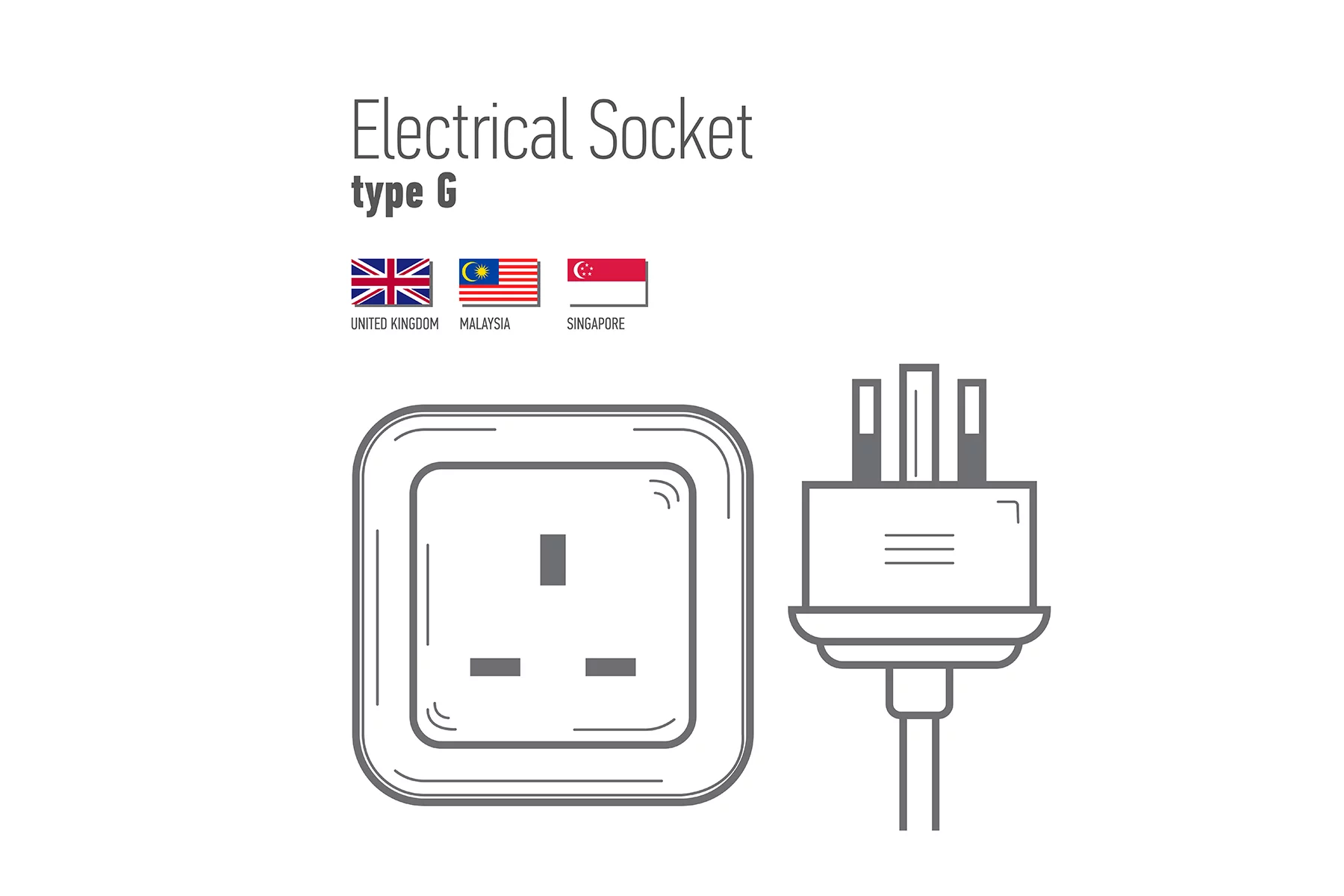
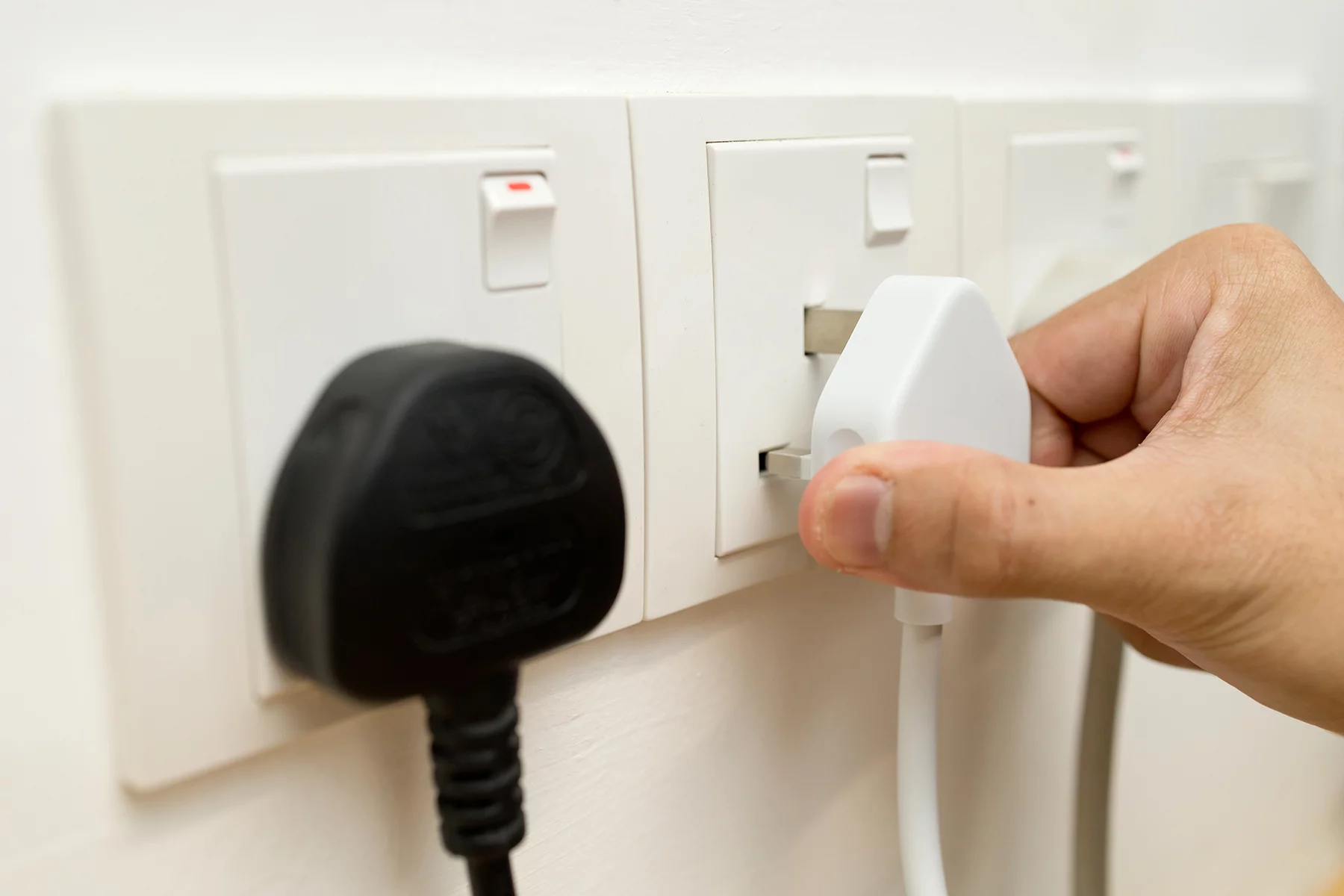
The UK uses three-pin point plugs (type G), similar to Ireland, Cyprus, Malta, Malaysia, Singapore and Hong Kong. Because many countries use two-pin plugs, you may need an adapter if you bring appliances from your homeland.
Businesses must ensure that electrical equipment is maintained so that it does not create a danger. There is no general legal requirement to carry out a portable appliance test (PAT) on every electrical appliance each year; the type and frequency of checks, inspections, and testing should depend on the equipment, how it is used, and the environment. Retailers selling second-hand electrical products must also ensure that the products they sell are safe.
See this government guide for details on electrical safety at work, which you will need to be aware of if you run a business in the UK.
Electricity suppliers in the UK
Great Britain has a competitive domestic energy market with a mix of large and smaller suppliers. The largest suppliers currently include Octopus Energy, British Gas, E.ON, OVO, EDF Energy, and ScottishPower.
The market changes regularly as suppliers enter, leave, or consolidate. You can check the latest supplier numbers and market shares using Ofgem’s retail market indicators. It is worth comparing current tariffs, customer service, and contract terms before choosing a supplier.
Your choice of electricity company in the UK depends partly on your area. Generally, you can find the bigger companies nationwide.
If you’re unsure of which utility company is right for you, there are plenty of UK comparison websites just waiting to help you out. On these websites, you’ll be able to compare and contrast gas and electricity prices from the UK’s biggest energy providers. These comparison sites include:
Connecting and disconnecting electricity in the UK
If you move into a property that does not already have an electricity connection, you will need to contact your local electricity distribution network operator rather than your energy supplier. In England, Scotland, and Wales, you can use the Energy Networks Association’s network operator finder to identify the company responsible for your area.
In Northern Ireland, new electricity connections are handled by NIE Networks. Connection work may involve a charge, depending on the property and the work required. Once connected, you will need to choose an electricity supplier.
In the majority of cases, you will not need to get connected, especially if you are renting. However, you are expected to contact a UK electricity supplier to transfer electricity bills into your name to avoid billing confusion.
Normally the previous tenant or owner will have given the final meter readings to the utility companies. However, it is still important to take readings when you move in, to give to your chosen utility companies to ensure your bills are accurate.
When moving out of a property in the UK, you won’t need to have the supply disconnected. Just contact your supplier, inform them that you are no longer living at this address, and give them a final meter reading.
Changing electricity suppliers in the UK
You do not have to stay with the same company as the previous tenant or property owner, so you can switch UK electricity companies at this time if you prefer.
Many residents in the UK choose to keep with their existing energy supplier when they move home, so often it is just a case of informing your supplier of your change of address.
You are free to change supplier at any time, although if you have signed up to a certain period of time with a supplier and want to leave early, you may be charged.
Changing suppliers of utilities in the UK is quite straightforward. You can normally do this online or over the phone. All you will need is your postcode. Additionally, some comparison sites allow you to change providers through their site.
Electricity costs and tariffs in the UK
You can choose from different payment plans, so it pays to shop around. Options include fixed monthly rates, capped rates, unit rates, or prepaid meters (where you top up your supply using a key).
Each company has different plans which you can usually check on their website. Also, make use of comparison sites.
From 1 July to 30 September 2026, the Ofgem energy price cap for a standard variable tariff paid by Direct Debit averages 26.11p per kWh for electricity, plus a daily standing charge of 57.19p across England, Scotland, and Wales. These figures include VAT.
The price cap limits the unit rate and standing charge rather than your total bill, so the amount you actually pay depends on how much electricity you use. Rates also vary by region, payment method, and meter type. Ofgem reviews the price cap every three months, so check the latest rates when comparing tariffs.
Reporting electrical faults and carrying out electrical repairs in the UK
Power cuts are relatively uncommon in the UK but can occasionally happen. If you lose power, first check whether nearby homes or street lights are also affected.
If the outage affects the local electricity network in England, Scotland, or Wales, call 105 free of charge or use the Energy Networks Association’s power-cut service to contact your local network operator. In Northern Ireland, report an outage to NIE Networks. If only your property is affected, check your fuse box or circuit breakers first and contact a qualified electrician if necessary. See our guide to emergency numbers in the UK for other important contacts.
If you need to find an electrician for repair works, you can search for a registered electrician on the Registered Competent Person or the NICEIC websites. Online platforms such as TaskRabbit are another way to find professional help with repairs.
Making a complaint about an electricity company in the UK
If you have a problem with your electricity supplier, first follow the company’s formal complaints procedure. In England, Scotland, and Wales, if the problem has not been resolved within eight weeks, you can normally escalate it to the Energy Ombudsman. You can also approach the Ombudsman sooner if your supplier sends you a deadlock letter. Find out more on the Ofgem website.
In Northern Ireland, contact your energy supplier first. If the complaint remains unresolved or you are unhappy with the response, contact the Consumer Council for Northern Ireland. In some cases, the Consumer Council may refer the matter to the Utility Regulator.
Gas in the UK
Gas is also privatized in the UK. In general, companies offer combination tariffs including electricity and gas. Many homes have a mix of electrical and gas-powered facilities, with central heating and cooking equipment often run on gas.
Homeowners are strongly advised to have gas appliances and flues checked regularly by a Gas Safe registered engineer. Landlords have a legal duty to arrange a gas safety check every 12 months for the gas appliances and flues they provide to tenants.
Gas suppliers in the UK
Because gas and electricity are mostly supplied in a combined energy package, suppliers of gas in the UK are much the same as those for electricity.

An alternative to a centralized gas supply is to use gas canisters. You can buy small canisters from camping stores, home improvement stores, and shops such as Argos. You can use these for equipment such as gas heaters and portable cooking equipment. However, if you need larger canisters, you should try companies such as Calor.
Connecting and disconnecting gas in the UK
Similar to electricity, gas should already be connected to your home and all you will need to do is transfer the bills for the address to your name.
If you need to get a gas supply connected, contact your local gas network operator. You can find guidance on arranging a new connection in Ofgem’s guide to gas and electricity connections. The network operator will provide a quote based on the work required, while you will also need to choose an energy supplier to install the meter and bill you for your gas use.
Gas costs and tariffs in the UK
From 1 July to 30 September 2026, the Ofgem energy price cap for gas on a standard variable tariff paid by Direct Debit averages 7.33p per kWh, plus a daily standing charge of 29.04p across England, Scotland, and Wales. These figures include VAT.
Your actual gas bill depends on how much gas you use, your region, payment method, and tariff. Ofgem reviews its price cap every three months, so check the latest rates when comparing suppliers.
Reporting gas faults and carrying out gas repairs in the UK
If you smell gas, suspect a gas leak, or suspect a carbon monoxide emergency, call the National Gas Emergency Service immediately on 0800 111 999 in England, Scotland, or Wales. In Northern Ireland, call 0800 002 001. You can find further guidance on the Gas Safe Register website or see our guide to UK emergency numbers.
You should never try and fix a gas problem yourself unless you are fully qualified as it is highly dangerous. You can find a registered gas engineer on the Gas Safe Register website.
Water supply in the UK
The water industry has been privatized in England and Wales. However, it remains public in Scotland and Northern Ireland. Throughout the UK, you typically must use your local water company.

You can drink tap water in the UK, although many people purchase filters and softeners to improve the quality. The water supply in the UK varies by region. London, urban areas, and large parts of southern England are noted for having hard water (with a higher concentration of minerals), in contrast to Scotland, Wales, northern England, and more rural areas which tend to have softer water.
For England and Wales, the Drinking Water Inspectorate (DWI) provides information and a map showing typical water hardness. However, hardness can vary locally, so check with your water company for figures specific to your address. Many suppliers provide postcode-based water quality information on their websites.
Water suppliers in the UK
Although private companies run the water supply in England and Wales, you are generally restricted to the provider for your region. This website can help you find the UK water supplier for your region.
Because water companies in the UK are regional suppliers, you will need to create a new account with the regional supplier if you move area.
Eligible non-household customers in England can choose their water retailer. In Wales, the market is more restricted: businesses supplied by an appointed water company whose area is wholly or mainly in Wales generally need to use at least 50 megalitres of water a year to be eligible to switch retailer. You can check the current eligibility rules on the Ofwat website.
You can find information on how your local water company is performing on the Discover Water website.
Connecting and disconnecting water supply in the UK
You must contact your regional water supplier if you need to get connected to the local water supply when you move into a new place. You may incur a fee for this, although connection charges vary across regions.
Similar to gas and electricity, you will find running water supply in most accommodation and in rented property is normally the landlord’s responsibility. All you will need to do is get the bill for the property registered in your name.
When you move out, you won’t need to get the supply disconnected. Just inform your supplier of the date you are moving out and provide them with a final meter reading.
Water costs and tariffs in the UK
Water and wastewater charges work differently across the UK. In England and Wales, household bills generally cover both the water supplied to your property and the collection and treatment of wastewater. Scotland and Northern Ireland use different systems, as explained below.
How you pay for water depends on where you live in the UK.
In England and Wales, households may have metered or unmetered bills. Metered customers pay according to the amount of water they use, while most unmetered households are charged according to the rateable value of their property. The average household water and wastewater bill in England and Wales for 2026/27 is forecast at £639, although actual bills vary by company and household. You can find current bill information through Water UK.
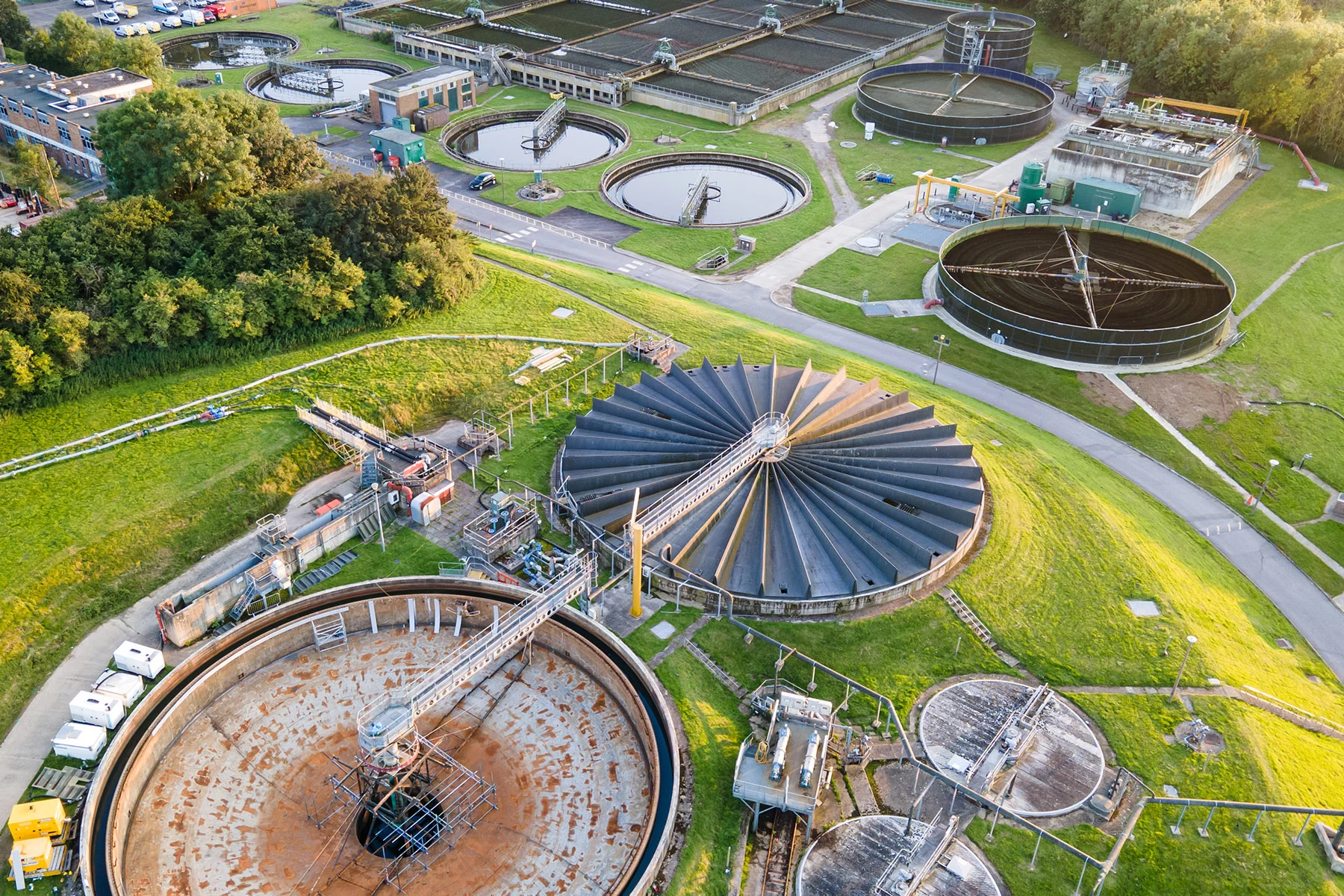
In Scotland, household water and wastewater charges are generally linked to the property’s Council Tax band and collected alongside Council Tax. Current charges are available from Scottish Water.
Northern Ireland has a different system. Domestic consumers are not currently billed directly for standard water and sewerage services; the domestic portion of the service is funded through government subsidy. The Utility Regulator publishes information about water pricing and regulation.
Reporting water leaks/faults and carrying out water repairs in the UK
If you have a problem with your water supply, contact your local water company or water provider. You can normally find its emergency and customer service details on your bill or website. If you are unsure which company supplies your property in England or Wales, you can use the Water UK supplier finder.
To find an approved plumber, including emergency plumbers, you can search the WaterSafe or Water Regulations Advisory Scheme (WRAS) websites.
Making a complaint about a water company in the UK
If you want to complain about the service provided by your local water supplier, you should contact their complaints department and follow their initial procedure in the first instance.
If your complaint remains unresolved, the appropriate escalation body depends on where you live. In England and Wales, you can contact the Consumer Council for Water (CCW). In Scotland, complaints can ultimately be taken to the Scottish Public Services Ombudsman (SPSO). In Northern Ireland, consumers can seek help from the Consumer Council for Northern Ireland.
Energy efficiency and green alternatives in the UK
Energy-efficiency grants and support schemes vary across the UK, so the options available depend on where you live and whether you meet the eligibility criteria.
In England, eligible households may be able to receive energy-saving home improvements through the Warm Homes: Local Grant. In England and Wales, the Boiler Upgrade Scheme provides grants towards eligible low-carbon heating systems.
Scotland has separate grants and loans through Home Energy Scotland, while eligible households in Wales can access advice and home improvements through the Welsh Government’s Nest scheme. In Northern Ireland, schemes such as Affordable Warmth can provide support for eligible households.
Government schemes, eligibility criteria, and grant amounts can change, so check the relevant official website before applying.
More information on government-backed schemes for homes and businesses is available on the Ofgem website.

Tips on how to make properties more energy and water efficient can include, for example:
- loft/wall cavity insulation and double-glazing to reduce on heating bills;
- installing renewable energy sources such as solar panels or wind-power systems on the property;
- using energy-efficient appliances;
- having a low-flush toilet and low-flow taps installed;
- using water recycling systems such as rainwater harvesting or greywater re-use systems
If renewable energy is important to you, compare current tariffs and check each supplier’s fuel mix and environmental claims before signing up, as tariffs and suppliers change regularly.
Paying utility bills in the UK
Energy suppliers offer several ways to pay bills. Many households pay monthly by Direct Debit, although billing frequency and payment options vary by supplier.
If you have a smart meter operating in smart mode, your gas and electricity readings can normally be sent automatically to your supplier. If you have a traditional meter, or a smart meter that is not communicating correctly, you may still need to submit readings yourself. Regular readings help ensure that your bills are based on actual rather than estimated usage. You can find more information about the rollout in the UK government’s smart meter statistics.
If you do not want to pay by Direct Debit, other payment options may include standard credit, prepayment, card payments, or other methods offered by your supplier. Available payment methods and charges vary, so check your supplier’s terms before choosing an option.
Useful resources
- Ofgem – energy regulator for Great Britain
- Utility Regulator – electricity, gas, water, and sewerage regulator for Northern Ireland
- Ofwat – water regulator for England and Wales
- Water Industry Commission for Scotland – economic regulator for the Scottish water industry
- Energy Networks Association – find your electricity network operator
- Ofgem energy price cap – current electricity and gas unit rates and standing charges
- Health and Safety Executive – electrical safety guidance
- Gas Safe Register – gas safety and registered engineers
- Water UK – find your water supplier
- Scottish Water – current household water charges in Scotland
- Consumer Council for Water – consumer help and complaints in England and Wales
- Warm Homes: Local Grant – energy-efficiency support in England
- Home Energy Scotland – Scottish energy-efficiency grants and loans
- Nest – Welsh Government home energy-efficiency support
- Energy-saving grants in Northern Ireland – current support schemes