
'%20id='ico-down'%20stroke='%23000000'%20stroke-width='1.5'%3e%3cg%20transform='translate(1092.250000,%20254.750000)'%3e%3cpolyline%20id='Path-2-Copy-4'%20transform='translate(5.500000,%202.750000)%20scale(1,%20-1)%20rotate(-180.000000)%20translate(-5.500000,%20-2.750000)%20'%20points='0%200%205.5%205.5%2011%200'%3e%3c/polyline%3e%3c/g%3e%3c/g%3e%3c/g%3e%3c/svg%3e)


Move
Relocation
Moving to Thailand From Singapore: Practical Guide
Moving to Thailand from Singapore is a popular lifestyle change, but turning a quick flight into a permanent move takes more than just packing bags.

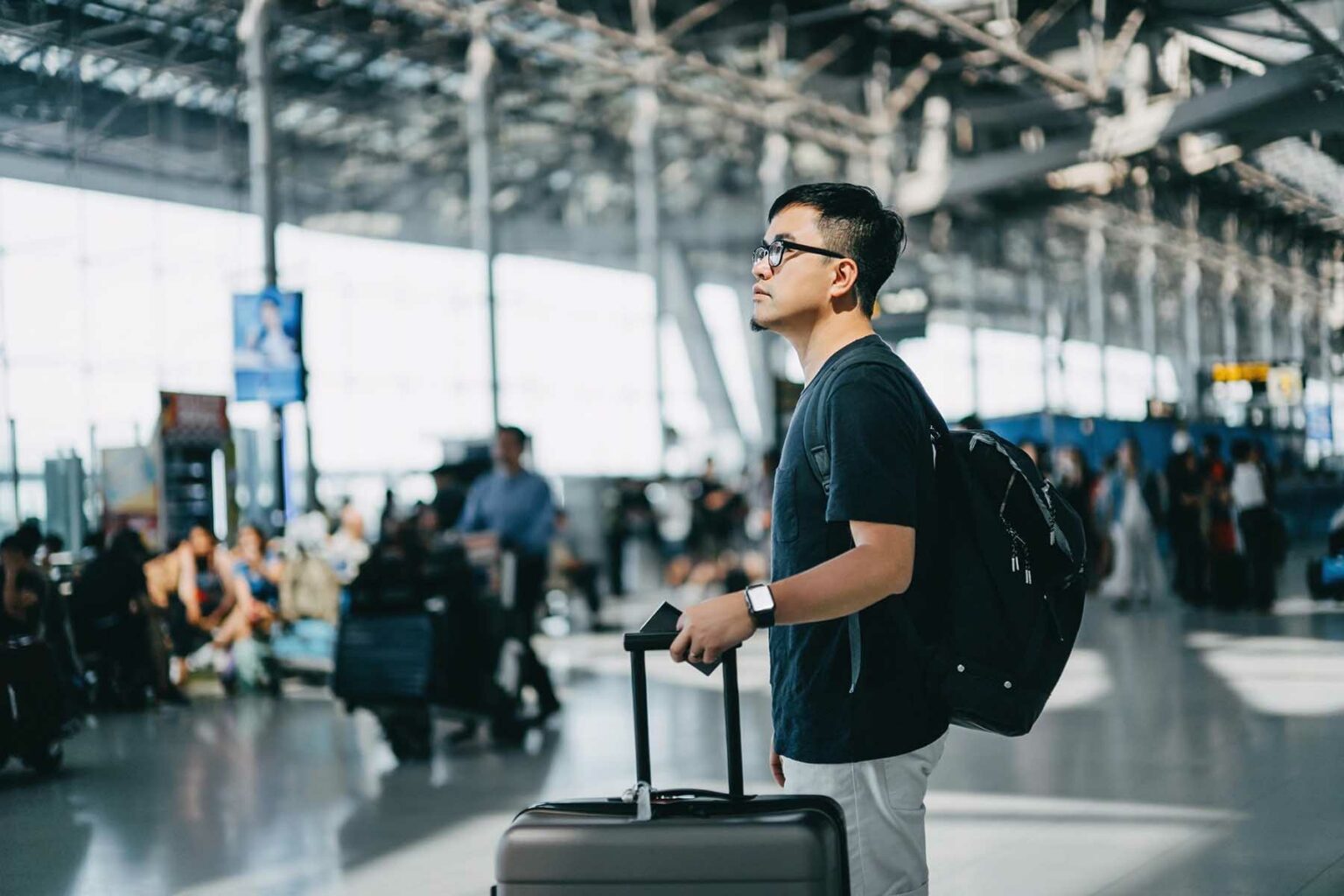
From evaluating the true cost-of-living differences between Bangkok and Chiang Mai to handling foreign currency transfers without heavy bank markups, managing the administrative details determines how easily you adjust. Having a clear roadmap helps you settle in cleanly from pre-departure paperwork to your first week on the ground.
Key takeaways
- Visa selection: Secure an appropriate long-term visa before committing to a lease, as standard tourist entries are not suitable for permanent relocation.
- City selection: Compare your daily budget and lifestyle priorities across top destinations, balancing Bangkok’s connectivity, Chiang Mai’s lower living costs, and Phuket’s coastal pace.
- Housing arrangements: Book short-term accommodation initially to inspect properties in person, and budget upfront for security deposits, utilities, and potential furnishing gaps.
- First-month administration: Keep physical and digital copies of your passport, address details, and rental agreements ready to handle early requirements like TM30 residence reporting.
- Local banking setup: Call individual bank branches ahead of time to verify their account-opening criteria, which can vary significantly based on your visa type and address documentation.
- Money management: Evaluate total transfer costs, including exchange rate markups, transfer fees, and timing, across SGD to THB transfer routes like Wise before sending funds.
International money transfer with Wise
Wise makes it easy to send money to Thailand — with transparent fees and the mid-market exchange rate.
Send EUR, USD, or GBP and Wise will convert it to THB for delivery to a Thai bank account. You’ll see the exchange rate and total fee upfront, with no markups on the exchange rate.
Set up your transfer in a few steps and track it end-to-end in the Wise app — built for international payments.

Choose your Thailand setup before you move
Before you spend on deposits or shipping, decide where you want to live and what kind of move you are making. A Bangkok work move, a Chiang Mai remote-work plan, and a Phuket lifestyle move can lead to very different budgets and admin.
Which Thai city fits a Singapore-based mover?
For many Singapore-based movers, our guide on Where to live in Thailand: the best cities for expats is the next useful read. In short, Bangkok is the easiest landing point, Chiang Mai is often better for lower daily spend, and Phuket suits readers who care more about lifestyle than commute speed.
| City | Rent level | Commute convenience | Expat density | Best fit |
|---|---|---|---|---|
| Bangkok | High | Very convenient | High | Employees, families |
| Chiang Mai | Lower | Moderate | Medium | Remote workers, value seekers |
| Phuket | Medium to high | Car or bike helps | Medium | Lifestyle movers, retirees |
What should you line up before you book flights?
- Passport validity and digital copies of key documents
- A clear visa route
- A short-term housing plan for the first 2 to 4 weeks
- Emergency funds in both SGD and THB
- A transfer method for deposits and setup costs
- Health insurance that starts when you move
- A decision on whether the move is short term or long term
Before you pay a deposit, confirm current rules through the official Thai visa channels, and use our checklist below to track the wider admin.
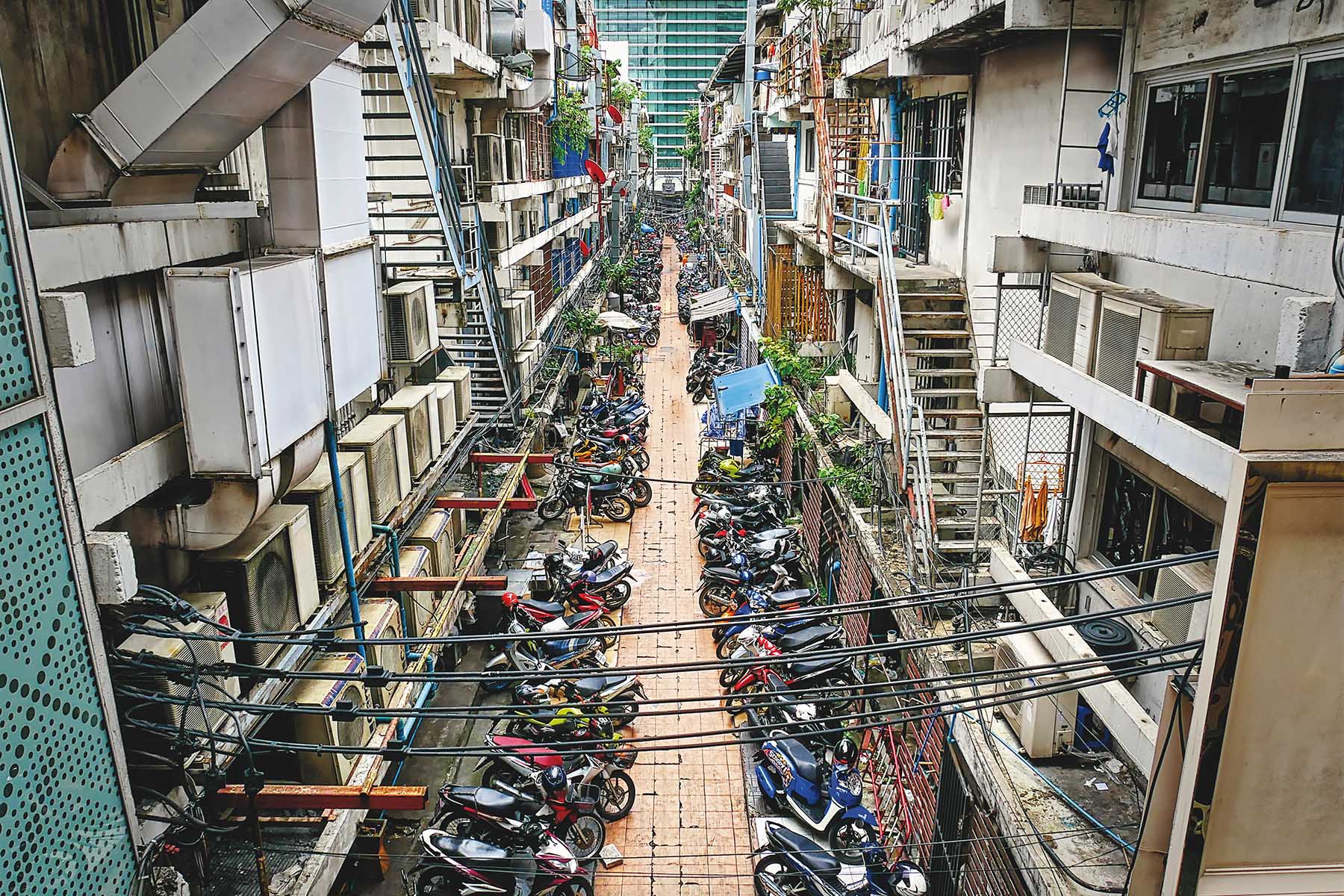
Pick the right visa and work route
Your visa should come before your lease. One thing worth knowing is that living in Thailand and being allowed to work there are not the same thing.
Common visa paths for Singaporeans
- Work route, usually a Non-Immigrant B visa plus work permit
- Family or spouse route, where eligible
- Study route for approved programs
- Retirement route for eligible applicants aged 50+
- Longer-stay routes such as LTR or DTV for eligible applicants
Use Thai visas: how to immigrate to Thailand in 2026 for the expat overview, then confirm the current category and documents with official Thai sources before you apply.
What changes if you plan to work or work remotely?
If you plan to work for a Thai employer, the normal route is a work visa plus a work permit. Work visas in Thailand explain the main paths, but you should still check current employer sponsorship steps before you assume the process will be quick.
Remote work is the grey area people underestimate. A short stay, a retirement route, and a longer-stay visa can carry very different expectations, so never assume that working online for a non-Thai client is automatically allowed.
Common mistakes:
- Choosing a visa after signing a lease
- Treating visa-exempt entry like a relocation route
- Assuming any remote income works on any visa

Editor in Thailand
Tarah Ren
Insider tip
Do not treat a short exploratory stay and a real move as the same thing, because housing, banking, and reporting requirements often become stricter once you settle.
Plan your money between Singapore and Thailand
This is where many Singapore-based movers lose more than they expect. The risk is not only the visible fee, but also the exchange-rate margin, bad timing on rent payments, and arriving with too little local liquidity.
What does it really cost to relocate and settle?
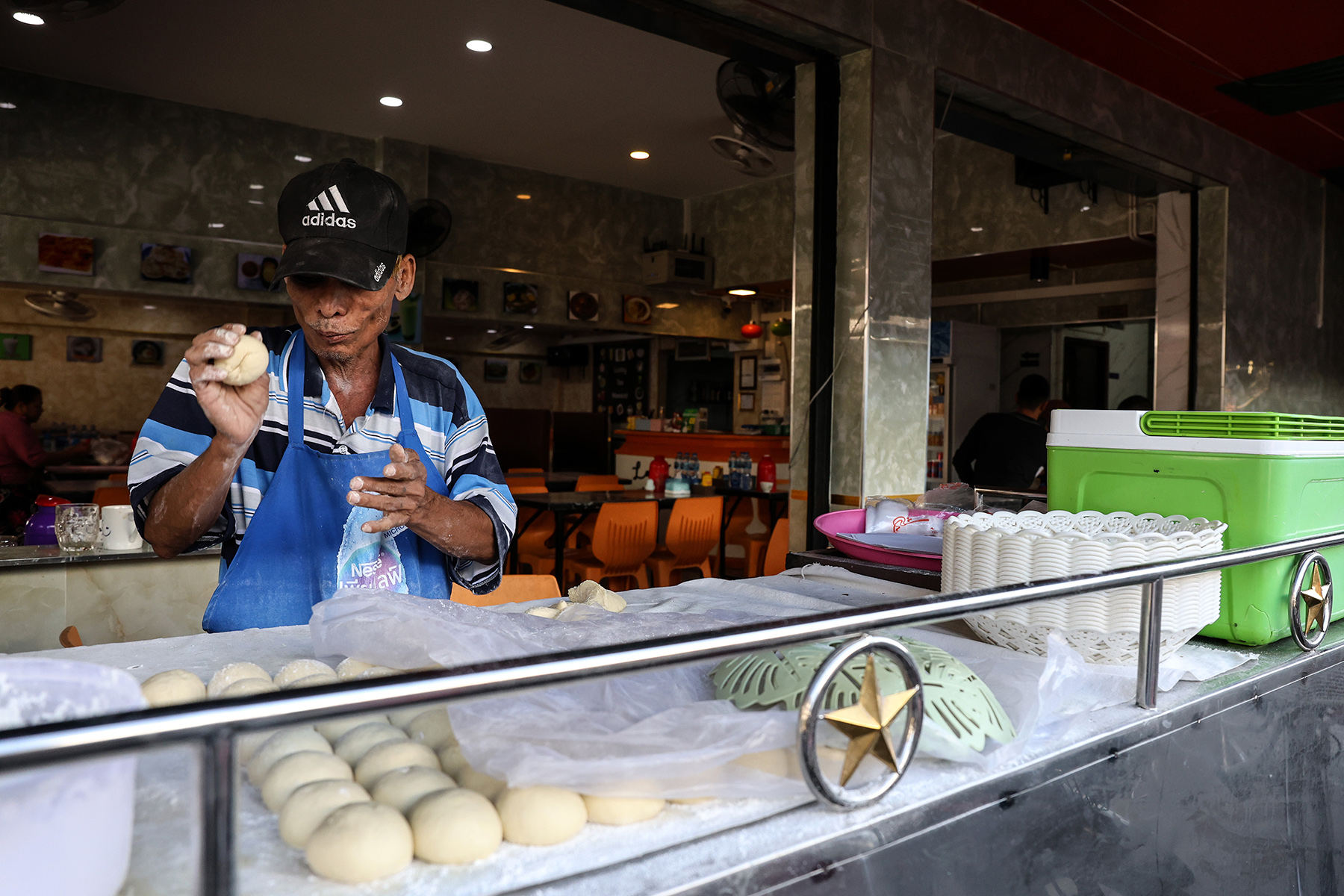
Instead of searching for a single, overall quote for your move, it is far easier to manage your budget by grouping expenses into phases. Your biggest initial cash outlays will happen before and immediately after landing, from visa paperwork and flights to lease deposits and local transport setups.
Structuring your relocation funds into specific cost buckets ensures you cover big setup costs comfortably while keeping a safety net intact. Our guide to the cost of living in Thailand in 2026 can help narrow down realistic numbers once you know your target city.
| Cost bucket | Typical examples | Why it matters |
|---|---|---|
| Pre-move admin | Visa fees, document checks, insurance | Paid before local income starts |
| Arrival costs | Flights, hotel, airport transfers | Easy to underestimate |
| Housing setup | Deposit, first rent, furnishings, utilities | Usually the biggest early cash call |
| Daily setup | SIM, transport, groceries, school items | Hits in the first two weeks |
| Buffer | Emergency fund in SGD and THB | Protects you from delays |
How can you move SGD to THB without losing on hidden FX markups?
When comparing international money transfer options to Thailand, look at the full financial picture: the exchange rate markup, visible fees, delivery speed, and transfer caps. Focusing only on headline fees can be misleading, as traditional banks often hide their profit inside inflated exchange rates.
Wise is a transparent alternative because it uses the mid-market exchange rate with upfront fees.
Just keep in mind that overall delivery times and fees still vary depending on your chosen payment method and transaction size.
| Provider type | Exchange-rate method | Visible fees | Speed | Best use case |
|---|---|---|---|---|
| Major local bank | Bank-set customer rate | Often clear upfront, margin may sit in rate | Varies | Familiar banking relationship |
| Card cash advance | Weak value | High | Fast but expensive | Emergency only |
| Money transfer provider | Rate and fee shown before send | Usually clearer | Varies by route | Deposits and planned transfers |
| Wise | Mid-market exchange rate | Shown before send | Varies by payment method | SGD to THB planning |
Check live SGD to THB costs on Wise Fees & Pricing before you move a rent deposit or emergency fund.
Find housing and set up your first month
Your initial weeks in Thailand should focus on maintaining flexibility while your landing plan transitions into a daily routine. Most newcomers benefit from staying in temporary accommodation first, securing a longer lease and a local bank account only after their visa status and neighborhood preferences are settled.

Renting norms, deposits, and short-term options
Starting with a serviced apartment, hotel, or short-term rental gives you time to evaluate commute times, noise levels, and building management in person rather than relying solely on listing photos.
It is also worth noting that the lowest headline rent does not always equal the cheapest move. Security deposits, utility setup fees, and missing furnishings can significantly alter your true first-month expenses.
Check before signing:
- Deposit size and refund terms
- Minimum lease length
- Utility charges and internet access
- Furnished or partly furnished status
- Distance to BTS, MRT, school, or office
Editor in Thailand
Tarah Ren
Insider tip
In Bangkok, living one or two BTS or MRT stops outside the core expat areas can lower rent a lot without making daily life much harder.
10 things to do in your first week in Thailand is a useful follow-on once you have your first address.
Opening a Thai bank account and handling QR payments
It may be possible to open a bank account in Thailand in 2026, but this is one of the most branch-sensitive parts of the move. Banks such as Bangkok Bank, Kasikornbank, and Siam Commercial Bank may ask for different combinations of visa proof, address evidence, and work documents, which can feel more variable than what DBS, UOB, or OCBC customers expect in Singapore.
Daily payments in Thailand often run on bank transfers and QR codes, so local setup matters. If your account is not ready yet, a Wise account can help you manage SGD and THB during the gap, but do not assume any bank will open an account until you confirm current branch requirements.

Ask the branch:
- Which visa types it accepts
- Which address documents it wants
- Whether TM30 or a rental contract is needed
- How QR payments and online banking are activated
Sort healthcare, tax, and admin basics
Getting your administrative foundation right is crucial when relocating, as small oversights in health cover or tax compliance can quickly turn expensive. Because immigration status, reporting steps, and healthcare rules vary by visa route, taking time to verify your exact requirements upfront saves significant hassle later.
Health insurance and medical access
Private cover is often an early priority for expats because access, reimbursement, and visa rules can differ by route.
- Compare inpatient cover, outpatient cover, exclusions, and hospital network
- Check when the policy starts
- Confirm whether your visa route requires minimum cover
- Use our guide below to compare public and private health insurance starting points

Tax, residence, and required registrations
- TM30: This is the accommodation notification filed when a foreigner stays at a property, usually by the landlord or hotel, and it should be handled quickly after arrival.
- 90-day reporting: Reporting rules can apply on longer stays, and timing depends on your visa history and travel pattern.
- Tax residence: If you spend more than 180 days in Thailand in a calendar year, Thai tax residence rules may apply. Check the Thai Revenue Department and get advice on your own income mix before acting.

Adjust to daily life in Thailand
The admin side matters, but so does how daily life feels once the move is real. Singaporeans often find the biggest change is pace, payment habits, and how much more local variation there is from one area to another.
Culture, language, transport, and local apps
- Bangkok commutes make most sense near BTS or MRT, while Phuket often needs a car or bike
- Basic Thai greetings help faster than you might think, even in expat areas
- Grab and Line are useful early downloads
- QR payments are common, but keep some cash for small vendors and transport
Common mistakes Singaporeans make when moving
- Picking a long-stay visa too late, avoid it by choosing your route before housing
- Signing a one-year lease after one weekend, avoid it by starting short term
- Assuming every bank branch wants the same documents, avoid it by calling ahead
- Moving large sums without comparing rate and fee together, avoid it by checking the total SGD to THB cost first
Manage your move between Singapore and Thailand with Wise
When relocating from Singapore to Thailand, managing finances across borders often means balancing initial Thai expenses, like rent deposits or setup costs. Meanwhile, your primary savings remain in Singapore. Wise simplifies this transition by letting you convert SGD to THB at live mid-market exchange rates with transparent, upfront fees.
You do not necessarily need a local Thai bank account right away, as funds can be sent directly to third-party accounts, such as a landlord or agent. However, keep in mind that individual transfer limits, fees, and processing speeds still vary depending on your chosen payment method and recipient bank caps.
Useful relocation moments include:
- Sending a condo deposit from SGD to THB
- Topping up first-month living money before local banking is ready
- Tracking the rate before moving a larger amount
Before you make any moves, run the numbers on Wise’s Singapore to Thailand transfer page to check transfer costs and features.
FAQ
Frequently asked questions about moving to Thailand from Singapore
Do Singaporeans need a visa to move to Thailand? 
Long-term relocation usually means you need the right visa route, even if short entry rules may be easier for some travellers. Always check the current official Thai visa guidance before you rely on entry rules.
Is Thailand cheaper than Singapore for expats?
Many everyday costs can be lower, which is why cost of living in Thailand vs Singapore is such a common research question. Your real budget still depends on city, rent standard, schooling, healthcare, and lifestyle.
Can Singaporeans open a bank account in Thailand?
It may be possible, but rules can vary by visa type, local address proof, and even the branch you visit. Confirm requirements with the bank before you assume you can open an account in your first week.
What is the best way to transfer money from Singapore to Thailand?
The best way to transfer money from Singapore to Thailand depends on the amount, speed you need, and how a provider prices the exchange. Compare visible fees, the exchange-rate method, delivery time, and limits, and include Wise if you want a mid-market benchmark.
Can you work remotely from Thailand after moving from Singapore?
Do not assume remote work is automatically allowed just because your employer is outside Thailand. Check whether your visa clearly allows the activity before you start working from Thailand.
Useful sources
Information correct 28th August 2026
- Thai E-Visa portal: Best place to check current visa categories, fees, and application steps.
- Thai Immigration Bureau: Useful for current entry, residence, TM30, and reporting rules.
- Royal Thai Embassy in Singapore: Route-specific visa guidance for applicants based in Singapore.
- Thai Ministry of Labour: Useful for official work permit and foreign worker updates.
- Thai Revenue Department: Best source for tax residence and personal income tax rules.
- Wise Fees & Pricing: Useful for checking current transfer costs before moving SGD to THB.


Did you find this guide helpful?