
'%20id='ico-down'%20stroke='%23000000'%20stroke-width='1.5'%3e%3cg%20transform='translate(1092.250000,%20254.750000)'%3e%3cpolyline%20id='Path-2-Copy-4'%20transform='translate(5.500000,%202.750000)%20scale(1,%20-1)%20rotate(-180.000000)%20translate(-5.500000,%20-2.750000)%20'%20points='0%200%205.5%205.5%2011%200'%3e%3c/polyline%3e%3c/g%3e%3c/g%3e%3c/g%3e%3c/svg%3e)


Move
Visas + Immigration
SMART Visa in Thailand: requirements, costs and how to apply
Thailand’s SMART Visa is designed for certain foreign entrepreneurs, professionals, executives, and investors working in government-designated industries.


Depending on the category, it can provide a renewable stay of up to two years, annual rather than 90-day immigration reporting, and permission to carry out approved work without a separate work permit.
In this guide, we’ll explain the current SMART Visa requirements, fees, benefits, and application process. We’ll also break down how this visa compares with Thailand’s Long-Term Resident (LTR) and Non-Immigrant B routes.
This article is for general information only, not legal, immigration, tax, or financial advice, so check live Board of Investment (BOI), Thai E-Visa, and Thai Immigration Bureau sources before you act.
International money transfer with Wise
Wise makes it easy to send money to Thailand — with transparent fees and the mid-market exchange rate. Send EUR, USD, or GBP and Wise will convert it to THB for delivery to a Thai bank account. You’ll see the exchange rate and total fee upfront, with no markups on the exchange rate. Set up your transfer in a few steps and track it end-to-end in the Wise app — built for international payments.

Key takeaways
- SMART S is the current route for eligible startup founders, while SMART O covers qualifying spouses and children.
- SMART S applicants need an established, certified startup in Thailand and must meet the ownership or director, deposit, and health insurance requirements.
- The visa is valid for up to two years and can be renewed. It also replaces 90-day reporting with annual reporting.
- Visa holders are allowed to work in their certified business without a separate work permit.
- The typical process is to apply for BOI endorsement first, then complete the visa process through Thai E-Visa or at TIESC in Bangkok.
- The processing fee is approximately ฿10,000 per year of visa permission.
What is Thailand’s SMART Visa?
Thailand’s SMART Visa is a long-stay visa for qualifying entrepreneurs in targeted industries such as digital technology, automation and robotics, and biotechnology.
One thing worth noting is that Thailand’s official websites do not currently describe the available categories consistently. This guide explains what the latest BOI application pages say so you can understand the requirements before spending time or money on an application.
What SMART Visa categories are currently available?
The BOI’s homepage currently lists two SMART Visa categories:
- SMART S: For qualifying entrepreneurs who have established a certified technology-based startup in Thailand
- SMART O: For the eligible spouse and children of a main SMART Visa holder
The BOI’s general overview continues to describe the wider program as serving experts, executives, entrepreneurs, and investors. So if you’re seeking to apply under a category other than SMART S or SMART O, it’s worth contacting the BOI SMART Visa Unit to confirm whether that route is accepting applications.
Which targeted industries count
The startup must operate in one of Thailand’s designated industries and be certified by a relevant government agency. These industries include digital technology, automation and robotics, agriculture and biotechnology, medical services, logistics, and environmental management.
Working in one of these fields does not automatically qualify your application. A relevant agency, such as Thailand’s National Innovation Agency or Digital Economy Promotion Agency, must also certify that the startup meets the program’s requirements.
Before applying, make sure to check the current list of targeted industries, as the categories and requirements may change.
Who can apply and what you need
The SMART S visa is available to foreign entrepreneurs who have already established a certified startup in one of Thailand’s targeted industries. Applicants must also meet the company ownership or director requirement, hold the required deposit for at least three months, and have health insurance covering their full stay.

Expatica editor
Cristen
Insider Tip
When preparing your application, keep printed and digital copies of your passport biodata page, endorsement letter, and financial evidence, as Thai visa and banking desks often still ask for paper copies.
SMART S eligibility, funds and health cover
To qualify for a SMART S visa, you must have already established a startup company in Thailand. A business idea or plan to launch after arriving is not enough.
According to the BOI’s current SMART S requirements, you must:
- Operate a startup certified by a relevant government agency as belonging to one of Thailand’s targeted industries
- Hold at least 25% of the company’s registered capital or serve as a company director
- Have at least ฿600,000, or the equivalent, in an account in Thailand or your country of nationality or residence
- Have held this deposit for at least three months before applying
- Have health insurance covering your full stay in Thailand
If family members accompany you, an additional deposit of at least ฿180,000 is required for each dependant. Your spouse and children must also have health insurance covering their full stay.
The BOI provides separate document checklists for SMART S and SMART O applicants. You may also want to review the steps for starting a business in Thailand before beginning the application.

SMART O for spouses and children
Eligible family members can apply for a SMART O visa.
According to the Thailand Investment and Expat Services Center (TIESC), this includes the SMART S holder’s legally married spouse and children under 20. Each dependant must be covered by health insurance, and the main applicant needs an additional deposit of at least ฿180,000 per family member, held for at least three months.
How to apply for a SMART Visa
The SMART Visa application has two stages. First, the BOI must confirm that you meet the qualification requirements. If endorsed, you can then apply for the visa through Thai E-Visa or at the immigration office in TIESC.
Here’s a quick look at what the process looks like:
Apply for qualification endorsement. Create an account on the BOI SMART Visa website and complete the SMART S application. Upload the requested supporting documents in PDF format.
Wait for the BOI’s decision. The BOI advises applicants to allow at least 30 working days after it receives a complete set of documents.
Check your endorsement letter. If approved, you will receive a qualification endorsement letter. It is valid for 60 days from its issue date, so check the deadline as soon as it arrives.
Choose where to complete the visa application. If you are outside Thailand, tell the SMART Visa Unit which Thai embassy or consulate you plan to use, then apply through the Thai E-Visa portal. If you are already in Thailand, book an appointment at the Thailand Investment and Expat Services Center (TIESC) in Bangkok.
Review the issued visa. Check the visa category, validity dates, and number of entries as soon as you receive it. After entering Thailand, check that the arrival stamp matches the details on your visa.
The BOI’s visa issuance guidance asks overseas applicants to notify the SMART Visa Unit of their chosen embassy or consulate at least one month before their planned flight. Embassies and consulates may also request additional documents.
Fees, timelines, and where to verify updates
The BOI charges approximately ฿10,000 for each year of visa permission. This means a visa lasting one year and four months, for example, would cost around ฿20,000.
If you apply through a Thai embassy or consulate overseas, the final amount may vary because of exchange rates and local fees. Remember that the visa fee is separate from the required deposit, health insurance, document preparation, and any professional help you decide to use.
Timing can also vary. Allow at least 30 working days for the BOI to review your endorsement application. If you are applying overseas, it usually takes another 7–14 working days for the SMART Visa Unit to forward your endorsement to the selected embassy or consulate. You will then need to allow time for the Thai E-Visa application itself.
Make sure to check the latest BOI visa issuance guidance and the requirements of your chosen embassy or consulate before paying the fee or booking your journey.
SMART Visa vs LTR visa vs non-immigrant B visa
The SMART Visa is one of several routes for foreigners who want to live and work in Thailand. The main difference is that SMART S is tied to an established, government-certified startup, while the LTR and Non-Immigrant B visas cover different professional and business circumstances.
To help you understand which route matches your circumstances, here’s a quick comparison.
| SMART Visa, LTR visa, and Non-Immigrant B visa compared | |||
| Visa | Who it is designed for | Key requirement | Work authorization |
| SMART S | Founders of qualifying technology-based startups in Thailand | An established startup certified in a targeted industry, plus the ownership or director, deposit, and insurance requirements | No separate work permit for work in the certified business |
| LTR | Qualifying professionals, remote employees, investors, and wealthy or retired applicants | Income, assets, investment, qualifications, or employer criteria, depending on the category | Depends on the LTR category and type of work |
| Non-Immigrant B | Foreign employees, company directors, and some business travelers | Supporting documents from a Thai employer or business | A separate work permit is generally required before starting work |
In short, the SMART S route is aimed at founders who have already set up a certified startup in Thailand, while the Long-Term Resident visa covers a broader range of applicants with different requirements.
If you’re moving to Thailand to work for a local employer, a Non-Immigrant B visa will probably be the best fit. Just know that this visa won’t give you permission to work on its own, and you’ll most likely need a separate work permit.
How to plan your banking, transfers, and baht payments
Once your visa is approved, you may need to transfer savings, pay a rental deposit, receive income, and cover your first few weeks of living costs in Thai baht.
A Thai bank account is not part of the SMART Visa application, but it can make everyday payments easier once you arrive. Many residents use local bank transfers, PromptPay, and Thai QR payments to pay rent, bills, shops, and other businesses.
Opening a Thai bank account and paying locally
A Thai bank account will make it much easier to receive a local salary, pay rent and bills, and use Thailand’s domestic payment services. However, the documents you need can vary by bank, account type, visa, and branch.
Before visiting a branch:
- Check the bank’s eligibility and document requirements for foreign residents
- Ask whether you need proof of your Thai address, visa status, employment, or tax residency
- Confirm whether the account can be registered for PromptPay
- Bring the original documents as well as any copies the branch requests
PromptPay allows users to link an eligible bank account or electronic wallet to details such as a mobile number or identification number. Participating banks set their own PromptPay registration requirements, so it’s worth checking what your bank needs before you try to register.
For a more in-depth look at the process, you may find our article on how to open a bank account in Thailand helpful. You can also compare the country’s main providers in our guide to banking in Thailand.
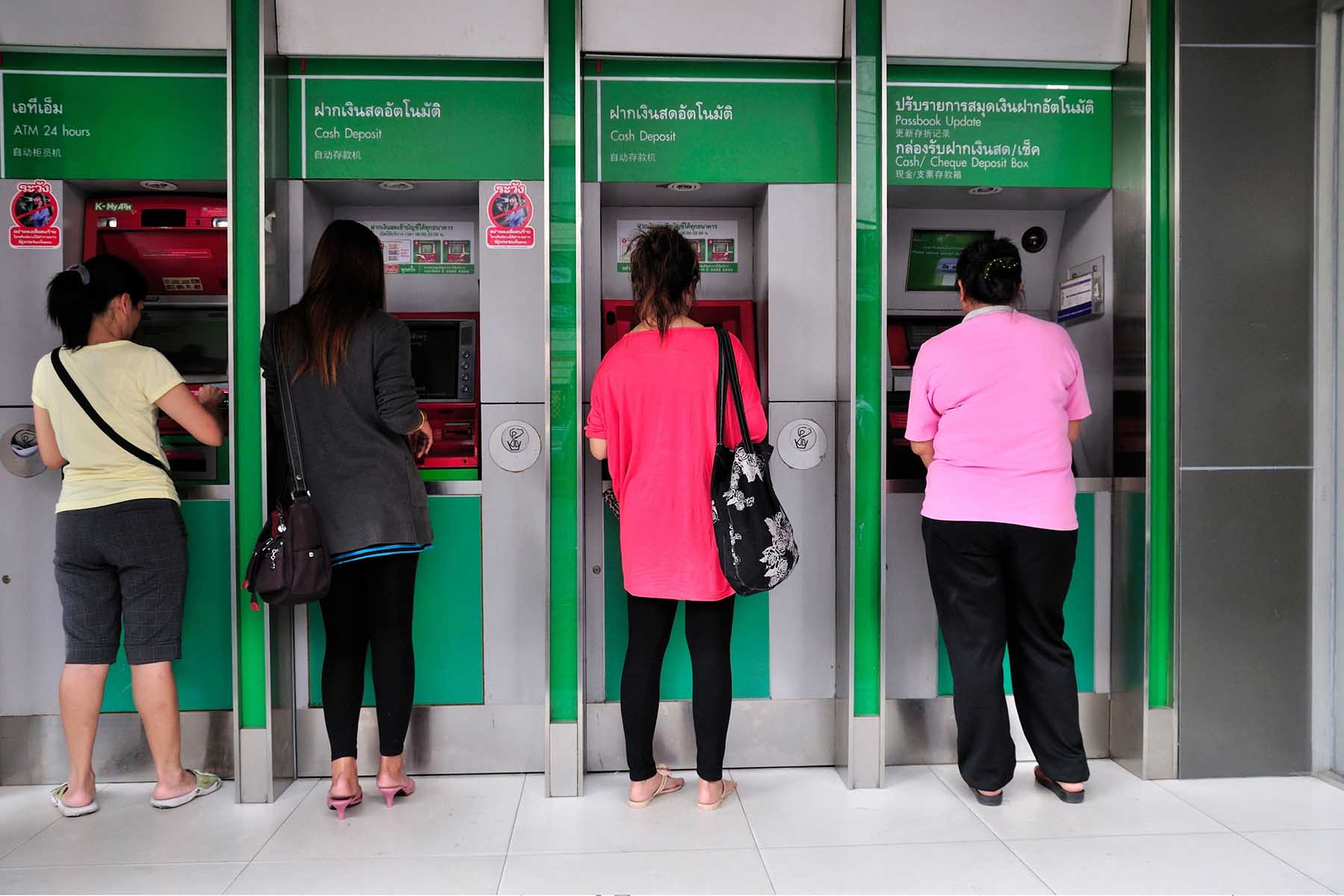
Where Wise transfer can help
Moving to Thailand often means converting savings or income into Thai baht, and platforms like Wise can help make that process feel easy and transparent.
For example, with Wise, you can check the mid-market exchange rate, fee, and estimated delivery time before confirming your transfer. This can make it much easier to compare the overall cost of your options, especially when moving money between currencies.
Wise isn’t a replacement for a Thai bank account, which you’ll still need for local payments and receiving a salary. However, it can be a useful way to move money into Thailand while you get settled.
Please note that Wise is separate from the SMART Visa process, and available features depend on where you live.
Check Wise’s current availability in Thailand or review other options in our guide on international money transfers in Thailand.
Getting your SMART Visa application right: 5 common mistakes to avoid
The SMART Visa has several stages, and it is easy to focus on the main requirements while missing a smaller but important detail. Watch out for these five mistakes as you prepare your application.
- Assuming every SMART Visa page is current: Official Thai websites don’t always present every SMART Visa category consistently, so contact the BOI if you’re not sure about your route.
- Treating the cost as a single figure: Budget separately for the visa fee, required deposit, health insurance, document preparation, and currency conversion.
- Assuming a job title or industry is enough: Operating in a targeted industry is not enough on its own. Your business must also receive certification from a relevant government agency.
- Booking flights too early: Check the 60-day validity of your endorsement letter and confirm where your visa will be issued before making travel plans.
- Overlooking transfer costs: Compare the exchange rate, markup, transfer fee, and local receiving arrangements before moving a large amount.
With the right category, documents, and deadlines confirmed, you’ll be well-prepared to begin the BOI endorsement process with confidence.
FAQ
Frequently asked questions about the SMART Visa in Thailand
Is the SMART Visa still available in Thailand? 
Yes, SMART Visa Thailand routes still appear on BOI and Thai E-Visa pages, but make sure to check the live category before assuming you can apply.
Do SMART Visa holders need a Thai work permit?
Not for approved work covered by the visa. SMART S holders can work in their certified business without a separate work permit, but they may need further endorsement if their role or employer changes.
How much money do you need for a SMART S visa?
Current BOI guidance says at least ฿600,000 held for three months. Remember, this is evidence of funds rather than a fee, so make sure to budget separately for the visa, health insurance, and other moving costs.
Can family members work in Thailand on a SMART O visa?
A spouse with a SMART O visa can work in an endorsed company without a separate work permit. Children can stay in Thailand for the same period as the main visa holder but generally do not receive permission to work.
What is the best way to send money to Thailand as a new resident?
There is no single option that works for everyone. Always compare the exchange rate, any markup, transfer fee, delivery time, and receiving limits based on the amount and currencies involved. Wise is one provider that sends money to supported Thai bank accounts and shows the rate and fee before you confirm.



Did you find this guide helpful?