'%20id='ico-down'%20stroke='%23000000'%20stroke-width='1.5'%3e%3cg%20transform='translate(1092.250000,%20254.750000)'%3e%3cpolyline%20id='Path-2-Copy-4'%20transform='translate(5.500000,%202.750000)%20scale(1,%20-1)%20rotate(-180.000000)%20translate(-5.500000,%20-2.750000)%20'%20points='0%200%205.5%205.5%2011%200'%3e%3c/polyline%3e%3c/g%3e%3c/g%3e%3c/g%3e%3c/svg%3e)



'%20fill='%23000000'%3e%3cg%20id='icons'%20transform='translate(56.000000,%20160.000000)'%3e%3cpath%20d='M144,7339%20L140,7339%20L140,7332.001%20C140,7330.081%20139.153,7329.01%20137.634,7329.01%20C135.981,7329.01%20135,7330.126%20135,7332.001%20L135,7339%20L131,7339%20L131,7326%20L135,7326%20L135,7327.462%20C135,7327.462%20136.255,7325.26%20139.083,7325.26%20C141.912,7325.26%20144,7326.986%20144,7330.558%20L144,7339%20L144,7339%20Z%20M126.442,7323.921%20C125.093,7323.921%20124,7322.819%20124,7321.46%20C124,7320.102%20125.093,7319%20126.442,7319%20C127.79,7319%20128.883,7320.102%20128.883,7321.46%20C128.884,7322.819%20127.79,7323.921%20126.442,7323.921%20L126.442,7323.921%20Z%20M124,7339%20L129,7339%20L129,7326%20L124,7326%20L124,7339%20Z'%20id='linkedin-[%23161]'%3e%3c/path%3e%3c/g%3e%3c/g%3e%3c/g%3e%3c/svg%3e)
'%20fill='%23000000'%3e%3cg%20id='icons'%20transform='translate(56.000000,%20160.000000)'%3e%3cpath%20d='M335.821282,7259%20L335.821282,7250%20L338.553693,7250%20L339,7246%20L335.821282,7246%20L335.821282,7244.052%20C335.821282,7243.022%20335.847593,7242%20337.286884,7242%20L338.744689,7242%20L338.744689,7239.14%20C338.744689,7239.097%20337.492497,7239%20336.225687,7239%20C333.580004,7239%20331.923407,7240.657%20331.923407,7243.7%20L331.923407,7246%20L329,7246%20L329,7250%20L331.923407,7250%20L331.923407,7259%20L335.821282,7259%20Z'%20id='facebook-[%23176]'%3e%3c/path%3e%3c/g%3e%3c/g%3e%3c/g%3e%3c/svg%3e)

Living in Germany makes weekend trips to Austria or France, ski holidays in Switzerland, and long-haul travel to the UK, US or Asia easier than ever. Paying abroad, however, can quietly become expensive.
Foreign transaction fees, exchange rate markups and ATM charges add up quickly. In this guide, we compare the most cost-effective ways to spend overseas in 2026, so you can choose the right setup for your travel style and avoid unnecessary fees.
Table of contents
Wise Card
For Belgian expats who travel often, the Wise multi-currency account simplifies spending by letting you hold and manage over 40 currencies. The Wise card uses the mid-market exchange rate and a transparent conversion fee starting from 0.47%, significantly reducing foreign transaction costs compared to many high-street banks. You can spend in over 150 countries, with up to €200 in free monthly ATM withdrawals, making it a flexible and cost-effective primary travel card.

Quick answer: what’s the best way to pay abroad?
- International debit card (e.g. multi-currency cards): Best for budget travellers and digital nomads. Offers competitive exchange rates, low foreign transaction fees and easy ATM access – ideal for regular cross-border trips from Germany to countries like Switzerland, the UK or the US.
- Credit card with no foreign transaction fees: Best for business travellers and frequent flyers. Provides purchase protection, travel insurance benefits and rewards, which can be useful for higher-value spending such as flights and hotels.
- Prepaid travel card: Best for families and group trips. Allows you to preload a set amount in advance, helping with budgeting and limiting overspending while travelling.
- Cash in local currency: Best for short stays or rural destinations. Useful in places where card acceptance is lower or for small purchases, though it is rarely the cheapest payment method.
Key takeaway: For most Germany-based travellers in 2026, a debit card with low foreign transaction fees and competitive exchange rates offers the best balance of cost, convenience and safety. Credit cards can complement it for larger purchases and added protection, while cash should play a supporting role rather than being your main payment method abroad.
Understanding your international payment options
When you’re planning to spend money abroad from Germany, choosing the right payment method can make a big difference in fees, convenience and security. Debit cards, prepaid cards, credit cards and cash all have their place, but their cost and usefulness vary depending on how and where you travel.
Best international debit cards
For many travellers based in Germany, an international-friendly debit card is the most practical way to pay abroad. These cards link directly to your account, are widely accepted worldwide, and can offer lower currency conversion costs than many bank debit cards.
Wise
Wise offers a multi-currency account that lets you hold and convert money before you travel. When you pay in Swiss francs, British pounds or US dollars, the card first uses your existing balance in that currency. If you do not hold the currency, Wise automatically converts from your available balance at the mid-market exchange rate with a transparent fee starting from 0.47%.

The Wise debit card works in 150+ countries and supports contactless payments, Apple Pay and Google Pay. For Germany-based expats who regularly cross borders, such as weekend trips to Austria, Poland or France, or longer travel outside the Eurozone, automatic currency conversion combined with transparent pricing can reduce overall foreign transaction costs compared to many high-street bank cards.

Revolut
Hold and exchange 30+ currencies in the Revolut app before travelling. Card spending abroad uses Revolut’s own exchange rate. On Standard and Plus plans, exchanges are fee-free up to a monthly allowance. Above that, a 0.5% fair usage fee applies. Currency exchanges made at the weekend also include a markup of up to 1%.
ATM withdrawals are free up to five withdrawals or €200 per rolling month, whichever comes first. After that, a 2% fee applies, with a minimum charge of €1 per withdrawal. For shorter trips or moderate spending within plan limits, Revolut can be competitive, but higher volumes or frequent weekend exchanges can increase overall costs.
| Provider | Spending fees abroad | ATM withdrawal fees abroad | Features |
|---|---|---|---|
| Wise | From 0.47% currency conversion using the mid-market rate | 2 free withdrawals up to €200 per month*, small fee after | Multi-currency account, hold 40+ currencies, spend in 150+ countries, real exchange rate, app controls |
| Revolut (Standard) | No weekday FX fee within monthly allowance; 0.5% fair usage fee above limit; up to 1% weekend markup | Up to 5 withdrawals or €200 per rolling month free; then 2% or €1 minimum per withdrawal | Multi-currency app, budgeting tools, virtual cards |
*Wise will not charge you for these withdrawals, but some additional charges may occur from independent ATM networks
For travellers spending in Swiss francs, pounds or US dollars, exchange rate structures are important. Revolut can be competitive within plan limits, but weekend markups and fair usage thresholds affect total cost. Wise uses the mid-market rate with a transparent fee from 0.47%, and automatic conversion if no balance is held, which can make costs easier to predict.

Pros and cons of using debit cards abroad
| Pros | Cons |
|---|---|
| Lower fees than most credit cards Widely accepted worldwide wherever Visa or Mastercard are supported Direct access to your own funds without taking on credit Instant app notifications and spending controls Easier budgeting for everyday travel expenses | ATM withdrawal limits may apply before fees are charged Some providers add weekend or post-limit FX markups Limited purchase protection compared to credit cards Requires a sufficient account balance at the time of payment |
How to apply for a Wise Card
Ordering a Wise card is straightforward if you live in an eligible country such as Germany. Here’s how it works:
- Open a Wise account: Sign up online or through the Wise app. You’ll need to verify your identity with a valid ID document and confirm your German residential address. Verification can take a few days depending on checks.
- Open your first currency balance: Once your account is approved, open a balance in euros or another currency. You can add and hold 40+ currencies in the same account.
- Order your physical Wise card: Go to the “Cards” tab in the app or website and select “Order card.” A small one-time card fee may apply. Wise will confirm your delivery details before issuing the card.
- Choose delivery option: Standard delivery in the EEA typically takes up to 14 working days, with expedited tracked delivery available for an additional fee.
- Activate your card: When it arrives, activate it by completing a chip-and-PIN transaction. After activation, the card can be used worldwide wherever Mastercard is accepted.
Optional: Get a Wise digital card
You can also create a digital card in the Wise app:
- Open the Cards tab
- Select “Get a digital card”
- Start using it immediately for online payments or add it to Apple Pay or Google Pay
Digital cards are useful for secure online spending and travel bookings. You can create multiple digital cards and freeze and replace them easily if needed.
Best prepaid travel cards
Prepaid travel cards must be topped up in advance and only allow spending within the loaded balance. In Germany, these are typically structured as prepaid credit cards and are often used by newcomers without a Schufa history or by travellers who prefer strict budgeting control.
Many prepaid cards charge foreign transaction fees of 1.5% to 3% on non-euro purchases and may apply ATM withdrawal charges abroad, making fee comparison essential before using one as your main travel payment method.
PayCenter SupremaCard Mastercard
The PayCenter SupremaCard is a prepaid Mastercard that works worldwide at over 36 million acceptance points. It does not require a Schufa credit check and can be loaded with up to €10,000. An optional account function provides your own IBAN.
For international travel, its key advantage is that it doesn’t charge a foreign transaction fee on card purchases and currency conversion is based on Mastercard’s exchange rate from the previous day. This makes it one of the few German prepaid options without an additional foreign transaction surcharge on payments.
However, the card carries a €79 annual fee and charges €5 per ATM withdrawal worldwide. Monthly ATM withdrawal limits also apply, and for travellers who frequently withdraw cash, these fixed fees can add up.
The card supports Apple Pay and Google Pay, allows you to choose your PIN, and includes GeoControl functionality, enabling you to block or activate specific countries for added security while travelling.
| Provider | Spending fees abroad | ATM withdrawal fees abroad | Features |
|---|---|---|---|
| PayCenter SupremaCard | No foreign transaction fee on purchases | €5 per withdrawal worldwide | No Schufa check, optional IBAN, €10,000 max load, Apple Pay & Google Pay, GeoControl security |
Prepaid credit cards can be useful for newcomers to Germany, for budgeting purposes, or as a secondary travel card. They remove the risk of debt and do not require a Schufa check.
That said, many prepaid cards in Germany include foreign transaction fees and ATM charges that reduce their cost-efficiency for regular international travel. Even when FX fees are avoided, annual fees and fixed withdrawal charges should be factored into the overall cost.
Pros and cons of using prepaid travel cards abroad
| Pros | Cons |
|---|---|
| No Schufa credit check required No risk of debt or overdraft Spending limited to the preloaded balance Useful for budgeting and controlled travel spending Accessible to newcomers and students | Annual or monthly fees may apply ATM withdrawal charges can be high Limited acceptance for hotel deposits and car rentals Foreign transaction fees often apply (depending on the provider) No travel insurance or reward programmes |
Best credit cards for international travel
Credit cards can be a convenient option for international travel if you qualify for one. In Germany, most credit cards require a Schufa credit check and a stable income. Approval depends on your credit history and financial profile.
Unlike prepaid cards, credit cards can also offer purchase protection and travel insurance, and are often best suited for flights, hotels and higher-value purchases rather than everyday small spending.
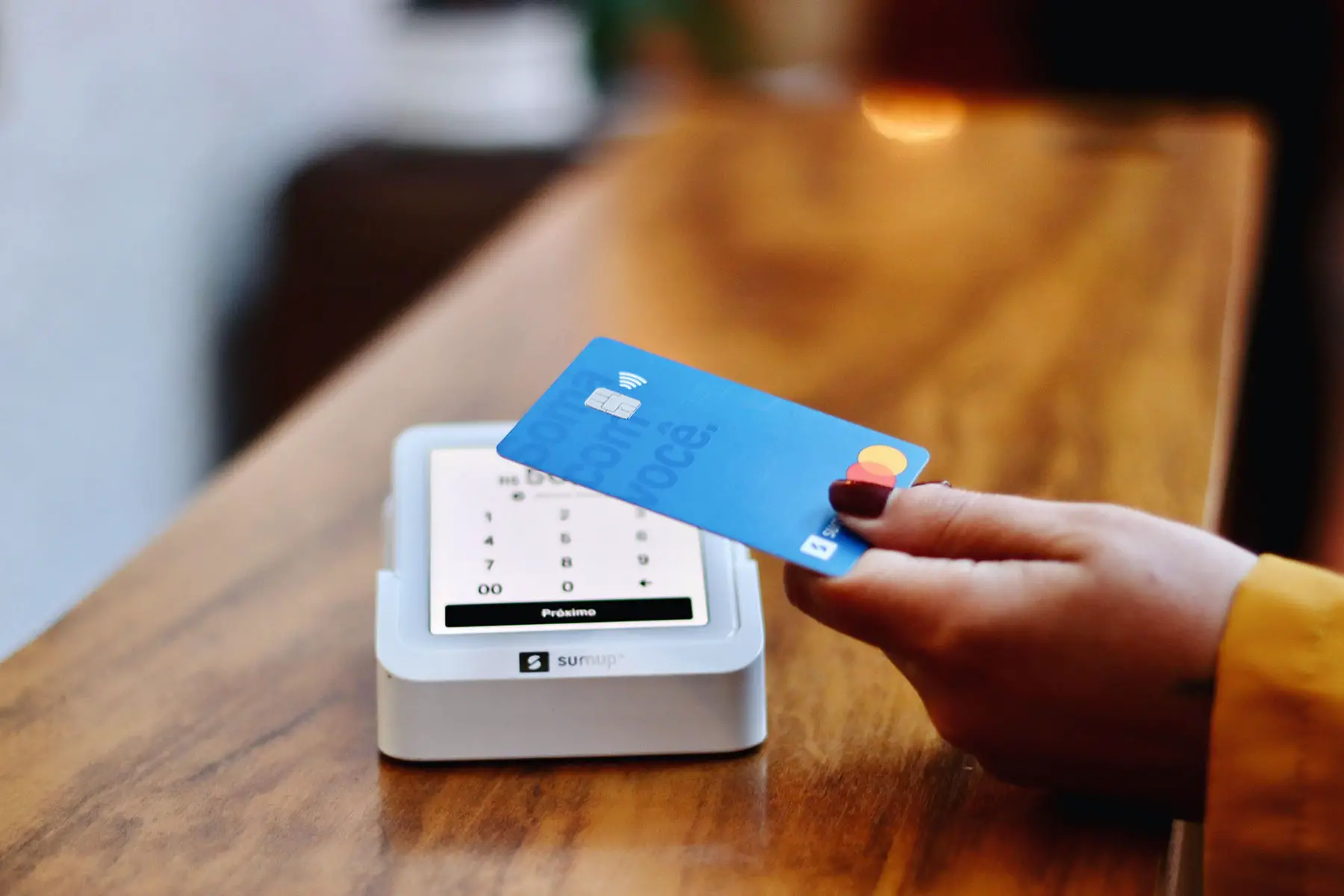
easybank Kreditkarte
The easybank Kreditkarte is a revolving Visa credit card with no annual fee under standard conditions. It allows free payments worldwide, including in foreign currencies, and free ATM withdrawals globally from the issuer side.
There is no foreign transaction fee when paying in non-euro currencies. When withdrawing cash abroad, easybank does not charge a withdrawal or foreign currency fee, though some ATM operators may add their own local surcharge.
As a revolving credit card, balances can be repaid in full within an interest-free period of up to 59 days. If you choose partial repayment, variable interest applies, currently around 19.14% the borrowing rate. The card requires a German current account and successful credit assessment.
Hanseatic Bank GenialCard
The GenialCard is a Visa credit card with no annual fee and no foreign currency fee on international purchases. You can withdraw cash abroad without issuer fees, although ATM operators may apply their own surcharge.
Within Germany, ATM withdrawals cost €3.95 per transaction. The card offers flexible repayment, with a minimum monthly installment of 3% of the balance (at least €20). The borrowing rate for partial payments is currently 16.05% p.a. with a 17.29% effective annual rate.
Eligibility requires residence in Germany, regular income and credit approval.
| Provider | Spending fees abroad | ATM withdrawal fees abroad | Features |
| easybank Kreditkarte | No foreign transaction fee | Free worldwide withdrawals (ATM operator fees may apply) | €0 annual fee, Visa worldwide acceptance, up to 59 days interest-free, flexible repayment |
| Hanseatic Bank GenialCard | No foreign currency fee | Free worldwide withdrawals (ATM operator fees may apply); €3.95 per withdrawal in Germany | €0 annual fee, Visa acceptance in 130+ million locations, flexible installment repayment |
For Germany-based travellers who qualify, both easybank Kreditkarte and Hanseatic Bank GenialCard offer fee-free international payments and issuer-free cash withdrawals abroad. That makes them competitive for travel spending, particularly for hotel bookings, flight tickets and rental deposits.
However, these are revolving credit cards. Interest applies if balances are not repaid in full. For everyday travel expenses, many travellers combine a no-FX credit card for bookings with a low-cost debit card for routine spending and ATM use to keep costs as low as possible.
Pros and cons of using credit cards abroad
| Pros | Cons |
| No foreign transaction fees on selected travel cards Free issuer-side ATM withdrawals abroad (depending on the card) Accepted for hotel and car rental deposits Purchase protection and travel insurance Interest-free period if paid in full | Requires Schufa check and income verification Interest applies if not repaid in full Cash withdrawals typically accrue interest immediately (depending on the card) Risk of overspending High annual fees for premium reward cards |
Cash: when and how much to carry
Cash still has a role when travelling abroad from Germany, but it is rarely the cheapest primary payment method. Small shops, taxis, street markets or rural areas may prefer cash, particularly outside major cities.
In parts of Southern Europe or destinations such as Turkey or Thailand, cash remains common for everyday purchases. Even within Europe, some smaller establishments may set minimum card amounts.

When exchanging currency, avoid airport exchange bureaus where possible. They often advertise “zero commission” but build their profit into poor exchange rates. Instead, withdrawing local currency from an ATM in your destination usually offers a more competitive rate. Always choose to be charged in the local currency rather than euros to avoid dynamic currency conversion markups.
As a general rule, carry enough cash for your first day or two plus a small emergency buffer. Avoid carrying large sums and split cash between your wallet and a secure location, and use hotel safes where available.
Pros and cons of using cash abroad
| Pros | Cons |
| Universally accepted, including small or rural merchants No risk of card network outages Useful for tips, taxis and small purchases Helps control spending in fixed amounts | No purchase protection or chargeback rights Exchange rates at bureaux can be poor Risk of loss or theft Large amounts can be inconvenient or unsafe to carry |
How Wise makes international spending easier
For many expats living in Germany, international spending is routine. Weekend trips to Switzerland, city breaks in the UK, or travel to the US and Asia all involve paying in different currencies, where exchange rate structure makes a noticeable difference.

Wise lets German customers hold and manage 40+ currencies in a single account, using the mid-market exchange rate with a transparent conversion fee from 0.47%. When you pay abroad, the card automatically deducts from your balance in the local currency. If you do not hold that currency, Wise converts the amount instantly from your available balance at the applicable rate.
Unlike many bank cards that apply foreign transaction markups of around 2% or more, Wise uses the mid-market rate and shows the exact fee before you confirm the exchange.
Why the Wise card works well for travellers
- Spend in 150+ countries with one debit card
- Hold and convert 40+ currencies in a single multi-currency account
- Currency conversion from 0.47% using the mid-market rate
- Up to €200 per month in ATM withdrawals are free* (2 withdrawals), then €0.50 + 1.75%
- Automatic currency conversion if you do not hold the local currency
- Apple Pay and Google Pay support
Because there is no monthly maintenance fee and no separate foreign transaction surcharge, Wise can work well as a primary travel card or alongside a credit card for bookings and deposits.
*Wise will not charge you for these withdrawals, but some additional charges may occur from independent ATM networks
Common mistakes to avoid when spending money abroad
- Dynamic currency conversion trap: When paying by card or withdrawing cash, you may be asked whether you want to be charged in euros instead of the local currency. Choosing euros often means accepting a worse exchange rate set by the merchant or ATM provider. Always select the local currency to avoid hidden markups.
- Airport exchange bureau pitfall: Airport currency exchange desks frequently advertise “zero commission” but build their profit into poor exchange rates. Exchanging large amounts on arrival can be significantly more expensive than withdrawing cash from a local ATM or using a low-FX card.
- Overreliance on a single payment method: Travelling with only one card increases the risk of disruption if it is blocked, lost, or declined. Carry at least two payment methods, such as a debit card and a credit card, plus a small amount of cash.
- Not understanding foreign transaction fees: Many bank cards charge 1.5% to 3% on non-euro payments. Over the course of a trip, these small percentages can add up, so always check the fees before you start spending.
- Ignoring daily spending or withdrawal limits: Cards often have daily ATM or payment limits. Large hotel bills or car rental deposits can exceed your daily limit, causing unexpected declines. Review and adjust limits in your banking app before departure.
- Forgetting to notify banks of travel plans: Some banks still flag unusual foreign transactions as potential fraud. Informing your bank of travel dates in advance can reduce the risk of your card being blocked mid-trip.
Conclusion
For Germany-based travellers, the best way to spend abroad depends on your destination and travel style. Debit cards with low conversion fees tend to work well for everyday spending, while credit cards are useful for hotel bookings, car rentals and larger purchases where deposits or insurance protection matter. Cash still has a place for small merchants or rural areas, but it is rarely the cheapest main option.
Frequent cross-border travel, such as between Germany and Switzerland, the UK or the US, makes exchange rate structure more important. Budget travellers and digital nomads usually care most about keeping FX fees low and having flexible ATM access. Families heading off on shorter trips often feel more comfortable carrying both a debit and credit card for flexibility and security. Business travellers, meanwhile, tend to pair a no-foreign-fee credit card for deposits and larger payments with a low-cost debit card for everyday spending.
For many expats in Germany, a Wise account offers a transparent and flexible alternative. You can hold 40+ currencies in one place, convert from 0.47% using the mid-market exchange rate, spend in 150+ countries, and withdraw up to €200 per month with two free ATM withdrawals* before low fees apply. With upfront pricing and automatic conversion when needed, it helps reduce hidden markups and gives you clearer control over international spending.
*Wise will not charge you for these withdrawals, but some additional charges may occur from independent ATM networks
Useful resources
- Federal Reserve System – International payments dataResearch and reports on cross-border payments, card usage trends, and global transaction volumes.
- World Tourism Organization (UN Tourism)Global travel statistics, outbound tourism trends, and international visitor data.
- BundesbankInsights into payment behaviour in Germany, card usage, and cash trends.
- U.S. Department of State – Travel advisoriesOfficial travel guidance, safety information, and country-specific alerts.
- European Consumer Centres Network (ECC-Net)Cross-border consumer protection advice within the EU, including payment disputes and chargeback rights.