While your first BTS ride is usually easy, the confusion starts when you need to change to the MRT (Metropolitan Rapid Transit system), compare ticket types, or work out whether a Rabbit Card is really worth buying.
This guide shows you how to use the Bangkok Mass Transit System (BTS) Skytrain, choose the right ticket, understand fares, and decide whether a Rabbit Card fits your routine. We’ll take a closer look at tickets, Rabbit Card use, and the interchanges that catch newcomers out.
Manage your money while settling in Bangkok
Getting around is only one part of settling in. A Wise account can help you handle everyday spending and currencies as you build your routine in Thailand.
- Hold and convert 40+ currencies, including GBP, EUR and USD
- Convert to Thai baht at the mid-market exchange rate with clear fees shown upfront
- Spend by Wise Card in Thailand's malls, supermarkets and online
- With a Thai registered address, pay by PromptPay QR and Thai QR

Key takeaways
- Use the BTS when you want a fast, repeatable route across central Bangkok and do not want to rely on road traffic.
- Single-journey fares start at THB 17 and go up to THB 47, while a Rabbit Card usually helps most if you expect regular BTS trips and want quicker, simpler repeat travel.
- The BTS and MRT may connect on foot, but they still use separate station names and ticket logic.
- A one-day pass makes more sense for several BTS rides in one day than for a normal commute.
- Machine payment options differ, so keep a backup method instead of relying on QR.
What the BTS Skytrain is and when to use it
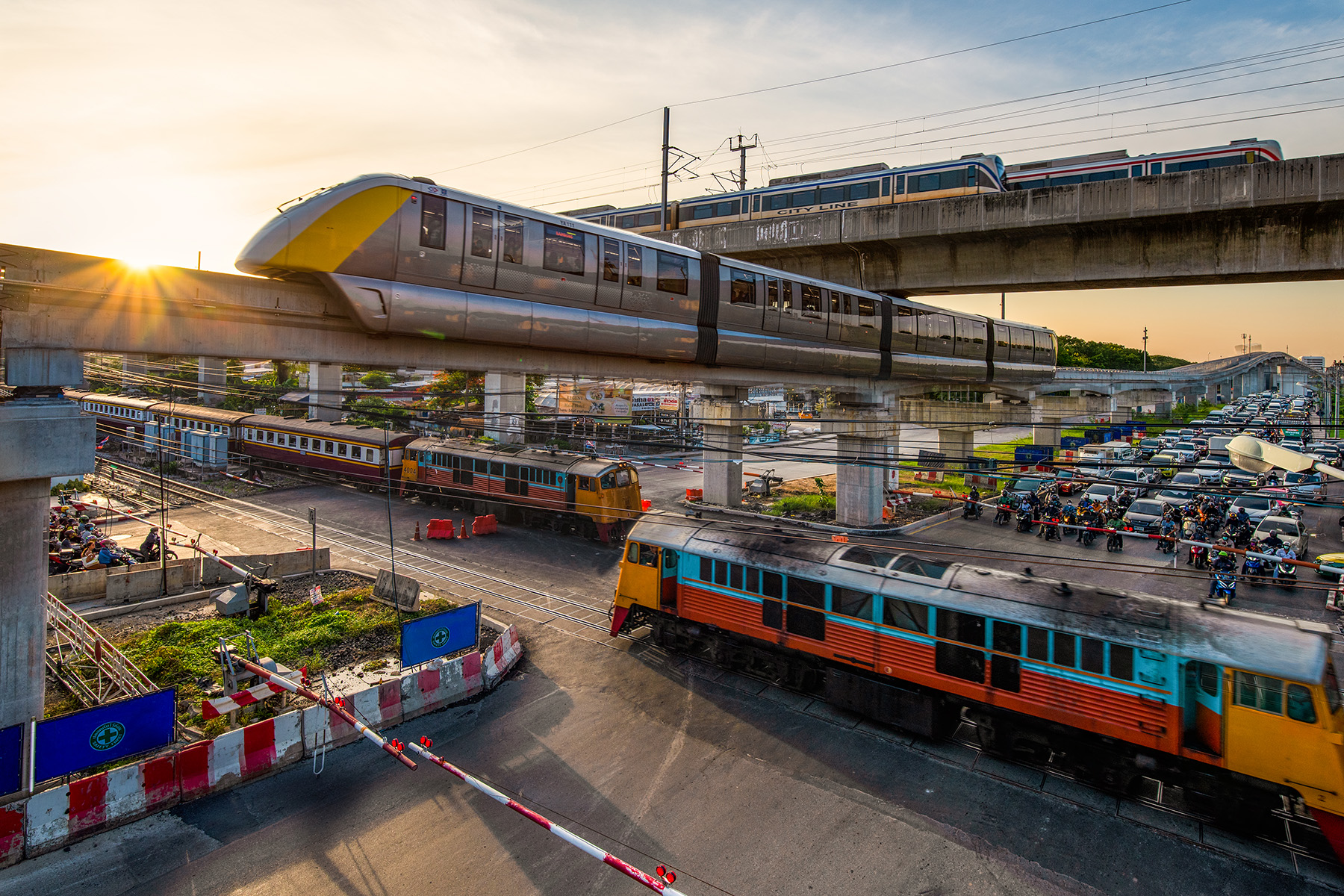
More commonly called the BTS, the Bangkok Mass Transit System Skytrain is Bangkok’s elevated urban rail network. For new arrivals, it is strongest across the central areas where many expats live, work, shop, and change lines, especially along the Sukhumvit Line and Silom Line.
It works well for commuting between Siam, Asok, and Phrom Phong, reaching Mo Chit for the Chatuchak area, or getting to Saphan Taksin for river boats.
If you need a predictable journey more than a door-to-door one, the BTS is usually a better first choice than a taxi in heavy traffic or a bus route you do not know yet.

How BTS tickets work
Most newcomers only need to compare three options: a Single Journey Card, a one-day pass, or a Rabbit Card. The right choice depends on how often you will ride.
- Single Journey Card: best when you are trying the BTS or only making one or two separate trips.
- One-day pass: best when you expect heavy BTS use on the same day.
- Rabbit Card: best when you want stored value for repeat BTS travel.
One practical detail is that official BTS ticket pages allow 300 minutes inside the paid area before an overstay penalty applies. If a gate rejects your ticket or you stay too long, go straight to the ticket office instead of trying another gate.
Single-journey tickets
BTS pages for a Single Journey Card list the fare range at THB 17 to THB 47 as of November 2026, and the ticket is valid only on the day you buy it.
It suits first-time riders and occasional users. Buy it from a station machine, tap in, and tap again at exit, where the system keeps the card. Machine payment options vary, so carrying small cash or a backup method still helps in case your preferred payment route is rejected.
When a one-day pass makes sense
A one-day pass suits days when you know you will stay mostly on the BTS and make several journeys. BTS lists the one-day pass at THB 150 as of November 2026, valid for unlimited rides on the date of issue or registration only, and only on the Green Line.
It can work well for errands or flat hunting. It is not automatically the best value for a normal commute, so compare your likely number of trips before buying.
How the Rabbit Card works
The Rabbit Card is a stored-value card for more convenient repeat travel on the BTS. It saves time at the gate so its real value is quicker entry and less day-to-day ticket buying, not guaranteed savings on every journey.
The Rabbit Card can make the BTS feel simpler, but it may not work across all Bangkok rail systems, including the MRT. Only some MRT lines are supported so check the details based around your planned journeys.
Fares come off the stored value using the published fare table when you travel using your card.
Where to buy and top up a Rabbit Card
You can usually buy and top up a Rabbit Card at BTS ticket offices. At the time of writing in November 2026, the official BTS page lists a THB 120 card issuing fee, no card deposit, and stored-value top-ups from THB 100 to THB 4,000. Card rules can vary by type, and some setups or registrations may require ID.

Writer
Claire
Insider tip
Start with a modest top-up and add more later. Newcomers often load too much value before they understand their real routine.
When a Rabbit Card is worth it for expats
- Occasional rider: stay with single tickets if you only expect irregular BTS use.
- Frequent commuter: get a Rabbit Card if you want quicker, simpler repeat travel through the gates.
- Mixed BTS/MRT user: think twice, because heavy non-BTS travel reduces its value.
How to ride the BTS step by step
- Check the line, direction, and whether you need the Sukhumvit Line or Silom Line.
- Buy a ticket or prepare your Rabbit Card before the gate.
- Follow the platform sign that shows the terminal station.
- Watch station names closely as you ride.
- Exit through the gate and follow the correct exit number.
Queue neatly, stand behind the yellow line, and let passengers get off first. Eating and drinking are not allowed in BTS stations or on trains.
Entering, changing lines, and leaving the station
At the gate, tap your card or ticket cleanly and keep walking once the barrier opens. If you change lines at Siam, remember to follow the signs carefully and allow extra time, because the station feels much larger when it is busy.
A common mistake is choosing the right line in the wrong direction, so check the terminal station first. Another is taking the first exit you see, even though the correct exit may save a long walk in the heat.
BTS vs MRT and the connections newcomers mix up
The BTS and the MRT are separate rail systems. The BTS is the elevated network many newcomers use first, while the MRT is a separate system serving different routes and transfer points.
This can be confusing because even where there are connected BTS/MRT stations, they can have different names, ticket rules, and payment logic.
Useful connections for newcomers include:
- Siam: the main BTS interchange between the Sukhumvit Line and Silom Line.
- Asok and Sukhumvit: a key BTS to MRT transfer area for work and central errands.
- Sala Daeng and Silom: useful if your route crosses Silom’s business area and the Blue Line.
- Mo Chit and Chatuchak Park: handy for the market area and north-side travel.
Writer
Claire
Insider tip
Asok BTS and Sukhumvit MRT are actually the same transfer area, but the names differ. Many new arrivals think they are in the wrong place the first time they change there.
Common interchange examples
- Asok BTS / Sukhumvit MRT: important for central commutes, but the different names confuse first-time riders.
- Sala Daeng BTS / Silom MRT: useful if you move between Silom and the Blue Line.
- Mo Chit BTS / Chatuchak Park MRT: good for market trips, but do not expect matching station names.
- Phaya Thai BTS / Airport Rail Link: a practical connection point for some airport journeys, but confirm the current route before travel.
Everyday expat route tips and practical caveats
Peak-hour BTS travel is efficient, but it is rarely comfortable. If you are carrying luggage or travelling just after office hours, build in more time than the map suggests.
That said, being close to the BTS can be a huge perk for expats arriving in Bangkok. Living a short walk from Phrom Phong, Asok, Ari, or another useful station can change your daily routine far more than saving a little on rent somewhere with harder connections, making this something to factor into that flat hunting visit.
To manage confusing new journeys as efficiently as possible, keep a route app or a screenshot of the Bangkok BTS map on your phone during the first week. That matters most at large interchanges, where station names, mall connections, and street exits do not always line up the way you expect.
A quick checklist before you leave home:
- Check the line, direction, and interchange.
- Save the correct station exit.
- Avoid large luggage in the busiest peak periods if you can.
- Check the last useful train for your full route.
- Carry cash or another backup payment option.
If you are still settling in, Expatica’s 10 things to do in your first week in Thailand is a helpful checklist alongside your transport setup.
Payment methods, QR codes, and backup options
For newcomers, cash and normal ticket-office options are still the safest assumptions. Some stations or machines may also support other methods, including QR, but you should verify what is available in front of you.
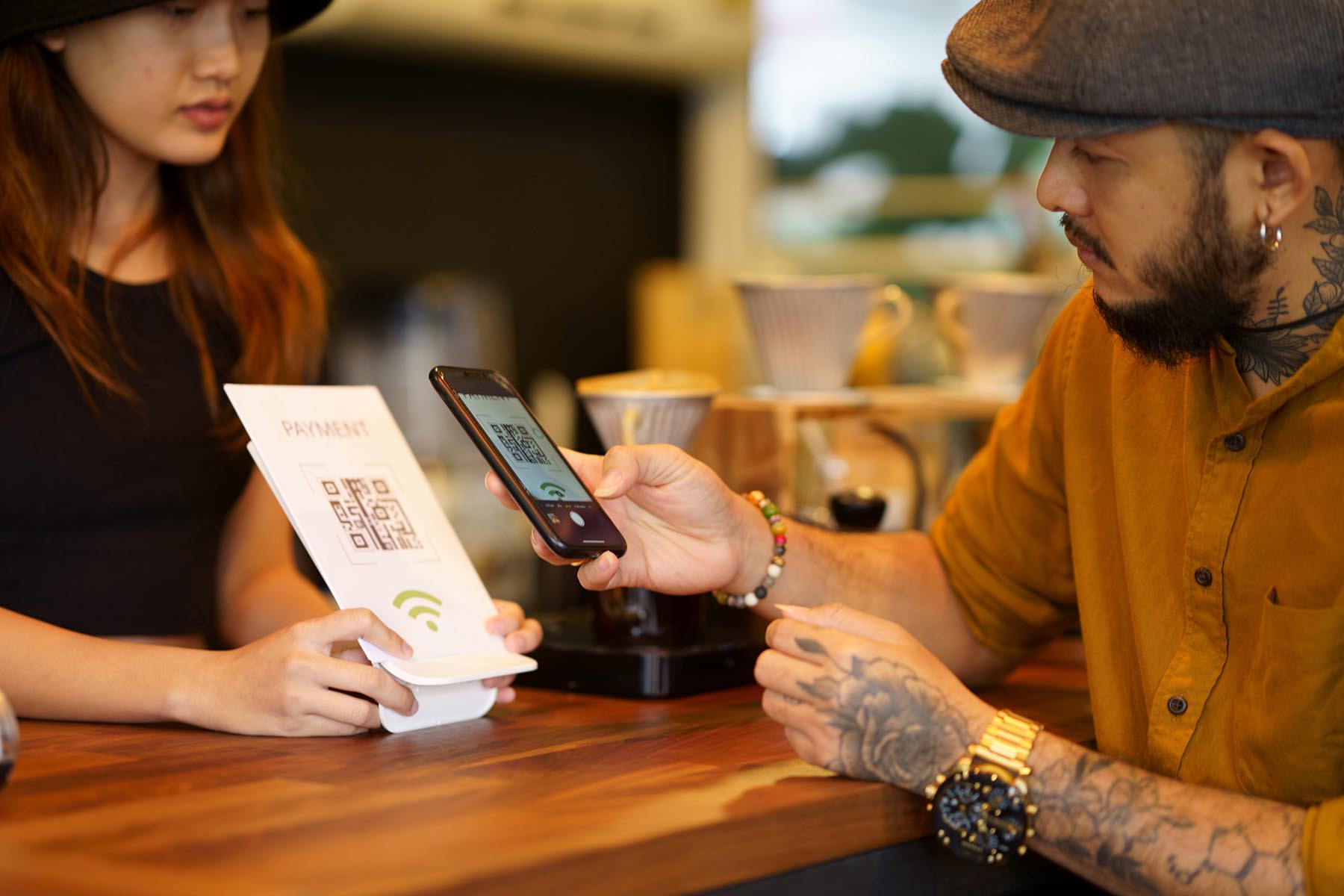
Where BTS ticket machines accept QR payment, eligible Thailand Wise customers may be able to use QR payment options where supported. Availability varies by machine, so keep cash or another payment method ready. If you are still sorting out local payments, Expatica’s guide to opening a Thai bank account can help.
FAQ
Frequently asked questions about using the Bangkok BTS and Rabbit Card
Is the Rabbit Card worth it if I live in Bangkok? 
Usually, yes if you expect regular BTS use and want quicker repeat entry. It is mainly about convenience, so it is less useful if you only ride occasionally or if most of your week depends on non-BTS lines.
Can I use the Rabbit Card on the MRT?
You can’t use a Rabbit Card across the MRT as a blanket rule – only some specific journeys are offered using this payment method. Check the current official guidance for your exact route before you rely on one card.
Can I pay for BTS tickets with a bank card or QR code?
Sometimes, but not everywhere. Payment methods vary by station and machine, and QR support is not universal, so check the options in front of you.
What time does the BTS start and stop in Bangkok?
Services generally start early in the morning and run until around midnight, with first and last train times varying by line, station, and direction. Check the official BTS timetable before a late journey.
How do I get from the BTS to Suvarnabhumi or Don Mueang Airport?
Use the BTS as part of the journey, not as a direct airport line. For Suvarnabhumi or Don Mueang, check the current airport connection before you travel, especially if you have luggage.