
'%20id='ico-down'%20stroke='%23000000'%20stroke-width='1.5'%3e%3cg%20transform='translate(1092.250000,%20254.750000)'%3e%3cpolyline%20id='Path-2-Copy-4'%20transform='translate(5.500000,%202.750000)%20scale(1,%20-1)%20rotate(-180.000000)%20translate(-5.500000,%20-2.750000)%20'%20points='0%200%205.5%205.5%2011%200'%3e%3c/polyline%3e%3c/g%3e%3c/g%3e%3c/g%3e%3c/svg%3e)


About Singapore
Transportation
Buying, importing, and selling a car in Singapore
Looking to cruise the roads of Lion City island? From COE bidding and vehicle registration to selling it once you’re done, here’s how to buy a car in Singapore.

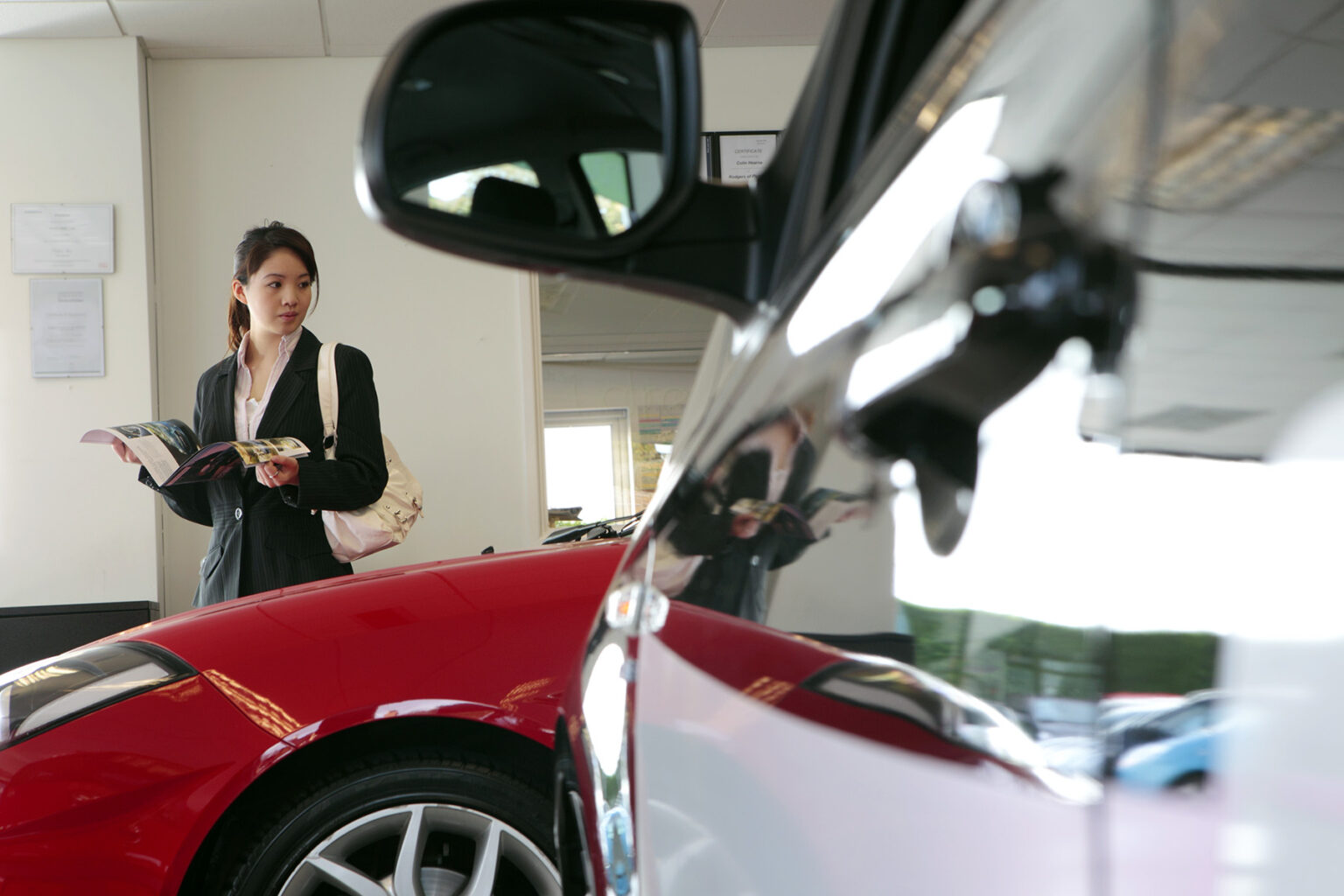
Since 2018, the government has imposed a strict limit on the number of vehicles in Singapore. This policy has turned cars into one of the hottest – and most expensive – commodities around.
Here’s what you need to know about buying a car in Singapore with minimum hassle:
International money transfers with Wise
For convenient, low-cost cross border transactions, check out Wise. Open a Wise account to hold and exchange SGD and 40+ other currencies, and order your Wise card to spend and withdraw in 150+ countries. Accounts offer ways to send money to 140+ countries and receive payments globally in SGD, USD and more with local or SWIFT account details.

Buying a car in Singapore
As one of the world’s few city-states, Singapore is a small country with limited land size. The government wants to make sure the available space isn’t taken up by too much congestion, traffic, and roads. As such, it has invested heavily in public transport and implemented strict policies to discourage vehicle ownership.
For example, Singapore maintains a zero-growth car policy, meaning a vehicle must be deregistered for a new one to be registered. Additionally, the cost of the required paperwork is so high that a vehicle – even a cheap one – is a luxury many average Singaporeans struggle to afford. In fact, the city-state is currently the most expensive country in the world to buy a car.
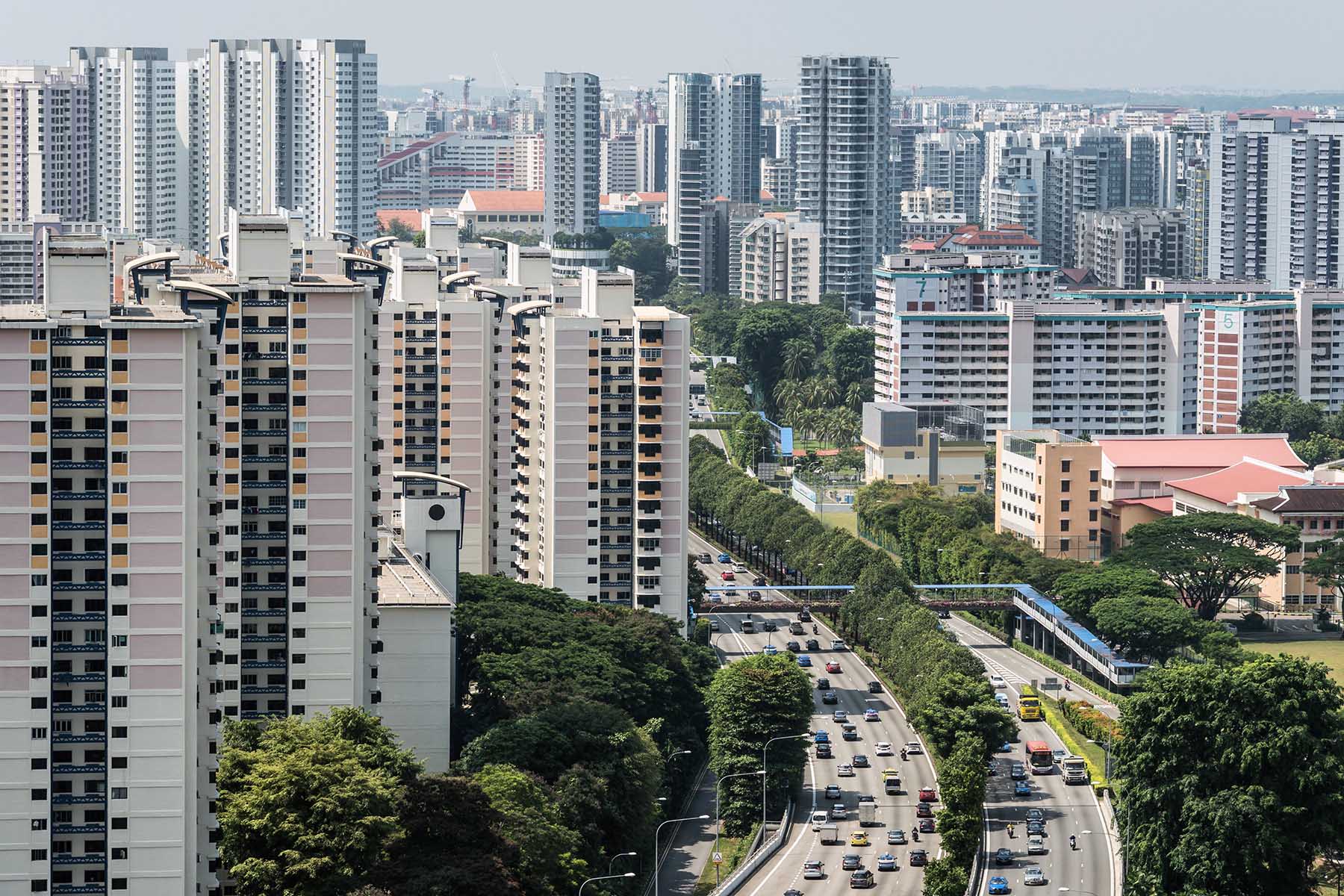
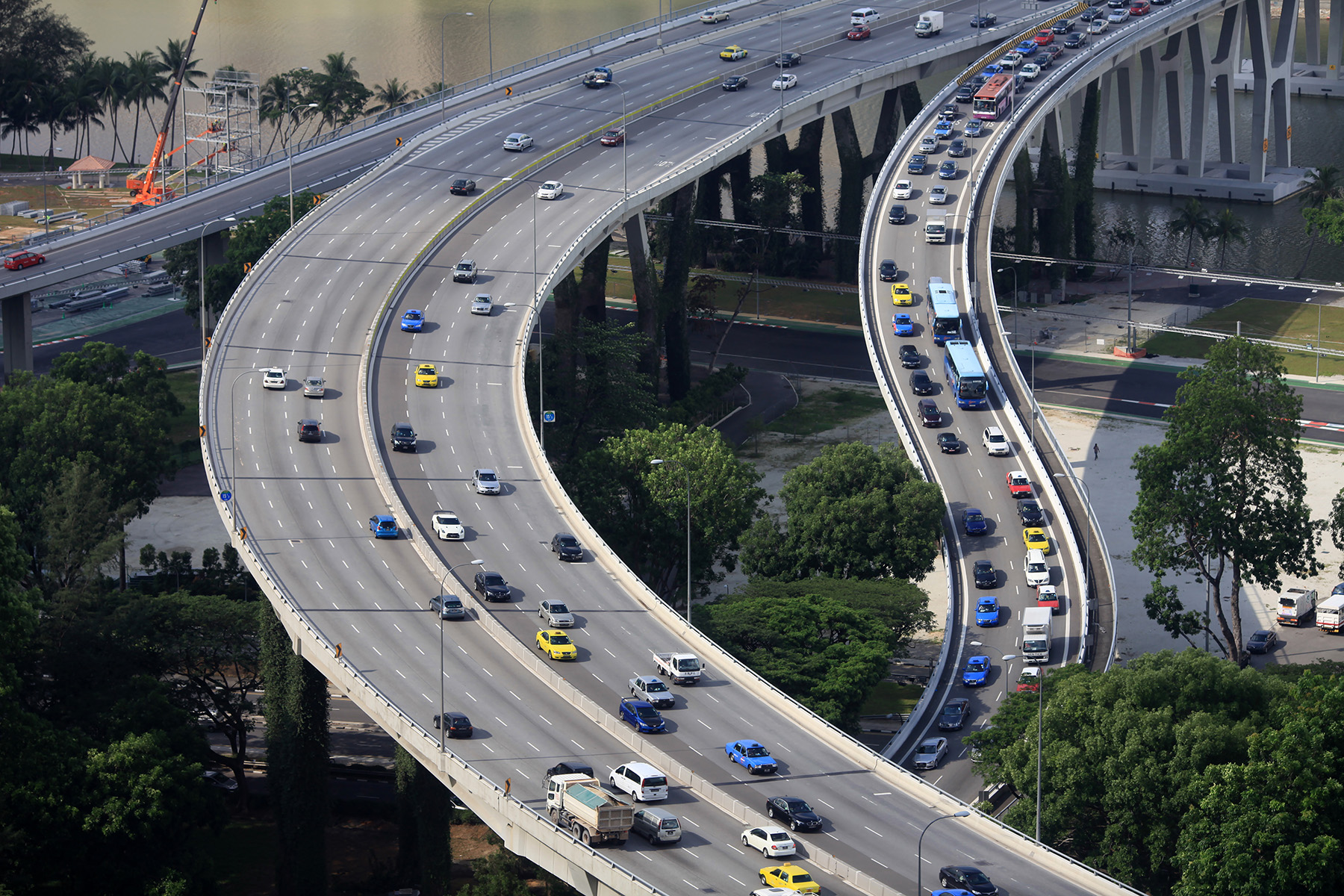
Roughly a third of all households own a vehicle (2023), far fewer than the average rates in the European Union (88% in 2022) and the United States (91.7% in 2023). That translates to about one million vehicles, including more than 650,000 cars. The government is determined to reduce that number further over the coming decades in an effort to ease traffic and lower emissions.
The Land Transport Authority (LTA) oversees vehicle registration, legislation, and general road safety in Singapore. The most popular car brands in the country are Toyota, Mercedes-Benz, and BMW. Tesla leads the way in Electric Vehicle (EV) sales, with Chinese EV car brand BYD being a close second.
What is the EV incentive in Singapore?
While driving is strongly discouraged, Singapore does have initiatives to promote EV ownership. For example, car registration is cheaper, and residents can get rebates that could save them up to S$40,000.
Despite that, their market share remains low. At the end of 2023, the country had just 11,000 registered electric or hybrid vehicles, with electric-petrol hybrids being the most popular choice.
There are currently over 4,900 EV charging stations located across Singapore, and the LTA has committed to installing 60,000 charging stations by 2030. They’re also planning to gradually phase out older car models. After 2025, new registrations of diesel-only cars will no longer be possible, and after 2030, only cleaner-energy cars like hybrids and electric vehicles will be permitted to be registered.
What do you need to buy a car in Singapore?
You must be over 18 and in possession of a valid driver’s license to drive a car in Singapore. New car owners must also obtain a 10-year Certificate of Entitlement (COE), which allows them to register and legally drive a vehicle on the roads.
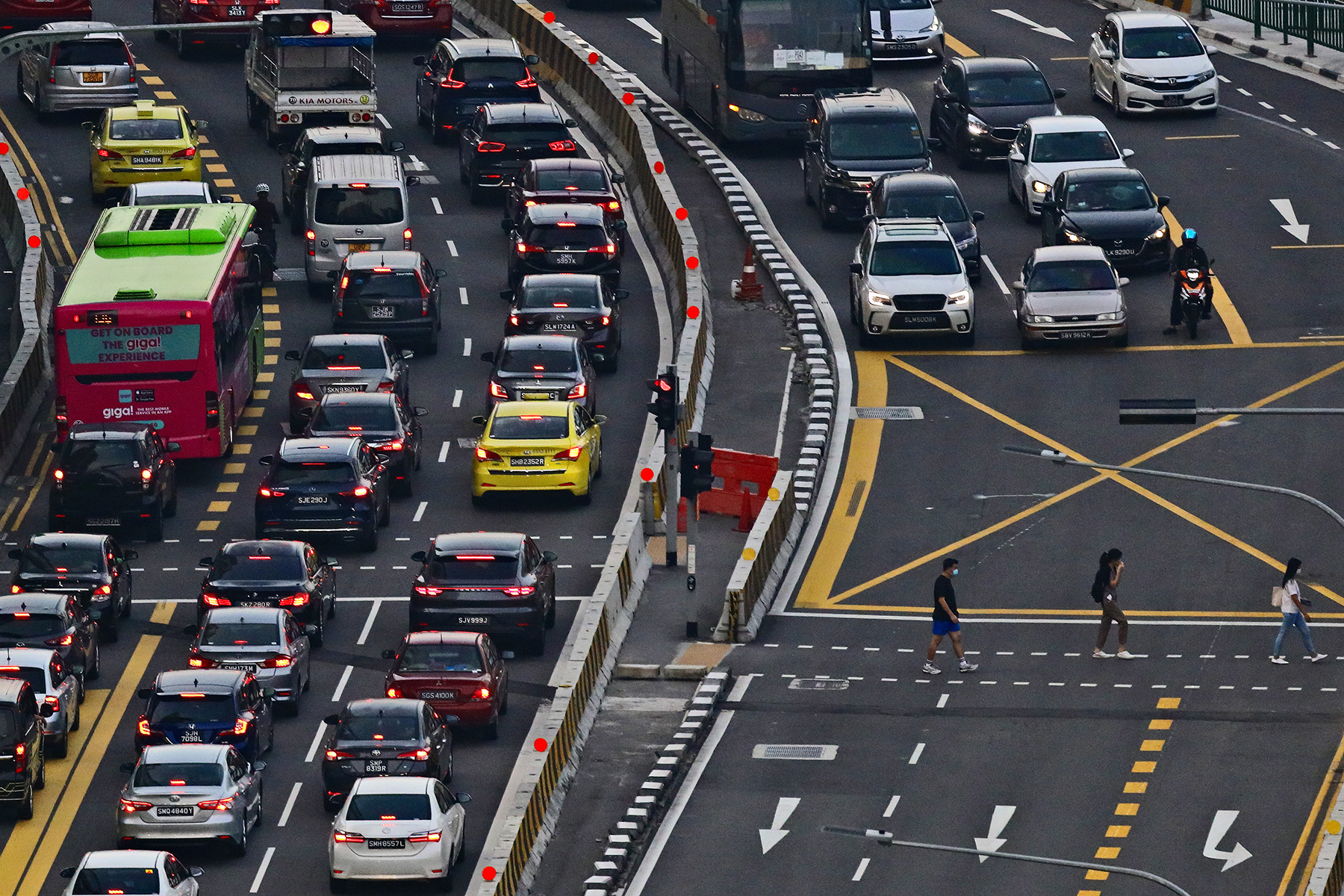
Unlike driving licenses, the COE is attached to a specific vehicle. If you sell your car, the COE goes with it, and you’ll need to get a new one for your replacement vehicle. Likewise, if you buy a used car, you’ll need to make sure the COE is registered in your name.
There are five types of COE, divided according to the category of vehicle:
- Category A – vehicles with engine capacity of up to 1,600 ccs and power output of 97kW
- Category B – vehicles with engine capacity exceeding 1,600 ccs or power output of 97kW
- Category C – vehicles used to transport goods (e.g., buses, trucks, or vans)
- Category D – motorcycles
- Category E – an open category, which can be used for any of the above
Due to their limited availability, it’s not easy to get hold of one. COEs are auctioned off twice a month, and would-be motorists can place a bid over a three-day period.

The price of a COE has risen sharply in recent years. In July 2020, a Cat B COE cost S$32,914. By October 2023, it had reached a staggering S$150,001. Although prices have dropped a little since then, the days when drivers could be set for less than S$100,000 are long gone.
Once you’ve bought your car and a COE, you must also:
- Register your car with the LTA
- Take out third-party liability car insurance
- Pay annual or biannual road tax
Buying new vs buying used: pros and cons
Whether you should buy a new or a used car depends on your requirements, finances, and tastes. Both have their own benefits and disadvantages.
For example, brand-new cars are typically safer, more reliable, and equipped with warranties. The latest models are more fuel-efficient and feature modern innovations, such as automatic parking, lane assistance, vehicle tracking software, and advanced safety systems.
However, they may be costlier upfront and will lose value rapidly after purchase. The cost of insurance, taxes, and registration of new cars is also higher than it is for older models.
On the other hand, used cars are less expensive and have reduced insurance rates. They’re also easier to operate and go through less vehicle depreciation. While they might have the wear and tear of previous owners and are more prone to needing upkeep, car mechanics are more experienced in repairing older models.
Where to buy a new car in Singapore?
Your best bet is to go through an authorized car dealership of the brand you are looking to buy. These distributors usually have a wide range of vehicles available, and the staff can help you make an informed choice. You’ll also enjoy advantages like warranties and after-sales support, and some dealers offer car packages with COE guarantees.

There are a large number of branded car dealerships in Singapore, including:
You can also use an online aggregator to purchase a car in Singapore. These websites show you several offers from different dealerships and present a convenient and time-effective way of seeing all available options. You won’t have to worry about pushy sales staff, either.
Keep in mind, however, that you can’t test drive the vehicle, so buyer’s remorse may be more common. Moreover, online marketplaces tend to have fewer financing options and significantly less after-sales support than you’ll find at a dealership.
Great aggregator sites in Singapore include:
Where to buy a used car in Singapore?
Even if you’re buying used, car dealers are a great option to start with – especially since they offer helpful payment plans and after-sales care. Most dealerships will have a wide range of used vehicles available, and while prices might be higher, these cars come with the guarantee that they run smoothly and are safe to drive.
You can also find an affordable used car on online aggregator websites, like CarBuyer and SGCarMart.
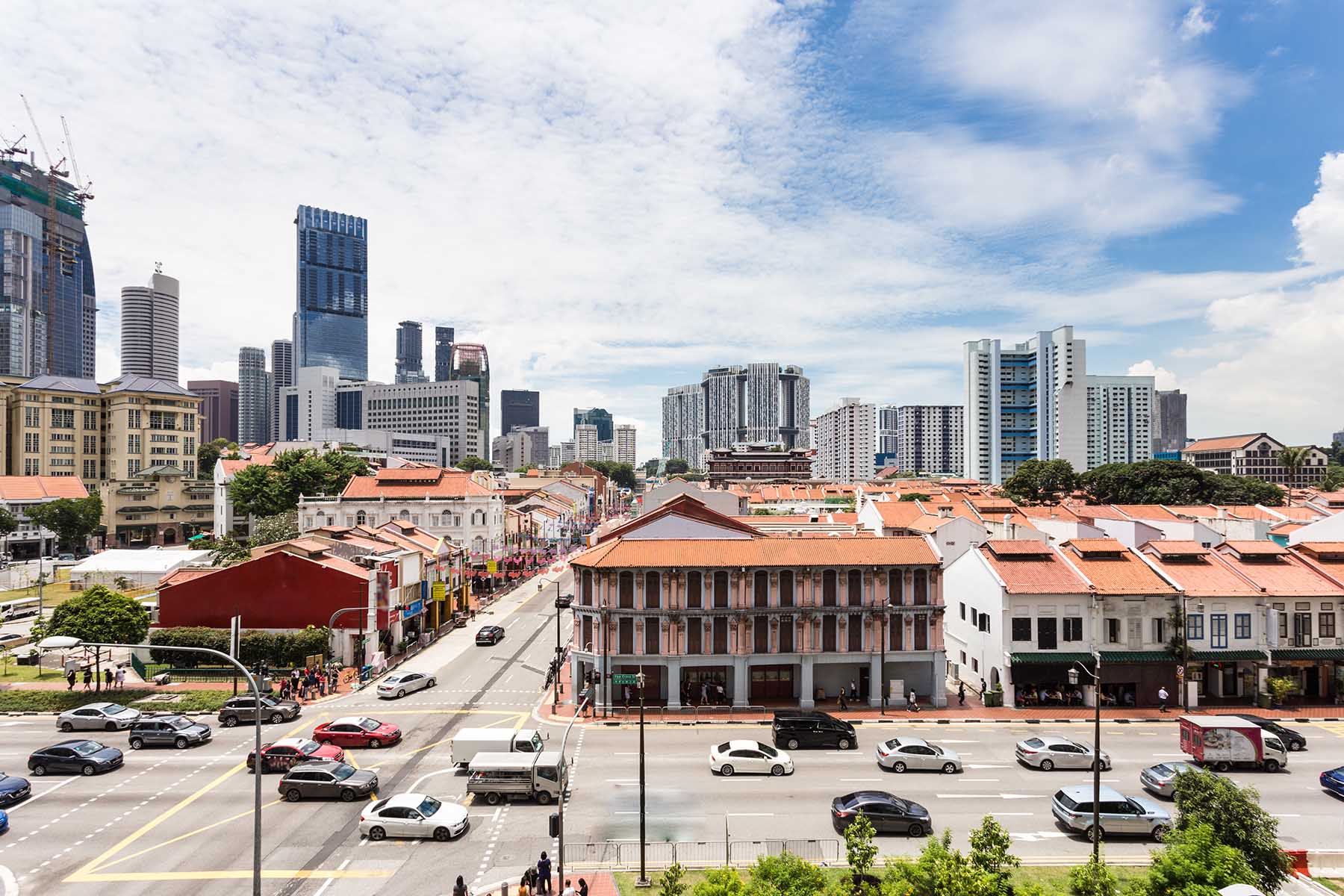
The cheapest option to purchase a used car is buying from a private seller. Some will advertise their vehicle with for-sale posters or signs locally. Others may place an ad on Facebook Marketplace or ST Classifieds.
It’s worth noting that previous owners might not always be entirely honest about the car’s condition. So before you are sold a lemon, make sure you insist on a third-party inspection. Many garages offer this service for around S$100.
Car registration and other paperwork
All new and used vehicles must be registered with the LTA to get a license plate. If you’re buying through a dealership, they’ll usually handle the registration for you. The only thing you’ll need to do is authorize it by logging into the LTA service with your 2FA Singpass account.
You can also choose to register the car yourself. This involves applying for a Vehicle Approval Code (VAC), visiting the LTA Customer Service Center in person, sending your new vehicle for a mandatory inspection, and paying additional application and processing fees.
Standard Registration Fees (RF) in Singapore are S$350. On top of that, you must also pay:
- An Additional Registration Fee (ARF), which is a set percentage of the car’s open market value (OMV). This fee starts at 100% and can go up to 320% for the most expensive cars.
- Used cars are taxed a surcharge of S$10,000
- Road tax
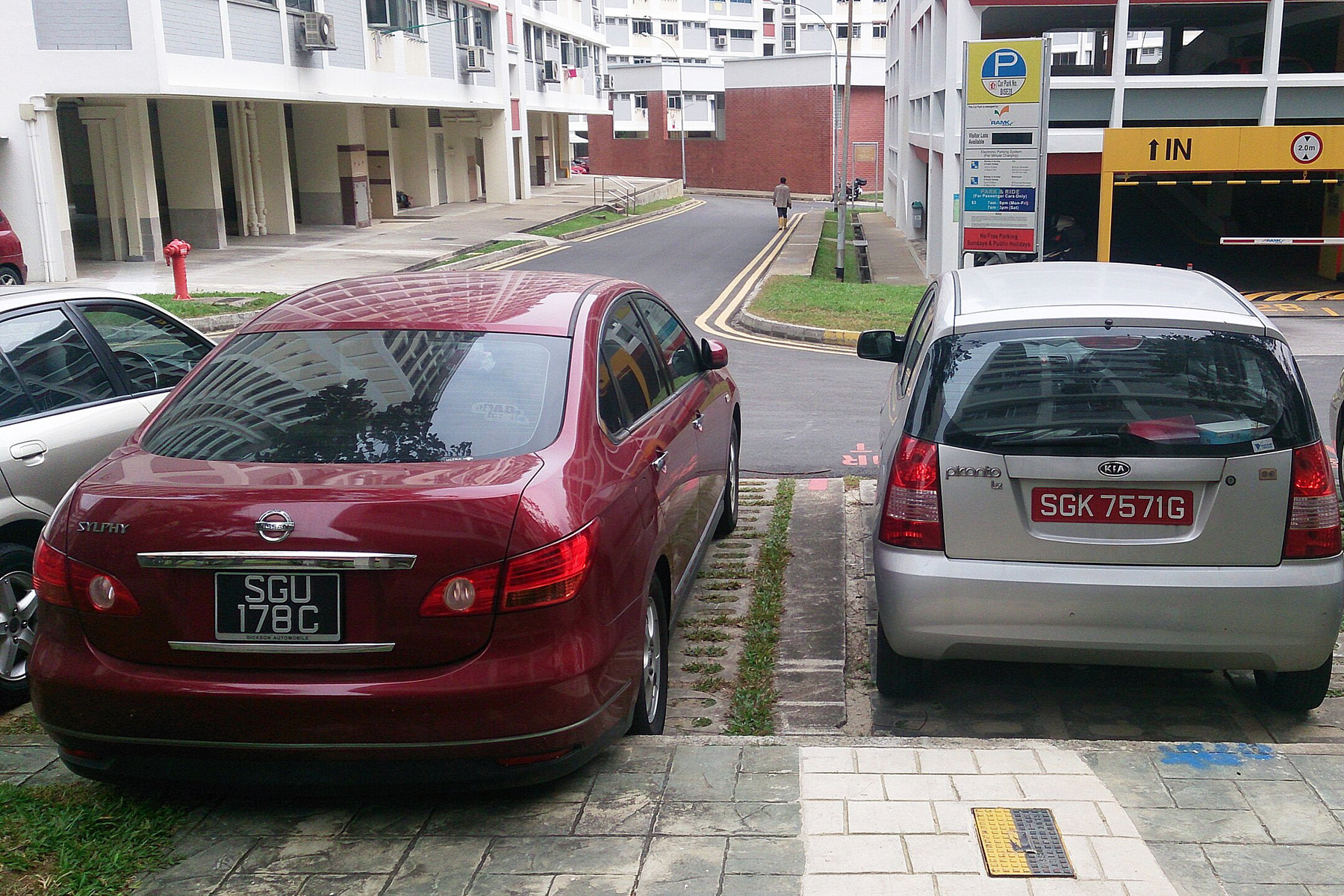
Once your car is registered, you will receive a Singaporean license plate with your vehicle registration number. This will have a generic set of numbers and letters. Some drivers choose to pay extra to get a unique number (one that features the lucky number eight, for example). However, you must be prepared to dig deep into your pockets; the most expensive plate number sold for S$335,000 in 2016.
You can also opt for the Revised Off-Peak Car scheme (ROPC). Although you won’t be allowed to drive during peak hours (i.e., 07:00 – 19:00 on Monday to Friday, public holidays excluded), you’ll get some hefty savings on your ARF and road tax.
Maintenance and other car costs
When a car is three years old, it must undergo a mandatory inspection every two years to ensure it’s road-safe and compliant. After 10 years, the vehicle must undergo servicing every year.
Generally, it is recommended to inspect your car every six months or 15,000 kilometers. You can do so at a designated LTA-Authorized Inspection Center (AIC). You typically don’t need an appointment, but you can expect longer waiting lines during peak hours. Prices differ per vehicle type and inspection cycle:
- S$68.04 for the first inspection of cars
- S$32.02 for re-inspection of cars
Other costs of owning a car in Singapore
Given the incredibly high costs of the COE and registration fees, buying a car is not something everyone can afford. And it doesn’t stop there. Other expenses you’ll need to consider include:
- Maintenance – vehicle inspection every two years costs around S$35, with servicing fees ranging from S$200 to S$500, depending on the type of car and the work needed
- Registration – registering a car costs around S$328
- Additional Registration Fee – the ARF is 100-320% of the vehicle’s OMV
- Road tax – the six-monthly road tax depends on the vehicle type and can be anything between S$156 and S$5,000+
- Special tax – EVs pay an Additional Flat Component (AFC) of S$700. Petrol-electric, diesel, and diesel-compressed natural gas (CNG) cars pay special tax depending on their engine capacity (cc).
- Toll roads – the Electronic Road Pricing (ERP) system manages congestion by charging a fee to use certain roads during operational hours. The toll fees will be charged automatically from the bank account linked to your car registration number.
- Mandatory insurance – the cost of car insurance in Singapore is determined by your age, gender, driving experience, vehicle, policy, and provider. It can range from S$500 to S$1,500+ a year. Young and inexperienced drivers usually pay an additional excess of S$2,000 to S$3,000.
- Fuel costs – on average, Singaporean motorists pay between S$50 and S$70 a week for gas or petrol
- Parking costs – Parking fees vary between S$1.00 and S$5.00 per hour, depending on the location. You can also buy season parking to leave your car at an HBD or URA parking lot. These cost between $80 and $190 a month, depending on your car model and the parking spot (i.e., curb-side or sheltered parking).
How to import a car into Singapore
Expats with a car can import theirs if it meets the LTA’s general requirements. Your vehicle must:
- Be less than three years old
- Be a right-hand drive
- Be compliant with local exhaust emission standards
- Have units displayed in km/h
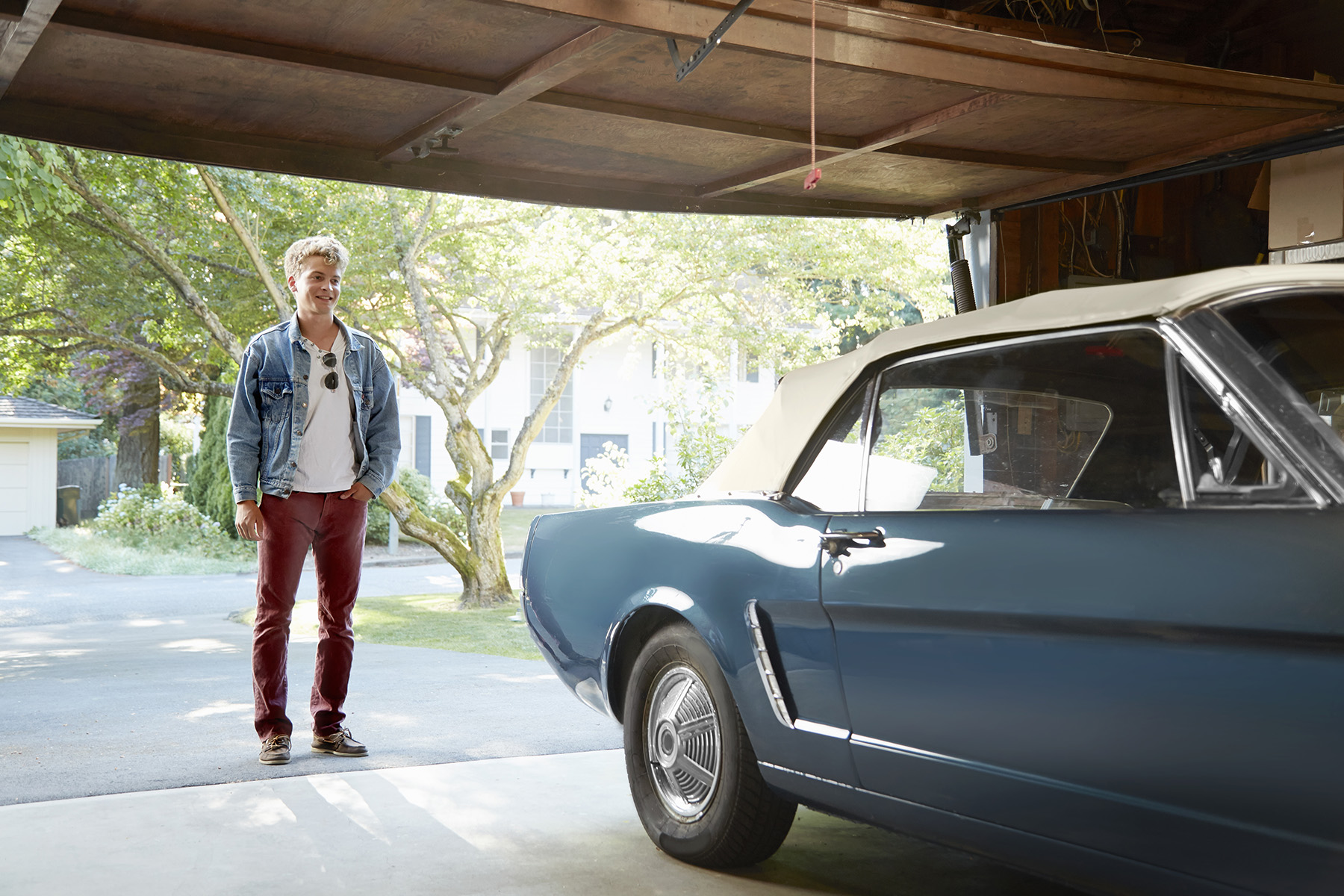
Certain vintage cars that are over 35 years old can also be imported. They must be right-hand drive and be in their original (restored) state, without alterations, conversions, or modifications.
To import a vehicle, you must provide:
- Emissions information
- Original manufacturer or purchase invoice
- Original foreign registration documents
- A letter from the manufacturer confirming the date of manufacturing
Next, you must apply for Singapore customs to assess the vehicle’s customs value and pay an excise duty (20% of the car’s OMV) and Goods and Services Tax (GST – the Singaporean version of VAT). The GST is usually 7% of the combined total cost, insurance and freight (CIF), and excise duty.
Paying for international car importation costs
Importing a car involves various international payments, including shipping costs, customs duties, and excise fees. These transactions often involve currency conversion and international transfers. For expats importing a vehicle, using Wise to send money internationally for these costs can help you get the mid-market exchange rate. This can result in meaningful savings when dealing with the substantial costs involved in vehicle importation.
Once you’ve imported your car into Singapore, you’ll need to bid on a COE before you can use it. All in all, unless you are extremely attached to your vehicle, you might want to skip this time-consuming process and buy a new car or switch to public transport.
Equipment every car needs to have
If you’re stopped by authorities, you must be able to present:
- Active car insurance
- Proof of ID and valid driver’s license
- Valid license plates clearly displayed on the front and back of the car (if not, you can face a fine of up to S$1,000 and imprisonment of up to 3 months)
When leaving the country (for example, to go to Malaysia), you must have at least three-quarters of fuel in your tank. In addition, you must be able to show your road tax information. Since the LTA no longer issues road tax discs, it’s recommended you print out your road tax information and keep a physical copy in your car.
How to sell a car in Singapore
If you’re looking to sell your car, it’s recommended that you spend some time getting to know the market. This will allow you to set a reasonable price point. You then have three options: handle the entire process yourself, sell it to a dealer, or sell it by consignment.
You can advertise your car online (e.g., on Facebook Marketplace or ST Classifieds) or with posters in your neighborhood. Selling your car yourself means you won’t have to pay a commission and get more profits. However, it can be time-consuming, and you’ll have to deal with potential buyers and no-shows yourself.
Both selling your car to a dealer and by consignment involves going through an intermediary. A dealer is a good choice if you want to trade in for a newer model, while consignment can often get you a better price. While these options might get you lower profits, they’re more time-efficient.
Once you’ve sold your car, you must transfer ownership within seven days of the sale. If you and the buyer have a 2FA SingPass ID, you can do this online through the government’s OneMotoring website. Otherwise, you’ll need to go to the LTA offices in person.
Rebate for scrapping a car
If you deregister and dispose of a car that is less than 10 years old, you can get a Preferential Additional Registration Fee (PARF) rebate.
You must dispose of your vehicle by ways of:
- Scrapping it at an LTA-appointed scrapyard
- Storing it at an LTA-appointed Export Processing Zone (EPZ) pending export
- Exporting it to another country
The amount of the rebate depends on the car’s age, with the maximum being 75% of the original additional registration fee or S$60,000.
You can find more information on the OneMotoring website.
Conclusion: Making car ownership work as an expat in Singapore
Buying a car in Singapore is undoubtedly one of the most expensive decisions you’ll make as an expat, but with careful planning and smart financial management, it’s entirely achievable. From navigating the COE bidding process to managing ongoing expenses in Singapore Dollars, every step requires consideration. For expats transferring funds from overseas – whether for the initial purchase or regular maintenance costs – being mindful of how you move and convert your money can result in significant savings.
Services like Wise offers the mid-market exchange rate, ensuring more of your money goes toward your car rather than hidden conversion costs. While car ownership isn’t for everyone in this well-connected city-state, for those who need the flexibility and convenience, it can greatly enhance your expat experience in Singapore.
Frequently Asked Questions
Can foreigners buy a car in Singapore?
Yes, foreigners can absolutely buy a car in Singapore. You’ll need to meet the same requirements as Singaporean citizens, which include:
- Being at least 18 years old
- Having a valid driver’s license (either international or local)
- Obtaining a Certificate of Entitlement (COE) for your vehicle category
- Registering the vehicle with the Land Transport Authority (LTA)
- Taking out mandatory third-party liability insurance
- Paying the necessary registration fees and road tax
If you’re holding an international driver’s license, remember that it’s only valid for 12 months in Singapore. After that, you’ll need to convert to a local Singapore driver’s license. The process is straightforward and can be done at driving centers across the island.
There are no specific restrictions preventing foreigners from car ownership, though you should ensure your visa or employment pass allows for long-term residency, as car ownership represents a significant financial commitment in Singapore.
How much does it really cost to buy a car in Singapore?
The total cost of buying a car in Singapore is significantly higher than in most other countries due to government policies designed to control vehicle population. Here’s a breakdown of the major costs:
Initial purchase costs:
- Certificate of Entitlement (COE): This is your biggest expense, ranging from S$32,000 to S$150,000+ depending on the category and current market conditions. Cat A (smaller cars) is generally cheaper than Cat B (larger, more powerful vehicles).
- Car price: Ranges from S$80,000 for a basic model to S$200,000+ for mid-range vehicles, and much higher for luxury cars
- Additional Registration Fee (ARF): 100-320% of the car’s Open Market Value (OMV)
- Registration fee: Around S$328
- Road tax: S$156 to S$5,000+ for six months, depending on engine capacity
Ongoing annual costs:
- Insurance: S$500 to S$1,500+ per year
- Fuel: S$2,600 to S$3,600 per year (averaging S$50-70 per week)
- Maintenance and servicing: S$200 to S$500 per service
- Parking: S$80 to S$190 per month for season parking, plus daily parking fees
- ERP (Electronic Road Pricing) tolls: Variable depending on usage
Example total cost for a mid-range sedan:
- COE: S$90,000
- Car price: S$120,000
- ARF: S$60,000
- Registration and other fees: S$1,000
- Total upfront cost: Approximately S$271,000
This doesn’t include insurance, fuel, and ongoing maintenance. For many expats, the total cost of car ownership can exceed S$300,000 over the 10-year COE period.
What is a COE and how does the bidding process work?
The Certificate of Entitlement (COE) is a unique feature of Singapore’s vehicle quota system. It’s essentially a certificate that gives you the right to own and use a vehicle in Singapore for 10 years.
Why does Singapore have COEs? Singapore implemented the COE system in 1990 to control vehicle population and reduce traffic congestion. The government maintains a zero-growth policy, meaning a vehicle must be deregistered before a new COE is issued.
COE Categories:
- Category A: Cars with engine capacity up to 1,600cc and power output up to 97kW
- Category B: Cars with engine capacity exceeding 1,600cc or power output exceeding 97kW
- Category C: Goods vehicles and buses
- Category D: Motorcycles
- Category E: Open category (can be used for any vehicle type)
How the bidding process works:
- Bidding schedule: COE bidding exercises are held twice a month, typically on the first and third Monday of each month
- Bidding period: The exercise runs for three days, from Monday to Wednesday
- How to bid: You can bid yourself through the LTA’s OneMotoring website, or more commonly, your car dealer will bid on your behalf
- Bidding strategy: You submit your bid amount – the maximum you’re willing to pay. If your bid equals or exceeds the final quota premium (the price at which all available COEs are allocated), you win
- Results: Announced on Wednesday evening. The Quota Premium (QP) is the lowest successful bid price – everyone who bid at or above this amount pays this price (not their actual bid amount)
Important notes:
- COE prices fluctuate significantly based on supply and demand
- Most car dealers offer COE quotes that guarantee the price, which provides certainty but may cost slightly more
- You can check historical COE prices on the OneMotoring website to gauge trends
Is it worth buying a car in Singapore or should I use public transport?
This is one of the most important questions for expats arriving in Singapore, and the answer depends on your specific circumstances.
When public transport might be the better choice:
- Cost savings: With car ownership easily exceeding S$300,000 over 10 years, public transport is dramatically cheaper. An adult monthly travel pass costs just S$128.
- Convenience in central areas: Singapore’s Mass Rapid Transit (MRT) system is highly efficient, clean, and extensive. If you live and work near MRT stations, you may find it faster than driving.
- No parking hassles: Finding and paying for parking in central Singapore can be expensive and time-consuming.
- Environmental impact: Public transport has a much smaller carbon footprint.
When buying a car makes sense:
- Family with young children: Traveling with small children, car seats, strollers, and shopping bags is much easier with a car.
- Living in less central areas: Some residential areas have limited public transport connectivity.
- Odd working hours: If you work early mornings, late nights, or weekends, MRT schedules may not align with your needs.
- Frequent travel to Malaysia: If you regularly visit Malaysia, having your own car provides flexibility for cross-border trips.
- Business needs: If your job requires visiting multiple locations daily or transporting equipment, a car may be essential.
- Lifestyle preference: Some people simply value the comfort, privacy, and convenience of private transportation.
Hybrid approach: Many expats use a combination – relying on public transport for daily commutes and using Grab (Singapore’s equivalent of Uber) or renting cars occasionally for specific needs. This can offer the best of both worlds.
Financial perspective: Consider that the upfront cost of buying a car (S$200,000-300,000) could alternatively cover:
- 15+ years of unlimited MRT/bus travel
- Thousands of Grab rides
- Frequent short-term car rentals for weekend trips
Recommendation: If you’re new to Singapore, try living without a car for the first few months. Experience the public transport system, understand your daily routines, and then make an informed decision. Many expats who thought they’d need a car find they don’t actually miss it.
Useful resources
- Land Transport Authority – the official government agency for all driving-related things in Singapore
- OneMotoring – online portal of the LTA with more motoring information and digital services
- Singapore Police Force – road safety tips from the Singapore Police Force
Related Articles


Editor's picks

Did you find this guide helpful?