
'%20id='ico-down'%20stroke='%23000000'%20stroke-width='1.5'%3e%3cg%20transform='translate(1092.250000,%20254.750000)'%3e%3cpolyline%20id='Path-2-Copy-4'%20transform='translate(5.500000,%202.750000)%20scale(1,%20-1)%20rotate(-180.000000)%20translate(-5.500000,%20-2.750000)%20'%20points='0%200%205.5%205.5%2011%200'%3e%3c/polyline%3e%3c/g%3e%3c/g%3e%3c/g%3e%3c/svg%3e)


Finance
Banking
Mobile banking in Saudi Arabia
Bank from anywhere in Saudi Arabia: discover how mobile banking apps make managing your money easy, secure, and stress-free.


In Saudi Arabia, mobile banking is more than just convenient; it’s the preferred way to pay. With nearly every bank offering user-friendly apps, you can transfer money, pay bills, and even open an account right from your phone. Whether you’re new to the Kingdom or just looking to simplify your finances, this guide will walk you through everything you need to know about mobile banking in Saudi Arabia.
Let’s dive in:
Mobile banking in Saudi Arabia
Saudi Arabia ranks as the top digital banking market in the Middle East and North Africa. Indeed, more than three-quarters of banking customers use online or mobile apps. Meanwhile, 76% of Saudi banking customers use digital platforms, and 60% use online and mobile apps for their banking. These statistics are in line with global trends; these show that mobile is the largest banking channel for transactions in Western and Asian markets.
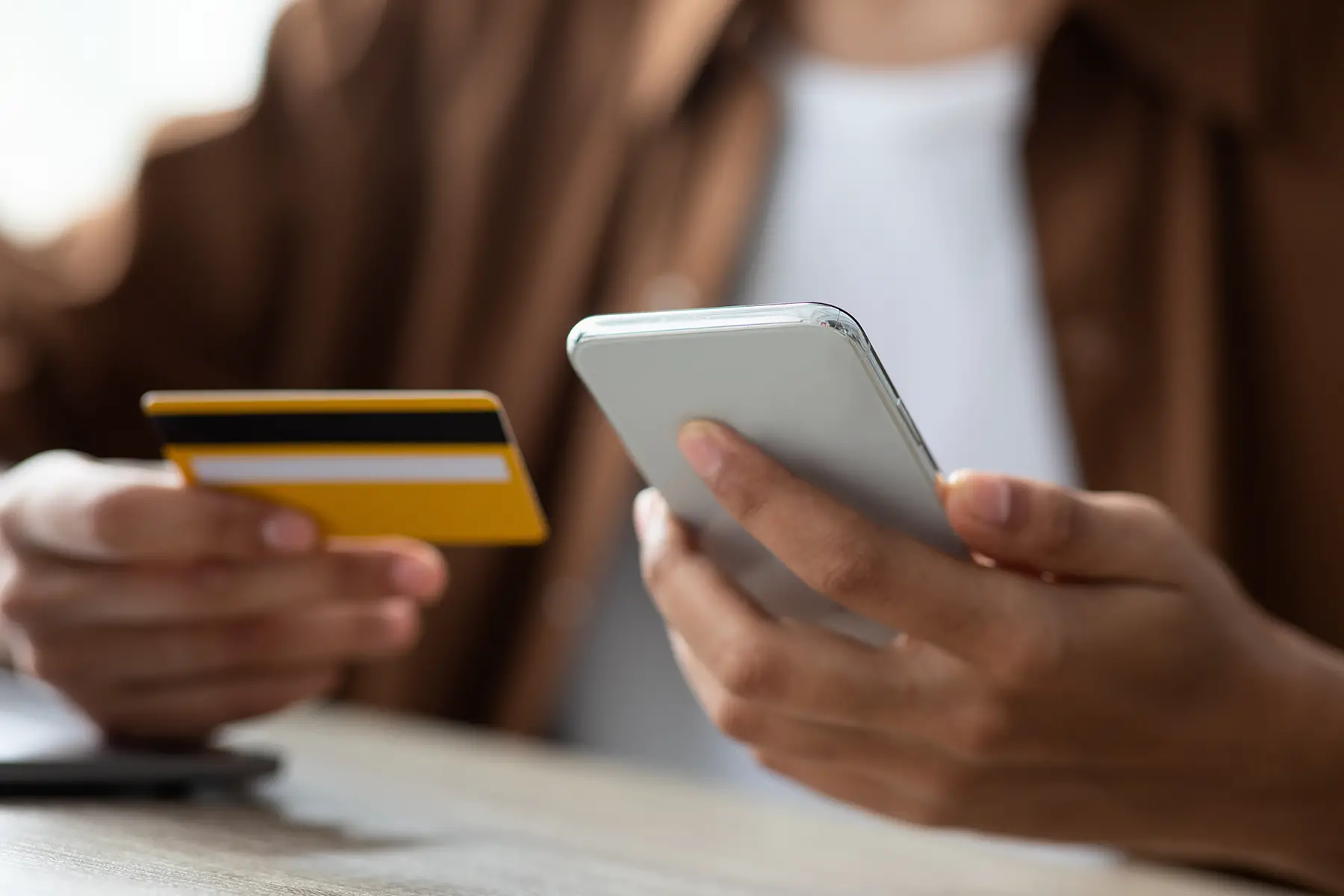
Saudi Arabia has set its sights on becoming a cashless society by 2030. In fact, over the next decade, it hopes that 70% of all payments in the Kingdom will be digital; compared to only 18% in 2017.
As a result of this, nearly every bank operating in the Kingdom offers digital banking services in the form of a smartphone app. The top banks offering digital and mobile banking in Saudi Arabia include:
- The National Commercial Bank (Al Ahli Bank)
- Al Rajhi Bank
- Samba Bank
- Riyad Bank
- Emirates NBD
- First Abu Dhabi Bank
- Gulf International Bank
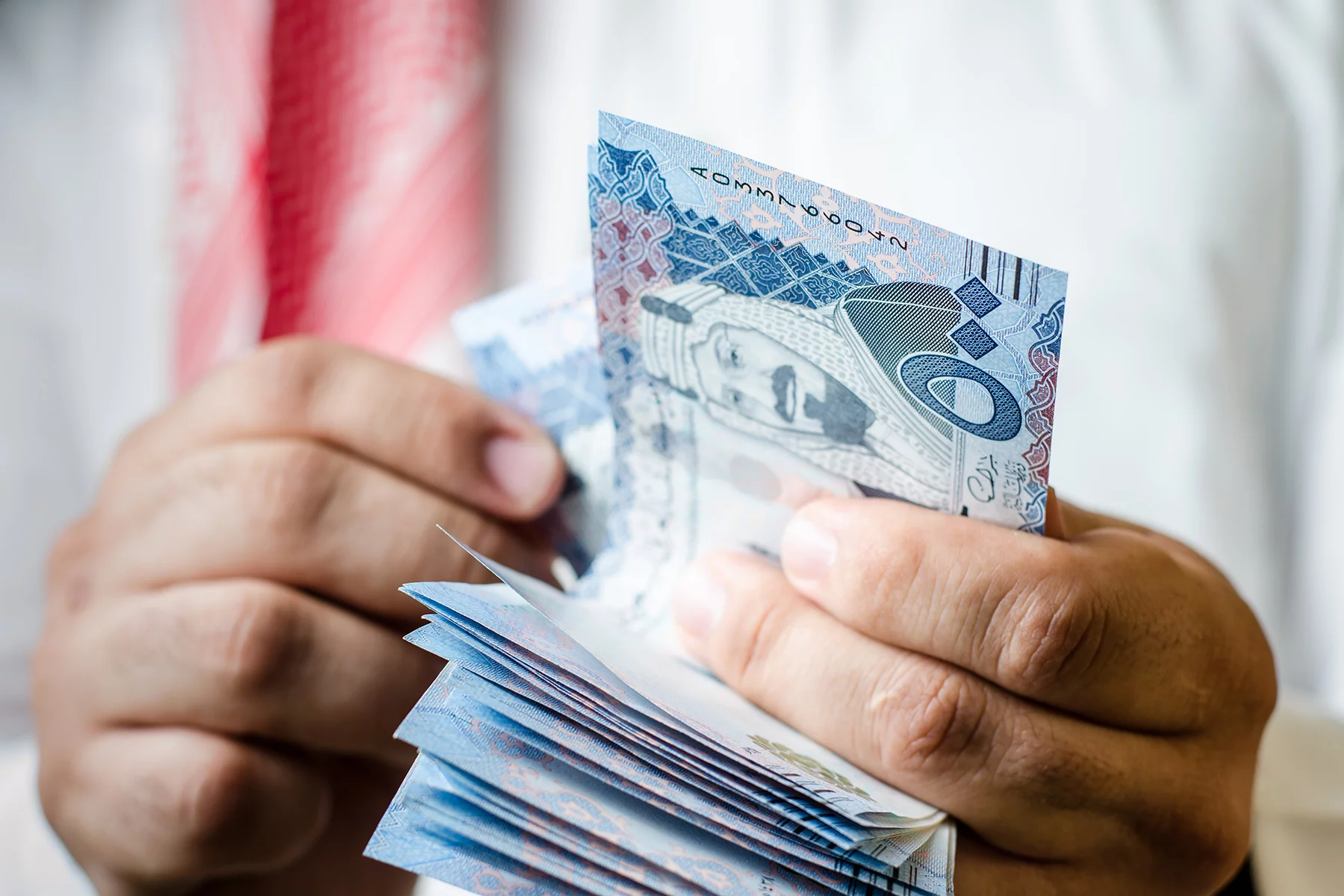
Features of mobile banking in Saudi Arabia
Customers can carry out a range of different transactions when accessing mobile banking in Saudi Arabia. Whether you access the app via a smartphone or tablet, you can usually use the following standard features:
- Transfer money to accounts within the same bank
- Transfer money to other banks in Saudi Arabia
- Make international money transfers
- Pay bills to utility providers such as Saudi Electricity Company and Mobily
- Block or report a lost or stolen payment card
- Request a new payment card
- Access statements for various bank accounts
- Access loan and repayment schedules
- Contact banking agents
Mobile payments in Saudi Arabia
Cash remains the top payment method in Saudi Arabia. However, greater numbers of consumers are adapting to online and mobile payments. While credit cards are the most popular digital payment method, the recent launch of services such as Apple Pay, Mada Pay, and Google Pay has expanded the country’s mobile payment landscape to smartwatches. However, not all banks offer the same level of mobile payments in Saudi Arabia; therefore, it is worth checking with the bank before you sign on.
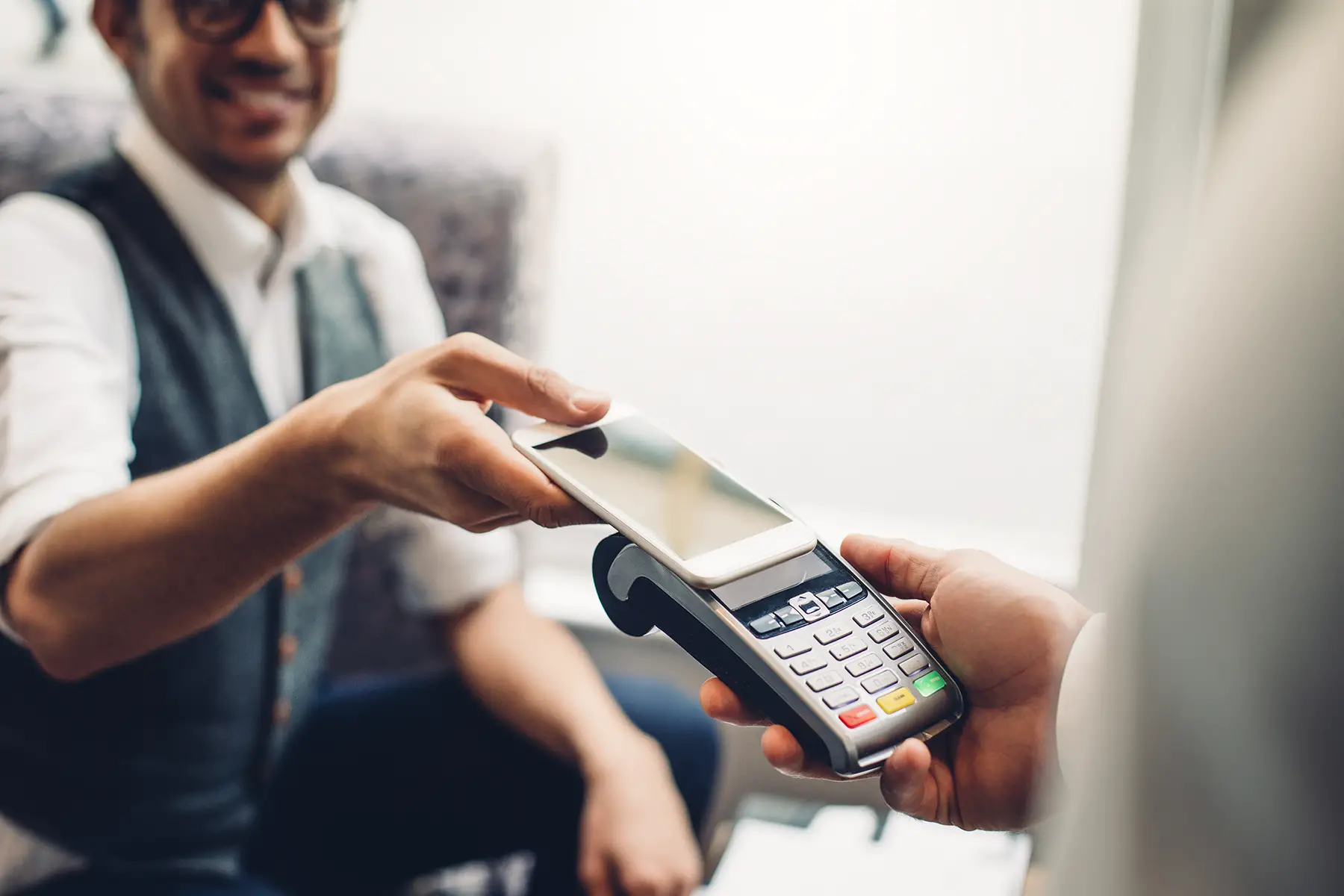
In 2019, the national payments infrastructure operator, Saudi Payments, announced the use of a combination of NFC and contactless payments. It also introduced a common QR code platform to reduce the use of cash.
As of 2020, the Saudi Arabian Monetary Authority (SAMA) also licensed four digital wallets. These include STC Pay, licensed as an electronic wallet company, the payment services player Geidea, and more recently, two start-ups that have successfully graduated from SAMA’s sandbox: Halalah and BayanPay. By using one or more of these services, expats can expect to pay for goods and services online.
While their use in brick-and-mortar venues such as malls and restaurants remains limited, an increasing number of establishments are beginning to accept mobile payments in Saudi Arabia.
For now, mobile payments in Saudi Arabia can include the following:
- Bill payments from mobile devices;
- Payments between individuals via smartphones;
- Contactless payments made from a mobile device instead of a credit or debit card
How to open a mobile bank account in Saudi Arabia
Expats will find it relatively easy to open an account via mobile banking in Saudi Arabia. However, at the moment, only a few banks offer this service, including:
- Bank Albilad
- NCB Al Ahli
- Riyad Bank
- SABB Bank
You will be asked to provide a number of documents to facilitate the process. This includes your Saudi National ID or Iqama number, a copy of your passport, a no-objection certificate from your employer, and your Absher account number from the Ministry of Interior. Other information you could be asked for may include your local address (with a copy of your tenancy agreement), your home country address, your email address and phone number, your occupation, income, and other personal details. You may also be asked whether you have other relationships with banks in Saudi Arabia.

Once you have filled out all the details, you will be asked to present originals verifying the information in person within two weeks. However, if your company already has a corporate relationship with the bank you want to open an account with, the bank may arrange for the documents to be picked up. A few weeks later, you will be all set to make mobile payments.
Mobile banking fees in Saudi Arabia
When mobile banking in Saudi Arabia, available services are usually free. In general, services that may incur a fee when requested at a branch are usually free; such as ordering new checkbooks. However, other services will attract a fee. These include requesting new debit cards, setting up standard instructions, or transferring money domestically or overseas.
Depending on the bank and the service, such fees can range from SAR5 to SAR75. Each bank has its own fee structure, therefore expats are best off checking with providers when mobile banking in Saudi Arabia.
Security concerning mobile banking in Saudi Arabia
Banking fraud is relatively common in Saudi Arabia. Formerly, cybercriminals would make phone calls and send texts or messages via WhatsApp. However, phishing emails featuring bank logos that ask users to update accounts and part with personal information are not unheard of. In fact, the banking service organization, the Saudi Central Bank, has repeatedly warned customers not to respond to such e-mails.
In general, customers can expect mobile banking in Saudi Arabia to feature industry-standard encryption techniques. These include passwords, dual-verification services, SMS notifications, and security keys. Some banks now offer biometric technology even on their mobile apps; such as fingerprint scanning, so that customers may easily access their accounts.
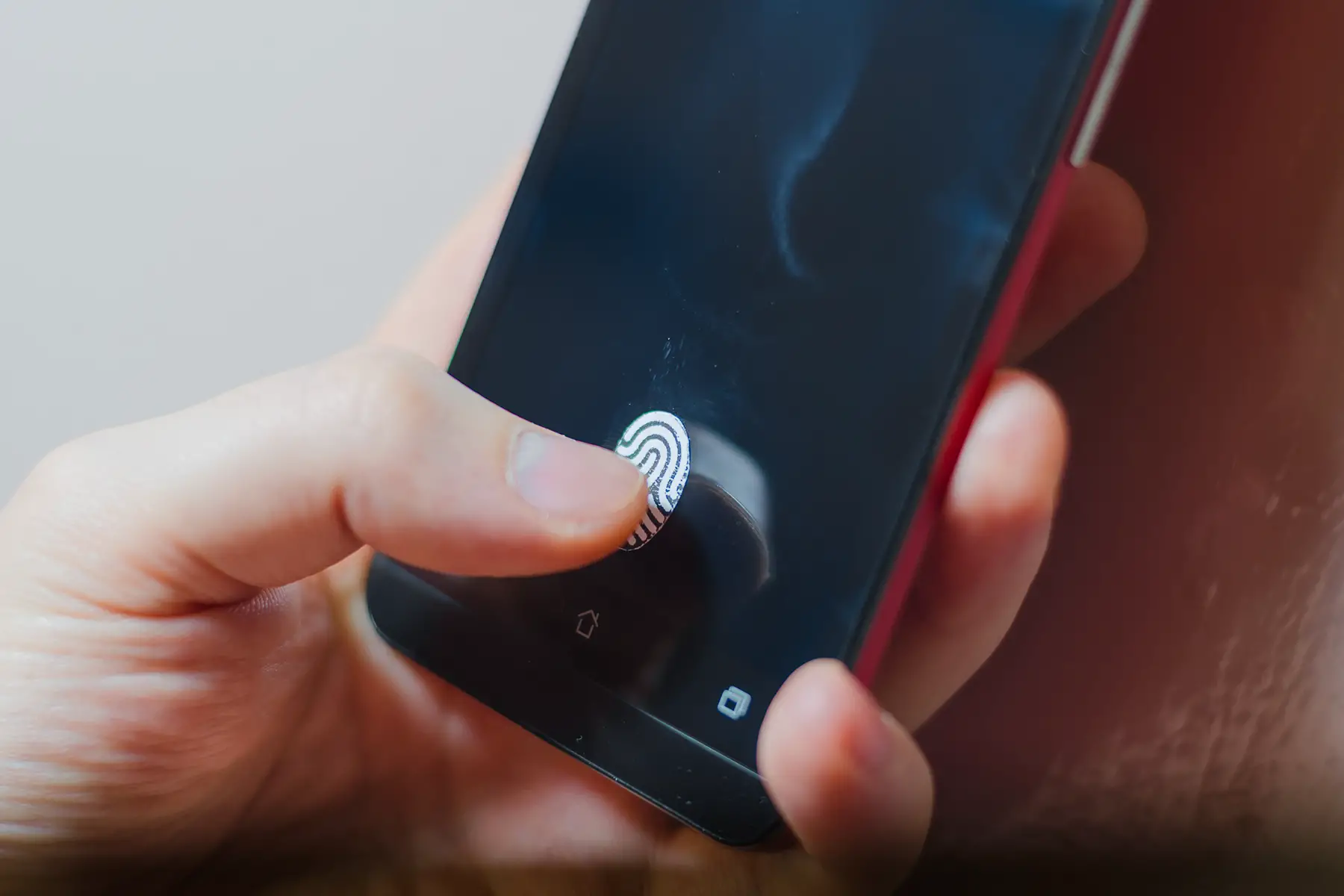
If you are a victim of cybercrime, call 330330 to reach the Kingdom’s Communications and Information Technology Commission (CITC) helpline.
Here are some tips on how to protect your account and stay safe:
- Use a reputed anti-virus software;
- Download mobile banking apps directly from the bank’s website;
- Create and use a secure password for your mobile banking app. Additionally, change the password regularly and don’t use it for other websites or apps;
- Do not share or disclose your PIN to anyone (including family members, a waiter/waitress, cashiers, sales staff, etc.). Bank officials do not generally ask for this information;
- Make sure to activate your mobile phone’s operating system and its firewall, spam filter, anti-virus, and anti-spyware protection;
- Always log out when you exit your mobile banking app. Do not directly close the browser;
- Don’t select the auto-save option on browsers for saving your username and password when logging in to mobile banking apps;
- Never log into your bank account online via public WiFi hotspots
Useful resources
Finally, here is a list of important websites with useful information about mobile banking in Saudi Arabia:
- Saudi Arabian Monetary Agency (SAMA)
- Souqalmal – a comparison website
- Yallacompare – a comparison website



Did you find this guide helpful?