'%20id='ico-down'%20stroke='%23000000'%20stroke-width='1.5'%3e%3cg%20transform='translate(1092.250000,%20254.750000)'%3e%3cpolyline%20id='Path-2-Copy-4'%20transform='translate(5.500000,%202.750000)%20scale(1,%20-1)%20rotate(-180.000000)%20translate(-5.500000,%20-2.750000)%20'%20points='0%200%205.5%205.5%2011%200'%3e%3c/polyline%3e%3c/g%3e%3c/g%3e%3c/g%3e%3c/svg%3e)



'%20fill='%23000000'%3e%3cg%20id='icons'%20transform='translate(56.000000,%20160.000000)'%3e%3cpath%20d='M144,7339%20L140,7339%20L140,7332.001%20C140,7330.081%20139.153,7329.01%20137.634,7329.01%20C135.981,7329.01%20135,7330.126%20135,7332.001%20L135,7339%20L131,7339%20L131,7326%20L135,7326%20L135,7327.462%20C135,7327.462%20136.255,7325.26%20139.083,7325.26%20C141.912,7325.26%20144,7326.986%20144,7330.558%20L144,7339%20L144,7339%20Z%20M126.442,7323.921%20C125.093,7323.921%20124,7322.819%20124,7321.46%20C124,7320.102%20125.093,7319%20126.442,7319%20C127.79,7319%20128.883,7320.102%20128.883,7321.46%20C128.884,7322.819%20127.79,7323.921%20126.442,7323.921%20L126.442,7323.921%20Z%20M124,7339%20L129,7339%20L129,7326%20L124,7326%20L124,7339%20Z'%20id='linkedin-[%23161]'%3e%3c/path%3e%3c/g%3e%3c/g%3e%3c/g%3e%3c/svg%3e)
'%20fill='%23000000'%3e%3cg%20id='icons'%20transform='translate(56.000000,%20160.000000)'%3e%3cpath%20d='M335.821282,7259%20L335.821282,7250%20L338.553693,7250%20L339,7246%20L335.821282,7246%20L335.821282,7244.052%20C335.821282,7243.022%20335.847593,7242%20337.286884,7242%20L338.744689,7242%20L338.744689,7239.14%20C338.744689,7239.097%20337.492497,7239%20336.225687,7239%20C333.580004,7239%20331.923407,7240.657%20331.923407,7243.7%20L331.923407,7246%20L329,7246%20L329,7250%20L331.923407,7250%20L331.923407,7259%20L335.821282,7259%20Z'%20id='facebook-[%23176]'%3e%3c/path%3e%3c/g%3e%3c/g%3e%3c/g%3e%3c/svg%3e)

Living in France as an expat comes with both exciting opportunities and financial challenges. From everyday expenses like housing, groceries, and transport to managing money across borders, costs can add up quickly. Smart financial planning helps you manage these expenses while enjoying your time in the country.This guide covers practical ways to save money on key aspects of daily life and also highlights tools like Wise that make managing money across borders easier for international residents.
Table of contents
Wise account
Are you an expat or thinking of moving to France? Managing your money across borders shouldn’t be complicated. With a Wise account, you can hold over 40 currencies and pay with a Wise debit card in more than 150 countries. Whether you need to spend abroad, receive or send money home, Wise can help make international money management simpler.

Understanding the cost of living in France
The cost of living in France can vary considerably depending on where you choose to settle. Major cities like Paris and Nice tend to be more expensive, especially when it comes to rent, dining, and entertainment. In contrast, smaller towns and rural areas usually offer a lower cost of living, with more affordable housing and everyday expenses. Even within cities, living outside the centre can significantly reduce costs while still providing good access to public transport and amenities.
For newcomers or anyone looking to manage their budget wisely, understanding local prices and adopting a few practical habits can make a big difference. Some of the best ways to save money include comparing prices across regions, cooking at home, and choosing accommodation outside main tourist areas – but in the end, it all comes down to personal preferences and goals. Seasonal variations mainly affect utility costs (heating in winter or air conditioning in summer) and food prices, as fresh produce tends to be cheaper in season.
Below is an overview of the main expense categories and money-saving tips to consider:
- Housing: The cost of buying and renting homes in France varies a lot. Purchase prices in places like Paris, Nice and Bordeaux are many times the national average – rural areas are far cheaper. Helpful tools for renters include the government’s rent maps which show areas where the average rental costs are higher or lower.
- Food: Food prices in France are usually a little higher than the EU average. However, outside of tourist areas, eating out can still be affordable thanks to the wide variety of local restaurants. When shopping for groceries, buying seasonal produce and looking out for coupons and discounts are effective money-saving tips.
- Transportation: Public transport in France is generally inexpensive, but coverage outside major cities can be limited and services sometimes unreliable. Monthly passes offer good value for regular commuters. Alternatives to public transport include driving, walking or cycling depending on where you live.
- Utilities: Costs vary across services. During winter months, expect higher energy bills due to the poor insulation common in older French houses. Choosing energy-efficient appliances and monitoring consumption can help reduce expenses.
If you’re managing international finances, using Wise can be an excellent ally to help you save money. With the mid-market exchange rate and no hidden markups, Wise offers a reliable and low-cost way to send money home, manage multiple currencies, and spend while travelling abroad.

Saving on housing and accommodations costs
Housing is often the largest expense for anyone living in France, especially in major cities. One of the most effective ways to save money is to consider areas outside the city centre, where rental prices can be significantly lower while still offering good access to public transport.
Another practical option is to share accommodation. Renting a room in a shared apartment or house can cut monthly costs by half or more compared with renting a one-bedroom apartment alone. In smaller towns, entire apartments or small houses can also be surprisingly affordable, providing more space for the same price as a studio in a major city.

Finding affordable housing
Securing affordable housing in France requires a good understanding of how the rental market works and where to look. Property portals like SeLoger are useful for exploring current rental listings and getting a sense of prices across different neighbourhoods. Bear in mind that if you search for sites in English you’re likely to be directed to portals aimed at expats which may not be representative of the real range of properties available.
Low cost housing – Habitation à Loyer Modéré – is available but often in short supply. Maximum income caps apply which limit eligibility, meaning most expats will rent privately.
House-sharing is quite common, especially in cities, and can be a great way to save money and meet people shortly after moving. For students, many universities offer residences, though costs vary depending on the institution and housing type, so it’s important to check with your university and contact the international office for details.
Being proactive and responding quickly to listings can make a significant difference, particularly in competitive markets. Other practical strategies include negotiating lease terms with landlords, for example adjusting the deposit, including utilities, or agreeing on a longer-term contract for a reduced monthly rent. Finally, networking through local expat groups or social media communities can help uncover housing opportunities that aren’t always listed on mainstream platforms.
Reducing utility costs
Utility costs in France vary by region and season. Electricity is generally moderate compared with other European countries, but winter heating can increase bills, especially in older, poorly insulated houses. Energy-saving tips include using programmable heaters, energy-efficient appliances, sealing windows and doors, and taking advantage of natural light. In warmer regions, air conditioning costs can rise during summer, so using fans or shading windows can help reduce consumption. Online simulators can also help compare electricity and gas providers to find the best options.
For internet, TV, and mobile services, many providers offer bundled packages, which can save money compared with separate contracts. Understanding billing cycles and opting for direct debit or prepaid options can also help avoid late fees. For mobile and internet needs, free Wi-Fi is widely available in cafés, libraries, and co-working spaces across the country, which can reduce mobile data usage. For accessing content from your home country, VPN services provide a cost-effective way to maintain access to streaming platforms and other online services.
Food and grocery savings
Food and grocery costs in France are higher than the EU average, though prices can vary depending on the region and type of store, with Paris being particularly expensive. For some products, local markets may be more affordable than larger supermarkets, but this is not always the case, so it’s important to compare prices in your area.
How to save money on everyday expenses includes buying seasonal produce, planning meals ahead, and watching out for discounts.

Smart grocery shopping
To save money on groceries, consider these practical strategies:
- Budget-friendly supermarket chains: E. Leclerc, Aldi and Lidl are among the most affordable supermarket options in France. Supermarkets provide the convenience of finding everything in one place, which may save money on travel costs.
- Local markets and seasonal produce: Buying seasonal items or shopping at farmers’ markets can be fresher and sometimes cheaper. Comparing prices across different stores in your neighbourhood can help you find the best deals for each product type.
- Bulk buying and meal planning: Stocking up on non-perishables such as rice, pasta, and olive oil (especially when discounted) and planning weekly meals can reduce both waste and overall costs.
Eating out and entertainment on a budget
Eating out and enjoying life in France doesn’t have to be expensive if you plan ahead. Take the following into consideration:
- Set menu deals: These are very common in France (menu à prix fixe) and often include starters, a main course, dessert, and a drink. It’s very common to have wine as an option with your set menu although non-alcoholic beverages are also available.
- Local restaurants: Small, often family-run establishments serve traditional French dishes at affordable prices. Though they are becoming less common, they remain one of the best ways to experience local cuisine without overspending.
- Free museums: French museums are usually free on the first Sunday of the month, plus there are often free entry passes for students, teachers, seniors and other categories of visitor.
- Student discounts: Discounts are widely available for students across sectors, including transport, museums, cinemas, events, and sports facilities. You’ll usually need to show a valid student card or proof of enrollment for the current academic year.
- Cultural events and festivals: Many local events are free or low-cost. Keep an eye on your municipality’s social media or subscribe to event newsletters. Across France, you’ll also find cinema, music, and arts festivals throughout the year.
- Parks and beaches: France’s mild climate makes outdoor activities an excellent free option. Enjoy the many urban parks, hiking trails, and beaches – perfect for a low-cost day out.
Transportation costs
Getting around France can be quite affordable, especially if you make use of public transport and available discounts. Major cities have extensive bus and tram networks, while trains and intercity buses connect most regions. There are metro networks in cities like Paris, Lyon, Marseille, Lille, Toulouse, and Rennes. To help you plan, here are a few useful options:
- Public transportation passes and discounts: Monthly passes offer excellent value. Students, seniors, and low-income residents can benefit from additional discounts. If you’re in a major city like Paris look out for different pass types offering combinations of transport types, or specific destinations.
- Regional travel deals and discount cards: The national railway company, SNCF, has a range of passes for young people, seniors, frequent travellers and more. High speed rail travel is efficient and reliable in France, making it a great way to get around.
- Bike sharing: Some cities like Paris offer bike-sharing schemes – scooters were previously also available but these have since been banned. Both electric and traditional type bikes are available for hire.
- Car sharing and ownership: Car-sharing services are very common in France, and supported by government initiatives like out of town parking lots and car pooling lanes. If you need to drive daily, owning a vehicle may be more cost-effective in the long term, but remember to factor in expenses such as fuel, tolls, insurance, and parking.
Banking and financial costs
Banking costs in France are generally moderate, but they can add up depending on the bank and the type of account you hold. Many banks charge monthly maintenance fees, although some accounts – particularly with digital banks – are free or offer special conditions for students. Additional fees often apply for card issuance, purchases and ATM withdrawals abroad, or international transfers.
To save on banking costs, consider the following:
- Compare account types: Some banks – and particularly digital banks – offer accounts with no opening or monthly fees. Another option is Wise, which offers a multi-currency international account with no opening or maintenance fees.
- Avoid unnecessary credit products: Some credit cards carry annual fees and high interest rates. Debit cards are usually sufficient for daily use. If you need a credit card, look for options with no monthly or annual fees and always pay your balance on time.
- Check for student or youth accounts: If you’re under 25 or enrolled at a university, many banks offer free or discounted accounts.
- Be cautious with international operations: Banks can charge high fees and unfavourable exchange rates for sending money abroad. Always compare options before making transfers.
While not a bank, Wise offers a convenient and low-cost solution for international people living in France. The Wise Account is free to open and maintain, allowing you to hold and convert money in 40+ currencies. When converting or sending money abroad, Wise uses the mid-market exchange rate and applies only a small, transparent fee.
With Wise, you can also create up to 3 digital cards within the app for safer spending. For a one-time fee of 7 EUR, you can order a physical debit card, which allows you to spend both in France and abroad and withdraw cash at ATMs.
Choosing the right account
Setting up an account in France is usually simple, but picking the right one can save you time and money in the long run. Here’s what to look out for:
- Compare fees and features: Don’t just look at the monthly cost. Some banks also charge for card renewal, international transfers, or ATM withdrawals abroad. Check whether there’s a minimum initial deposit requirement as well.
- Look for expat-friendly options: Online banks and operators usually offer English-language apps and customer support, which can make them easier to manage if you’re new to France. However, if you prefer banking in person, visit branches near your home to get a sense of the service and accessibility.
- Multi-currency flexibility: Accounts like Wise let you hold, receive, and send money in different currencies. They’re especially useful if you’re paid from abroad, need to send money home, or travel frequently.

Managing your finances internationally
If you earn, save, or send money across borders, managing your finances efficiently can make a big difference to your overall budget. Exchange rates, transfer fees, and timing can all affect how much of your money actually reaches its destination. With a bit of planning, you can avoid unnecessary costs and keep your funds working for you wherever you are.
Here are some practical tips:
- Avoid currency conversion fees: When possible, receive and hold money in the same currency you’re paid in. Multi-currency accounts like Wise let you do this easily, helping you avoid repeated conversion charges.
- Check the mid-market rate: Always compare the exchange rate you’re offered with the mid-market rate – the one you see on Google. Services such as Wise use this rate and show their small, transparent fee upfront, avoiding hidden markups. Wise also offers discounted fees for transfers of 22,000 EUR (or equivalent) and above.
- Time your transfers: Exchange rates fluctuate daily. You can save money by monitoring trends and transfer money when rates are most favourable, especially for larger amounts.
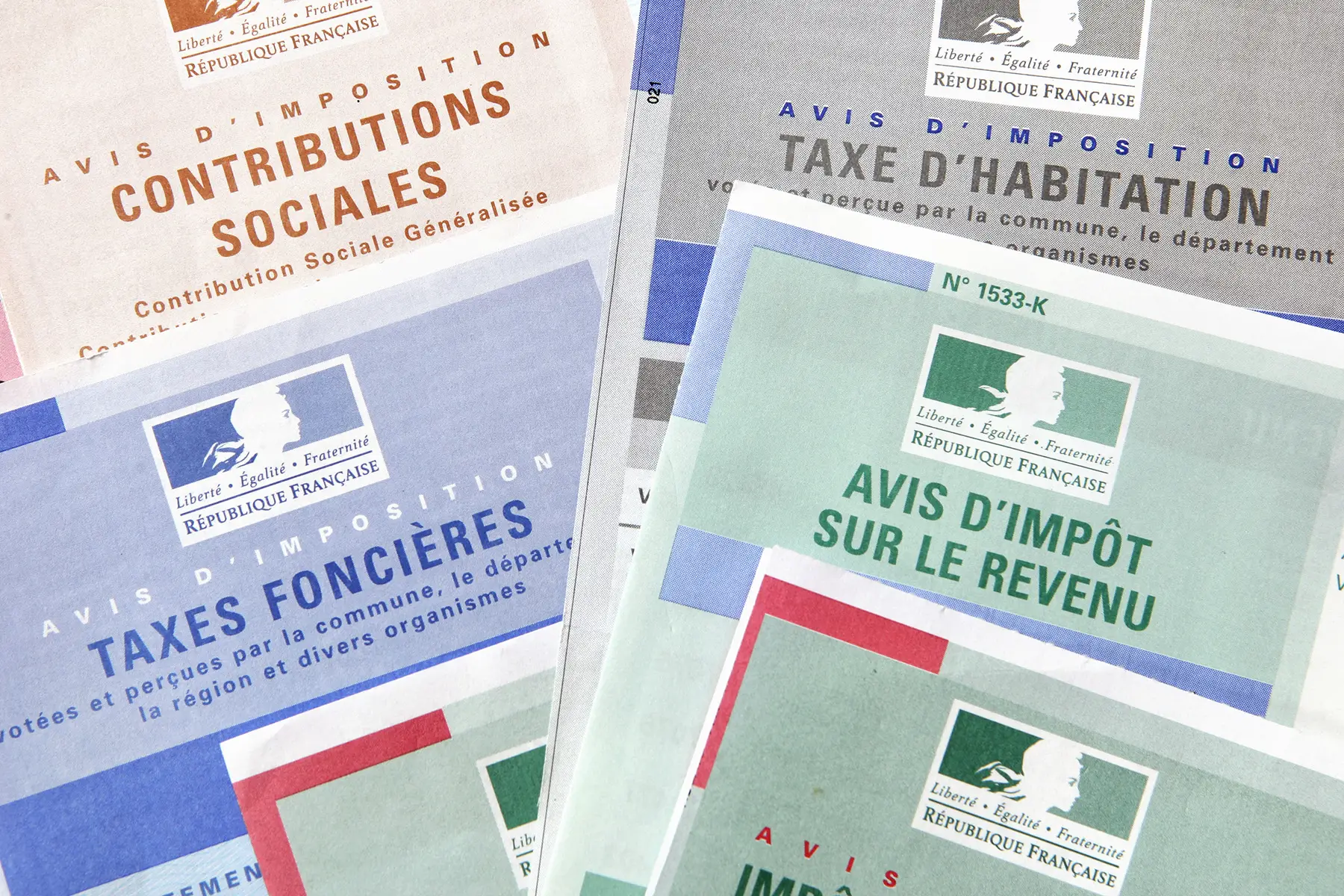
- Be mindful of tax-efficient savings: Research local tax rules and seek professional advice if you hold assets or income in multiple countries. Planning ahead can help you avoid double taxation.
Saving on healthcare and insurance costs
France has a high-quality public healthcare system, and while you usually have to pay upfront for your health appointments, if you’re eligible you could get 70% – 100% of the costs refunded by the government.

Many people choose to complement public care with private health insurance, which offers faster access to specialists, private clinics, and additional coverage such as dental or physiotherapy. Premiums vary depending on age and coverage, but comparing policies carefully can help you find good value for money.
To keep your healthcare costs manageable:
- Choose cost-effective insurance plans: If you opt for private health insurance, compare policies from different providers and select coverage tailored to your needs. Employers, universities, or professional associations sometimes offer discounted rates.
- Use preventive care: Regular check-ups, screenings, and vaccinations can help prevent more expensive treatments in the future.
- Opt for generic medications: When possible, ask if a generic version is available. They’re medically equivalent but typically much cheaper than branded drugs.
Building an emergency fund as an expat
Living abroad comes with unique financial uncertainties, from sudden travel needs and visa issues to unexpected changes in employment. That’s why having a solid emergency fund is especially important for expats. A common recommendation is to set aside 3–6 months of living expenses in an account that is easily accessible, so you can cover unexpected costs without stress. In France, this could include high-yield savings or current accounts that offer reasonable interest while allowing you to withdraw funds without penalty.
To make your emergency fund truly effective, it’s important to ensure it is accessible across borders. Many expats find multi-currency accounts, such as Wise, useful for holding funds in different currencies, converting when convenient, and accessing money internationally. Keep your emergency fund separate from daily spending or investment accounts to avoid dipping into it for non-urgent expenses. By planning carefully and choosing accounts that are liquid, safe, and internationally accessible, you’ll create a financial buffer that provides peace of mind and flexibility while living abroad.
Long-term financial planning
Thinking long‑term is crucial when you’re living abroad. Creating a roadmap for your future gives you peace of mind and ensures that your life in France isn’t just about today, but also about what comes next: retirement, property, repatriation, or staying global. Whether you’re exploring investment opportunities, planning your transition into retirement, weighing property ownership versus renting, or considering returning home (or elsewhere), setting a strategy now helps you stay in control.
Here are some key areas to focus on:
- Investment opportunities for expats: France offers a variety of investment options, from real‑estate to investment funds to pension investments. Be sure to consider currency risk, tax implications (local and home country), and how easy the investment is to manage from abroad.
- Retirement planning considerations: If you plan to retire in France or elsewhere, think about your income sources, how pensions or savings will be taxed, and your long-term healthcare or insurance needs. Consider early whether you intend to remain in France or return home, as this affects how you structure your savings.
- Property investment vs. renting: Buying property can be appealing, especially if you plan to stay for many years or rent it out. In France, the process for foreigners to purchase property is usually simple. But also weigh the costs: property taxes, maintenance, and lifestyle implications. For some expats, renting provides flexibility, especially if they might move again or aren’t sure how long they’ll stay.
- Repatriation financial planning: Even if you plan to stay in France indefinitely, circumstances may change. Family, health, economic conditions, or personal decisions may lead you back home or elsewhere. Think now about how assets will be handled across borders: where your pension will be paid, how you’ll access savings, whether investments are portable, and how currency or tax changes might impact you. Planning ahead reduces stress and gives you more options if the unexpected occurs.
Conclusion
Living abroad comes with unique financial challenges, but with planning and smart choices, you can make the most of your money and build long-term stability. Here are the key takeaways from this guide:
- Choose your home wisely: Compare options carefully, considering location, type of accommodation, and whether shared housing makes sense for your budget and lifestyle.
- Save on everyday costs: Be strategic with groceries, transportation, utilities, and entertainment, and take advantage of loyalty programmes and discounts when available.
- Choose the right banking option: Look for accounts with low or no fees, and consider a multi-currency account if you manage your money internationally.
- Build an emergency fund and think long-term: Set aside 3–6 months of living expenses and plan ahead for retirement, investments, and potential repatriation.
By implementing these strategies, you’ll be better equipped to manage your finances and gain peace of mind as an expat in France. To make international money management even easier, consider exploring Wise’s multi-currency account for cost-effective transfers and convenient access to your funds across borders.
Useful resources
- Wise – Landing page for Wise France
- French government – Rental pricing per municipality
- French government – Public health services and access
- Allianz – Explainer on the French public health system
- Selectra – Compare the costs of different energy suppliers
- RATP – Public transport in Paris, planner and maps
- SNCF – High speed rail information and booking
Last checked 11th December 2025