'%20id='ico-down'%20stroke='%23000000'%20stroke-width='1.5'%3e%3cg%20transform='translate(1092.250000,%20254.750000)'%3e%3cpolyline%20id='Path-2-Copy-4'%20transform='translate(5.500000,%202.750000)%20scale(1,%20-1)%20rotate(-180.000000)%20translate(-5.500000,%20-2.750000)%20'%20points='0%200%205.5%205.5%2011%200'%3e%3c/polyline%3e%3c/g%3e%3c/g%3e%3c/g%3e%3c/svg%3e)



'%20fill='%23000000'%3e%3cg%20id='icons'%20transform='translate(56.000000,%20160.000000)'%3e%3cpath%20d='M144,7339%20L140,7339%20L140,7332.001%20C140,7330.081%20139.153,7329.01%20137.634,7329.01%20C135.981,7329.01%20135,7330.126%20135,7332.001%20L135,7339%20L131,7339%20L131,7326%20L135,7326%20L135,7327.462%20C135,7327.462%20136.255,7325.26%20139.083,7325.26%20C141.912,7325.26%20144,7326.986%20144,7330.558%20L144,7339%20L144,7339%20Z%20M126.442,7323.921%20C125.093,7323.921%20124,7322.819%20124,7321.46%20C124,7320.102%20125.093,7319%20126.442,7319%20C127.79,7319%20128.883,7320.102%20128.883,7321.46%20C128.884,7322.819%20127.79,7323.921%20126.442,7323.921%20L126.442,7323.921%20Z%20M124,7339%20L129,7339%20L129,7326%20L124,7326%20L124,7339%20Z'%20id='linkedin-[%23161]'%3e%3c/path%3e%3c/g%3e%3c/g%3e%3c/g%3e%3c/svg%3e)
'%20fill='%23000000'%3e%3cg%20id='icons'%20transform='translate(56.000000,%20160.000000)'%3e%3cpath%20d='M335.821282,7259%20L335.821282,7250%20L338.553693,7250%20L339,7246%20L335.821282,7246%20L335.821282,7244.052%20C335.821282,7243.022%20335.847593,7242%20337.286884,7242%20L338.744689,7242%20L338.744689,7239.14%20C338.744689,7239.097%20337.492497,7239%20336.225687,7239%20C333.580004,7239%20331.923407,7240.657%20331.923407,7243.7%20L331.923407,7246%20L329,7246%20L329,7250%20L331.923407,7250%20L331.923407,7259%20L335.821282,7259%20Z'%20id='facebook-[%23176]'%3e%3c/path%3e%3c/g%3e%3c/g%3e%3c/g%3e%3c/svg%3e)

In Belgium, property taxes are determined by the region where the home is located, meaning your costs can vary significantly between Flanders, Wallonia, and the Brussels-Capital Region.
Buying property in Belgium often involves a total tax and fee burden of between 5% and 15% of the purchase price, depending on the region and whether it is your first home.
- What are the main property taxes in Belgium?
- Taxes on buyers
- Taxes on sellers
- Taxes on homeowners: recurring payments
- Is rental income taxed?
- First vs second home: tax implications
- How to save money on your property purchase
- Wealth taxes in Belgium
- How to pay your taxes
- When to speak to a tax professional
- Useful resources
Use Wise to save money on your property purchase
Buying a property abroad is a big step and involves important financial decisions. Wise, an international money transfer company, provides specialist support to help you navigate large international transfers and save on exchange fees. Fill out Wise’s online form today to find out how they can assist you.

What are the main property taxes in Belgium?
Belgium applies three primary types of taxation to property: one-off duties at the time of purchase, annual ownership taxes, and taxes on potential income or profit.
- Registration duties (transfer tax): A one-off tax paid by the buyer when a property changes hands.
- Annual property tax (Onroerende voorheffing): A recurring regional tax based on the property’s estimated rental value.
- Income tax on rental earnings: Tax applied to income generated if you rent out your property.
- Capital gains tax: A tax on the profit made when selling a property within a certain timeframe.
Who is subject to these taxes?
Most property taxes in Belgium apply to the legal owner of the property on 1 January of the tax year.
- Residents: Subject to all purchase, ownership, and income taxes; residents must also declare any real estate they own abroad.
- Non-residents: Required to pay registration duties on Belgian purchases and annual property taxes on Belgian real estate they own.
- Corporations: Businesses owning property face different corporate tax rates and are generally taxed on actual rental income rather than estimated values.
Taxes on buyers
When purchasing a property in Belgium, the largest upfront cost is the registration duty (transfer tax). The standard rate is 12.5% in Brussels and Wallonia, while Flanders typically charges 12% for investment properties or second homes.
- VAT (BTW/TVA): For “new” buildings (less than two years old), you usually pay 21% VAT on the building’s value instead of registration duties.
- Notary fees: While not a tax, these are legally required and typically range from 0.2% to 4% of the purchase price.
Exemptions and reductions
- Brussels “Abattement”: Buyers do not pay registration duties on the first €200,000 of the purchase price for their primary residence, provided the total price is under €600,000.
- Flanders primary home rate: From 1 January 2025, the registration duty for a “sole and primary residence” in Flanders is reduced to 2%.
- Wallonia primary home rate: Starting in 2025, Wallonia has reduced its registration duty for a first home to 3%.

Taxes on sellers
Selling a property in Belgium is often tax-free for individuals, provided they have owned the home for a significant period.
- Capital gains tax: If you sell a property (that is not your primary residence) within five years of purchase, you must pay a 16.5% tax on the profit.
- Speculation tax: Profits from “abnormal” asset management or speculative behavior may be taxed at 33%.
Exemptions
- Primary residence: Profit from the sale of your own home (main residence) is usually exempt from capital gains tax.
- Ownership duration: For houses and apartments, capital gains tax generally does not apply if you have owned the property for more than five years.
Taxes on homeowners: recurring payments
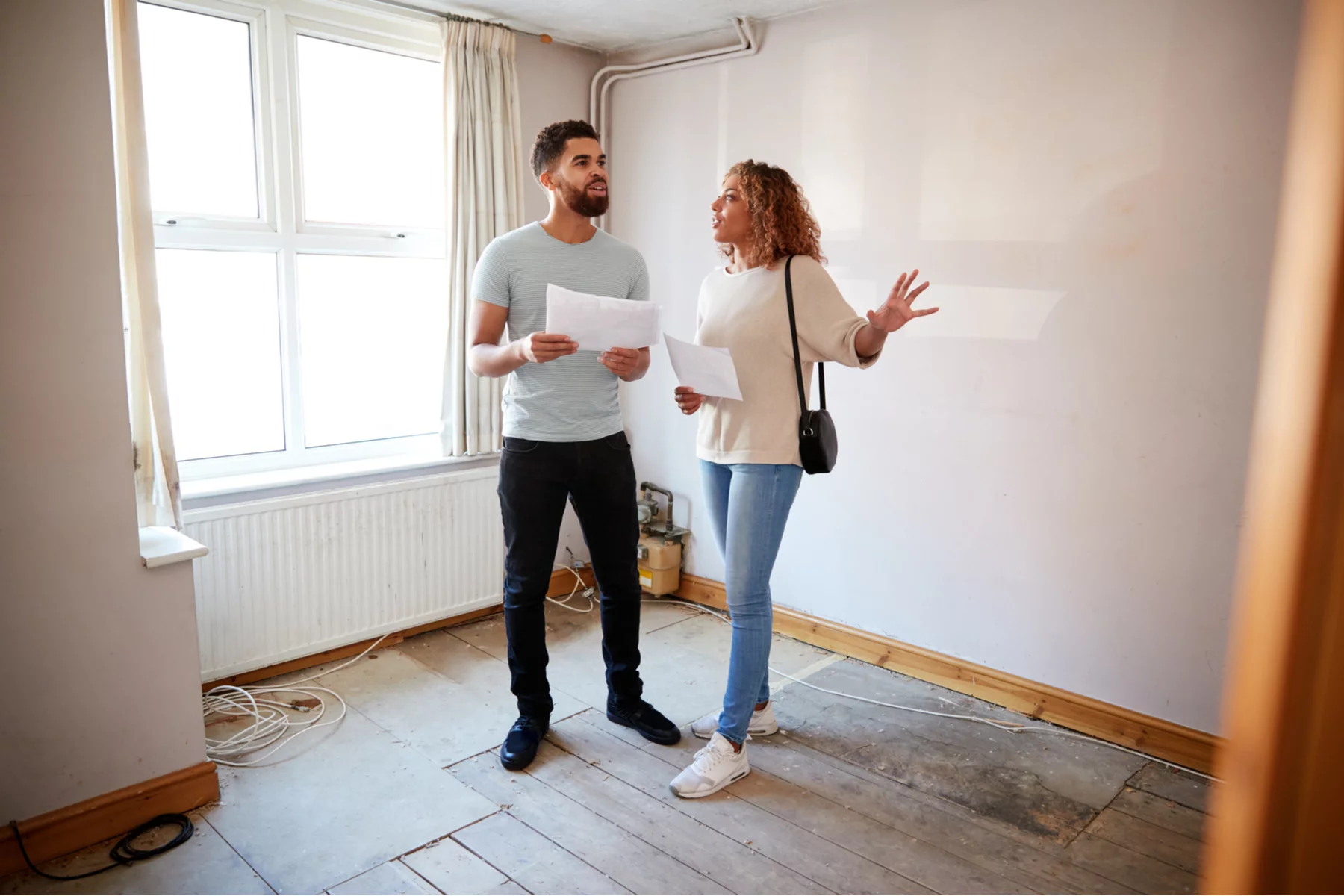
The annual property tax (Onroerende voorheffing or Précompte immobilier) is a regional tax paid every year. It is calculated as a percentage of the cadastral income (KI) – a fictitious annual rental value set by the government.
The rate varies by region and municipality but generally falls between 20% and 50% of the indexed cadastral income.
Exemptions and reductions
- Modest homes: A reduction may be available if the property is your primary home and has a low cadastral income.
- Dependent children: Households with at least two children may qualify for a reduction in their annual property tax.
- Disability: Owners or occupants with a recognized disability can apply for a tax reduction.
- Energy efficiency: Flanders offers reductions for newly built or renovated homes with high energy performance ratings.
Is rental income taxed?
Yes, rental income is taxed, but the method depends on how the property is used.
- Residential use: If you rent to an individual for private use, you are taxed on the indexed cadastral income increased by 40%. You are not taxed on the actual rent you collect.
- Business use: If you rent to a company or a professional, you are taxed on the actual net rent received.
Exemptions
- Maintenance deduction: For properties rented for business use, the tax authority automatically applies a 40% flat-rate deduction for maintenance and repair costs, which lowers your taxable base.
First vs second home: tax implications
The Belgian tax system heavily favors those buying their first and only home.
- Registration duties: In Flanders, a first home carries a 2% duty, whereas a second home or investment property is taxed at 12%.
- Income tax: Your primary residence is generally exempt from annual personal income tax, whereas second homes must always have their cadastral income declared on your annual tax return.

How to save money on your property purchase
Currency conversion costs can add thousands to the price of a home if you are moving money from abroad. Banks often charge hidden fees through marked-up exchange rates.
You can use Wise to move money to Belgium at the mid-market exchange rate with low, transparent fees.
- Pay the seller directly: You can use Wise to send large transfers directly to a notary or seller’s account.
- Move money between accounts: If you have already opened a Belgian bank account, you can use Wise to transfer funds from your US or home account with low, transparent fees.

Wealth taxes in Belgium
Belgium does not have a general “wealth tax” for individuals in the same way some other European countries do. However, a specific annual tax on securities accounts (taks op de effectenrekeningen) applies to accounts with a value exceeding €1 million.
Additionally, there is an annual wealth tax that specifically targets non-profit organizations (NPOs) and private foundations, with progressive rates up to 0.45% on assets over €500,000.
How to pay your taxes
The Federal Public Service (FPS) Finance (FOD Financiën / SPF Finances) is the primary tax authority in Belgium.
However, recurring property taxes are managed by regional authorities like Vlaamse Belastingdienst in Flanders and Brussels Fiscality in the capital.
When to speak to a tax professional
Buying or selling a house is a major financial commitment with long-term tax consequences.
It is usually a good idea to speak with a tax professional or a notary – who acts as a neutral legal advisor in Belgium – to ensure you are maximizing available exemptions and complying with regional regulations.
Useful resources
FPS Finance – Official website of the Belgian national tax office (checked 22 Dec 2025).
Flanders Tax Service – Information on property taxes specific to the Flemish region (checked 22 Dec 2025).
Brussels Fiscality (MyTax) – The portal for managing and paying property taxes in the Brussels-Capital Region (checked 22 Dec 2025).