


If you are newly settled, this often sits alongside the admin in your first week in Thailand. The real challenge is knowing when Wise is enough, when PromptPay or a Thai bank account still matters, and how your registered address changes features.
This guide covers Wise transfers, the multi-currency account, and the Wise card in a Thailand context. Use it to work out which setup applies to you, how to send or hold money, and where to keep a local fallback.
Limits, fees, and availability depend on your setup and can change, and the Thailand-specific rules below were checked on 1 September 2026.
Wise for life in Thailand
Whether you already live in Thailand or still earn and save abroad, a Wise account can help you hold and convert money before you spend it in baht.
- Hold and convert 40+ currencies, including GBP, EUR and USD
- Convert to Thai baht at the mid-market exchange rate with clear fees shown upfront
- Spend by Wise Card in Thailand's malls, supermarkets and online
- With a Thai registered address, pay by PromptPay QR and Thai QR

Key takeaways
- Transfers: Best for money into Thailand or eligible THB remittances abroad, but fees, routes, and timing vary.
- Multi-currency account: Best for holding GBP, EUR, or USD transferred from an account in your name, before converting to THB.
- Card spending: Best for making daily payments in malls, supermarkets, and many restaurants.
- ATM withdrawals: Best abroad for some users, but Thai-address cards cannot withdraw in Thailand.
- Local payments: Best for Thai-address users who may get PromptPay and Thai QR – feature access depends on setup.
How Wise works in Thailand
Wise can be used in Thailand for transfers, holding currencies, and spending, but the experience depends on where your account is registered and which product you use. That is why it often sits alongside, rather than replacing, the options at major local banks in Thailand such as Bangkok Bank, Kasikornbank, and Siam Commercial Bank.
Wise isn’t a bank or a Thai e-wallet, so for salary, rent and personal QR payments, pair it with a Thai bank account and PromptPay.
Which Wise account setup applies to you in Thailand?
Before you do anything else, it helps to know that the country you live in changes the features of your Wise personal account.
A Thai address can unlock local features, but it also brings Thailand-specific limits and restrictions from Wise’s local setup. If you’re just visiting Thailand and have a home address elsewhere you may not have a Thai Wise account, but if you’re a resident already then your Wise account should be registered to Thailand.
| Feature | Thai-address Wise account | Non-Thai-address Wise account |
| Receiving money | Some third-party non-THB receipts may be converted automatically into THB | Receiving rules depend on the account’s home market |
| Outbound transfers | Can include THB transfers abroad, subject to Thailand limits | Depends on the home-country setup and route |
| Local payments | May include PromptPay and Thai QR features for eligible users | May rely more on card payments and other supported routes |
| ATM access in Thailand | Wise card cash withdrawals in Thailand are not available | Depends on your card setup and local ATM acceptance |
How to send money to Thailand and abroad with Wise
Most expats use Wise for two jobs: sending money into Thailand for rent or living costs, and sending money back out when the route is available. For local context, see Expatica’s guide to international money transfers in Thailand.
Step by step for funding, converting and sending
Check the route first. Look at the sending currency, the receiving currency, and whether you are paying from a foreign bank account, a Thai bank account, or an existing Wise balance.
Add the recipient. For Thailand, that may mean a bank account, and for some local payments it may mean PromptPay details if your setup supports them.
Review the live fee, exchange rate, and delivery estimate before you confirm. This matters because Wise fees in Thailand vary by route, amount, payment method, and whether a currency conversion is involved.
Fund the transfer. Depending on the route, you may need to use your foreign bank account, your Thai bank account, or money already held in Wise.
Track the transfer in the app. Large or urgent transfers can trigger extra checks, including identity or source-of-funds prompts, so leave extra time if the payment is important.
For example, if you want to send your home currency to a landlord or your own Thai account, Wise will show whether the money should be sent directly or added to a balance first. If you are sending money out of Thailand, check whether THB limits or an extra conversion applies before you start.

Writer
Claire
Insider tip
If you are funding a transfer from Thailand, set up the recipient first and keep your Thai banking app ready. QR-based payment steps can be quicker than re-entering details under time pressure.
How to use the Wise multi-currency account in Thailand
The multi-currency account matters if you are paid in one currency, spend mostly in THB, and still move money between countries. In practice, it works best as a holding and conversion tool, not just a place to park money.
Holding, receiving and topping up currencies
Wise is most useful here when you want to decide when to convert, instead of converting every payment the moment it arrives. That can help if you are paid in GBP, EUR, or USD but only need part of it in THB each month.
One thing worth knowing is that holding a currency is not always the same as receiving a payment in that currency. For Thai-address accounts, Wise says some non-THB payments from third parties or into foreign currency account details are converted automatically into THB, while money you add from your own foreign bank account can still go into the matching balance.
A simple checklist helps:
- Hold foreign currency if you know you will need it later for travel, tuition, or bills outside Thailand.
- Convert into THB earlier if the money is for local rent, groceries, or a monthly spending pot.
- Top up from your own foreign bank account if you want to keep the original currency balance.
- Treat incoming third-party foreign currency payments carefully, because they may not stay in GBP, EUR, or USD on a Thai-address account.
- Keep enough THB ready for local life, especially if your landlord or neighbourhood businesses prefer local transfers.
Next step: if you manage money across countries, explore whether holding and converting currencies in Wise fits your monthly routine.
How to use the Wise card in Thailand
The Wise card is a handy spending tool, but it’s not usually a full replacement for every local payment method. Thailand is a mixed payment market, so card acceptance, QR habits, and cash still vary a lot by setting.
Paying by card, QR and cash withdrawal workarounds
In practice, the Wise card in Thailand is usually most useful in malls, chain supermarkets, larger cafés, international restaurants, and online purchases. It is less reliable as your only payment method in night markets, smaller cafés, some taxis, and independent shops where Thai QR or cash still dominates.
You may be able to pay with Wise in Thailand, without relying on the Wise card. Wise customers in Thailand can also scan and pay using supported local QR payment systems directly from the Wise app. This includes PromptPay QR codes.
PromptPay is Thailand’s popular local payment system, built for transfers and QR payments using a phone number, citizen ID, or linked account. Wise says eligible Thai-address personal customers may get PromptPay and Thai QR features, but bear in mind that support depends on the network and where your account is registered.
Practical spending rules:
- Expect the best card acceptance in Bangkok malls, chain stores, and big supermarkets.
- Expect more QR-only or cash-first behaviour in local markets, street food spots, and some taxis.
- If your account supports it, Thai QR can help bridge the gap where cards are patchy.
- If a card terminal offers a currency choice, pick THB and avoid dynamic currency conversion.
- Keep a fallback. For many expats, that means a Thai bank account, another payment card, or a small cash buffer.
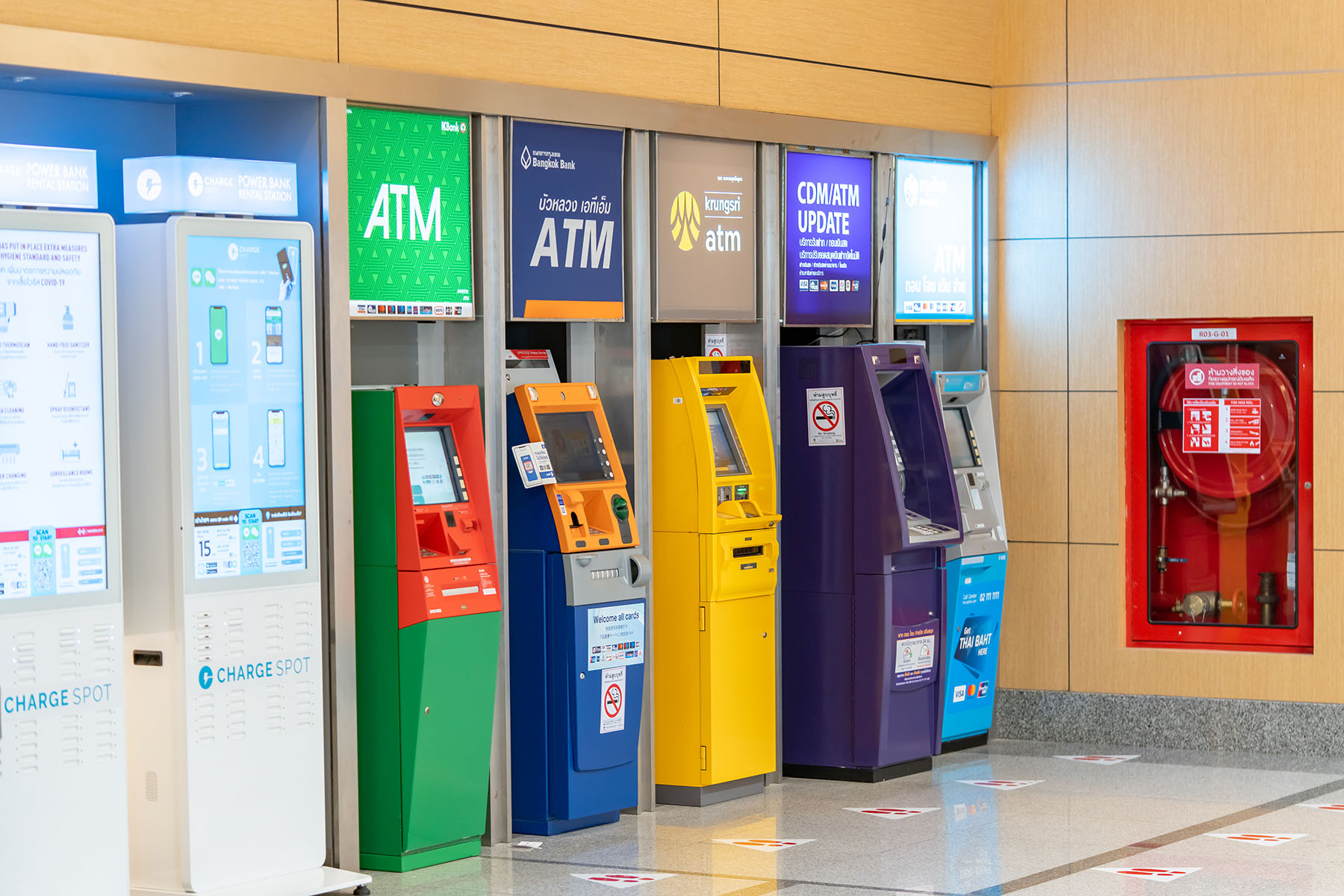
Current official Wise guidance says Thai-address Wise cards cannot be used for ATM withdrawals inside Thailand. If cash access matters to you, plan ahead by opening a bank account in Thailand, getting another card, or keeping a cash buffer.
Thailand-specific fees, limits and verification rules
This is the section to read before you rely on Wise for a large payment or your full monthly budget. Some of the limits and rules explained here are rolling out to customers on a staged basis, throughout August to October in 2026. Check the latest details for your own account depending on when you initially opened it.
What changes for Thai-address accounts
- Outward remittances: Wise says outward remittances from THB to a foreign currency are limited to ฿800,000 per day for Thai-address customers.
- Daily account use: Payments or transfers made from currencies in the Wise multi-currency account start with a daily limit of ฿30,000, and Wise says that limit can rise as you use the account more.
- THB conversion: Converting THB into another currency has a daily limit of ฿750,000.
- Smaller THB caps: Some THB payments, transfers, or THB top-ups are capped at ฿10,000 per transaction.
- Receiving foreign currency: Some third-party non-THB receipts on Thai-address accounts are converted automatically into THB before they land in your balance.
What this means in practice is that a monthly salary top-up or family support transfer may still work smoothly, but a property payment, a large overseas transfer, or a multi-step currency route needs checking first. If tax or residency issues matter, confirm your position with the Thai Revenue Department or a qualified adviser, because treatment can vary.
Check the Wise Thailand update page and your in-app limits before you make assumptions. Rollout timing, verification steps, and route availability can change.
Common mistakes expats make with Wise in Thailand
Most problems come from treating Wise like it works the same everywhere. In Thailand, the real friction points are usually local payment habits, Thai-address rules, and cash access.
Common mistakes to avoid include:
- Assuming the Wise card replaces every local payment method
- Not checking whether the account is registered to a Thai address
- Giving out foreign currency account details without checking how the money will land
- Forgetting that smaller merchants may still want Thai QR or cash
- Relying on Wise alone for rent, urgent bills, or last-minute cash needs
For most expats, the best setup is to use Wise for cross-border transfers, holding currencies, and everyday spending, but keep a local backup through a Thai bank account or cash buffer.
FAQ
Frequently asked questions about how to use Wise in Thailand
Can I use Wise in Thailand without a Thai bank account? 
Many expats can use Wise in Thailand without opening a Thai bank account, especially for incoming transfers and card spending. A Thai bank account still helps with rent, local QR habits, and cash access when card acceptance is patchy.
Can I use the Wise card at ATMs in Thailand?
That depends on your setup. Current official Wise guidance says cards linked to Thai-address Wise accounts cannot be used for ATM withdrawals inside Thailand, so check the latest help pages before you rely on cash access.
Can I receive GBP, EUR, or USD into Wise while living in Thailand?
It depends on how your account is registered and how the money arrives. For Thai-address accounts, Wise says some third-party non-THB payments are converted automatically into THB, while money added from your own foreign bank account may still stay in the original currency balance.
Does Wise work with PromptPay in Thailand?
PromptPay is Thailand’s popular local payment system for low-fee transfers and QR payments. Wise says eligible Thai-address personal customers may get PromptPay and Thai QR features, but you should verify availability on your own account before depending on it.
Is Wise safe to use in Thailand?
Wise has built in automatic and manual safety measures which are designed to keep customers and their accounts secure. In practice, you should still follow the usual checks, complete verification properly, and confirm live feature rules in-app before you depend on a specific service.
How long do Wise transfers to Thailand usually take?
/Transfer times vary by currency route, funding method, banking hours, amount, and verification needs, so the live estimate in the app is the one that matters most.
Useful resources
(Checked 1st September 2026)


