
'%20id='ico-down'%20stroke='%23000000'%20stroke-width='1.5'%3e%3cg%20transform='translate(1092.250000,%20254.750000)'%3e%3cpolyline%20id='Path-2-Copy-4'%20transform='translate(5.500000,%202.750000)%20scale(1,%20-1)%20rotate(-180.000000)%20translate(-5.500000,%20-2.750000)%20'%20points='0%200%205.5%205.5%2011%200'%3e%3c/polyline%3e%3c/g%3e%3c/g%3e%3c/g%3e%3c/svg%3e)


Finance
Banking
Mobile banking in Portugal
Mobile banking in Portugal is a great option for expats who want convenient banking and instant access to their account no matter where they are.

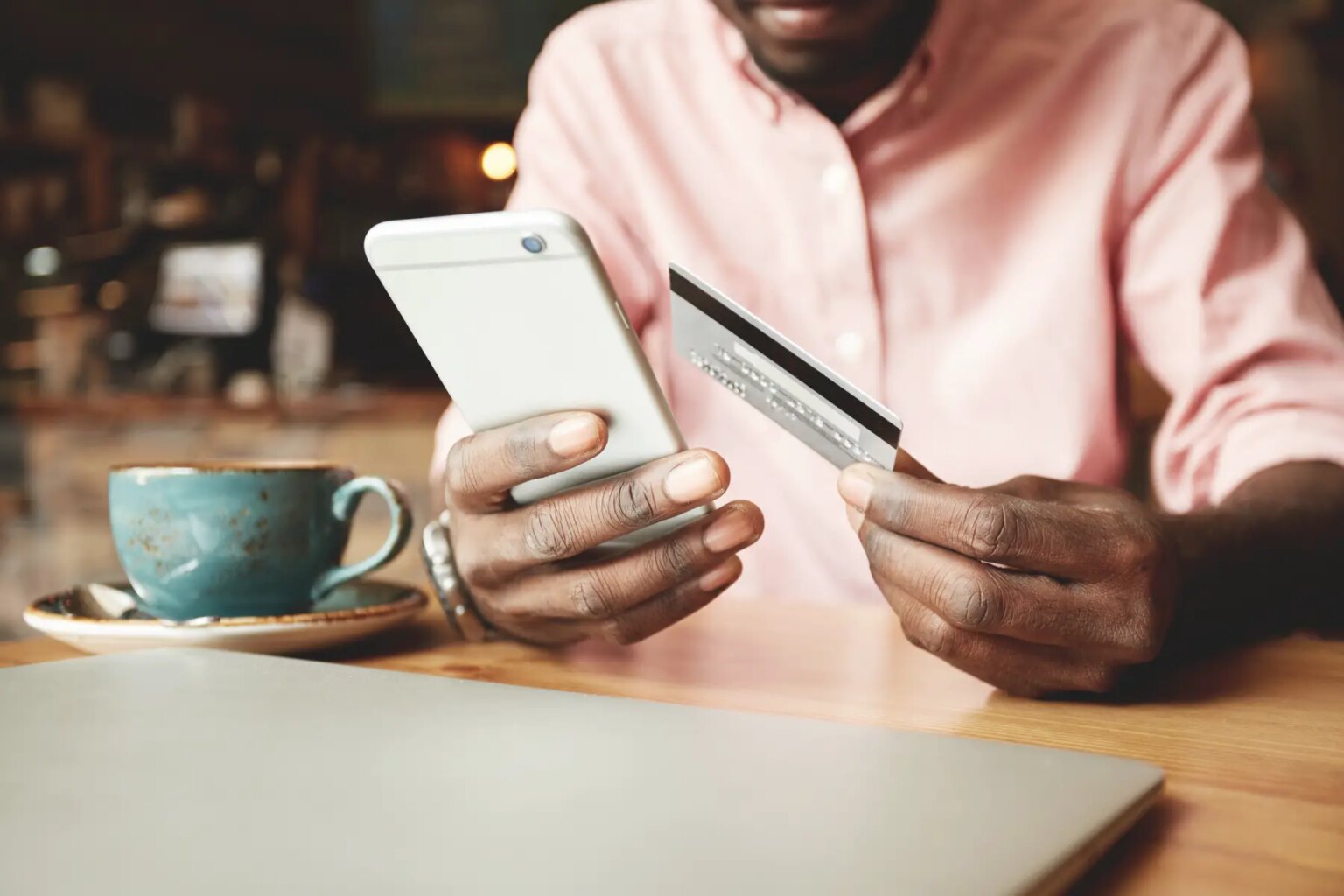
Portugal’s banking sector consists of a mix of traditional banks alongside newer digital-only models. If you’ve relocated to Portugal and are looking into local banking options, then a mobile account could be the most convenient setup.
This guide to mobile banking and mobile payments in Portugal features information on:
Openbank
If you’re moving abroad, you want your finances to be easy to access and completely secure. Openbank offers current accounts, investments, and a range of financial products including payment cards for travel. Open an account with Openbank to manage your money safely, securely, and efficiently.

Mobile banking in Portugal
Although most people in the country still bank using traditional means, digital and mobile banking in Portugal is beginning to catch on. Approximately 39% of Portuguese use online banking and e-commerce, up from 25% just five years ago. However, this is below the EU average of 54%.
Most mainstream financial providers in Portugal now offer mobile banking and mobile payment options. These are usually available as apps that are downloaded onto smartphones and tablets. Providers include:
- online and mobile banks such as:
- traditional Portuguese banks such as:
- Millennium BCP
- Novobanco
- Banco BPI
- smartphone payment systems such as:
- Apple Pay
- Google Pay
Features of mobile banking in Portugal
Once you have downloaded the mobile banking app onto your smart device, you can start banking and making payments without having to venture to a bank or even an ATM. Mobile banks give you instant 24/7 access to your account and can be opened in minutes.
Each banking provider in Portugal offers its own set of mobile banking features. Common features include:
- Mobile payments made from your smartphone, with some accounts also allowing ATM withdrawals to be coordinated from your mobile device
- Money management tools such as budget planners and account trackers
- Same-day money transfers
- Account alert functions so you know when money is going in and out of your account
- Secure fingerprint log-in
- Messaging systems where you can communicate with banking staff

As mobile banking is a relatively new technology, there are limitations. Not many mobile accounts offer services such as borrowing, so you may still have to arrange this through traditional routes. Cross-border money transfers are a feature of most mobile banks in Portugal, but transferring funds between foreign currency accounts might be tricky.
There is also the issue of WiFi connection, which could be a problem in some of the more rural areas of Portugal. However, Portugal has good quality internet coverage in general.
Mobile payments in Portugal
Cash and traditional forms of payment are still the norm in Portugal. However, online payments are growing by around 21% annually and mobile payments by 35%.
Multibanco has long been the most popular form of payment in Portugal. This inter-bank network is used by around 86% of the population. As smartphone use increases in Portugal, so does the number of people using alternative forms of payment via their mobile devices.
Mobile payments in Portugal can include bill payments from mobile devices, payments between individuals via smartphones and contactless payments made from a mobile device instead of a credit or debit card. They are made using Near Field Communication (NFC) or QR matrix bar code technology where devices are waved over a scanner or payment point.
There are a number of different mobile payment apps available to Portuguese consumers, including:
- Apple Pay and Google Pay available for Apple and Android smartphones;
- PayPal mobile wallet which enables money transfers to other users;
- banking apps which enable bill payments to be made easily from mobile phones;
How to open a mobile bank account in Portugal
Opening a mobile account in Portugal with a traditional bank
The process for this depends on whether you are already using this bank’s services, and which services you are using.
- If you already have an account with the bank and are registered for online banking, you just need to download the mobile banking app from the bank’s website and follow the instructions.
- If you have an account but are not registered for online banking, you’ll probably need to set this up first before downloading the app.
- For those without an account, you’ll need to first open an account with the bank. You might be able to do this online, but more likely you’ll have to pay a visit to a branch. See our guide to opening a Portuguese bank account for more information.
- If you want to open a bank account from outside Portugal, it’s worth using an online service such as Anchorless.io or Bordr. They can also help you to apply for your NIF.
Opening an account with a mobile-only bank
You can open an account with most mobile banks in only a few minutes from your mobile phone or tablet. You probably won’t need to provide any documentation; if you do, it will be a scanned or photographed copy.
The exact process for opening an account will vary with different banks, but you will usually do this via the mobile banking app or the bank’s website. Expect to provide:
- personal details including full name, date of birth, and address;
- mobile number and email address;
- if you want enhanced security protection on your account, you’ll need to provide biometric data such as fingerprint or profile picture.
Most mobile-only banks are global, so it won’t matter if you are not a Portuguese resident. You will need to check the website or terms and conditions for additional requirements, e.g. minimum deposit if you are opening a high-interest account.
Mobile banking fees in Portugal
If you have a standard mobile account in Portugal, basic services such as bill payments, transactions, and account maintenance are free with most banks. All you will need to pay for is your internet connection costs.
Some mobile bank accounts do place certain limits on transactions, for example, the number of mobile payments or ATM withdrawals you can make free of charge each month. Check for a list of charges and limitations on their website.
Charges for things such as overdrafts, credit cards, or borrowing costs are usually the same as what they would be for a standard bank account if these services are available with your mobile account. Again, you should be able to get a full list of fees from bank staff or the website. You can also check our guide to banking in Portugal for information.
Fees for mobile payments made to Eurozone countries will be free or low cost. For countries using other currencies, the fees will be higher. See our guide to international money transfers in Portugal for more information.
Mobile banking security in Portugal
Portugal experiences a relatively low level of banking and credit card fraud. According to 2016 EU figures, fraud accounts for less than 0.02% of all card transactions in Portugal. This is lower than the EU and Eurozone averages.
That’s not to say that there is no risk of fraud or scams in Portugal. Account-holders, especially those using online or mobile banking in Portugal, are advised to take all necessary precautions to protect their private data.
Contrary to some fears among the public, digital banking is actually the most secure form of banking. Safety features are more advanced and providers are constantly working to improve security measures. Current features include:
- biometric ID protection (fingerprint, face, or voice recognition);
- instant card-blocking features;
- high encryption

You can protect your bank account and personal data by:
- using biometric security options if available, or choosing a high-strength password if not;
- avoiding public WiFi networks when logging into your account;
- logging out of your account immediately after using it;
- making sure you only use secure payment platforms
If you feel that you have been the victim of fraud or a scam, or if your mobile device gets stolen or lost, contact the police as well as your bank immediately. See our guide to emergency numbers in Portugal for a list of contacts.
Useful resources
- Banco de Portugal – regulating authority for Portuguese banks, including mobile banks


Did you find this guide helpful?