'%20id='ico-down'%20stroke='%23000000'%20stroke-width='1.5'%3e%3cg%20transform='translate(1092.250000,%20254.750000)'%3e%3cpolyline%20id='Path-2-Copy-4'%20transform='translate(5.500000,%202.750000)%20scale(1,%20-1)%20rotate(-180.000000)%20translate(-5.500000,%20-2.750000)%20'%20points='0%200%205.5%205.5%2011%200'%3e%3c/polyline%3e%3c/g%3e%3c/g%3e%3c/g%3e%3c/svg%3e)



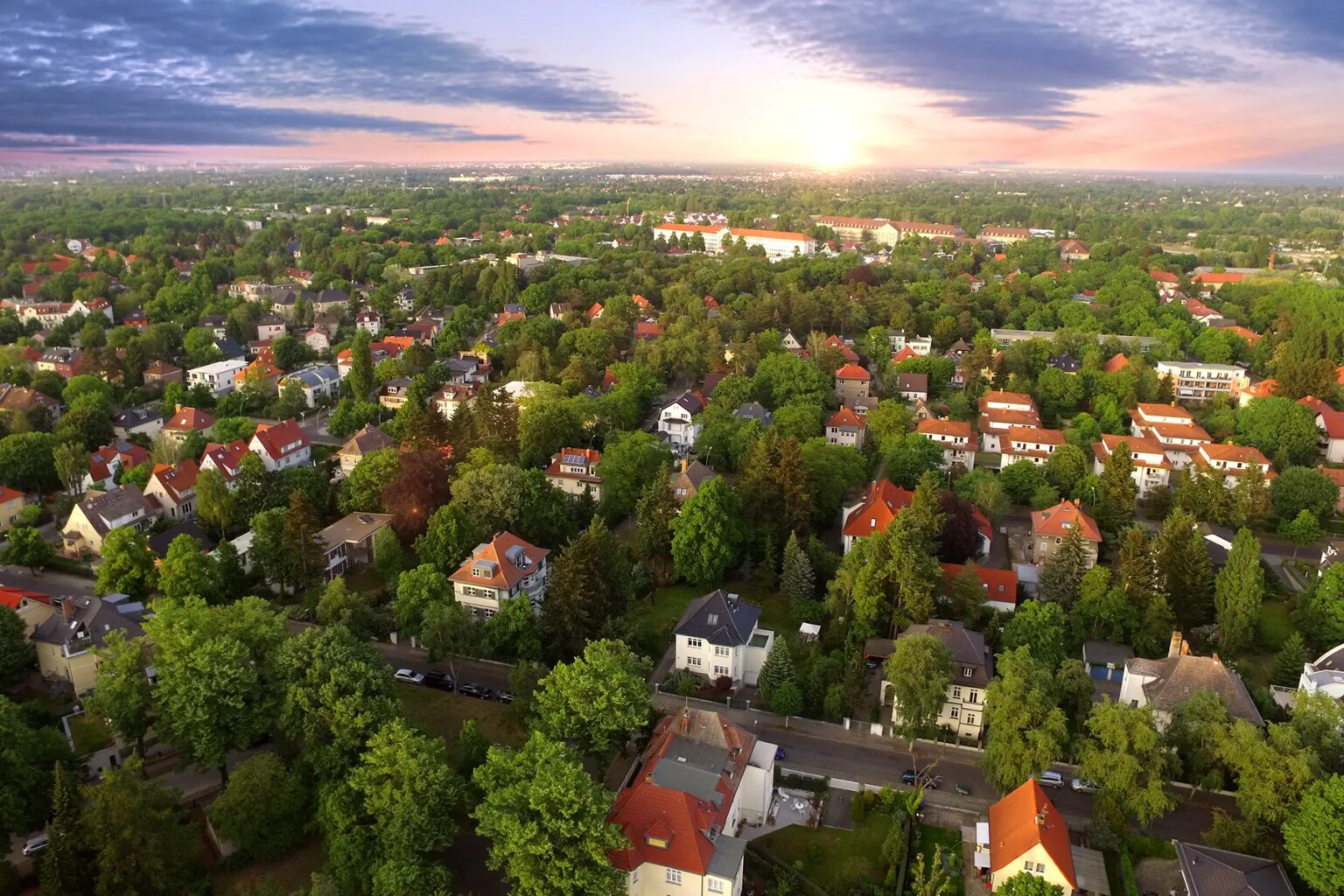
Looking to cut your monthly repayments or pay back your home loan more quickly? Refinancing your mortgage in Germany has some quirks you won’t find elsewhere in Europe. As an expat, it’s important to get your head around how the different types of mortgage deal work and how much remortgaging could cost.
For expats refinancing in Germany, managing international finances can add another layer of complexity to the process. Whether you’re transferring funds from abroad to cover refinancing costs or making ongoing mortgage payments from a foreign account, understanding your options for efficient currency conversion can help you make the most of your refinancing decision.
Learn more about the process, how much it will cost, and how long it will take by reading the following sections:
Hypofriend
Buying a home in Germany? The certified German mortgage broker Hypofriend can help. They combine advanced algorithms to tailor the right mortgage product to your personal circumstances. Unlike most comparison websites, they do not solely focus on the cheapest product, but on the product that is right for you, ensuring long-term financial security.

Why refinance your mortgage in Germany?
There are several reasons why homeowners in Germany look to refinance their mortgages. Here are the main ones:
Reducing your mortgage payments
Mortgages in Germany tend to have longer fixed periods than some European countries, with 10 and 15-year terms being the most common. The biggest reason to remortgage is if you are coming to the end of your fixed term and you want to switch to a better deal. For example, if you are currently paying 2% on a fixed-term loan of €200,000, and then you are reverted to 4% at the end of the term, your payments could increase from around €1,000 a month to more than €1,200.
Remortgaging also allows you to make use of equity you have built up in your home. As you make repayments on your mortgage, you will build up the share (equity) of the home that you own outright. For example, if you take out a mortgage at 75% loan-to-value, you already own 25% of the home. After 10 years of making repayments, you will own a greater share, meaning you can remortgage at a lower loan-to-value (perhaps as low as 60%) and cut your monthly repayments.
German mortgage calculators
You can find out how much you might be able to borrow and get an estimate of your mortgage rate by using an online mortgage calculator:
- Hypofriend mortgage calculator
Reducing your mortgage term
Alternatively, if the value of your property has grown significantly, or you have made a big dent in your overall balance, you could consider switching to a shorter overall term. This means that while you won’t benefit from incredibly low monthly payments, you could shave a number of years off your overall loan, leaving you mortgage-free earlier than you had planned.
If switching to a shorter term seems a bit risky, some deals will allow you to pay more each month on a more informal basis. Many mortgages will allow you to overpay as much as 5% or 10% of the overall outstanding balance each year. Not all deals allow voluntary overpayments (sondertilgung), so check your contract first.
Funding home improvements
In some situations it can make sense to make significant improvements to your home, perhaps by adding extensions or extra bedrooms. Many homeowners fund these improvements either by using their savings or taking out a personal loan. It can be possible, however, to fund home improvements by remortgaging instead.

This could be a good option if the mortgage rate you can obtain will be significantly lower than the best personal loan rate that’s available to you. Before pursuing this option, though, be aware that borrowing more money will result in higher monthly repayments, and could mean it takes you longer to pay off your mortgage.
Which mortgage should you choose in Germany?
When you come to remortgage your home in Germany, you will find a series of options available to you. The three main options are as follows:
- Refinancing is a common option for homeowners when their fixed-period is due to end in the next 6 to 12 months, or if they have been paying their mortgage for more than a decade;
- Forward mortgage can be taken out five years in advance to secure a good rate;
- Prolongation is designed for homeowners looking to extend their current mortgage with their existing lender.
Refinancing your mortgage
Refinancing your mortgage (umschuldung) means switching to a new deal with your current bank or a different provider at the end of your fixed term. When switching provider you may need to pay some fees, but these are often outweighed by the better rate you will be switching to – even a small drop in your interest rate can make a big difference over the term of your mortgage.
With dozens of providers available, it makes sense to take some time weighing up your options and comparing deals. It can also be useful to enlist a mortgage broker to find the right product for your circumstances.
Forward mortgages
Forward mortgages are unique to the German housing market. In simple terms, a forward mortgage allows you to agree on a deal now to start at the end of your fixed term, which can be anytime up to five-and-a-half years (66 months) in the future.
The benefit of a forward mortgage is that you will be able to secure a long-term rate now when prices are low, giving you peace of mind should rates rise in the future. You can agree a forward mortgage between six and 66 months before the end of your fixed term. To avoid penalties, you will need to provide a six month notice period.
If you set up a forward mortgage for a long time in the future (for example, more than 3-4 years), you can expect to pay a higher rate, as banks will price in expected rises in interest rates to mitigate their risk.
Forward mortgages aren’t the right product for everyone. One of the downsides is that if mortgage rates drop, you will be tied to the deal for the long run. And if you want to get out of the deal or sell your house you could be subject to a big fee. With this in mind, these deals are best for risk-averse homeowners who aren’t planning to move in the forseeable future.
Prolonging your mortgage
A prolongation of your mortgage is when you sign a new agreement with your current lender, based on you continuing your deal at the end of the fixed period.
The process of doing this is simple, but it isn’t often the best option, as other providers might be able to offer you a more attractive rate. With this in mind, you should do your research and consider employing a mortgage broker to find you the right deal.
You can find out more about the specific types of mortgage deal in Germany in our guide to getting a mortgage in Germany.
When can you refinance your mortgage in Germany?
Most commonly, people remortgage their property as they come to the end of their current deal’s fixed period, although this doesn’t always have to be the case. This is because there is a rule in Germany that allows homeowners to refinance their loan penalty-free after they have been paying it off for 10 years.

After 10 years, you can provide six months of notice to switch your mortgage, so theoretically you can change your deal at any time after 10-and-a-half years.
Early repayment charges on mortgages in Germany
If you have a long-term fixed-rate mortgage and have been paying it off for less than 10 years, you are likely to face significant early repayment charges (vorfaelligkeit-sentschaedigung) if you attempt to repay or switch your deal. These charges can be a percentage of the original loan, resulting in a very significant outlay.
Alternatively, some lenders will charge the difference between the current government bond rates and the interest rate you currently pay during your fixed term. With this in mind, you are better off either waiting until the end of your fixed term to switch or selecting a forward mortgage if you are able to.
The German remortgaging process
The easiest way to switch your mortgage is to take advice from an independent mortgage broker. A broker will generally compare the whole market and find the cheapest option for your circumstances. This part of the service is usually provided free of charge. If you choose to go ahead with the deal, you may then need to pay a fee to the broker.
Once the mortgage is agreed, your broker will set up the credit agreement and the new lender will arrange for the mortgage to be switched from your current bank. In this instance, you don’t need to do anything. It is possible to switch mortgages yourself by comparing deals and approaching banks directly, but generally speaking, getting an expert to help you can save you money in the long run.
For expats who need to transfer funds from abroad to cover refinancing costs—such as down payments, fees, or ongoing mortgage payments—it’s worth considering how you’ll handle currency conversion. Using a service like Wise that offers the mid-market exchange rate with transparent fees can help minimize currency conversion costs compared to banks, potentially saving you money on large transfers during the refinancing process.
How long does it take to refinance your mortgage?
When you come to refinance your mortgage, you will usually need to provide a series of documents, such as proof of ownership of the property, proof of income, and identification. This process shouldn’t be too onerous as you will already have these documents from your first mortgage.
Once you have agreed a refinancing deal, it can take a couple of weeks for the new lender to approve and process your application, although how long this takes will vary depending on your current bank, the new bank, and your mortgage broker.
Your new lender will be required to put you through the usual affordability calculations before approving your mortgage. This can include checking your credit report and financial circumstances. Beware of your current bank offering you a deal that appears attractive on paper or attempting to convince you that switching deals can be too costly and time-consuming, as this doesn’t need to be the case.
How expensive is it to refinance your mortgage?
Assuming that you are able to remortgage without facing early repayment charges, switching deals needn’t be incredibly expensive. That said, there are some fees you might need to pay.
First of all, some mortgages come with administration or set-up fees, which varies from deal-to-deal. Beware of this when comparing products, as some products might have exceptional interest rates but come with expensive fees, resulting in the overall cost being more than it seems on paper.
When refinancing, you might also need to pay broker and notary fees, so it’s important to get to grips with how much it will cost in your specific situation before deciding whether now is the right time to refinance.
For expats transferring money from abroad to cover these costs, it’s also worth factoring in any currency conversion fees. Choosing a money transfer service that offers competitive exchange rates can help reduce your overall refinancing expenses.
Conclusion
Refinancing your mortgage in Germany can be an effective way to reduce your monthly payments, shorten your loan term, or free up funds for home improvements. By understanding the different mortgage options available—whether refinancing, forward mortgages, or prolongation—and being aware of the costs and timing involved, you can make an informed decision that supports your financial goals.
For expats, managing international finances during refinancing adds an extra consideration, but with the right tools and planning, it doesn’t have to be complicated. Explore how Wise) can help you manage currency conversion and international transfers efficiently as you navigate your mortgage refinancing journey.
Frequently asked questions
What is the difference between refinancing and prolonging my mortgage in Germany?
Refinancing (Umschuldung) means switching to a new mortgage deal, either with your current lender or a different provider, typically at the end of your fixed term. This allows you to shop around for better rates and terms across the market.
Prolonging your mortgage, on the other hand, means extending your existing deal with your current lender at the end of your fixed period. While prolongation is simpler and requires less paperwork, it often doesn’t offer the most competitive rates since you’re not comparing deals from other providers. Most experts recommend refinancing and comparing the whole market to ensure you get the best deal for your circumstances.
Can I refinance my mortgage in Germany if I have less than 10 years left on my fixed term?
Yes, but you may face significant early repayment charges (Vorfälligkeitsentschädigung). In Germany, there’s a special rule that allows homeowners to refinance penalty-free after they’ve been paying their mortgage for 10 years, with six months’ notice required. This means you can realistically switch after 10.5 years. If you want to refinance before the 10-year mark and you’re still within your fixed-rate period, your lender may charge a substantial fee—often calculated as a percentage of the original loan or as the difference between current bond rates and your interest rate. For this reason, it’s usually better to wait until the end of your fixed term or use a forward mortgage if you want to secure rates in advance.
How much equity do I need to refinance my mortgage in Germany?
The amount of equity you have in your property can significantly affect your refinancing options and the rates available to you. When you first take out a mortgage in Germany, loan-to-value (LTV) ratios typically range from 60% to 80%, meaning you own 20-40% of the property outright. As you make repayments over the years, you build up more equity. When refinancing, having greater equity—for example, an LTV of 60% or lower—can help you qualify for better interest rates since you represent lower risk to lenders. The more equity you have, the more favorable terms you’re likely to receive. If your property value has increased since you purchased it, you may find you have more equity than you initially realized, which can work in your favor when refinancing.
How can expats manage international payments when refinancing their German mortgage?
Expats often need to transfer funds from abroad to cover various refinancing costs, including down payments, closing fees, broker charges, and even ongoing mortgage payments if they maintain accounts in other countries. The key challenge is managing currency conversion efficiently to avoid losing money on poor exchange rates and high transfer fees.
Using a specialized service like Wise can help expats manage these payments more efficiently. Wise offers international transfers at the mid-market exchange rate with transparent fees, which can result in significant savings when transferring large amounts. With a Wise account, you can also hold multiple currencies and get local EUR account details, making it easier to manage your finances across borders during the refinancing process.
Do I need a German bank account to refinance my mortgage?
Yes, you will typically need a German bank account to refinance a mortgage in Germany. Lenders require a local bank account for setting up direct debit payments for your monthly mortgage installments. This ensures reliable, automatic payments and is standard practice across German banks.
However, if you’re an expat managing finances in multiple countries, you don’t necessarily need to conduct all your banking through a traditional German bank. Services like Wise offer multi-currency accounts that include local EUR account details, allowing you to receive funds in Germany and manage your international finances more efficiently.