


Many expats in Bangkok, Phuket, or Chiang Mai want to keep some money in GBP, especially if a salary, pension, rental payment, or freelance income still arrives from the UK. However, it’s important to know that your visa status, branch practice, and Bank of Thailand rules can affect what accounts you are actually allowed to open and how useful they are day to day.
The shortlist below compares four realistic routes: an app-led multi-currency account from Wise, two Thai foreign currency deposit accounts, and an offshore expat account. Let’s dive right in.
Key takeaways
The right GBP account for you depends on what matters most to you: everyday multi-currency management, local Thai banking, or offshore GBP holding. Here’s a quick summary before we go into detail on each provider below.
- Wise
- Good for: Everyday app-led use
- Can hold GBP? Yes
- Main Thailand limitation: Thai-address features can differ by profile
- Standout feature: Multi-currency management
- Bangkok Bank FCD account
- Good for: Holding GBP locally in Thailand
- Can hold GBP? Yes
- Main Thailand limitation: Branch opening and no ATM card
- Standout feature: A local Thai bank relationship
- Kasikorn FCD account
- Good for: Thai app users
- Can hold GBP? Yes
- Main Thailand limitation: Non-resident minimums can be high
- Standout feature: Strong mobile banking brand
- HSBC Expat account
- Good for: Offshore banking for higher balances
- Can hold GBP? Yes
- Main Thailand limitation: High entry threshold
- Standout feature: GBP account held outside Thailand
*Details in this guide have been taken from publicly available sources, and checked on 11th August 2026
For wider context on moving money in and out of the country, our guide: International money transfers in Thailand explains the broader Thai rules.
1. Wise account
Wise is often a good option for a GBP account in Thailand for expats who care about flexibility. Wise is not a bank. Wise is a financial institution. It lets you manage money across currencies in one app and makes the conversion cost clear. Currency conversion uses the mid-market exchange rate with no hidden charges included (see current rates and fees), and you see the fee and the exchange rate separately before you convert.
Wise customers with a Thai registered address are being moved to its local Thailand entity, with new features rolling out in 2026. If you want an account to receive and hold third-party GBP payments, read the details of these Wise account changes first. They may mean incoming payments are converted to THB automatically. However, you can still add and hold GBP from your own accounts with no forced conversion.
- Good fit if you mainly want to hold, convert, and move GBP between your own accounts
- Less certain if you need UK receiving details for third-party payments while registered in Thailand
- Thailand users may face payment, transfer, or card limits that are different from other markets
Who it might suit
This option suits expats paid in GBP, remote workers invoicing UK clients, retirees moving pension income, and anyone who prefers app-led money management over branch visits. A typical use case is converting part of a GBP balance each month to cover rent and living costs in Bangkok or Chiang Mai.
What to check before relying on it
Before you treat Wise as your main GBP solution, separate holding money from receiving money. Holding a GBP balance, GBP receiving details, and outbound transfers may not work the same for Thailand-based users compared to Wise account holders in other countries.
Confirm before you open:
- how incoming GBP payments are treated from your own accounts vs third party payments
- current transfer, payment, and card limits if your registered address is in Thailand
- currency conversion rates and fees, which are available in the Wise app
Check current Thailand availability, fees, and limits on the Wise Help Centre before relying on it for a large GBP transfer.
2. Bangkok Bank FCD (Foreign Currency Deposit) account
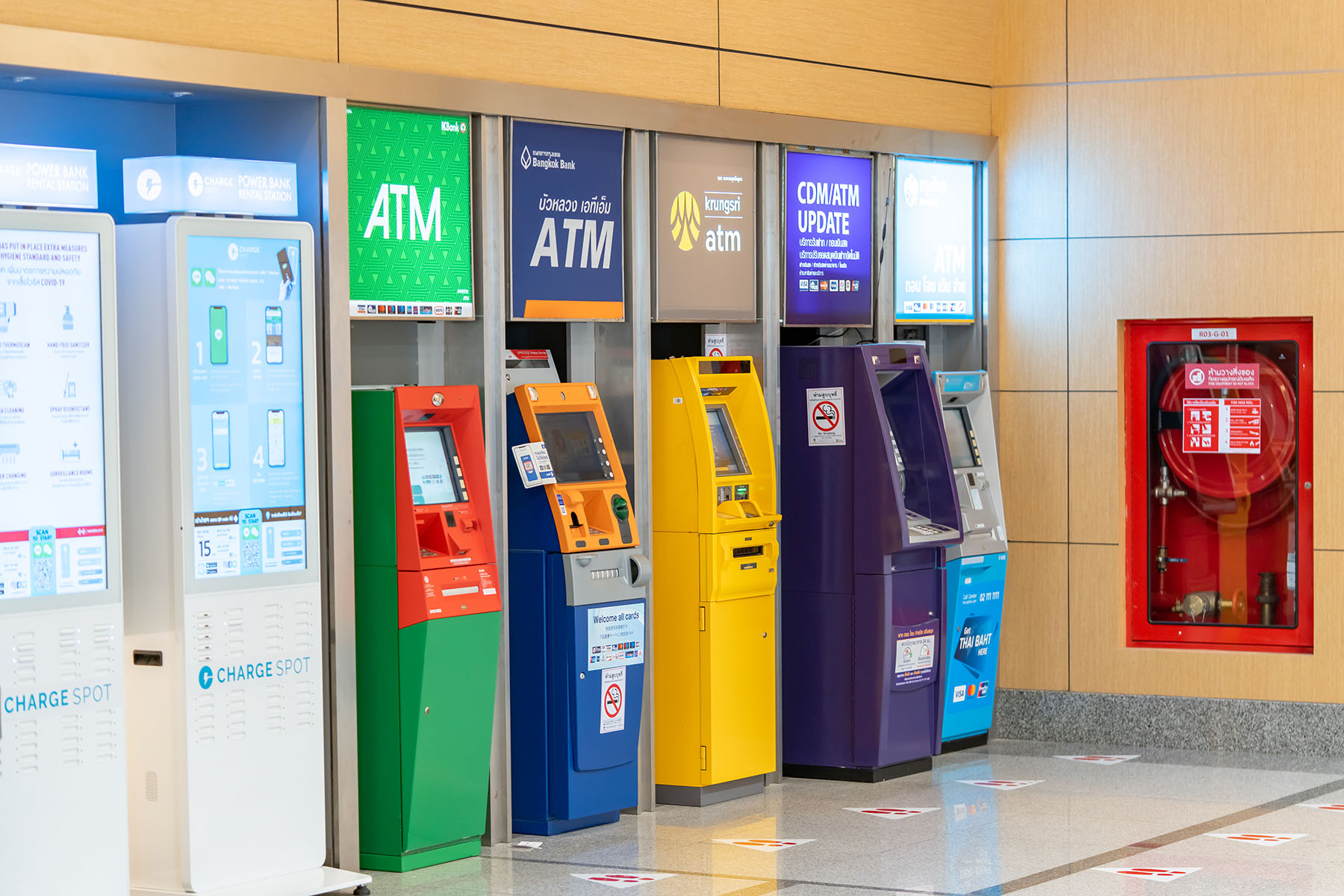
Bangkok Bank is one of the clearest local-bank routes if you want to hold GBP inside Thailand through a foreign currency deposit, or FCD, account. The bank says its non-resident FCD account supports 14 currencies, including GBP, and can be opened at branches that provide FCD services.
This can be a sensible choice if you already use Bangkok Bank or want a Thai banking relationship for incoming foreign funds before converting them to baht. The trade-off is convenience. The account is better for holding or converting foreign currency than for day-to-day spending, as an ATM card is not available.

Writer
Claire
Insider tip
Expats often have more luck at larger Bangkok branches that handle foreign customers regularly, but branch practice still varies, so call ahead and confirm the document list before you visit.
Who it might suit
This is a stronger fit for expats who want a local Thai bank account, may already hold other Bangkok Bank products, or need a more domestic route for holding foreign funds before converting to THB for expenses.
What to check before relying on it
One thing worth knowing is that Thai FCD products can sound more flexible on paper than they feel in daily life. Check whether the account is mainly a storage and conversion tool or something you can use smoothly alongside your regular Thai banking.
Confirm before you open:
- minimum opening deposit and any balance level needed to avoid maintenance fees
- exact branch document requirements, which can differ by visa type and residency status
- whether you need online access only, because cash card access is limited
3. Kasikorn FCD account
Kasikorn also offers GBP through its FCD range, and it tends to appeal to expats who want foreign-currency capability inside a Thai bank with a strong digital reputation. That does not mean the full experience is fully digital, though. Opening is still branch-led, and the bank separates resident and non-resident eligibility quite clearly.
If you are weighing it against other local options, our article on Banking in Thailand: the best Thai banks for expats gives the broader Thai-bank picture.
For residents, Kasikorn lists GBP as an available currency and says there is no limit on maximum balances.
For non-residents, the practical hurdle is higher. Kasikorn’s current and savings FCD accounts show a USD 5,000 minimum deposit and a USD 10 monthly maintenance fee if the balance falls below USD 5,000, which is a meaningful barrier if you only need a light-touch GBP account.
Writer
Claire
Insider tip
Bring more paperwork than the headline checklist suggests, including your passport, visa, Thai address proof, and evidence of why you need the account, because staff may ask for extra support depending on your branch and status.
Who it might suit
This option suits expats who want GBP holding within a Thai banking setup and care about mobile usability, especially if most of their day-to-day finances already sit inside Thailand.
If app experience matters as much as currency support, our guide: Mobile banks and banking apps in Thailand helps set expectations.
What to check before relying on it
Before you apply, you still need to confirm which FCD type is open to your status and whether the account will actually work well for regular conversion, incoming foreign funds, or everyday access.
Confirm before you open:
- non-resident opening minimums and how the USD 10 monthly fee below the required balance works
- if your only option remains branch-only opening and any extra documents linked to visa, address, or source of funds which may be needed
- whether you really need a Thai-bank app first, or a simpler multi-currency option
4. HSBC Expat account
HSBC Expat is the clearest offshore route in this shortlist. It gives you a dedicated account in GBP, EUR, or USD outside Thailand, which can appeal if you want to keep part of your banking life offshore rather than depending on a Thai branch for every foreign-currency task.
The trade-off is a much higher bar to entry. HSBC says you need either investments or savings of £75,000, or to already be an HSBC Premier customer and have at least £10,000 to save or invest with HSBC Expat.
It is also a different regulatory setup from a Thai bank account. HSBC Expat accounts are held in Jersey, and eligible deposits fall under the Jersey Bank Depositors Compensation Scheme rather than Thai deposit protection or the UK Financial Services Compensation Scheme.
- Best for readers who want part of their GBP banking outside Thailand
- Poor fit if you want the simplest everyday account for local life
- Offshore protection and rules are different, so read the terms carefully
Who it might suit
This is best for higher-balance expats, internationally mobile professionals, or readers who want a dedicated offshore banking relationship and are comfortable meeting stricter entry rules.
What to check before relying on it
Offshore does not automatically mean more practical for life in Thailand. Before applying, confirm that Thailand is an eligible country of residence for your profile, review the account’s location and fees, and make sure you understand how Jersey deposit protection differs from Thai bank protection.
Confirm before you open:
- minimum funding or savings thresholds for the account you want
- whether a Jersey-held account fits your tax, reporting, and practical banking needs
- whether you still need a separate Thai account for salary, bills, or local cash flow
FAQ
Frequently asked questions about the best GBP account in Thailand
Can foreigners open a GBP account in Thailand? 
Often, yes, but different options suit different needs. A foreigner in Thailand may qualify for a Thai FCD account, an offshore expat account, or a multi-currency provider, depending on visa type, residency status, registered address, and the provider’s own rules. Some branches and products are far more expat-friendly than others.
What is the difference between a GBP account and a foreign currency deposit account in Thailand?
A GBP account is an account that lets you hold pounds. A Thai foreign currency deposit account is a specific bank product under local rules, and while it may support GBP, it is not always designed for easy daily spending or simple UK-style receiving features.
Do I need a long-term visa to open a GBP account in Thailand?
Usually, you need stronger residency evidence for Thai bank accounts than many older expat guides suggest. Major local banks often want a qualifying visa, address proof, and sometimes extra supporting documents, while offshore or non-bank options may assess you differently.
Can I receive UK payments into a GBP account while living in Thailand?
Sometimes, but this is not always easy or cheap. Holding GBP is not the same as receiving UK-local payments, and some Thailand-based setups may handle incoming non-THB money differently from what UK-based users expect. Check the details for your provider carefully.
Is Wise available for expats in Thailand?
Wise is available in Thailand, but the feature set can differ for customers with a Thai registered address. Wise’s current Thailand guidance says changes are rolling out through 2026, and some receiving, transfer, payment, and card features are not identical across users. Check the latest Thailand Help Centre pages before you rely on it for holding, receiving, or spending GBP.
This guide is for general information only, not financial, legal, tax, or immigration advice. Holding GBP can reduce rushed conversions, but your balance still carries exchange-rate risk when you later convert to THB.
Useful resources
(Last checked 11th August 2026)
- Bank of Thailand exchange control rules, for official guidance on resident and non-resident foreign-currency accounts
- Bangkok Bank FCD account for non-residents, for GBP support, branch opening, and online-management limits
- Kasikorn foreign currency deposit accounts, for resident and non-resident rules, minimums, and fees
- Wise Thailand account changes, for the latest Thai-address feature updates and limits
- HSBC Expat account, for offshore eligibility, supported currencies, and Jersey deposit protection details


