
'%20id='ico-down'%20stroke='%23000000'%20stroke-width='1.5'%3e%3cg%20transform='translate(1092.250000,%20254.750000)'%3e%3cpolyline%20id='Path-2-Copy-4'%20transform='translate(5.500000,%202.750000)%20scale(1,%20-1)%20rotate(-180.000000)%20translate(-5.500000,%20-2.750000)%20'%20points='0%200%205.5%205.5%2011%200'%3e%3c/polyline%3e%3c/g%3e%3c/g%3e%3c/g%3e%3c/svg%3e)


Education
Children's Education
International schools in Russia
We outline the different types of international schools in Russia as well as the various curricula on offer and the enrollment process for expat parents.


Important notice from the Editor in Chief
Maintaining our Russian site is a delicate matter during the war. We have chosen to keep its content online to help our readers, but we cannot ensure that it is accurate and up to date. Our team endeavors to strike the right balance between giving information to those who need it, and respecting the gravity of the situation.
If you are moving to Russia with your family, you may be considering enrolling your children in an international school. However, due to the wide range of options available, this may seem like an intimidating task.
But luckily, this guide provides all the information you need about international schools in Russia, including the following:
The Russian education system
Although it might not appear in the highest rankings, Russia’s education system is generally well-regarded. According to the 2018 OECD/PISA survey of standards among 15-year-olds, Russia ranked 31st in the world in mathematics, 34th in science, and 30th in reading.
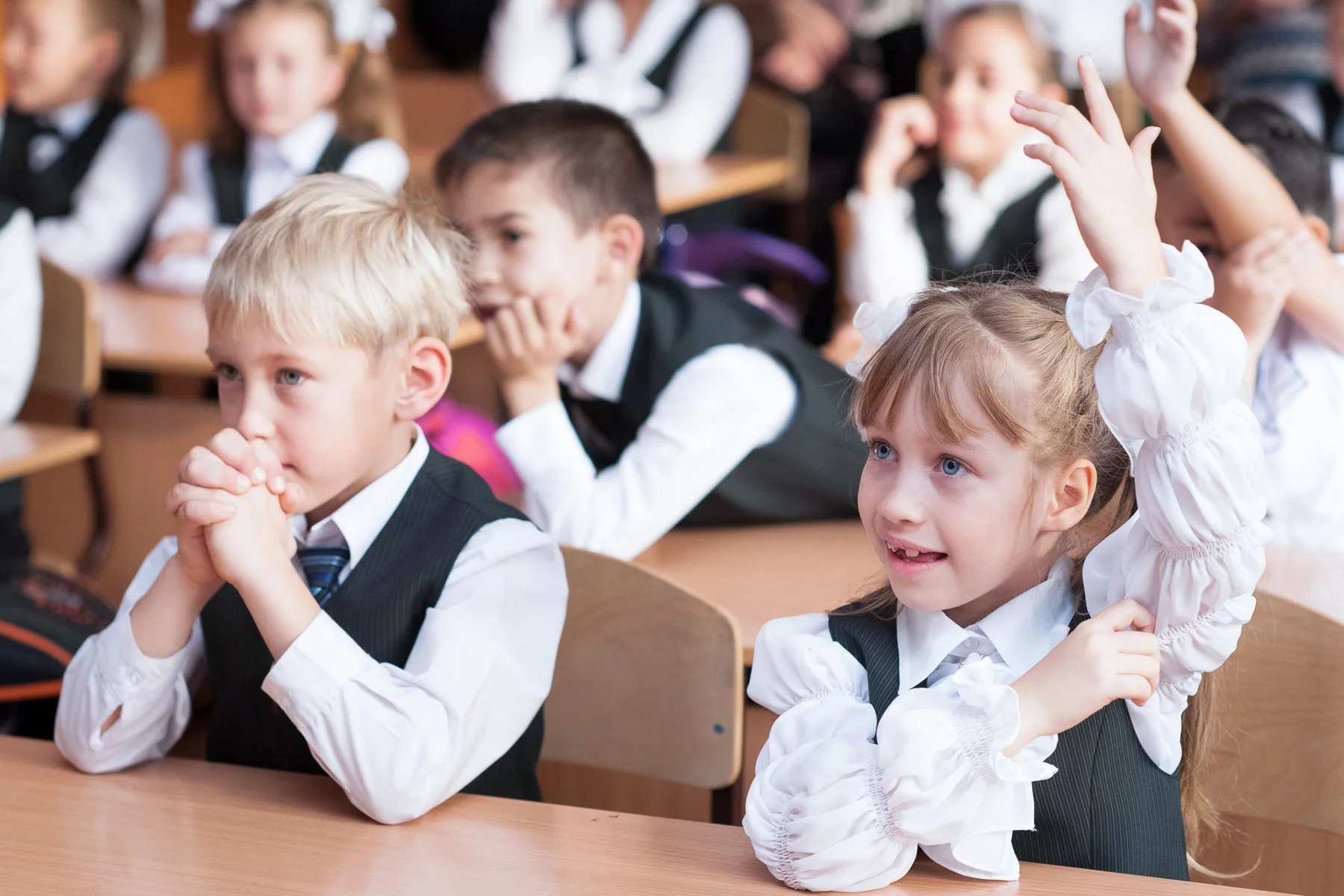
Schooling in Russia is compulsory from the ages of six to 15, with most students choosing to remain in education until the age of 18. Children attend primary school until the age of 10, then move on to a secondary curriculum until at least 15. However, in most cases, students attend a single school for the duration of their education.
International schools in Russia
The majority of expat parents in Russia send their children to privately-run international schools, which can be found in most major cities. While these schools tend to charge hefty fees – some as much as ₽2,300,000 per year – they generally offer a high standard of primary and secondary education which is set to an international curriculum.
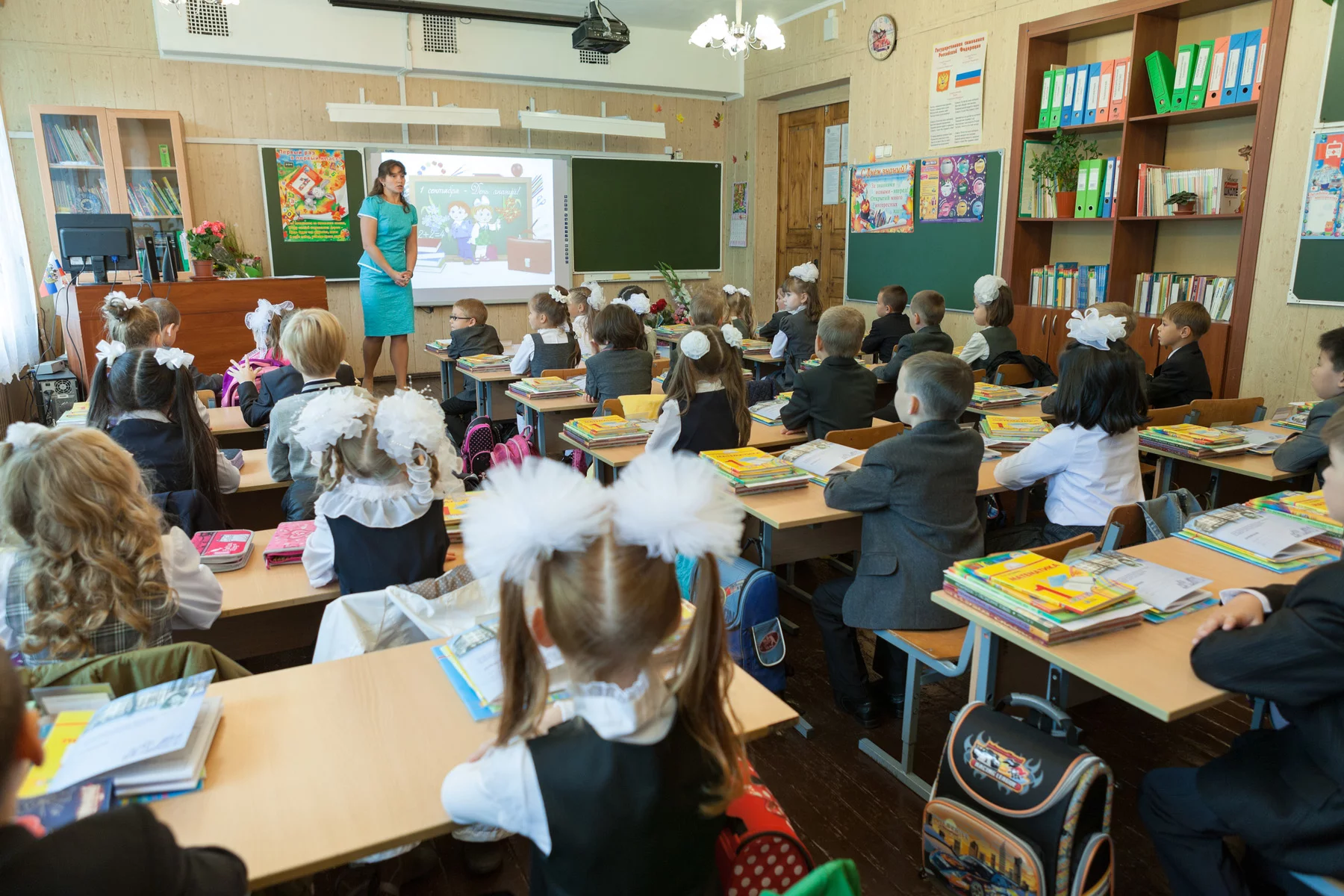
Russia’s largest cities, Moscow and St. Petersburg offer the widest range of international schools available, with the capital, in particular, being home to more than 20 institutions that suit most requirements. Meanwhile, smaller cities such as Kazan, Samara, and Tyumen offer schools that primarily operate for the benefit of international students.
Importantly, if you are planning to send your child to an international school in Russia, you should be aware that most of them have long waiting lists. Therefore, it is a good idea to submit your application as soon as you have chosen a school.
Types of international schools in Russia
Parents who wish to send their children to international schools in Russia have several options. The most widespread international schools are those following the British, US, and International Baccalaureate (IB) curricula.
However, Moscow, in particular, also offers expat parents from other countries, such as Germany, France, and Italy, the opportunity to provide their children with an education based on their countries’ own curricula.

While most international schools in Russia are coeducational day schools, there are some boarding schools too. These might be of interest to expats who are based in smaller towns and cities that don’t have their own international schools.
International Primary Curriculum (IPC)
The International Primary Curriculum (IPC) is a globally recognized curriculum for children aged five to 12. It is based on the curriculum taught at British international schools and prioritizes intercultural awareness, student engagement, and academic rigor. Furthermore, each subject has learning goals that are tied to students’ personal and community development.
International Baccalaureate (IB) in Russia
The International Baccalaureate (IB) is an international education program offered to students aged three to 19 years by schools in 138 countries. Due to its broad international recognition, the IB is often a popular choice among expat families; particularly those who move regularly between countries.
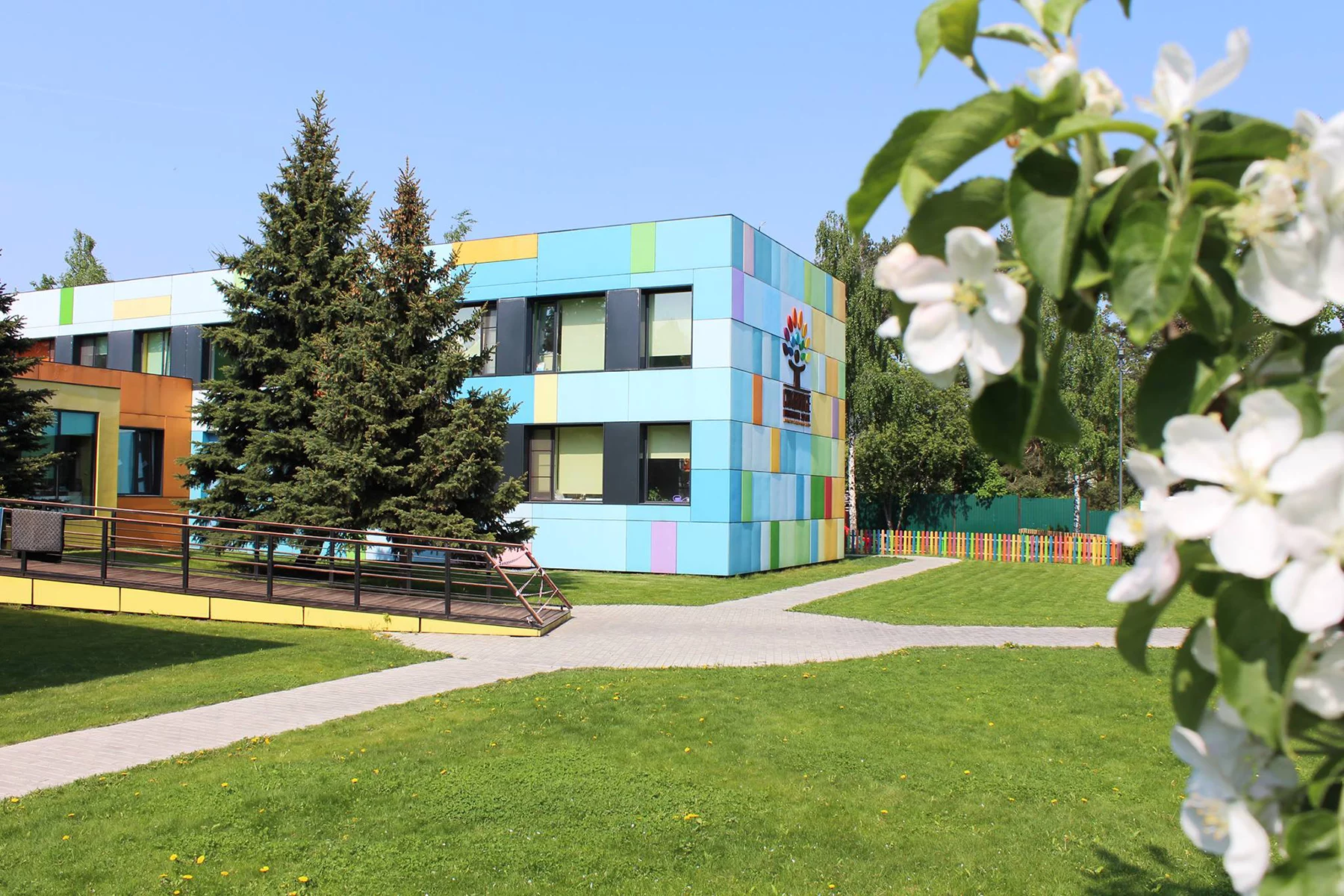
The IB curriculum consists of three main programs:
- Primary Years Program (PYP) – taught to pupils aged three to 11 and consisting of six core subjects: mathematics, language, science, art, social studies, and physical education.
- Middle Years Program (MYP) – taught to pupils aged 11 to 16. The program contains eight core subjects: the six core PYP subjects, as well as literature and design.
- IB Diploma – a pre-university program taught to pupils aged 16 to 19. Students study six subjects, which must include a second language, science, and mathematics, as well as an additional course on the theory of knowledge.
Russia is home to more than 50 schools that offer International Baccalaureate qualifications. Of these, 47 teach in English, and 11 offer bilingual education in Russian and English.
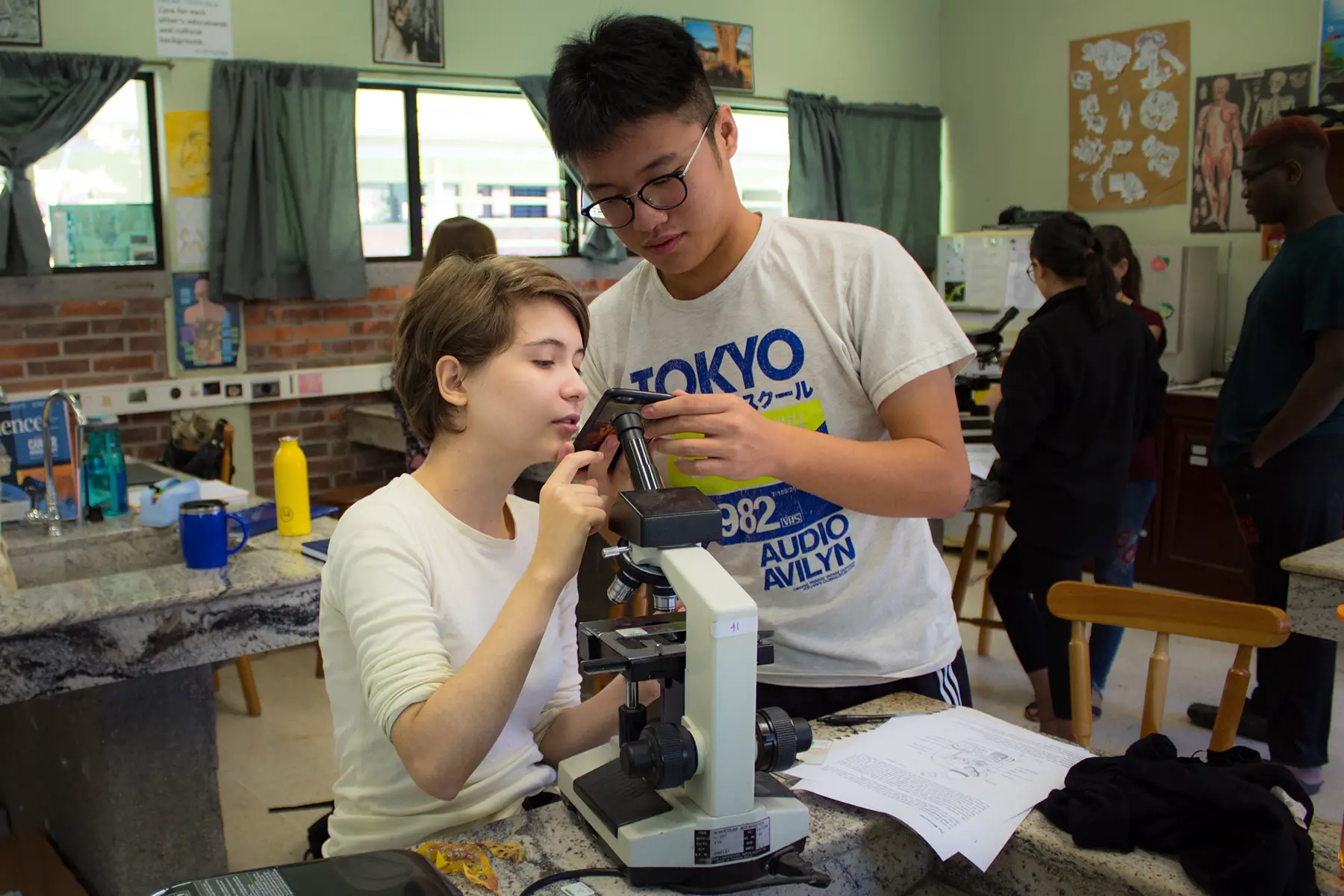
These include the following international schools:
- British International School (BIS), Moscow
- Brookes International IB School, Moscow and Saint Petersburg
- Cambridge International School (CIS), Moscow, Gorki, and Saint Petersburg
- International School of Herzen University, Saint Petersburg
- International School of Samara, Samara
American international schools and Advanced Placement (AP)
American international schools follow the curriculum of the United States, so they are suitable for the children of US expats and those who wish to continue their studies at a university in Canada or the US. Like in the States, American schools divide their study into elementary, middle, and high school. Some American international schools also offer SAT preparation classes and Advanced Placement (AP) courses.
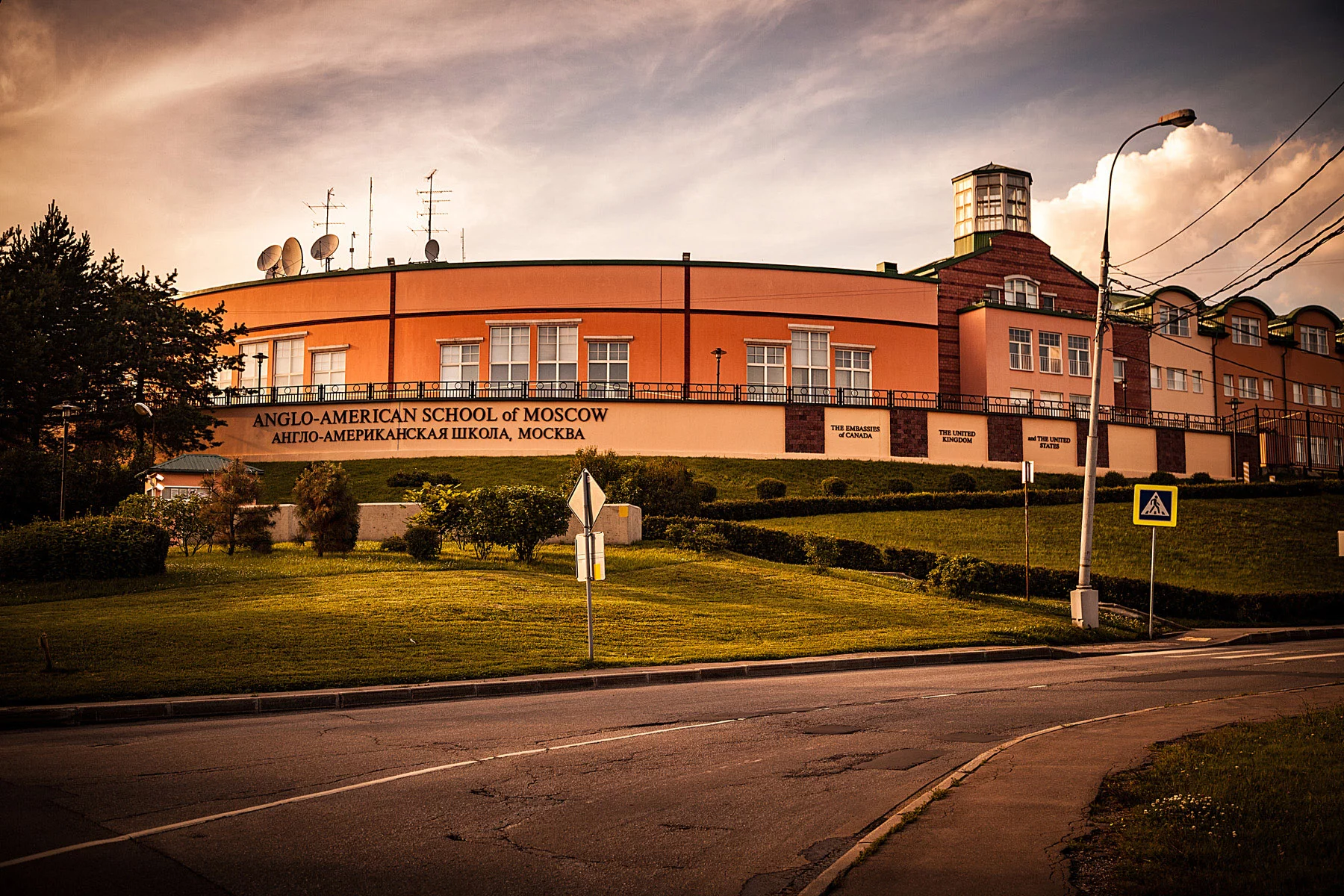
Although Russia has several schools that follow the American model, only one is officially recognized as an American school:
British international schools
Russia offers several British international schools, which follow the English national curriculum. They are an option for UK citizens and those who plan to continue their studies in the UK or the British Commonwealth.
These schools teach subjects such as mathematics, science, English, history, and foreign languages. The language of instruction is English, although some British international schools in Russia also offer classes in Russian. Most British international schools offer International General Certificates of Secondary Education (IGCSE), which enable students to go on to study at British universities.
Some of the British international schools in Russia include:
- Cambridge International School (CIS), Moscow
- CET International Primary School, Tyumen
- English International School (BIS), Moscow
International GCSE (IGCSE)
The International General Certificate of Secondary Education (IGCSE) is a UK-based qualification equivalent to the GCSE taught in UK schools. The IGCSE is taught to students during years 10 and 11. Exams are taken at the end of year 11 (when students are aged 15 to 16). Some subjects, such as English, mathematics, and science, are compulsory while others, including history, geography, and art, are optional.
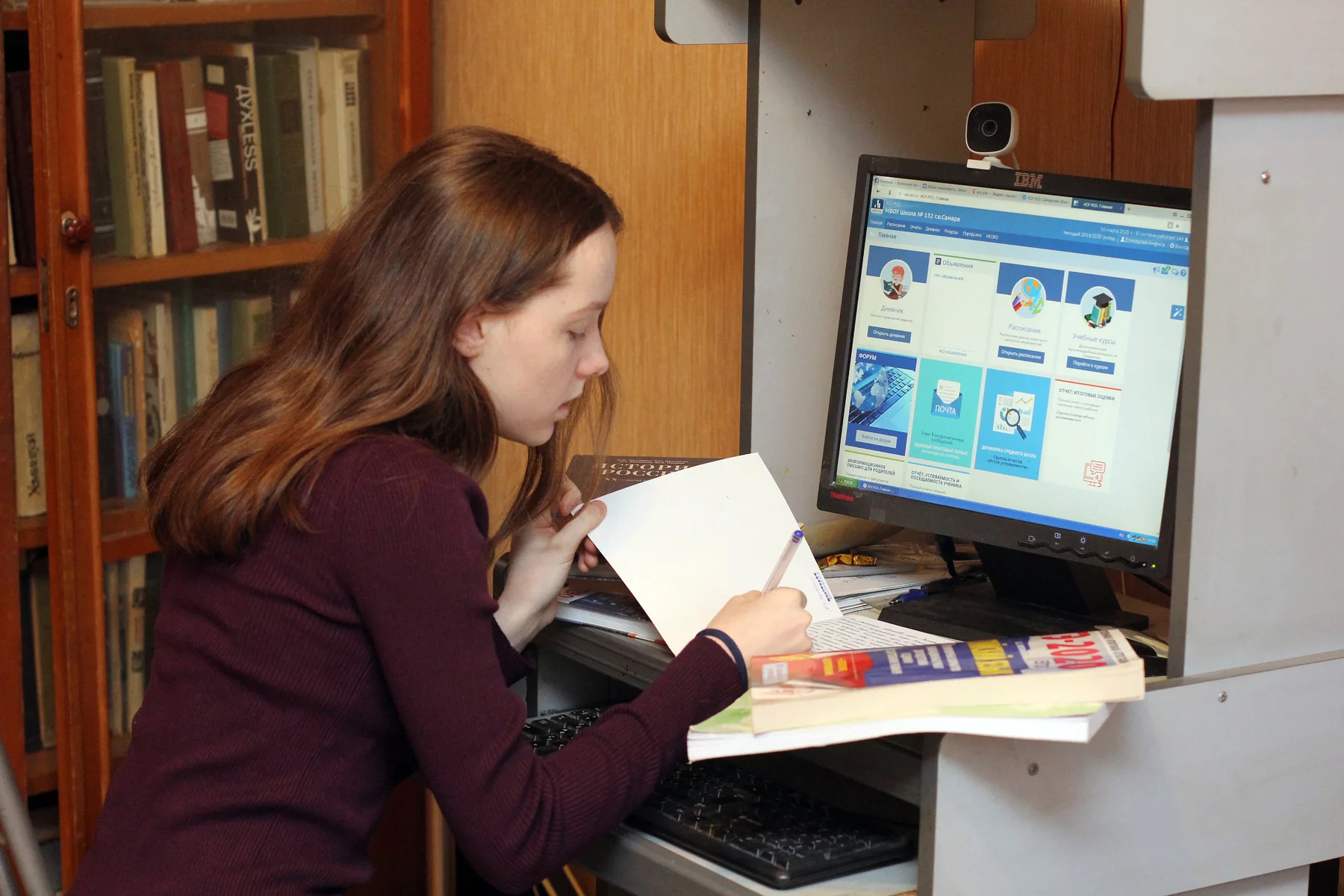
After receiving IGCSE qualifications, students can either leave school or continue their education and study A-Levels or an International Baccalaureate (IB) program.
Other national international schools
Because Moscow is the most popular destination in Russia for expats, there are a variety of schools that cater to a range of nationalities and teach specific curricula from certain countries. The fees and languages of instruction also vary based on the specific institution.
Here are a few examples of national international schools in Russia:
- Deutsche Schule Moskau (German)
- Lycée Français de Moscou Alexandre-Dumas (French)
- Scuola Italiana Italo Calvino di Mosca (Italian)
- The Swedish School Moscow (Swedish)
Method schools
Parents who prefer to send their children to alternative schools in Russia have several options. For instance, Moscow is home to a Montessori school with bilingual Russian and English instruction. There are also 18 Waldorf schools located around the country; in Moscow, St. Petersburg, Irkutsk, Yaroslavl, Kaluga, Samara, Schukowskij, Smolensk, Tomsk, Ufa, Vladimir, Voronezh, and Zelenograd.
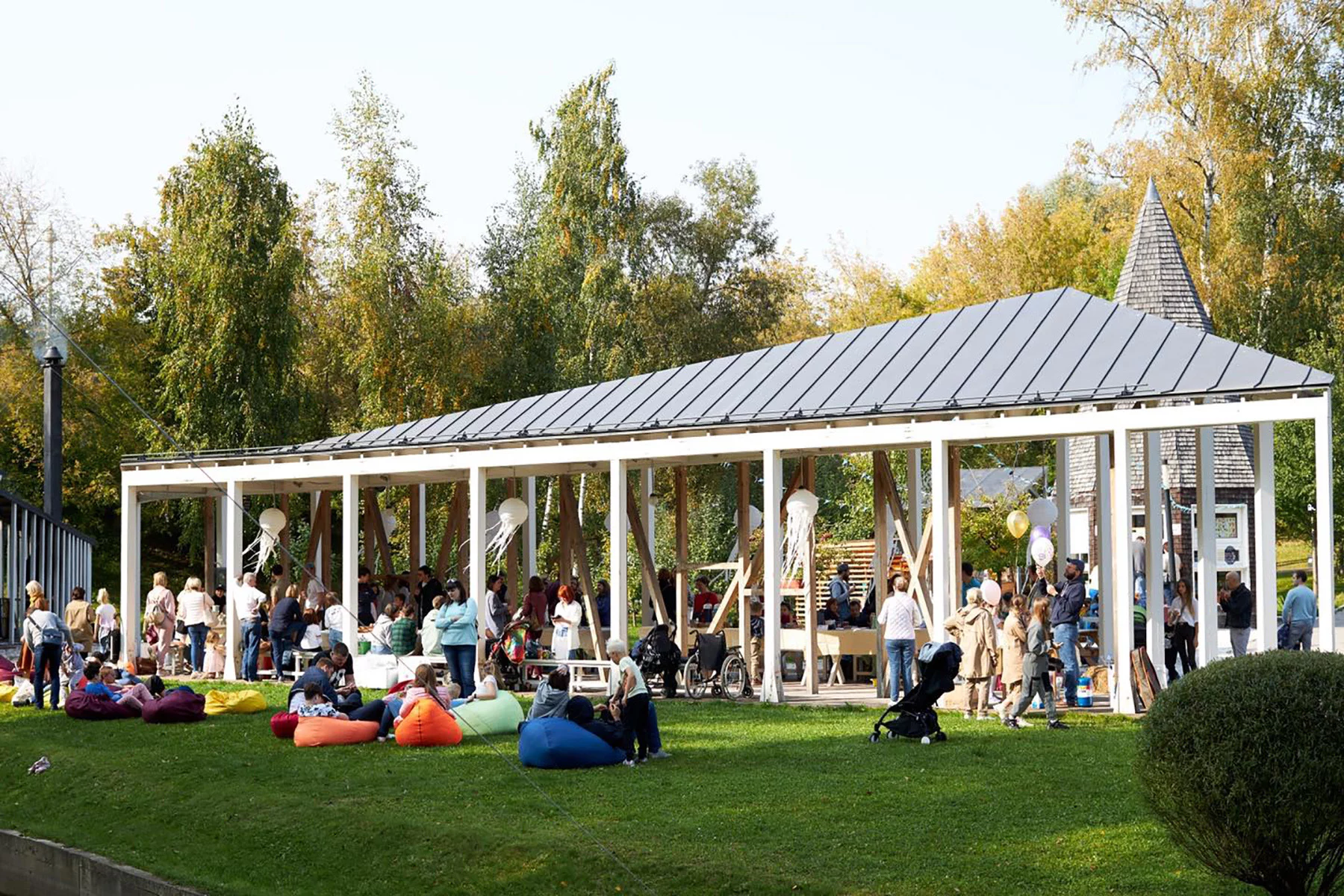
The Waldorf schools primarily teach in Russian, although some offer courses in English at an additional cost. Some examples are:
- Center for the Art of Parenting Waldorf School, Saint Petersburg
- Montessori School of Moscow
- Moscow Waldorf School No. 1060
Should you send your child to an international school in Russia?
When deciding whether or not to send your child to an international school in Russia, there are a number of pros and cons to consider, as follows.
Pros of international schools in Russia
- Continuity of education – children who have begun their education back home can continue to study under a curriculum they understand, in their first language. This can be very beneficial for families who travel around a lot, especially if they might not be looking to stay in Russia for a long period of time.
- Multicultural environment – international schools enable children to spend time among peers from a wide range of backgrounds. These schools can sometimes have pupils from 50+ different countries.
- Smaller class sizes – international schools are more easily able to limit pupil intake, and therefore have a lower pupil-to-teacher ratio. This means that teachers can devote more attention to each individual student, while those who need additional support can receive it.
- Quality of education – whereas Russian state schools aren’t generally considered to be of a world-class standard, international schools are usually able to offer a higher level of education, better facilities, and more experienced teachers. Students who leave school with IB or IGCSE qualifications will be in a good position to progress to higher education.
Cons of international schools in Russia
- High tuition fees – international schools in Russia are private institutions, and generally charge high annual fees. They might also charge additional costs for school lunches and transport to and from campus.
- Long waiting lists – due to the high demand for places at international schools, it can be difficult to secure a place for your child unless you apply far in advance. This can present issues for some expat families who travel from country to country on a regular basis.
- Less integration – enrolling your child in an international school in Russia will probably make it more challenging for them to integrate with the culture of the country.
How to choose an international school in Russia
Firstly, you should consider what city you live in and how far the nearest international school is. Some cities, particularly Moscow and St. Petersburg, have multiple options, whereas other cities have just one or two. If you find yourself in a city without an international school, then you may wish to consider a boarding school in one of the larger cities. That way, you can ensure that your child receives an international education while remaining in your country of residence.

Once you have the answers to these questions, you should check the waiting lists at the schools you are interested in. Between these limitations, as well as factors such as costs, you will likely be left with just a few options. It’s important to visit each option and find answers to your questions before making a decision.
Useful resources
- Ministry of Education of the Russian Federation – provides up-to-date news on education in Russia
- International School Advisor – provides a roundup of the top 15 international schools in Moscow
- The Good Schools Guide – offers a snapshot of the best schools in Moscow according to expats
Did you find this guide helpful?