'%20id='ico-down'%20stroke='%23000000'%20stroke-width='1.5'%3e%3cg%20transform='translate(1092.250000,%20254.750000)'%3e%3cpolyline%20id='Path-2-Copy-4'%20transform='translate(5.500000,%202.750000)%20scale(1,%20-1)%20rotate(-180.000000)%20translate(-5.500000,%20-2.750000)%20'%20points='0%200%205.5%205.5%2011%200'%3e%3c/polyline%3e%3c/g%3e%3c/g%3e%3c/g%3e%3c/svg%3e)



'%20fill='%23000000'%3e%3cg%20id='icons'%20transform='translate(56.000000,%20160.000000)'%3e%3cpath%20d='M144,7339%20L140,7339%20L140,7332.001%20C140,7330.081%20139.153,7329.01%20137.634,7329.01%20C135.981,7329.01%20135,7330.126%20135,7332.001%20L135,7339%20L131,7339%20L131,7326%20L135,7326%20L135,7327.462%20C135,7327.462%20136.255,7325.26%20139.083,7325.26%20C141.912,7325.26%20144,7326.986%20144,7330.558%20L144,7339%20L144,7339%20Z%20M126.442,7323.921%20C125.093,7323.921%20124,7322.819%20124,7321.46%20C124,7320.102%20125.093,7319%20126.442,7319%20C127.79,7319%20128.883,7320.102%20128.883,7321.46%20C128.884,7322.819%20127.79,7323.921%20126.442,7323.921%20L126.442,7323.921%20Z%20M124,7339%20L129,7339%20L129,7326%20L124,7326%20L124,7339%20Z'%20id='linkedin-[%23161]'%3e%3c/path%3e%3c/g%3e%3c/g%3e%3c/g%3e%3c/svg%3e)
'%20fill='%23000000'%3e%3cg%20id='icons'%20transform='translate(56.000000,%20160.000000)'%3e%3cpath%20d='M335.821282,7259%20L335.821282,7250%20L338.553693,7250%20L339,7246%20L335.821282,7246%20L335.821282,7244.052%20C335.821282,7243.022%20335.847593,7242%20337.286884,7242%20L338.744689,7242%20L338.744689,7239.14%20C338.744689,7239.097%20337.492497,7239%20336.225687,7239%20C333.580004,7239%20331.923407,7240.657%20331.923407,7243.7%20L331.923407,7246%20L329,7246%20L329,7250%20L331.923407,7250%20L331.923407,7259%20L335.821282,7259%20Z'%20id='facebook-[%23176]'%3e%3c/path%3e%3c/g%3e%3c/g%3e%3c/g%3e%3c/svg%3e)

With the yen at historic lows and a surge in tourism forecast to exceed 35 million visitors, foreign interest in Japanese real estate is booming.
Whether it’s a sleek condo in Tokyo or a traditional kominka in the countryside, the Japanese property market is more accessible than you might think.
The good news is you can buy property in Japan as an American. In fact, Japan is one of the few Asian countries where foreigners can buy land and buildings with freehold ownership rights, just like a local citizen.
However, navigating the language barrier, funding the purchase from overseas, and understanding the tax implications can be challenging.
- Can Americans buy property in Japan?
- What buying property gets you
- What buying property does not get you
- How difficult is the process?
- What are the tax implications?
- Local laws and regional variations
- Renting out your property: is it allowed?
- Buying land in Japan
- Getting a mortgage: should I get one in Japan or the USA?
- The verdict: should you buy a house in Japan as an American?
- Useful resources
Use Wise to save money on your property purchase
Buying a property abroad is a big step and involves important financial decisions. Wise, an international money transfer company, provides specialist support to help you navigate large international transfers and save on exchange fees. Fill out Wise’s online form today to find out how they can assist you.

Can Americans buy property in Japan?
Yes, there are absolutely no legal restrictions on Americans (or any other nationality) buying property in Japan. You do not need citizenship, a residence visa, or even to live in Japan to purchase real estate.
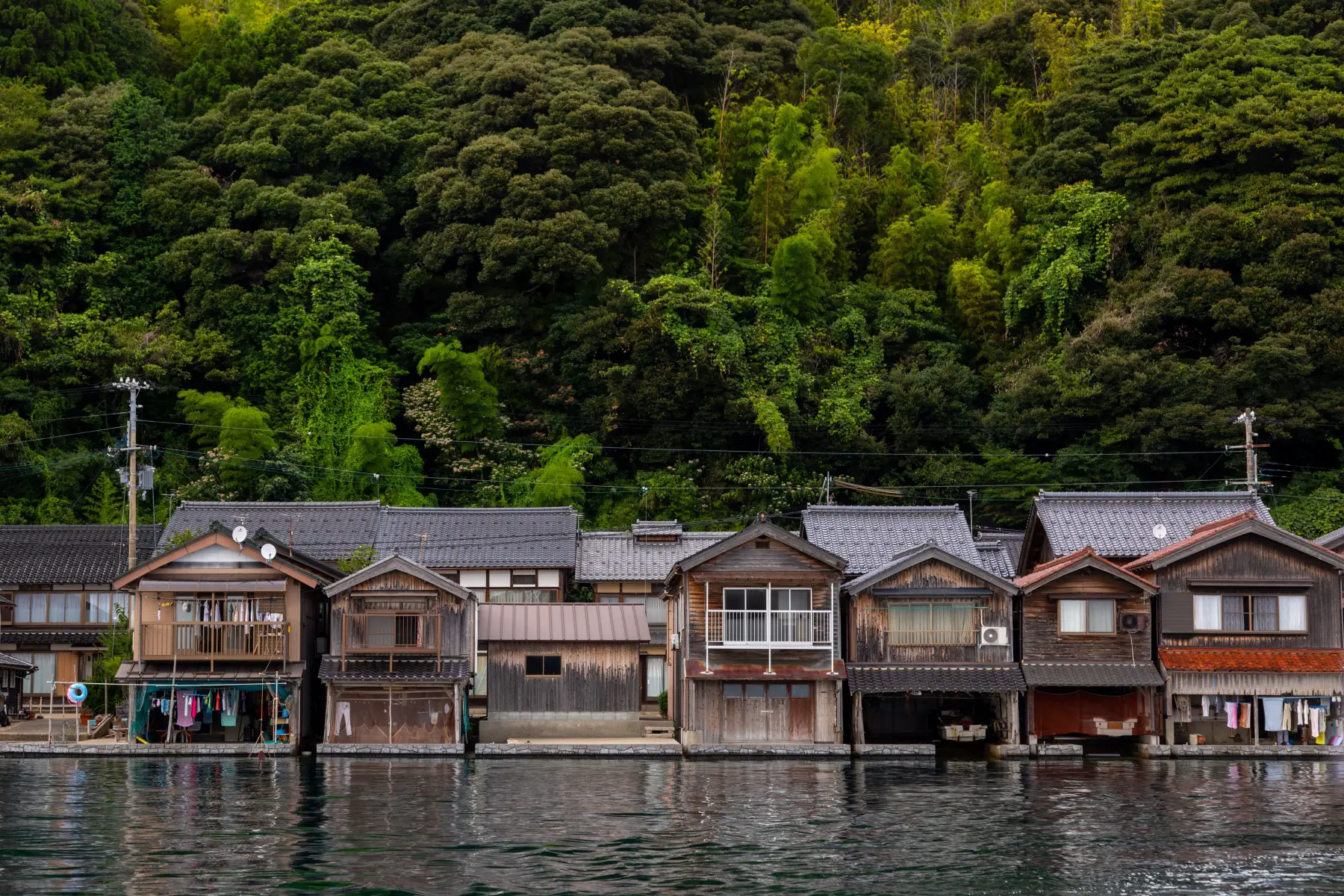
Unlike many other countries that restrict foreigners to leasehold land or condos only, Japan allows you to buy both the building and the land it sits on as freehold (shoyuken).
If you are buying from the US, you will need to move funds internationally to complete the purchase. You can use the Wise account to send money to Japan with low, transparent fees and the mid-market exchange rate.
What buying property gets you
- A freehold asset: You get full ownership rights to the land and building, which can be passed down to heirs.
- Investment potential: With the weak yen, Japanese property prices can be attractive to US dollar buyers.
- Income opportunities: You can rent the property out long-term or, with the right license, operate it as a short-term vacation rental.
What buying property does not get you
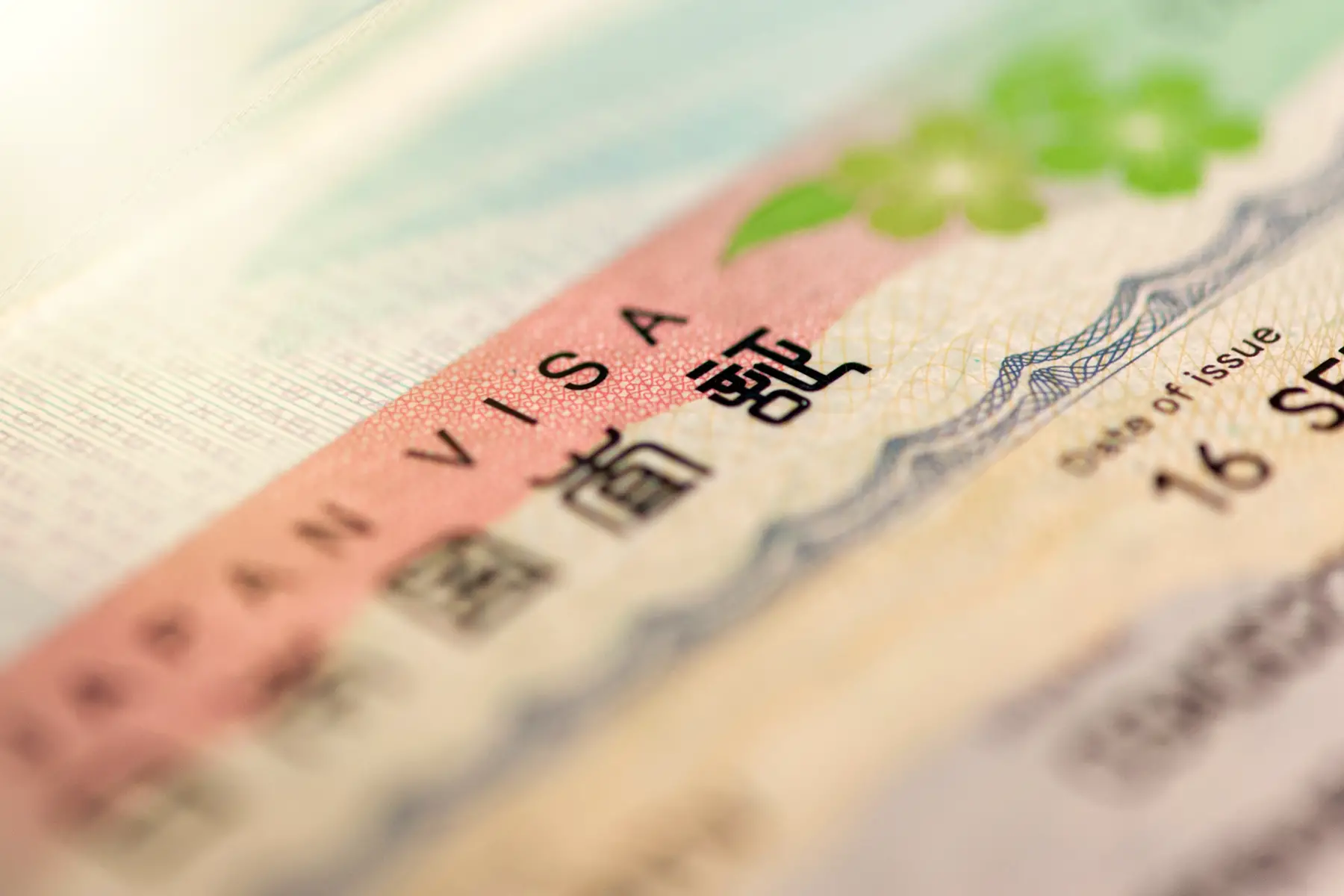
It is crucial to understand that buying property in Japan does not grant you residency or a visa.
- No “Golden Visa”: Unlike some European countries, Japan does not have a residency-by-investment scheme for real estate.
- Tourist limits: If you do not have a valid work or spouse visa, you are limited to the standard tourist stay (usually 90 days for US citizens) to visit your property.
If you plan to live in your Japanese home year-round, you must qualify for a separate visa, such as a work visa, business manager visa, or spouse visa.
How difficult is the process?
The process is straightforward legally but can be practically difficult due to language barriers and paperwork. Real estate documents are almost exclusively in Japanese, so hiring a bilingual agent or judicial scrivener is essential.
The typical process involves:
- Property Search: Working with an agent to find listings.
- Letter of Intent (Kaitsuke Shoumeisho): A formal document expressing your intent to buy and your offer price.
- Explanation of Important Matters (Jyuuyou Jikou Setsumeisho): A critical document read aloud by a licensed broker detailing the property’s legal status.
- Sales Contract (Baibai Keiyakusho): Signing the official contract and paying a deposit (usually 10–20%).
- Final Settlement: Paying the remaining balance and receiving the title deed.
Typical timelines
The entire process usually takes 1 to 3 months from finding a property to the final handover. Since US citizens have a 90-day visa-free period, it is possible to complete the transaction during a single long stay, provided you have your finances ready.
Transferring money to Japan for the purchase
If you are buying from outside Japan, you will likely need to send a large sum of money for the deposit and final payment.
You can use Wise to send money to the seller or your own Japanese bank account.
Wise uses the mid-market exchange rate – the one you see on Google – and charges low, transparent fees. This can be a cost-effective alternative to traditional bank wires, which often add a markup to the exchange rate.
What are the tax implications?
Buying in Japan triggers several taxes, and as a US citizen, you must also consider your tax obligations back home.
In Japan
You will need to pay several taxes during the purchase and ownership phases:
- Real Estate Acquisition Tax: A one-time tax, typically 3–4% of the property’s assessed value.
- Registration and License Tax: Typically 2% of the assessed value for ownership transfer.
- Stamp Duty: A tiered fee based on the contract price (e.g., ¥10,000 for properties between ¥10m and ¥50m).
- Consumption Tax: 10% charged on the building price only (not land), and usually only applies if buying from a business/developer, not an individual.
- Fixed Asset Tax: An annual tax of roughly 1.4% of the government-assessed value.
In the USA
The US taxes its citizens on their global income.
- Reporting: You may need to report the foreign asset to the IRS (e.g., via Form 8938) if the value exceeds certain thresholds.
- Rental Income: If you rent out the property, you must report this income on your US tax return, though you can typically claim a Foreign Tax Credit for taxes paid to Japan.
Local laws and regional variations
While there are generally no restrictions, a new law – the Land Use Regulation Law (effective 2021) – allows the government to review and regulate land purchases in “designated monitored areas” near important facilities like military bases or border islands.
- Hokkaido & Okinawa: Large land purchases by foreigners in these strategic areas are scrutinized more closely than a condo purchase in Tokyo.
- Agricultural Land: Buying farmland is heavily restricted for everyone (even Japanese citizens) and requires permission from the local Agricultural Committee, which is rarely granted for non-farmers.

Contributor
Freddie @ Expatica
Japanese websites: use the translate option on your browser
Most modern internet browsers have a “translate” option for websites in Japanese. You can use this to browse untranslated parts of Japanese government websites, such as the tax agency, https://www.nta.go.jp/index.htm.
Renting out your property: is it allowed?
Yes, foreign nationals can be landlords in Japan.
- Long-term rentals: You can rent to residents. Note that non-resident landlords must have a tax agent in Japan to handle the 20.42% withholding tax on rental income.
- Minpaku (Short-term rentals): Under the Minpaku Law (2018), you can rent out your home on platforms like Airbnb for up to 180 days per year. You must register with the local government, install fire safety equipment, and submit bi-monthly reports.
- Restrictions: Some local wards (like special zones in Tokyo or Kyoto) may have stricter rules, such as only allowing weekend rentals. Condominiums often ban Airbnb-style rentals in their bylaws, so check before you buy.
Buying land in Japan
Americans can buy freehold land in Japan. You own the land indefinitely, and there is no timeline requiring you to build on it (unlike in some other countries). This applies to everything from small urban plots to large tracts of forest in Hokkaido.
Getting a mortgage: should I get one in Japan or the USA?
Getting a mortgage is the biggest hurdle for non-resident buyers.
- US Lenders: Very few US lenders offer mortgages for residential property in Japan due to the difficulty of assessing collateral abroad.
- Japanese Banks: Most require you to have permanent residency (PR) or at least a long-term work visa.
- Non-Resident Loans: A few “foreigner-friendly” banks like SMBC Prestia, Tokyo Star Bank, or Shinsei Bank may lend to non-permanent residents, but they typically require you to reside in Japan.
- Cash is King: For buyers living in the US, paying cash is often the only realistic option unless you have a high net worth and can secure an international investment loan.

The verdict: should you buy a house in Japan as an American?
Pros:
- Freehold ownership: You own the land and building 100%.
- Price: Real estate in Japan (especially rural Akiya or abandoned houses) can be incredibly cheap compared to the US.
- Stability: Japan is a safe country with a stable legal system.
Cons:
- Depreciation: Unlike the US, Japanese homes typically depreciate in value over time.
- No Visa: You cannot live there full-time without a valid visa.
- Financing: extremely difficult to get a loan without residency.
Useful resources
- Real Estate Japan – Major portal for foreigner-friendly listings.
- Suumo – Japan’s largest real estate site (Japanese only, but has the most inventory).
- Century 21 Japan – Has many franchises used to dealing with international clients.
- Plaza Homes – Specializes in high-end expat housing in Tokyo.