'%20id='ico-down'%20stroke='%23000000'%20stroke-width='1.5'%3e%3cg%20transform='translate(1092.250000,%20254.750000)'%3e%3cpolyline%20id='Path-2-Copy-4'%20transform='translate(5.500000,%202.750000)%20scale(1,%20-1)%20rotate(-180.000000)%20translate(-5.500000,%20-2.750000)%20'%20points='0%200%205.5%205.5%2011%200'%3e%3c/polyline%3e%3c/g%3e%3c/g%3e%3c/g%3e%3c/svg%3e)



'%20fill='%23000000'%3e%3cg%20id='icons'%20transform='translate(56.000000,%20160.000000)'%3e%3cpath%20d='M144,7339%20L140,7339%20L140,7332.001%20C140,7330.081%20139.153,7329.01%20137.634,7329.01%20C135.981,7329.01%20135,7330.126%20135,7332.001%20L135,7339%20L131,7339%20L131,7326%20L135,7326%20L135,7327.462%20C135,7327.462%20136.255,7325.26%20139.083,7325.26%20C141.912,7325.26%20144,7326.986%20144,7330.558%20L144,7339%20L144,7339%20Z%20M126.442,7323.921%20C125.093,7323.921%20124,7322.819%20124,7321.46%20C124,7320.102%20125.093,7319%20126.442,7319%20C127.79,7319%20128.883,7320.102%20128.883,7321.46%20C128.884,7322.819%20127.79,7323.921%20126.442,7323.921%20L126.442,7323.921%20Z%20M124,7339%20L129,7339%20L129,7326%20L124,7326%20L124,7339%20Z'%20id='linkedin-[%23161]'%3e%3c/path%3e%3c/g%3e%3c/g%3e%3c/g%3e%3c/svg%3e)
'%20fill='%23000000'%3e%3cg%20id='icons'%20transform='translate(56.000000,%20160.000000)'%3e%3cpath%20d='M335.821282,7259%20L335.821282,7250%20L338.553693,7250%20L339,7246%20L335.821282,7246%20L335.821282,7244.052%20C335.821282,7243.022%20335.847593,7242%20337.286884,7242%20L338.744689,7242%20L338.744689,7239.14%20C338.744689,7239.097%20337.492497,7239%20336.225687,7239%20C333.580004,7239%20331.923407,7240.657%20331.923407,7243.7%20L331.923407,7246%20L329,7246%20L329,7250%20L331.923407,7250%20L331.923407,7259%20L335.821282,7259%20Z'%20id='facebook-[%23176]'%3e%3c/path%3e%3c/g%3e%3c/g%3e%3c/g%3e%3c/svg%3e)

Spain’s workers are well looked after. Spanish labor laws set proper standards and offer robust protections to ensure employee safety, well-being, and job security.
For example, workers have access to fair wages, decent working hours and conditions, a reasonable amount of vacation days, and social support if something goes wrong.
Discover what else there is to know about employment law in Spain, including the following:
- Labor law in Spain
- Foreign workers – your right to work in Spain
- Employment contracts in Spain
- What is the current minimum wage in Spain?
- What are the standard working hours in Spain?
- Spain’s labor laws on paid and unpaid leave
- Parental rights under Spain’s labor laws
- Social security and tax in Spain
- Protection from discrimination at work
- Can you join a union in Spain?
- Health and safety at work in Spain
- Training and development in Spain
- Terminating the employment relationship
- Temporary, part-time, agency, and informal workers
- How do employment disputes get resolved in Spain?
- Useful resources
Balcells Group
Balcells Group provides legal advice to individuals, companies, investors, immigration agencies and other intermediary agents. With over 40 years of professional experience, they have built their firm using several generations of lawyers that offer a balanced vision based on experience and modernity.

Labor law in Spain
Spain does well when it comes to labor rights, as evidenced by its impressive score of 90/100 on the 2022 Labor Rights Index. The rate is higher than the regional average of 89 in Western Europe.
The Spanish Constitution (Constitución Española) covers a number of employment rights, including the right to access equal opportunities, work for fair pay, join a union, and receive social security. Other primary sources of Spain’s labor laws (in Spanish) include:
- The Workers’ Statute (Estatuto de los Trabajadores) – a key piece of legislation that sets clear rules for employment rights and duties, job categories, and minimum wages. It also oversees collective bargaining agreements (convenio colectivo de trabajo – CCT) with trade unions.
- Collective labor agreements – negotiated between employers and labor unions, these cover issues like wages and holiday entitlements. In 2018, CCTs covered around 80.10% of all employment in Spain.
The Ministry of Labor and Social Economy (Ministerio de Trabajo y Economía Social – MITES) is responsible for planning and carrying out the government policy on labor and social economy.

Unfortunately, the Spanish labor market faces some major challenges, such as the widespread use of temporary contracts, an unemployment rate of 11.6% (end of 2023), and a staggeringly high youth unemployment rate of 27.4%.
In addition, Spanish employers don’t always adhere to the agreed-upon labor deals (2023 Global Rights Index). It is common practice to try to delay collective bargaining and refuse to apply salary rates.
In 2021, Spain passed urgent labor reforms to help improve the job market. It also introduced new regulations for delivery platform workers, gender equality, remote working, severance costs, and training opportunities.
Foreign workers – your right to work in Spain
Over 8.9 million foreign-born residents live in Spain (April 2024), representing around 18.3% of the overall population. Most expats originated from Morocco (2.1%), Colombia (1.5%), and Venezuela (1.1%).
Similar to other EU and EFTA countries (European Free Trade Association – Iceland, Liechtenstein, Norway, and Switzerland), Spain has a two-tier immigration system:
- EU/EFTA citizens can live and work in the country without a visa
- Non-EU/EFTA nationals (i.e., third-country citizens) must apply for a work permit before coming to Spain. Although this sounds straightforward, it typically means securing a job first.
Foreigners staying in Spain for three months or longer must have a Foreign Identity Number (NIE). You can apply for one today using a service like NIE Express.

Employment contracts in Spain
Under Spain’s labor laws, every worker has a right to a work contract (contrato de trabajo). These may be written or oral agreements; however, special labor relations (e.g., lawyers and top managers) and employment lasting more than four weeks require a written contract.
The Public Service of State Employment (Servicio Público de Empleo Estatal – SEPE) must receive the contract within 10 days of it coming into force. Employers must provide their new hires with a written copy of the work terms within two months of the starting date.

Work contracts come in several forms, including:
- Indefinite or open-ended term contracts – as these work agreements are permanent, it’ll be more difficult to terminate the employment relationship
- Temporary (fixed) work agreements – these contracts have a fixed end date and may not last for more than six months within a 12-month period
- Training contracts – these work agreements are designed for trainees and interns to receive professional on-the-job training. Whereas trainee contracts can last from three months to two years, internship agreements may last between six months and a year.
Our article on Spanish employment contracts provides more information, including standard probation periods and which tricky clauses to look out for.

For more guidance on employment matters, especially when setting up a business, it’s worth contacting experts in the country, such as English-speaking consultancy firm Accompany.
What is the current minimum wage in Spain?
Legally, all workers must receive a minimum salary (Salario Mínimo Interprofesional – SMI), regardless of their job or profession. The Council of Ministers (Consejo de Ministros) adjusts this amount annually. In 2024, Spain’s gross minimum salary for a full-time job is €15,876 per year.
However, this minimum wage only applies if there is no collective labor agreement in place. As such, your gross income will depend on the sector you work in.
Our article on the minimum salary in Spain explains the topic in more detail, including average income, the gender pay gap, and how wage disputes typically get resolved.

What are the standard working hours in Spain?
A full-time work week in Spain has a maximum of 40 hours (i.e., nine hours per day with one hour for lunch). This standard will change in 2025; the government plans to reduce working hours to 37.5 per week.

Employees must take a 15-minute break after working for six consecutive hours. Similarly, they must have a minimum of one and a half uninterrupted days of rest time per week. This usually includes all of Sunday and either Saturday afternoon or Monday morning.
In addition, there must be at least 12 hours between the end of one working day and the start of the next. Your work contract must include concrete working hours and their weekly distribution, as well as compensation for overtime.
Employees can only work extra hours if they’ve agreed to do so. However, the labor code prohibits more than 80 hours of paid overtime per year. This threshold does not include overtime compensated with rest time, or work carried out to prevent or repair extraordinary and urgent damage. It’s also worth noting that overtime at night is illegal, with very few exceptions.
Under Spain’s labor laws, employees have the right to (ask for) flexible working hours. For example, workers can request to reduce their hours to care for a sick family member. Employers are legally required to consider these requests seriously and can only refuse them based on justified business reasons. If you exercise these rights to work-life balance, you may not suffer any detriment as a result.
Likewise, you have the right to take time off due to urgent family reasons.
What are the standard working hours for underaged employees?
Special rules apply to workers who are between 16–18 years old, 16 being the minimum employment age in Spain. The labor legislation stipulates that underaged employees:
- May work for up to eight hours a day across employers, including training
- Require a 30-minute break after four and a half hours of continuous work
- Must have at least two consecutive days of rest time per week
- Cannot perform work at night or activities that are unhealthy, dangerous, or distressing
Spain’s labor laws on paid and unpaid leave
Holiday pay in Spain
Spain’s annual leave policy is quite generous. All workers are entitled to at least 30 calendar days (in Spanish) of vacation per year. This number of days applies to interns, apprentices, trainees, and part-time employees as well.

In addition, the country has nine national public holidays and many more local and regional holidays. Most businesses are closed during these days. If you were asked to work on a public holiday, it should be treated as overtime.
You can take your paid time off (PTO) days all at once or divide it up. However, Spain’s labor laws require that you take at least one continuous two-week holiday (for example, during the school holidays), so you can have a well-deserved extended break.
Employers may not replace your vacation days with financial compensation. That said, if your contract (including temporary contracts) ends before you have used all of your vacation days, your employer must compensate the leftover days.
Do you get paid sick leave in Spain?
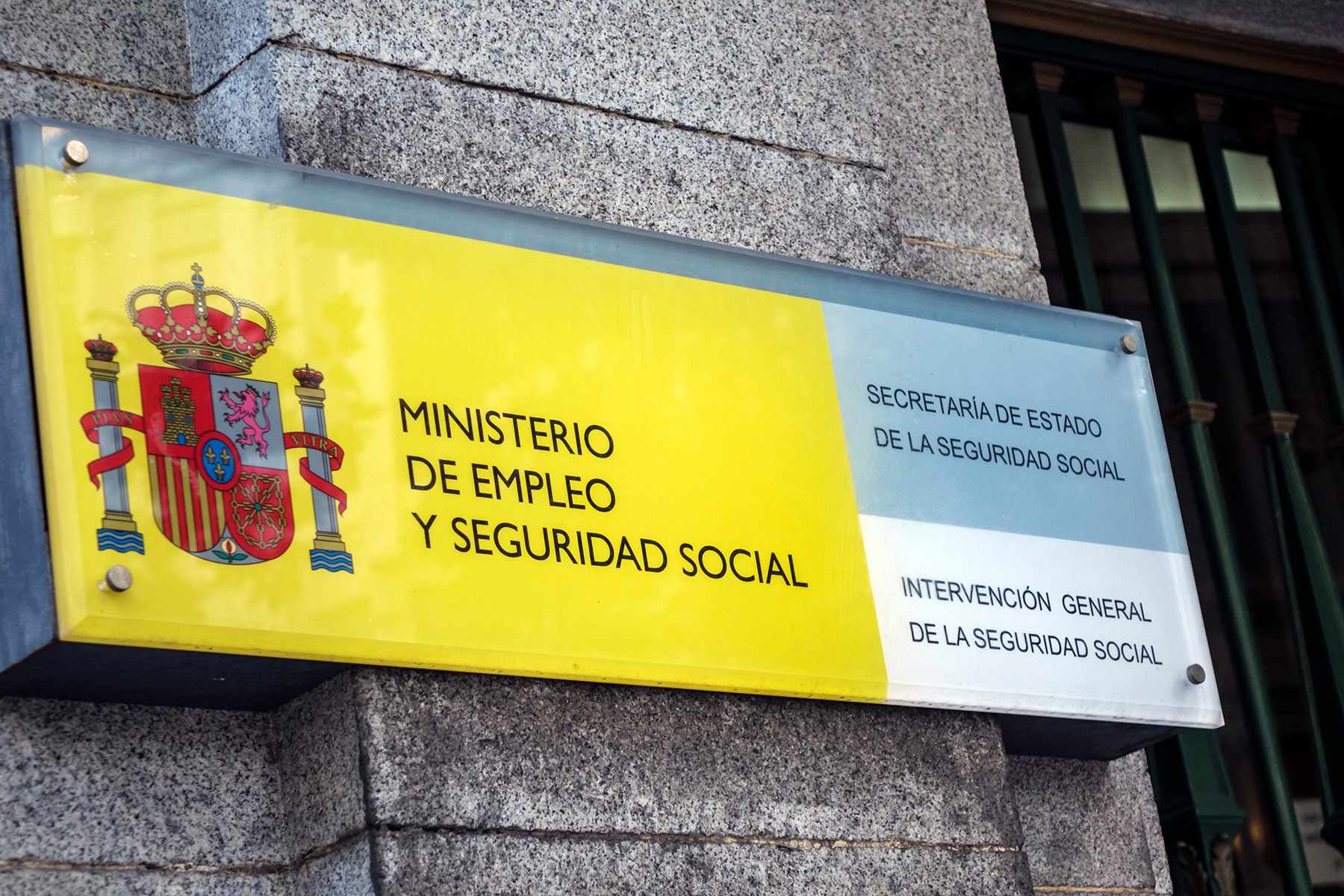
Employees who are sick or injured receive sick pay. The amount varies depending on the cause of your illness or injury (you must have a medical certificate from a public doctor).
If you were injured in a work-related accident, you’re entitled to 75% of the social security contribution base during the entirety of your absence. In cases of other illnesses or injuries unrelated to work (e.g., a regular cold or sprained back), sick pay is as follows:
- Nothing during the first three days. Some employers allow you to take one sick day without discounting any salary, however, this depends on your company’s sick policy.
- 60% of your contribution base during days 4–20
- 75% of your contribution base following day 20 of your sick leave. Collective bargaining agreements can improve this payment; depending on your CCT, you may receive up to 100% of your salary or contribution base.
For salaried workers, employers cover sick pay during the first 15 days, and the Spanish social security system pays the rest. If you are self-employed (autónomo), however, the social security office will fund your entire sick leave. You’ll need to submit a statement to clarify you’ve suspended your work activities temporarily or definitively.
The maximum period of sick leave is 365 days, with a possible extension of an additional 180 days. After that, the authorities will review the situation.
Special sick leave
Spain’s labor laws contain special sick leave contingencies for pregnant employees. You may take special sick leave if:
- You are unable to work due to a termination (whether voluntary or not). These sick leave absences are considered “unrelated to work” unless the termination was caused by a work accident or occupational disease.
- You have pregnancy-related health risks and are in week 39 of your pregnancy. You’ll only be eligible if you haven’t taken any sick leave previously to deal with pregnancy-related complications.
In both cases, your employer must pay your full salary during the first day of your sick leave. After that, the social security office will fund your sick pay.
Other types of paid leave in Spain
If you are a legal guardian of a child under 12 or a person with disabilities, you are entitled to a reduction in working hours. Depending on the situation, you may take between one-eighth and one-half of your time off per day. In other words, if you work eight hours per day, you’re entitled to one to four hours of paid leave.

Other types of paid leave employees are entitled to include:
- Accident, serious illness or hospitalization, or death of a family member: two calendar days, or four if travel is required
- Breastfeeding children under nine months of age: one hour of absence from work per day, or half an hour if taken at the beginning or end of the working day. If both parents are working, either parent can take the leave.
- Marriage: 15 calendar days
- Menstrual disorder (proven by a medical certificate): as long as necessary
- Moving houses: one day
- Public and personal obligations (e.g., jury duty, appearance in court): as long as necessary
- Perform labor union or workers’ representation duties: the amount of time established by law or collective agreement
You must always inform the employer in advance. Depending on your company’s CCT, you may receive additional paid time off. You should check with your employer to see if any is available.
Unpaid leave in Spain
During an extended leave of absence, your permanent employment contract is suspended temporarily. These sabbaticals may be compulsory or voluntary (in which case, you must have been working for your employer for at least one year).
Extended leave may last for up to five years. During this time, your employer is not required to pay your salary or pay for your social security contributions. As such, you should contact the social security office to see if you can continue contributing and not lose out on any future benefits.
If you take a voluntary break (e.g., to look after a family member), your employer may fill your position with a replacement. When you’re ready to return, they may offer you a similar job. However, declining this alternative position could result in a voluntary contract termination, making you ineligible for unemployment benefits.
If a temporary illness or injury caused your extended unpaid absence, you don’t have to return if you are officially or permanently incapacitated.
Parental rights under Spain’s labor laws
Your rights during your pregnancy
Employers cannot fire pregnant people from the first stage of their pregnancy until the last day of their maternity leave. If you are still in your probationary period, the company may only dismiss you if there is evidence that your pregnancy was not the reason for your redundancy.

In Spain, (expectant) parents must receive paid time off to attend tests and examinations before childbirth or follow training prior to adoption and fostering. If you experience health complications during your pregnancy, you can take statutory sick leave or special sick leave (see above).
Similarly, if you cannot perform some or all of your work duties due to a high-risk pregnancy, your employer must find you a more suitable and less risky role. If they cannot, you are entitled to benefits (subsidio por riesgo durante el embarazo).

Maternity and paternity leave entitlement in Spain
Maternity and paternity leave in Spain is quite generous compared to other countries in Europe. Both fathers and mothers are entitled to 16 weeks of parental leave, which starts the day the baby is born. Both sets of parents receive 100% of their salary during that time.
However you choose to use your parental leave, you should discuss your plans with your employer so they can prepare for your absence. It is important to note that they cannot deny you this time off.
Visit our article on parental leave in Spain to learn more about your rights and entitlements as working parents, including available tax benefits.

Social security and tax in Spain
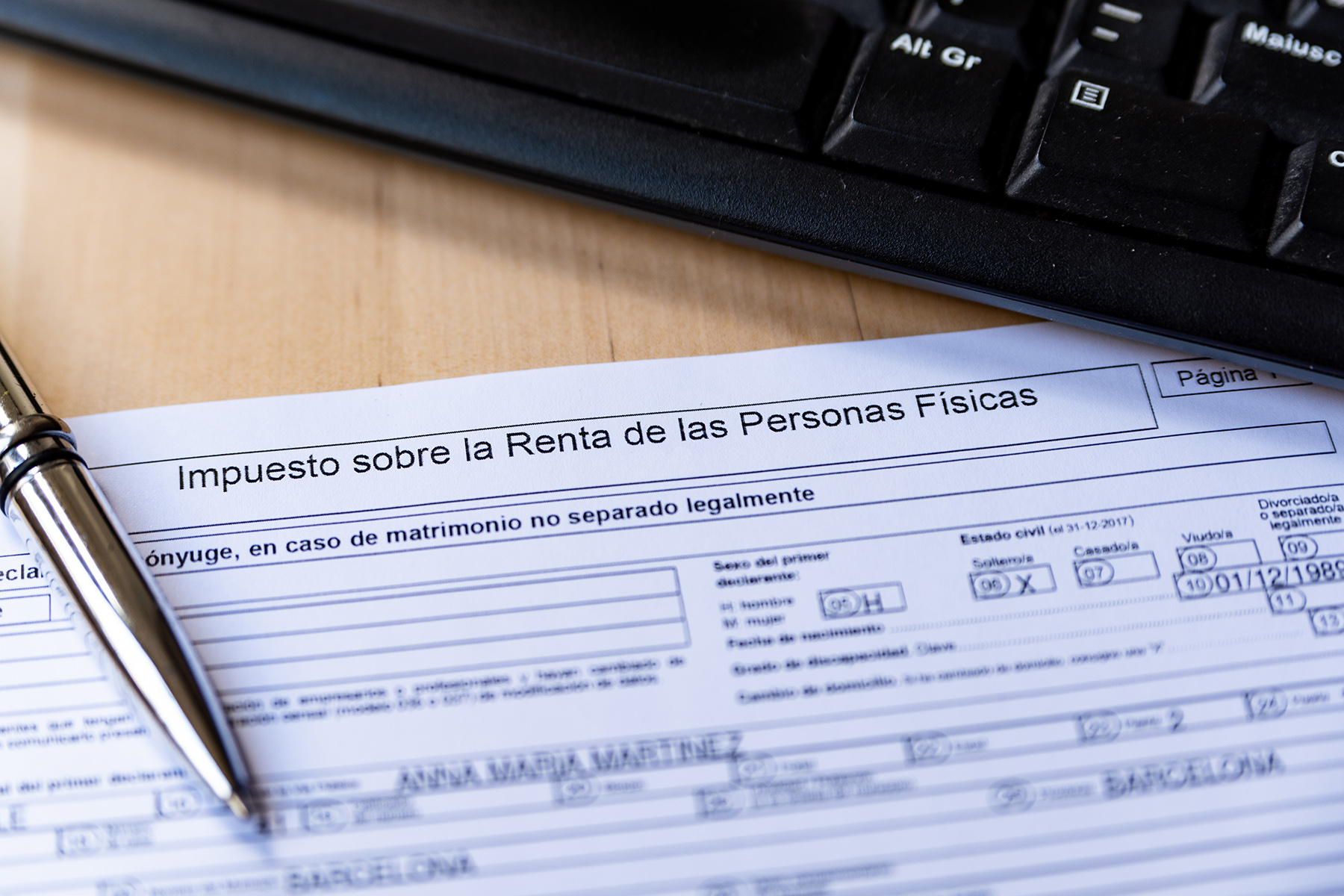
In Spain, all residents pay income tax and contribute to the social security system, which funds benefits, public health insurance, parental leave, and state pensions. Employers and pension providers deduct income tax and social security contributions directly from your salary or pension each month.
Self-employed workers are covered by a special social security scheme known as the régimen especial trabajadores autónomos. Under this scheme, you pay a contribution rate according to your income.
Discover more about tax rates and deductibles in our article on Spanish income tax and taxes for freelancers.

Protection from discrimination at work
Protection from discrimination is a fundamental human right under the Spanish Constitution. Chapter 2, Art. 14 states that all individuals are “equal before the law, and may not in any way be discriminated against on account of birth, race, sex, religion, opinion, or any other personal or social condition or circumstance.”
The country’s Penal Code and Workers’ Statute include anti-discrimination provisions that address direct and indirect discrimination, harassment, and victimization in the workplace. Spain also has individual labor laws to promote workspace equality for women, LGBT+, and workers with disabilities.

Racial discrimination
Despite legal protections, discrimination, harassment, and exploitation of workers (including low pay and dangerous working conditions) still occur.
SOS Racismo (in Spanish) found that 11% of all reported discrimination instances were related to workplace discrimination. The 2022 study reveals that Spain also has a considerable issue with under-reporting; at least 38.6% of victims chose not to file a judicial complaint.
The groups most likely to experience discrimination and racist violence in Spain are the Roma, followed by people from North African countries, Afro-descendants, and people of Latin American and Asian origin.
Gender equality
Gender discrimination in Spain’s labor market is also a major point of concern. Women face challenges such as the gender pay gap, underrepresentation in leadership positions, and difficulties balancing work and family responsibilities. Women are also overrepresented in lower-paying sectors and face unconscious biases in hiring and promotion practices.

Spain has implemented several laws to promote gender equality in the workplace. One key piece of legislation is the 2007 Gender Equality Act (Ley de Igualdad), which prohibits gender discrimination in employment. This law mandates equal treatment and opportunities for both men and women in all aspects of employment, including recruitment, hiring, promotions, and salary.
Similarly, recent measures try to address the underrepresentation of women in certain sectors and positions. While there isn’t a specific quota for women in all industries, there are gender quotas for corporate boards. Large listed companies must have a minimum of 40% representation of either gender on their boards of directors by mid-2026.
LGBT+ discrimination
Spain is quite progressive when it comes to LGBT+ rights (Lesbian, Gay, Trans, Bisexual, and other). Several laws protect LGBT+ employees from discrimination in the workplace, including recent labor reforms that focussed on equal treatment of all gender identities, gender expressions, and sex characteristics.
Employers in Spain are prohibited from discriminating against employees or job applicants based on their sexual orientation or gender identity. This includes aspects such as recruitment, hiring, promotion, and termination of employment. Larger companies must also have inclusive workplace policies and offer diversity training.
Organizations such as advocacy groups and labor unions continue to support and empower LGBT+ workers and raise awareness of their rights.
Workers with disabilities
Spain’s labor laws also protect the rights of workers with disabilities and promote their inclusion in the labor market. For example, the 1982 Social Integration of Persons with Disabilities Act (Ley de Integración Social de los Minusválidos) establishes measures to ensure equal opportunities and protections against disability-based discrimination.
Employers are required to make reasonable accommodations (including adapting the workplace) to enable people with disabilities to access employment, job progress, and job training. Companies with more than 50 employees must reserve a 2% quota of their workforce for people with disabilities.

Despite government efforts, workers with disabilities face an ongoing struggle. Challenges include stigma, lack of accessibility, and limited employment opportunities.
What to do if you experience discrimination in the workplace?
If you experience workplace discrimination or harassment, you should speak to a labor union representative. You can also take the matter to the Arbitration Office (Instituto de Mediación, Arbitraje y Conciliación) and, after that, the Labor Court (Magistratura de Trabajo).
Cases of discrimination and hate crimes can also be reported to the National Office for Combating Hate Crimes (Oficina Nacional de Lucha Contra los Delitos de Odio – ONDOD).
Can you join a union in Spain?
The Spanish Constitution guarantees the right to unionize and participate in collective action, though unions must call strikes that affect an entire sector.
According to the Labor Rights Index, 12.45% of the population are union members (2019). The European Trade Union Institute (ETUI) puts this number at roughly 14%, indicating that around one in seven workers are union participants.
Labor unions in Spain include:
- National unions – the two most significant being the Workers’ Commissions (Comisiones Obreras – CCOO) and the General Union of Workers (Unión General de Trabajadores – UGT)
- Regional unions – for example, the Basque Workers’ Solidarity (Basque: Eusko Langileen Alkartasuna – ELA, Spanish: Solidaridad de Trabajadores Vascos – STV) and the Galician Unions Confederacy (Confederación Intersindical Galega – CIG)
- Unions specific to a sector, industry, or occupation – for example, the Spanish Central Independent and Public Employees’ Trade Union (Central Sindical Independiente y de Funcionarios – CSIF) and Fetico (Confederación Sindical Independiente)
Health and safety at work in Spain
Under the Law of Prevention of Workplace Risks (Prevención de riesgos laborales), Spanish employers have a legal responsibility to provide a safe and secure workplace. Businesses must have a risk prevention policy to prevent occupational accidents; they may develop their own safety measures or introduce them through an external risk prevention company.

A health and safety inspector will visit every three months to evaluate the implementation and identify new risks. Companies found in breach of health and safety laws can face fines of up to €819,780.
Workers in Spain have the right to access specific risk-prevention training and become designated health and safety representatives (delegados de prevención). These work with management to ensure a safe work environment, relay concerns, and help organize necessary measures.
Companies that employ six or more workers must have at least one representative. Businesses with more than 50 employees must erect a health and safety committee (comité de seguridad y salud).
In 2020, Spain passed new legislation to protect the well-being of remote workers (teletrabajo). The law includes the right to have a private life and disconnect from work outside of working hours. Remote workers are also entitled to disconnect. In essence, when you’re off the clock, you have the right to not respond to work-related calls, emails, or social media messages, even if they come from your work device.
Training and development in Spain
Employees may claim 20 hours of free training per year to further their skills. This can be related to their current job (upskilling) or to enhance their general skill set (reskilling).
Job-related training programs vary across regions but typically include transferable skills and beginner-level courses (e.g., administration or retail). Most regions also have specific training courses for young people or people over 45. There are also several subsidies and projects to cover the costs of work-related training for both employers and employees.
You can find more information on subsidies and job training incentives on the website of the State Public Employment Service (Servicio Público de Empleo Estatal – SPEE).
Terminating the employment relationship
Dismissals and redundancy
An employer can terminate an employment contract by providing prior written notice. The standard legal notice period is 15 calendar days; however, collective CCTs may require more time. It is common for employees in Spain to get up to a maximum of 3 months’ notice.
The notice requirement does not apply to interim contracts, probation periods, or temporary contracts shorter than 12 months.

Employers must provide valid grounds for termination, such as:
- Objective causes (extinción del contrato por causas objetivas) – when the employee doesn’t perform their work duties (well), and this was not apparent during the probation period
- Disciplinary reasons (despido disciplinario) – a consequence of employee misconduct, such as contract violations, being chronically late to work, repeated or unjustified absences, threatening behavior, harassment, and substance abuse
- Collective dismissals (despido colectivo) – when a group of employees is dismissed due to economic, technical, organizational, or production reasons within the company
Learn more about employee rights and protections (including severance pay) in our article on termination and redundancies in Spain.

Leaving a job voluntarily
You can resign from your job at any time. However, like employers, you are required to give written notice at least 15 days in advance (unless your temporary contract lasts less than 12 months). The collective labor agreement might stipulate a longer notice period; be sure to review your employment contract for the specific details.
If you stop working while on notice, your employer has the right to deduct a portion from your salary or termination payment.
Like everywhere else, the standard resignation process is to write a termination letter detailing your reasons for leaving. Again, check your employment contract for additional details.

Under Spain’s labor laws, employees may also resign without notice and with immediate effect. This is known legally as ‘resignation with just cause‘ (renuncia con justa causa). These resignations typically involve a breach of contract or a violation of employee rights, such as:
- Non-payment of wages
- Harassment or discrimination
- Health and safety violations
- Significant changes in working conditions without the employee’s consent
- Violation of privacy (e.g., mishandling of personal data)
Depending on the situation, you may be eligible for 20 days’ compensation for each year of your employment with the company.
You should seek legal advice from a labor attorney to ensure your actions are legally sound and to understand the potential implications, including eligibility for unemployment benefits or other legal recourse.
Retirement
The standard pension age in Spain is 65-67, depending on the number of years you’ve contributed to social security. However, you can also choose to retire early or delay your retirement.
Government initiatives, such as voluntary early retirement, partial retirement, flexible retirement, and benefits for delaying retirement, allow workers to leave the workforce at their own pace.
You can read more about pensions and payouts in our article on the Spanish pension system.

Temporary, part-time, agency, and informal workers
Labor laws in Spain do not distinguish between temporary and contracted workers. In other words, temporary, part-time, and agency workers are entitled to the same rights and protections as full-time and permanent workers. These include the right to fair wages, holiday pay, sick pay, and protection against discrimination in the workplace.

The maximum contract length for temporary work under an agency is six months, or one year if the collective labor agreement permits it. In the case of the latter, the reason for it being a temporary agreement must clearly be stated in the contract.
How do employment disputes get resolved in Spain?
When a workplace dispute arises, you should first try to sort it out directly with your employer. Larger organizations typically have a dedicated Human Resources representative or department (recursos humanos) where you can voice your grievances.
Your next step is to speak with a union rep or take the matter to the Arbitration Office. This is not required in situations like:
- Collective dismissals
- Use of annual leave
- Geographical mobility
- Substantial modifications of employment conditions
- Suspension of employment contracts due to economic, technical, organizational, or production reasons
- Reconciliation of personal life and work
Forcam Lawyers
Unsure about your labor law rights? Contact the experts at Forcam Lawyers. They specialize in all types of dismissals in Spain, including disciplinary, objective, unfair, void, and more. They listen closely to their clients, offering quality advice and focusing on the highest level of compensation possible.
After that, you can bring your case to labor court. Keep in mind the suit must be filed within 20 working days after the infringement of your rights.
If your case is successful, your employer will have to remedy the situation. However, if the judge rules against you, you can take the case to the High Court of Justice (Tribunal Superior de Justicia) and, eventually, the Supreme Court (Tribunal Supremo). Some labor cases can even be presented to the Constitutional Court (Tribunal Constitucional).
Bear in mind that judicial processes are lengthy and expensive. Before taking this route, it’s recommended that you seek legal advice from a labor attorney. English-speaking legal firms who can assist you include Forcam Lawyers.
Useful resources
- Ministry of Labor and Social Economy – official website of the ministry responsible for labor laws in Spain
- Public Service of State Employment – official website of the government body that manages unemployment benefits and employment resources
- 2023 labor guide (in Spanish) – MITES pdf containing Spain’s labor laws
- EURopean Employment Services – platform by the European Labour Authority with information about the labor market in Spain
- Seguridad Social – official website of the social security services in Spain, which includes information about pensions, benefits, and more