'%20id='ico-down'%20stroke='%23000000'%20stroke-width='1.5'%3e%3cg%20transform='translate(1092.250000,%20254.750000)'%3e%3cpolyline%20id='Path-2-Copy-4'%20transform='translate(5.500000,%202.750000)%20scale(1,%20-1)%20rotate(-180.000000)%20translate(-5.500000,%20-2.750000)%20'%20points='0%200%205.5%205.5%2011%200'%3e%3c/polyline%3e%3c/g%3e%3c/g%3e%3c/g%3e%3c/svg%3e)




'%20fill='%23000000'%3e%3cg%20id='icons'%20transform='translate(56.000000,%20160.000000)'%3e%3cpath%20d='M144,7339%20L140,7339%20L140,7332.001%20C140,7330.081%20139.153,7329.01%20137.634,7329.01%20C135.981,7329.01%20135,7330.126%20135,7332.001%20L135,7339%20L131,7339%20L131,7326%20L135,7326%20L135,7327.462%20C135,7327.462%20136.255,7325.26%20139.083,7325.26%20C141.912,7325.26%20144,7326.986%20144,7330.558%20L144,7339%20L144,7339%20Z%20M126.442,7323.921%20C125.093,7323.921%20124,7322.819%20124,7321.46%20C124,7320.102%20125.093,7319%20126.442,7319%20C127.79,7319%20128.883,7320.102%20128.883,7321.46%20C128.884,7322.819%20127.79,7323.921%20126.442,7323.921%20L126.442,7323.921%20Z%20M124,7339%20L129,7339%20L129,7326%20L124,7326%20L124,7339%20Z'%20id='linkedin-[%23161]'%3e%3c/path%3e%3c/g%3e%3c/g%3e%3c/g%3e%3c/svg%3e)
'%20fill='%23000000'%3e%3cg%20id='icons'%20transform='translate(56.000000,%20160.000000)'%3e%3cpath%20d='M335.821282,7259%20L335.821282,7250%20L338.553693,7250%20L339,7246%20L335.821282,7246%20L335.821282,7244.052%20C335.821282,7243.022%20335.847593,7242%20337.286884,7242%20L338.744689,7242%20L338.744689,7239.14%20C338.744689,7239.097%20337.492497,7239%20336.225687,7239%20C333.580004,7239%20331.923407,7240.657%20331.923407,7243.7%20L331.923407,7246%20L329,7246%20L329,7250%20L331.923407,7250%20L331.923407,7259%20L335.821282,7259%20Z'%20id='facebook-[%23176]'%3e%3c/path%3e%3c/g%3e%3c/g%3e%3c/g%3e%3c/svg%3e)

Thinking of having a baby in the Netherlands? The Dutch healthcare system is one of the best in Europe, and the Netherlands is one of the safest places to give birth, despite more unusual pre-natal and delivery system when compared to other European countries.
The Dutch are indeed (in)famous for their fondness for home births. New mothers, however, have few complaints with the high level of post-natal care, which can even include personal help at home covered by Dutch health insurance.
The following topics will explore what to expect when you’re expecting in the Netherlands:
- Is the Netherlands a good place to have a baby?
- Accessing Dutch maternity services: midwives and obstetricians
- Does Dutch health insurance cover maternity costs?
- Pregnancy testing in the Netherlands
- Prenatal care in the Netherlands
- Abortion in the Netherlands
- Dutch deliveries: hospitals and home births
- Post-natal care in the Netherlands
- Registration of birth in the Netherlands
- Non-residents, visitors, and tourists giving birth
- Parental leave in the Netherlands
- Child benefits in the Netherlands
- Useful resources
Cigna Global
Expecting a baby in the Netherlands? Enjoy peace of mind with Cigna Global’s private healthcare. Gain access to top maternity care, pediatricians, specialists, and a global network tailor-made for your growing family. Start your parenting journey with confidence – Cigna Global has you covered.

Is the Netherlands a good place to have a baby?
Yes! The high level of medical care and the overall family-oriented culture make the Netherlands a very safe and comfortable country to be pregnant and have a baby. But… it does have its quirks.
The Dutch view childbirth as a natural process and not a medical condition. Consequently, pregnant women interact most with midwives – and, given the nature of the healthcare system, may see different midwives within a clinic over the course of their pregnancy, unless they specifically book with one particular professional.
Hospitals remain the most popular place for having a baby in the Netherlands, although as many as one in eight babies are born at home. This is one of the highest rates of home births of all highly-developed countries, although significantly less than the 35% recorded in the 1990s. This is in stark contrast to countries such as the UK, where home births make up just over 2% of the total births each year.

Parents receive a maximum of 10 days of assistance from a maternity nurse. The nurse is on-hand to offer advice, support, and assist with everyday chores.
Accessing Dutch maternity services: midwives and obstetricians
Similar to most other countries in the developed world, the first port of call upon suspecting that you’re pregnant in the Netherlands is to visit your family doctor (huisarts). They will confirm the pregnancy and carry out a blood test before referring you to a midwife (kraamvrouw).
From here on, the midwife generally provides your prenatal care. If you suffer complications, the midwife refers you to the attention of a gynecologist or obstetrician (gynaecoloog).

Editor in Chief and Mom
Marie-Charlotte Pezé
Insider Tip: Choosing a midwife
You are free to select a midwife of your choice, so it’s a good idea to speak to friends or colleagues for recommendations, particularly if you are keen to find a midwife with a strong grasp of English.
However, Dutch nationals generally have an excellent command of English, and I’ve never met a medical professional who could not help because of the language barrier.
You can also consult the Royal Dutch Organization of Midwives (KNOV – Koninklijke Nederlandse Organisatie van Verloskundigen), where you can search for midwives near your place of residence. You can also pick up a directory of local midwives from your GP during your initial screening. Doulas are also very popular in the Netherlands.
For more information, read about healthcare in the Netherlands for an overview of the system.
Does Dutch health insurance cover maternity costs?
Yes, health insurance in the Netherlands covers most maternity costs, as well as abortions. For expats not covered by the Dutch health insurance scheme, there are many international health insurers to choose from.
International health insurance companies provide great coverage and more choice regarding treatment options. Large expat-friendly international health insurers offering maternity coverage in the Netherlands include:
Pregnancy testing in the Netherlands
If your period is late and you think may be pregnant, you can buy a urine test at the supermarket, chemist, or pharmacy. Tests cost between €5 and €15 and various brands are available.
If you have a negative test but think you might be pregnant, repeat the test one week after your missed period or talk to your GP about a confirmatory blood test.
Prenatal care in the Netherlands
You should book your first appointment with the midwife as soon as you know you are pregnant. The appointment consists of an initial screening to identify any potential complications. You will also have an ultrasound in the first or second appointment. At this point, the midwife asks whether you prefer a home birth or a hospital birth.
Be sure to check with your insurance provider – home births and hospital births with a medical referral are usually covered. Hospital births ‘without medical grounds’ are mostly covered, but you may need to pay a personal contribution.
The midwife will also provide you with a schedule for future appointments, as well as information booklets outlining dietary advice, the expected due date and other relevant information.
Appointments with your midwife are at regular intervals throughout the pregnancy. They begin at every four weeks and progress to a fortnightly basis as you near the due date. You also receive a booklet that charts your pregnancy process. The booklet is particularly useful to those opting for home births, as it contains information that is of great help to the midwife assigned to assist with the delivery.
Scans, tests, and checks
Prenatal testing and genetic screening are not routine in the Netherlands. However, if a woman is over the age of 36, has previously had a child with a congenital defect, or there’s a history of these defects in her family, she’ll definitely be screened for chromosomal defects.
Typically, your midwife will advise the best course of action. You can also consult a gynecologist if required; make sure to get a referral from your GP if you want your insurer to cover the consultation.
At your first visit, the midwife will offer you an optional blood test to determine your blood group, your Rhesus D- and Rhesus C- blood groups, whether your blood contains antibodies to foreign blood groups, and whether you have been exposed to syphilis, hepatitis B or HIV. The midwife will offer you treatment depending on the results.
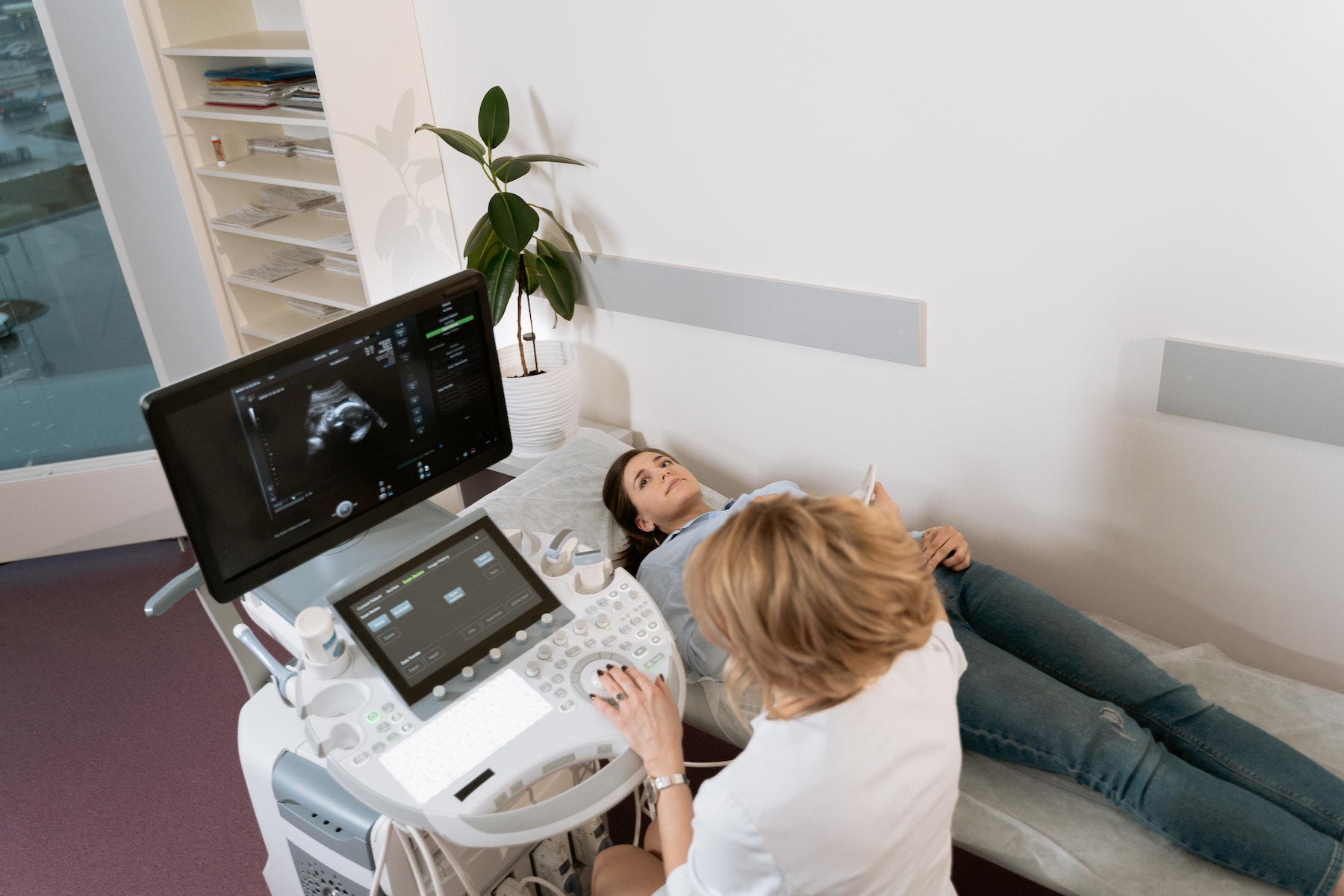
With low-risk pregnancies, the midwife performs two scans. The first one is in the first trimester for fixing a due date. The second scan is for anomalies at about 20 weeks. The midwife often does these in her own practice, but you may receive a referral to a primary care center. Additional scans require a medical reason.
Prenatal screening tests for genetic conditions and abnormalities will look for Down’s, Edward’s, or Patau’s syndromes via a blood sample between nine and 13 weeks, and an ultrasound between 11 and 14 weeks. If it’s likely your baby may be born with Down’s Syndrome, you will be offered an NIPT test.
Basic insurance does not generally cover these tests. More information is available in a brochure from the ministry of public health, welfare, and sport.
Antenatal classes
With home births so popular in the Netherlands, it makes sense that there is a wide range of prenatal classes available. Yoga is popular, but you can find hypno-birthing, acupuncture, and classes for both partners in English, Dutch, and other languages.
Some courses to consider:
- Access NL (classes for expat mums, The Hague)
- Amsterdam Mamas (list of options, Amsterdam)
- Birthlight Yoga (Utrecht)
- Bump and Beyond (Amstelveen)
- Childbirth Class Irma (Eindhoven)
- Samen Bevallen (couples classes in English and Dutch, nationwide)
- Truss Gale-Swinkels (midwife, Haarlem)
- Verloskundigen Praktijk (list of courses in Utrecht)
- Willeke Klerks (doula and birth trauma coach, Haarlem)
Abortion in the Netherlands
Abortion is legal on request up to 21 weeks after conception in the Netherlands and for medical reasons up to 24 weeks. Licensed and dedicated clinics perform the operation in addition to some regulated hospitals.
Women can call abortion clinics themselves, but a GP can also refer a woman to an abortion clinic or to a hospital that performs the operation. Abortion patients may need answer some routine questions, such as why they want to have the operation. They will be advised of all their options and their risks. There’s a mandatory wait of five days so there’s enough time to think the decision through.
Abortions in the Netherlands are free for residents. Licensed hospitals and abortion clinics carry out the procedures while health insurers cover the costs. Fiom, the national specialists in unwanted pregnancies and biological descent, has information in Dutch on abortion and other options such as adoption and foster placement.
Dutch deliveries: hospitals and home births
If you plan on having a baby in the Netherlands at a hospital, you must attend the one closest to your home unless told otherwise. Your midwife will meet you at the hospital’s maternity ward on the day of delivery.
Editor in Chief
Marie-Charlotte Pezé
Insider Tip: Epidurals
It’s important to note that midwives in the Netherlands prefer birth to be as natural as possible. The use of drugs to relieve pain during birth is quite rare. If you insist on being given an epidural or other pain-relieving medication, however, then you must discuss it with the hospital prior to delivery. Do request them again when you check in! And don’t hesitate to ask if an anesthetist is available in the eventuality of an after-hours delivery.
Most women leave the hospital within a few hours of delivery, sometimes as quickly as four hours later. Any complications before, during, or after the birth will usually see an obstetrician or pediatrician called upon.
Following the birth, parents receive a growth book (Het Groeiboek) in which to keep track of vaccinations and other important medical details relating to the child.
Delivery outside of a hospital
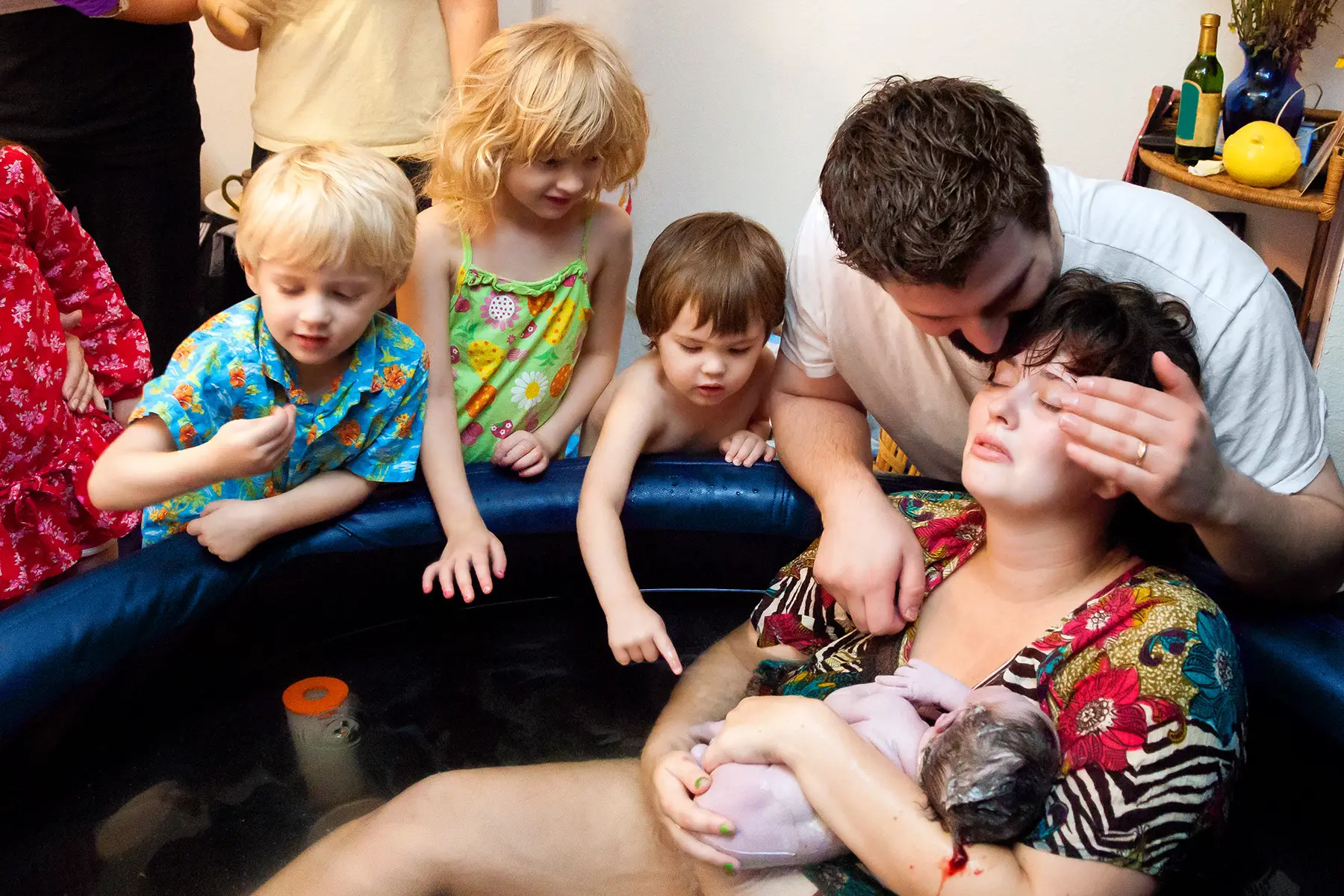
For home births, the midwife will arrive upon being notified and assist you through the process. A nurse will also be present to ensure the delivery goes as smoothly as possible. Bear in mind, however, that pain relief is not an option during home births.
Women who choose a home birth receive a Kraampakket, or maternity box, from their insurer. In addition, the midwife will bring her own kit of specialized equipment.
In some towns and cities, there are also special birthing houses (kraamzorghotel), with a homely environment while enabling a partner to stay overnight. You must register your intent to use a kraamzorghotel up to two months in advance of your due date. Visit Kraamzorg Rotterdam for an example of a birth house.
Outpatient clinics (poliklinisch) are also popular with some women, as the delivery involves both a midwife and a doctor. This service is available in most hospitals. Clarify this well in advance with the hospital closest to your home.
Although birth and pre-natal care are part of your basic health insurance package, it may be helpful to purchase additional private insurance in order to protect yourself from the costs of any medical complications that may follow.
All newborns in the Netherlands receive Vitamin K following their birth. In addition, newborns receive vaccinations within eight days, with regular vaccinations scheduled up until the age of nine. Newborns may receive vaccinations against infectious diseases such as Hepatitis B, Measles, Polio, or Tetanus. More information is available from the National Institute for Public Health and the Environment. Your child’s health is thereafter overseen by the GGD GHOR Nederland, which provides community health services.
Post-natal care in the Netherlands
One of the unique features of having a baby in the Netherlands is every woman’s entitlement to a maternity nurse (Kraamzorg); mandatory basic insurance packages cover the cost of this. The service will see a medical professional attend your home every day during the week following the birth, with their services covered by your health insurance. In some cases, however, it may not be completely covered, so it is important to clarify this beforehand.
As well as being able to offer advice and answer any questions you may have, the Kraamzorg can also assist with everything from general household chores to purchasing groceries. Depending on your needs, the maternity nurse will be available to assist you full-time or for just a few hours each day.
If you wish to take advantage of the service you should register your interest prior to your 12th week of pregnancy in order to ensure you are allocated a nurse in time for your birth.
Parents receive a book that documents the child’s growth and general health information. During the first few years, the child will receive regular check-ups in order to monitor his or her health.

Nurseries and childcare
Other post-natal services are available from various church and community groups, offering everything from exercise classes to additional nursing assistance at home. English-speaking nurseries (Peuterspeelzaal) are also available, although most nurseries in the Netherlands are Dutch-speaking only.
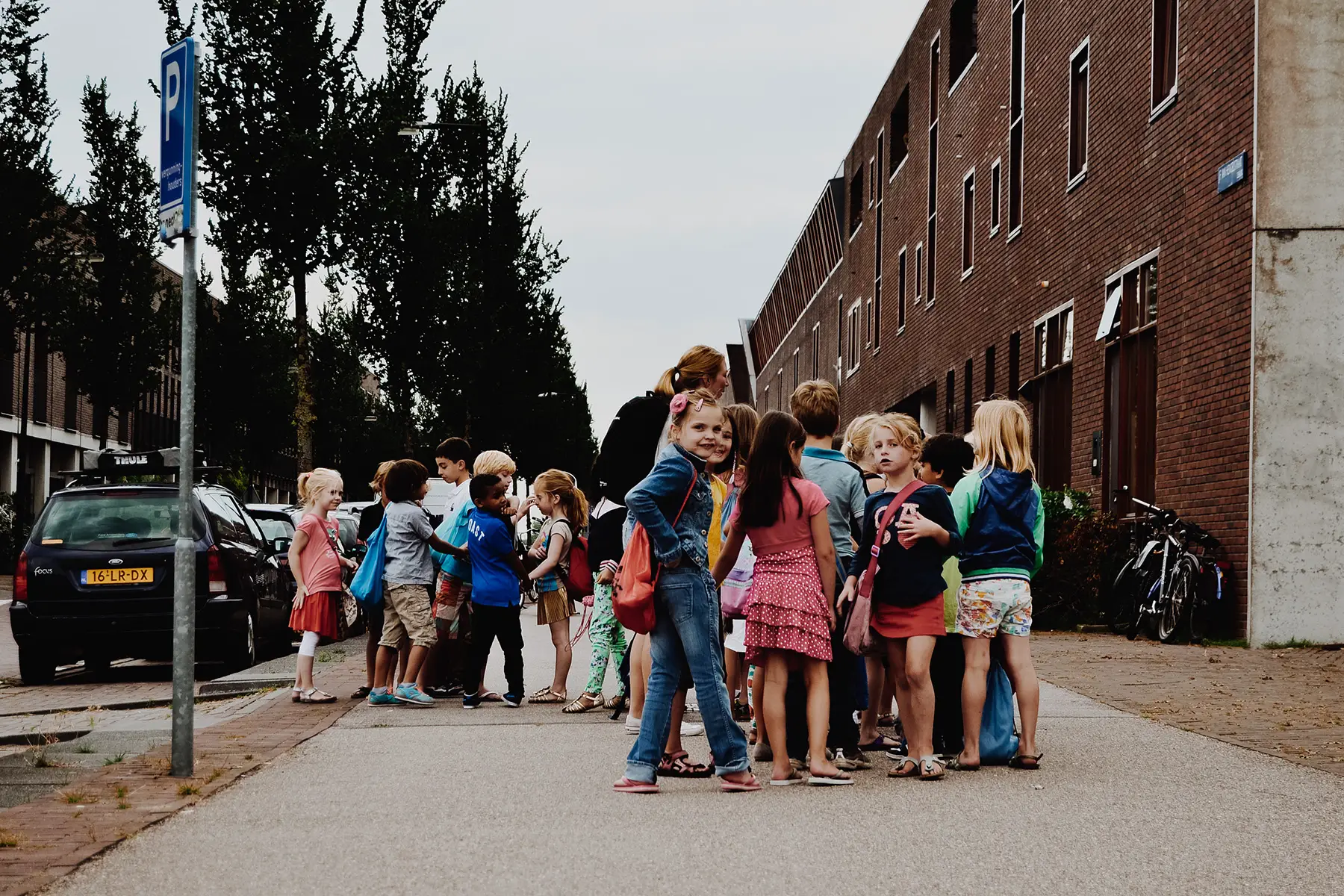
It is never too early to register your child for daycare, for instance, when you are pregnant. Governmental policy (in English) is available from the Rijksoverheid (in Dutch). Parents in the Netherlands are entitled to child allowances, which may open more doors when choosing how to finance your childcare.
Vaccinations for children
The Dutch subscribe to the belief that every child must be given the best possible start in life. Consequently, the country’s National Immunization Program vaccinates children living in the Netherlands for free against nearly a dozen different diseases. Vaccination is not compulsory, but over 95% of parents in the country have their children inoculated.
The first round is before the age of four in the Netherlands, usually at a baby and toddler clinic. By the age of nine, two vaccines are repeated: DTP (diphtheria, tetanus and polio) and MMR (measles, mumps, and rubella; BMR in Dutch).
Girls are also offered a vaccination to protect them against HPV and cervical cancer in the year they turn 10. Vaccinations for schoolchildren are provided either by the municipal health services or at a youth and family center (CJG).
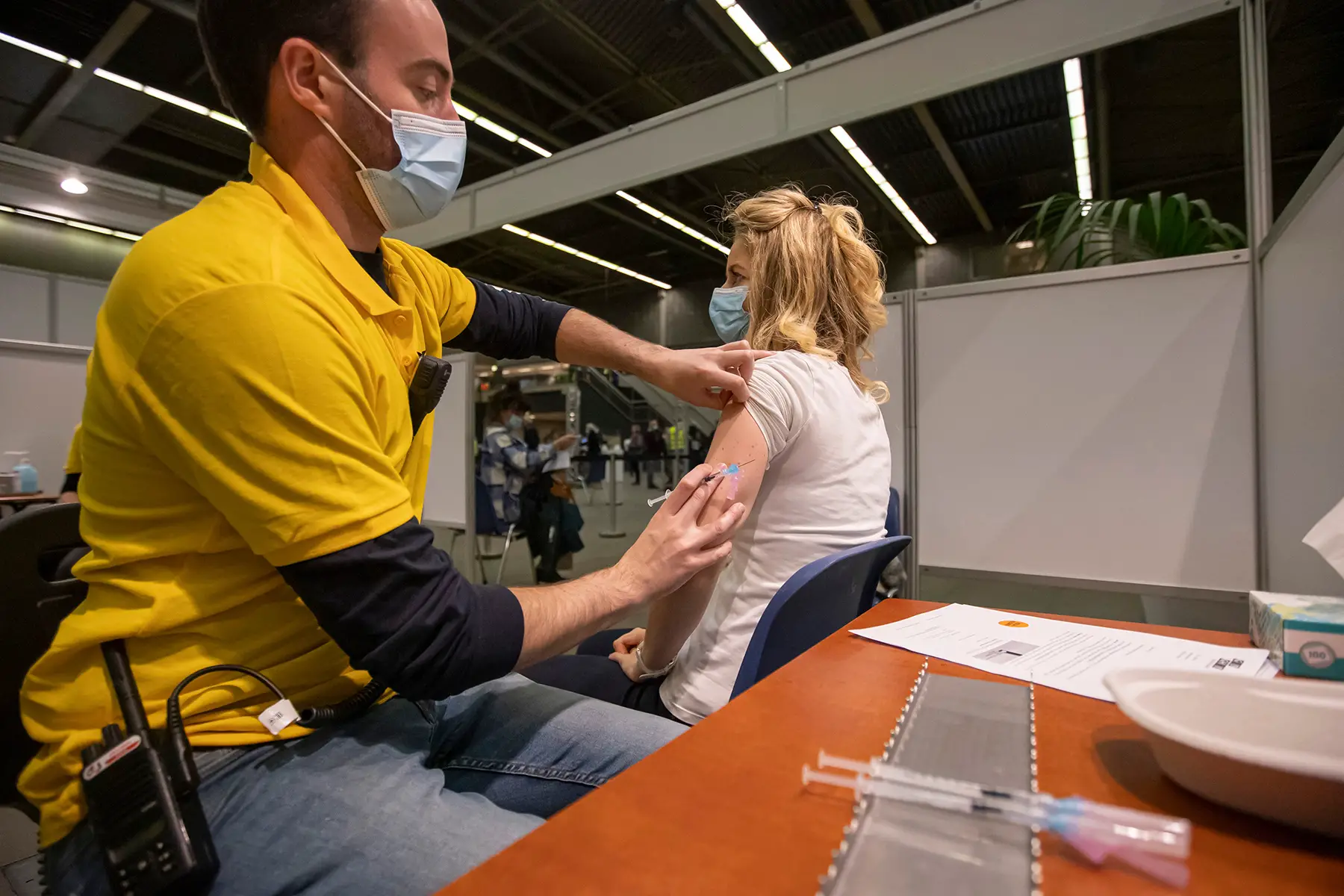
Doctors generally discuss vaccinations about a month to six weeks in advance of each round. You will usually receive an invitation in the mail with a vaccination slip that you have to bring to the appointment. Healthcare staff will provide a certificate for the child’s records after the shot.
Breastfeeding in the Netherlands
Breastfeeding is an accepted part of everyday life for millions of women worldwide, and the practice is strongly endorsed by health bodies such as the World Health Organization (WHO).
Public attitudes to the practice differ, however. Women who breastfeed in public can find themselves at the receiving end of a few stares and occasionally even a comment in an otherwise liberal country. As recently as 2015, women in the Netherlands reported being told off by staff at cafés and shops, but attitudes have since relaxed considerably.
Many companies and public institutions now welcome women to breastfeed in public and will display a logo near the entrance. Several municipalities openly declare themselves breastfeeding friendly; you can find out more about them at Voedingscentrum.nl (in Dutch).
If you’re told off in a public place, however, don’t hesitate to confront the institution about it; as in most matters, the Dutch appreciate directness. There are no laws against public breastfeeding.
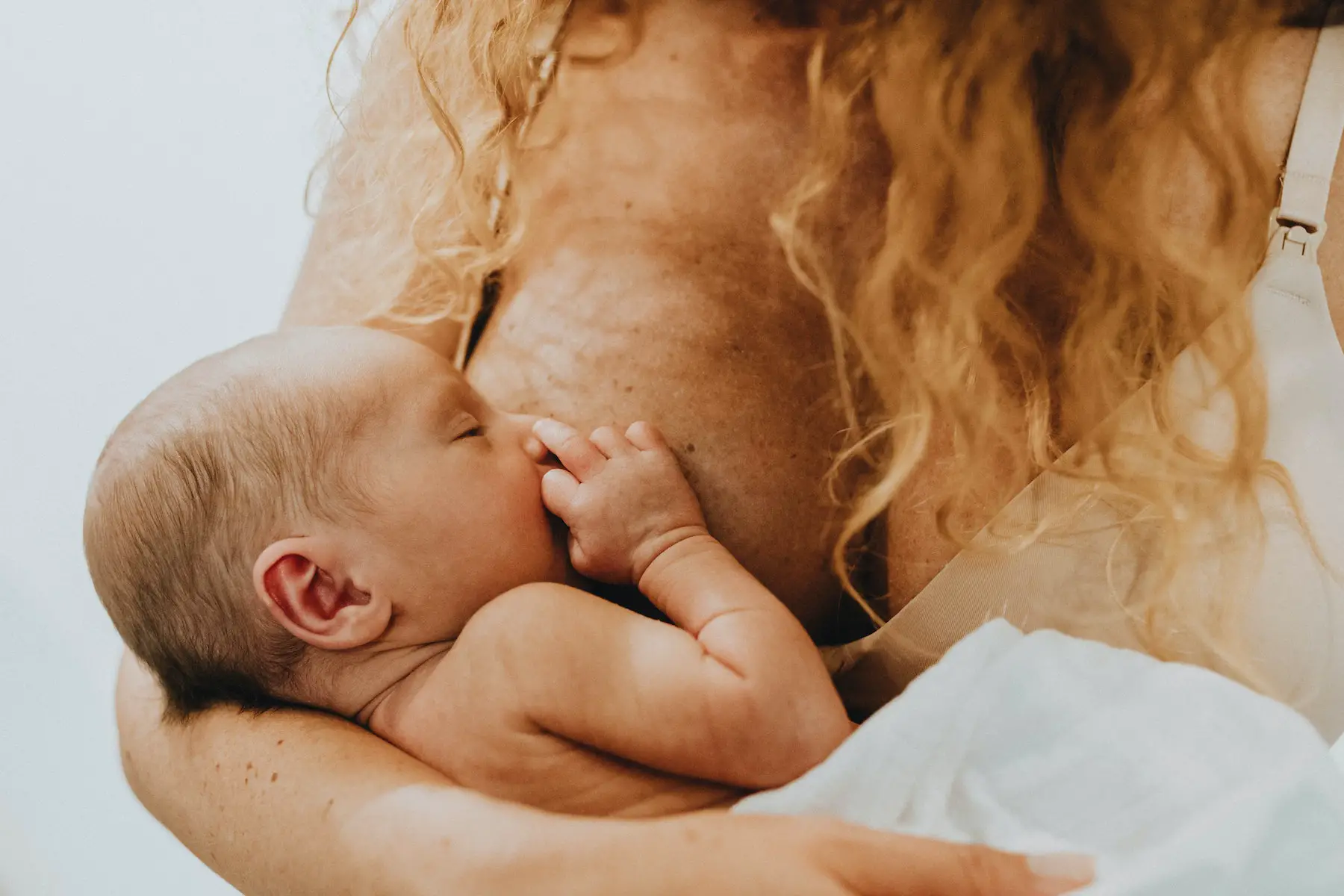
For women returning to work, Dutch law requires that employees must provide a space for them to breastfeed their babies for the first nine months, and allow for 25% of work time to be spent on feeding the baby or pumping while on pay. After that, conditions for breastfeeding must still be met, such as nursing rooms and timely breaks, but time spent breastfeeding isn’t paid for anymore. Read more about the law (in Dutch).
Registration of birth in the Netherlands
Your local city hall (gemeentehuis) requires all newborns to be fully registered within 72 hours of birth. Registration takes place in the municipality of birth; this is important to note in case the birth occurs in a different municipality. Both parents must present their passports, birth certificates, and residence papers at the time of registration. If applicable, marriage certificates must also be included. The city hall issues the child’s birth certificate upon completion of registration. In addition, authorities provide a kinderbijslag form, which allows parents to claim child benefits.
Expats wishing to register the birth in their home country can do so via their relevant embassy in the Netherlands. However, this can only be done once a Dutch birth certificate has been obtained.
Expats living in the Netherlands will need to apply for a residence permit for their child. The IND website has a comprehensive page on the subject.
Non-residents, visitors, and tourists giving birth
Tourists in the Netherlands must have health insurance or pay for health expenses themselves. EU citizens receive coverage from the European Health Insurance Card. Non-residents and tourists applying for a Schengen visa must take out a travel insurance policy with a coverage value of up to €30,000. Anyone who doesn’t need to apply for a visa in advance should take out a travel or a global health insurance policy – particularly if they’re planning to stay for a few months.
Some travel insurance policies cover pregnant women in the first trimester. However, coverage rarely extends beyond that period unless you add on an extra component. Policies often do not cover miscarriages, either. Check with your insurer when planning your trip. Our recommendation is to sign up for an international health insurance plan where maternity coverage is usually very comprehensive.
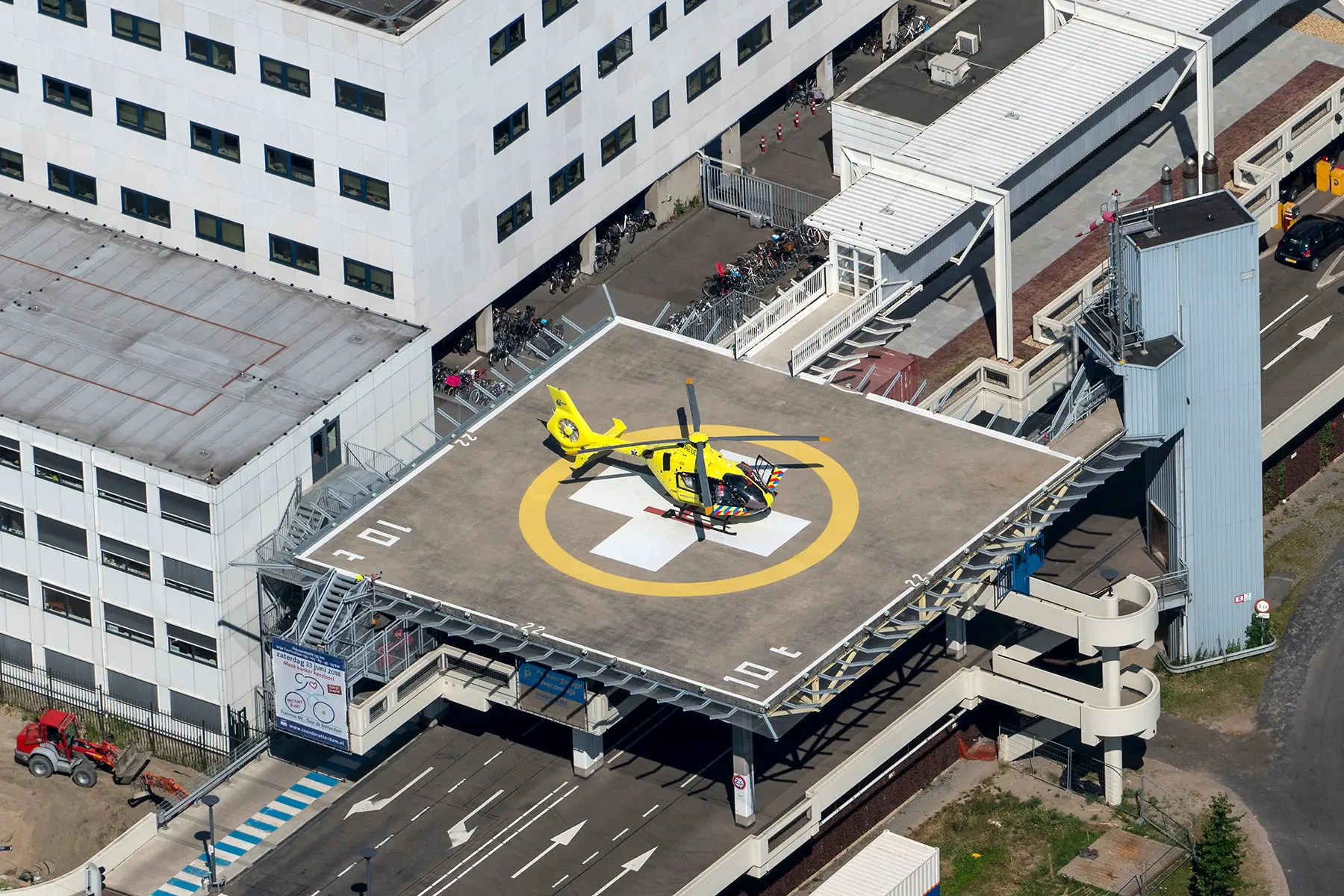
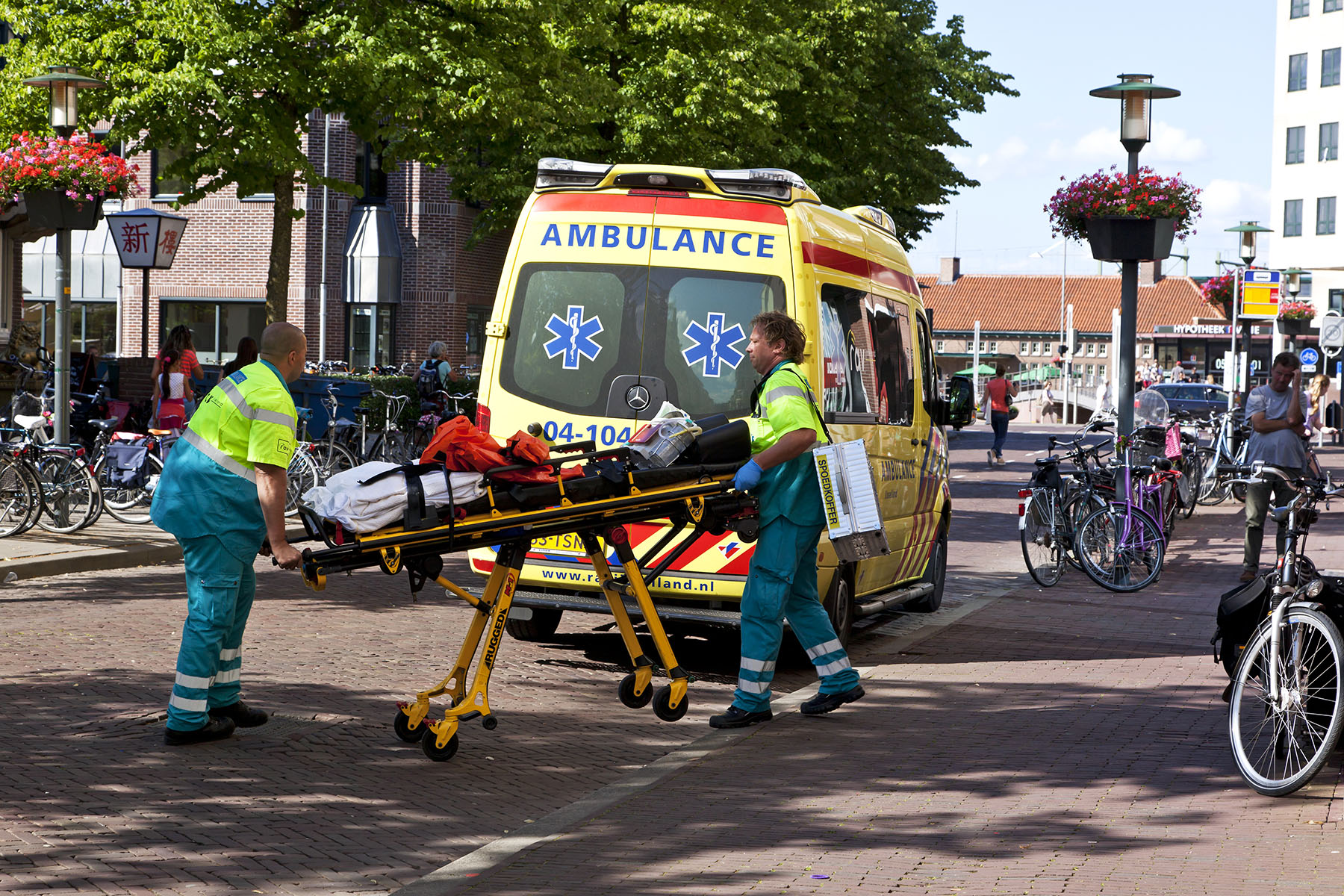
In emergencies or life-threatening situations, you can call the free emergency number 112. The call center will send the help you need: ambulance, police, or the fire service.
Will my child get Dutch citizenship?
European countries don’t offer birthright citizenship, but a child with a Dutch mother becomes a Dutch citizen by law. With a Dutch father, the child’s parents either need to be married on the day of its birth, or the Dutch father needs to acknowledge the child before his or her seventh birthday. After that date, he must present DNA proof.
Expat kids who have lived in the country for five years are eligible for Dutch citizenship.
Parental leave in the Netherlands
If you are employed, you should inform your employer and apply for your pregnancy and maternity leave no later than three weeks before your leave begins.
There are several forms of parental leave in the Netherlands. New birth mothers are entitled to:
- Pregnancy leave (zwangerschapsverlof): four to six weeks of paid leave (100% your day rate), taken before the birth.
- Maternity leave (bevallingsverlof): 10-12 weeks of paid leave (100% your day rate), taken after the birth.
Their partner is entitled to:
- Calamity leave (calamiteitenverlof): a day of leave for the birth of the child (100% your day rate)
- Paternity leave (geboorteverlof) – six weeks of leave: 100% of your day rate for the first week, 70% of your day rate for the next five weeks, taken after your partner has given birth.

To make sure you can spend time with your child without losing your job, the Netherlands allows all new parents (birth, step, adoptive, foster) to take parental leave (ouderschapsverlof). This quasi-paid leave allows you to take 26 times the hours you work per week when your child is between 0 and 8 years old. That means that if you are working 40 hours per week, you can get 26 times 40 = 1040 hours off. This applies to both parents.
Parental leave is quasi-paid because you can get nine weeks of paid leave (70% your day rate) when you take it during the first year of your child’s life.
Child benefits in the Netherlands
The Dutch government realizes how hard it is to raise children, and helps out with a little extra. Parents living or working the Netherlands with children under the age of 18 are eligible for child benefits and allowances. The Sociale Verzekeringsbank (the social insurance bank in English; SVB for short) and the Belastingdienst pay these benefits.
New parents are usually contacted within two to four weeks after they register the child’s birth, at which point they can log on to the SVB website and fill in an online claim form. You’ll need to call the SVB if you don’t hear from them even four weeks after you register the birth.
The allowance, called a kinderbijslag, is on a sliding scale depending on the age of the child. SVB adjusts child benefit amounts for children with disabilities or serious illnesses. Check out SVB’s child benefits page.

In addition, the Belastingdienst also provides two different allowances for parents:
- the kinderopvangtoeslag, to help defray the costs of childcare
- the kindergebonden budget, for lower-income parents