
'%20id='ico-down'%20stroke='%23000000'%20stroke-width='1.5'%3e%3cg%20transform='translate(1092.250000,%20254.750000)'%3e%3cpolyline%20id='Path-2-Copy-4'%20transform='translate(5.500000,%202.750000)%20scale(1,%20-1)%20rotate(-180.000000)%20translate(-5.500000,%20-2.750000)%20'%20points='0%200%205.5%205.5%2011%200'%3e%3c/polyline%3e%3c/g%3e%3c/g%3e%3c/g%3e%3c/svg%3e)


Housing
Buying & Selling
French real estate: buying a house in France
Whether you’re looking for a studio apartment in Paris or a roomy house in Bordeaux, learn all about buying property in France.

If you’re moving to France or already renting there, you might be thinking about buying your own home. When looking into purchasing property, it’s a good idea to get clued up on French mortgages, home insurance, and property renovations. However, if you’re keen to get a broad overview of the French housing market and how to buy a home as an expat, read on.
In addition, we will show you how to save money on transferring your funds internationally with services like Wise.
Below, you can find detailed information on the following topics:
Societe2Courtage
Need help securing your dream home in France? Societe2Courtage can help. Their dedicated team of experts will find the best financial conditions from French banks. Whether you're buying a chalet in Chamonix or a beachside bungalow in Biarritz, speak to the mortgage experts at Societe2Courtage today and make your dreams a reality.

Homeownership in France
In recent years, the percentage of people in France who own their own home has risen steadily and currently stands at 64%. This is slightly below the EU average of 69.7%.
First-time buyers are known as accédants until they have finished paying off their loan, and most people (around 80%) take out a mortgage to purchase their home.
Low-income households tend to purchase homes in rural areas and small towns, where prices are lower than in cities. They also often depend on state aid for home purchasing. Most people buy their first homes well into their 30s and even later. Finally, immigrant populations are less likely to be homeowners in France. However, there are considerable differences between countries of origin. Immigrants from the EU and Southern Asia, for example, are far more often homeowners than immigrants from Africa.
Should you buy or rent property in France?
If you’re not familiar with the area you’re moving to, it’s a good idea to rent first before buying. This will give you ample time to explore the market and neighborhoods. In addition, you should always visit several properties and get local advice before making a major financial decision.

But even once you’ve found the home of your dreams, it will likely take around three months before you get the keys. On top of that, there may be renovation or decoration work to complete before moving in.
Can expats buy property in France?
Around 5.8% of all property in France is currently owned by foreigners, most of whom reside in France. Brits account for about 45% of these purchases, and Belgians for roughly 20%.
So the short answer is yes, as an expat, you can legally purchase property in France. But whether or not you can get a loan will depend on many things: your country of origin, earnings, possibly your marital and residence status, and other criteria.
EU and EFTA citizens
There is no restriction for EU or EFTA citizens. If you live in France, the process should not be more complicated than for a French citizen. The only difference is that you may need to translate certain official documents. If you do not reside in France, however, banks will be stricter when it comes to offering loans.
Non-EU citizens
If you’re arriving from further afield, you need to justify your intent to remain in France for the duration of your mortgage. You can show you intend to stay by obtaining a passport talent, being married to a French citizen, or getting a long-term residence permit (titre de séjour). With a residence permit of at least four years, there’s a high chance a bank will be willing to consider financing your loan.

However, your country of origin will influence how easily you can access a bank loan. For example, because of strict fiscal agreements between France and the US, it is difficult for Americans to access loans.
Paying property taxes
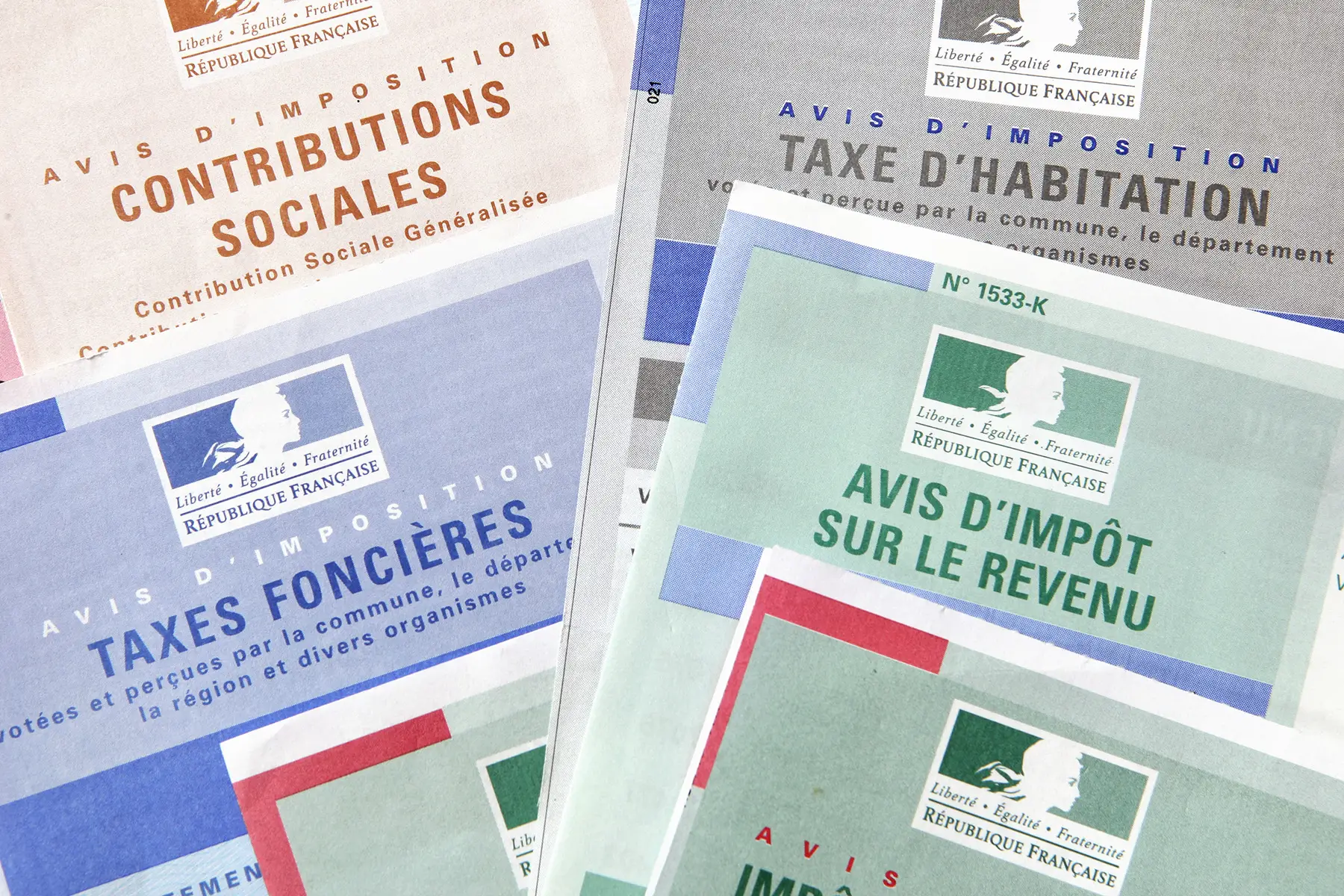
Moreover, how much tax you pay on your property annually depends on additional factors. These include:
- if you are or have previously been a full-time resident in France
- whether you pay your income taxes in France
- the price of the property
- how long you have owned it
- whether it is your primary residence
- whether you rent it out furnished or unfurnished
To find out what tax rates will apply to your particular situation, reach out to a local notary. They accompany home buyers and are familiar with fiscal law.
The French property market and property prices
Many French households increased their savings during the 2020 COVID-19 lockdowns, resulting in a rise in real estate purchases in 2021. In fact, sales rose by 14.5% compared to the same period in 2019. The recent trend has been to favor houses over apartments. This has led to a significant increase in house prices, especially in less populated areas away from major cities. Over recent months, apartment prices have increased by 5.2%, while house prices have gone up by 9%.
The Association of French Notaries is projecting similar growth for the coming year: around 5% for apartments and 10% for houses. Overall, French real-estate prices are among the highest in Europe, rivaling the UK, Monaco, and Austria. However, it is worth noting that prices per square meter vary drastically from city to city and between urban and countryside areas.
For the latest sale prices for properties in areas that interest you, check out the interactive Demande de Valeur Foncière website.
Buying property in Paris
Paris is, of course, by far the most expensive city in France. But real estate prices in Paris can vary widely depending on which arrondissement you want to live in. The average price in the city is €11,075 per m2. However, this ranges from €9,475 per m2 in the 19th arrondissement to €15,367 per m2 in the coveted sixth. You may also want to check out more affordable properties in the Paris suburbs.
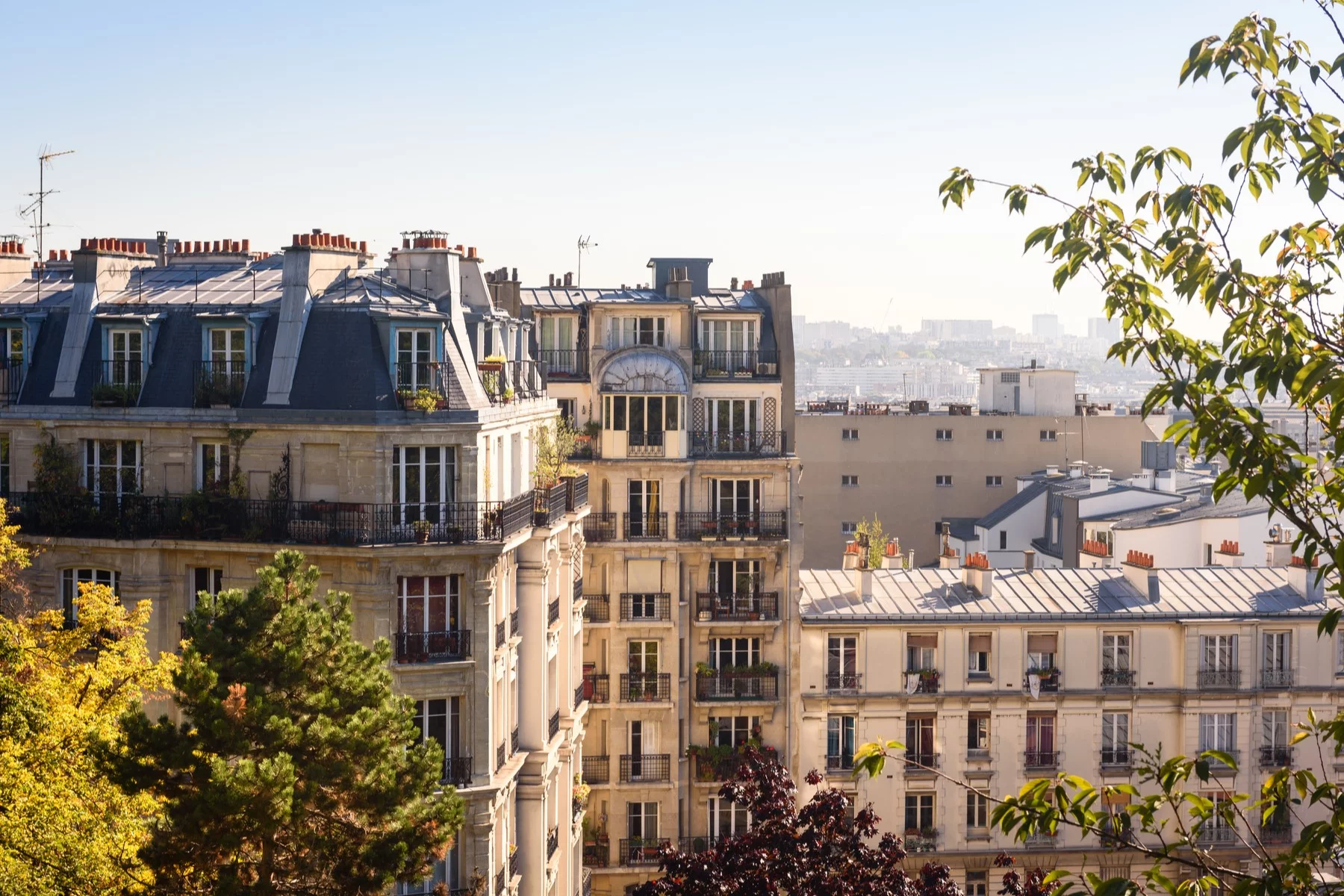
The housing stock in Paris consists primarily of apartments. Only 17% of homes are houses. Moreover, due to high prices, only 33% of Parisians own their own homes, far below the national average. On the other hand, 9% of Parisian apartments are secondary residences.
Buying property in Nice
The average price of an apartment in Nice is €4,200 per m2, making it the most expensive city on the Côte d’Azur. The housing stock in Nice is 91% apartments (of which just under 14% are new builds) and 9% houses. Finally, 47% of people own their own homes, which compares favorably with other cities in France.
Buying property in Marseille
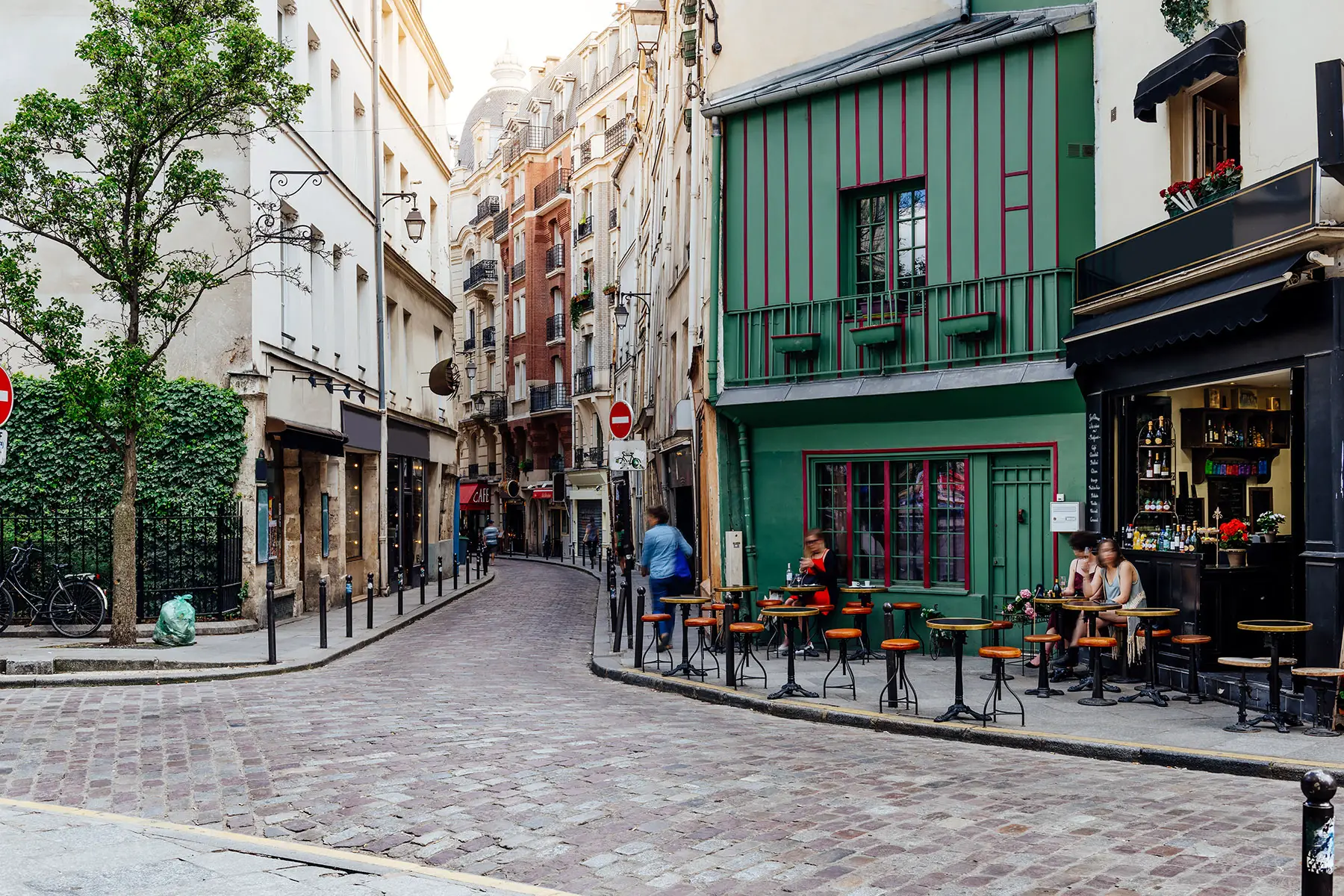
In the dense city of Marseille, the second most populated in France, the average price of an apartment is €2,810 per m2. This makes it one of the cheaper options on the Côte d’Azur. The average house price in and around the Marseille/Aix-en-Provence area is €379,000, reflecting a 12.5% price increase since 2020. Marseille has a housing stock composed of 13% houses and 87% apartments, with a 44% homeownership rate.
Buying property in Bordeaux
Real estate prices have risen significantly in Bordeaux due to a new high-speed railway line which has drawn Parisian buyers. Currently, you can expect to spend €5,446 per m2 for an apartment in Bordeaux and €4,304 per m2 for a house. Rising prices impact homeownership, as 32% of Bordeaux’s inhabitants own their home, a rate even lower than Paris.
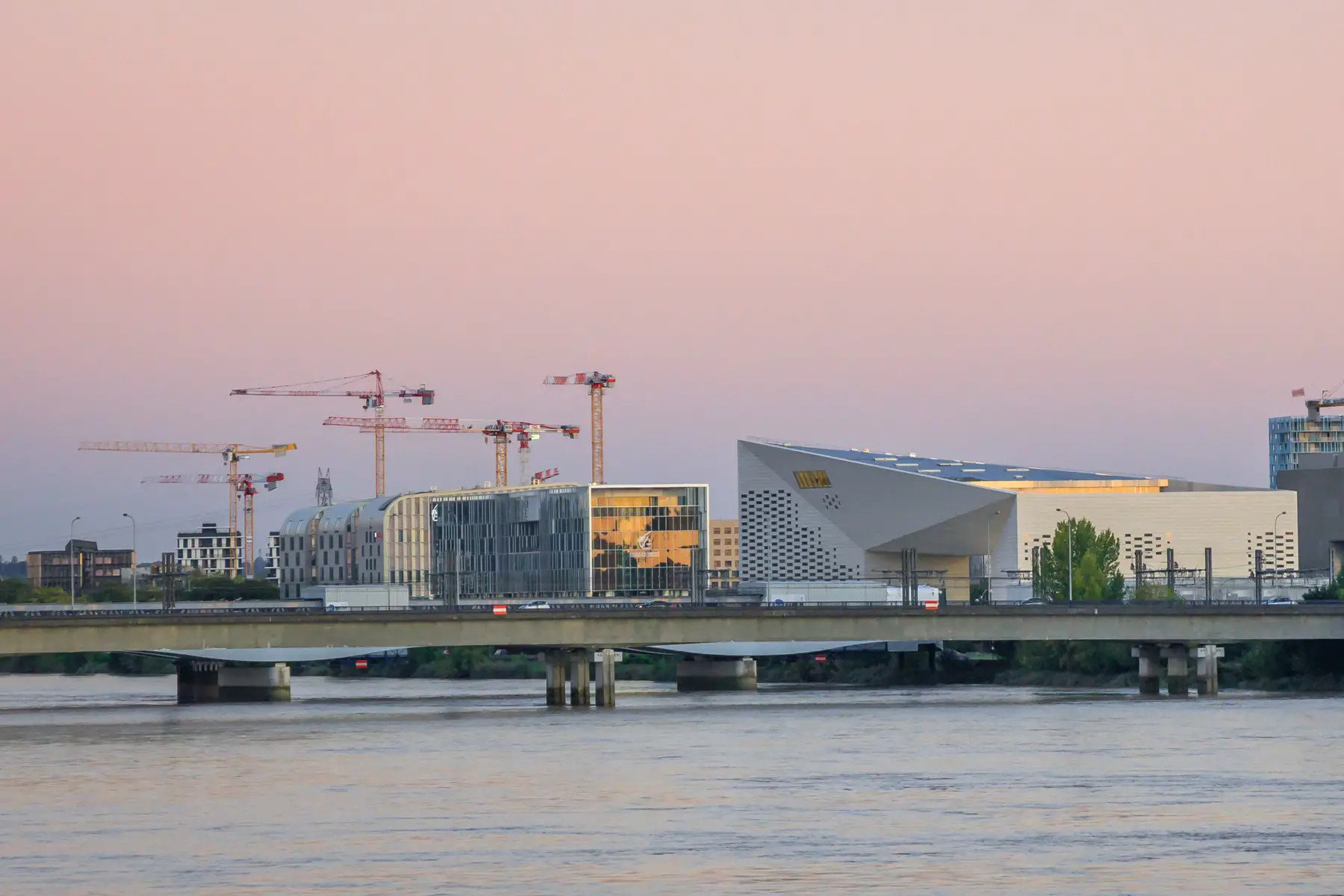
New houses are being built (3%) in Bordeaux, setting it apart from most other major French cities. The rest is still largely old (62%) and new (18%) apartments.
Buying property in Lyon
Lyon is one of the most expensive cities in France in terms of real estate. You can expect to pay over €5,090 per m2 for an apartment, although, much like Paris, prices vary significantly between arrondissements. Homes go for an average of €426,000. Its homeownership rate is similar to Paris and around half the national average (34%). Houses make up 11% of Lyon’s building stock, the rest being old (61%) and new (28%) apartments.
Costs of buying a property in France
- Fiscal/admin fees – If you sign an initial promesse de vente contract, there is typically a fee (droits d’enregistrement) of around €125.
- Notary fee – The notary fee (frais de notaire) is a collection of local and regional taxes on property purchases that total roughly 8% of the property price. For new builds, this is considerably lower, about 2 to 3%. The notary receives only a fraction of this, about 1% of the property value. When calculating your loan, you must take these fees into account as they can add a significant sum to your expenses.
- Insurance – 90% of homeowners in France have multi-risk home insurance. The cost varies depending on several factors, including location, property type and value, and your personal profile. It generally starts at around €120/month, but you can use online comparison sites like LeLynx to compare offers.
- Estate agent fees – the seller negotiates and pays these costs, which are included in the property’s sale price.
- International money transfer – banks often add markups and transfer fees to international transfers, leading to significant hidden costs and a less favorable exchange rate. Using a specialist provider like Wise, which offers transparent fees and the mid-market exchange rate, can help you avoid these risks and save money.
Wise
Buying a property abroad is a big step and involves important financial decisions. Wise, an international money transfer company, provides specialist support to help you navigate large international transfers and save on exchange fees. Fill out Wise’s online form today to find out how they can assist you.
Financing a property purchase in France
Mortgages
Fixed mortgage rates in France are currently very low, hovering at around 1.1%. From that perspective, it’s a great time to buy a property and rarely worth opting for a variable rate mortgage, although this is an option.
The conditions for getting a mortgage in France typically include:
- That your monthly repayment does not exceed 35% of your total income (once fixed expenditure is deducted, such as alimony or child support)
- That your repayment plan does not exceed 25 years
- That you have proof of intent to stay in France for the duration of the loan repayment if you are not already a full-time resident
- That you have a corresponding life insurance policy
- That your downpayment is at least 10% of the purchase price
- That you have a stable income and no overdraft or instance of non-payment
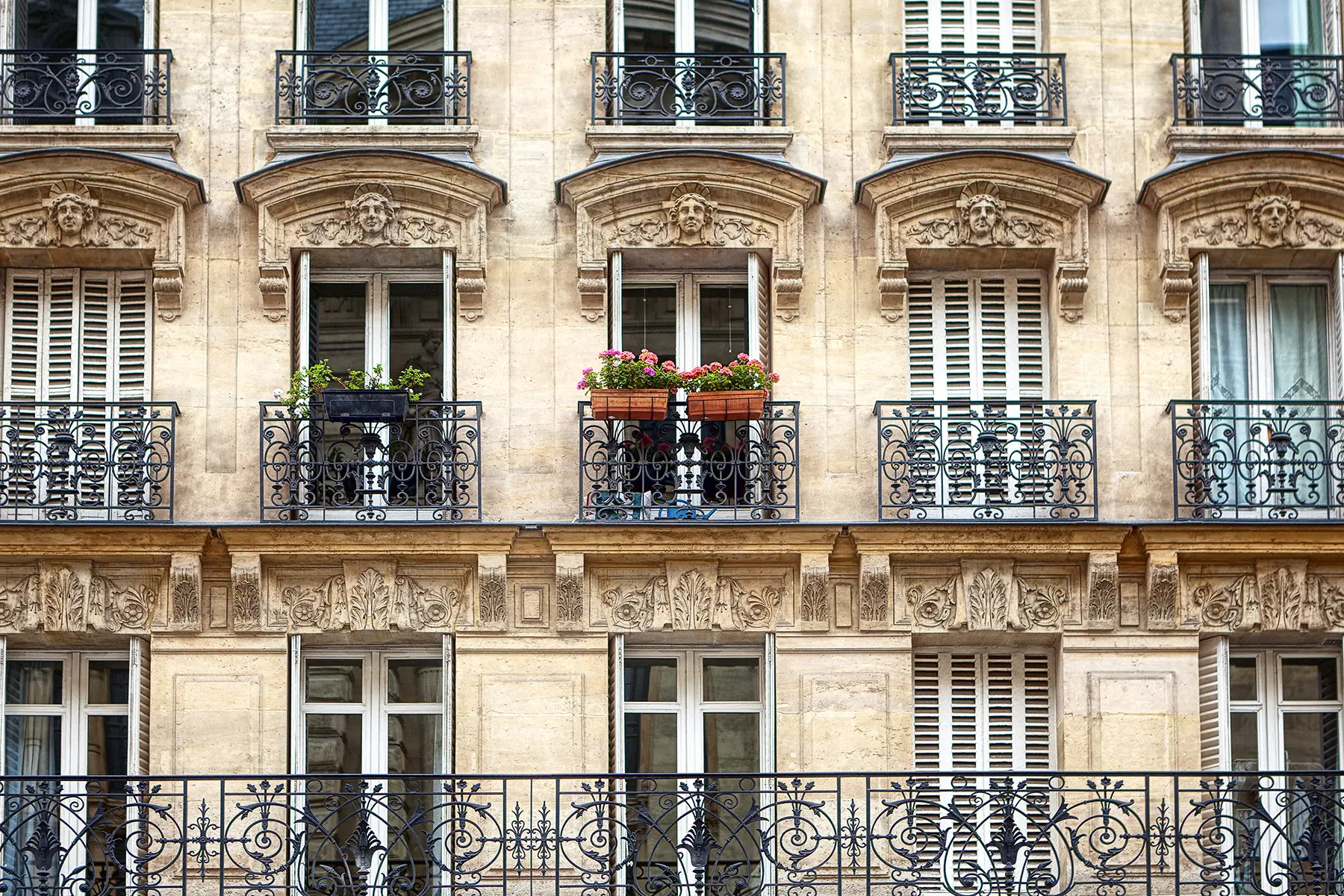
The French Service Public site has an online mortgage calculator. It can help you estimate your repayments, borrowing capacity, or loan rate. If you’re not sure where to start, it’s worth getting in touch with a mortgage advisor. Mortgage brokers such as Societe2Courtage and online platforms such as Upscore can help you find banks’ best options for home loans.
Assistance schemes
- First-time homebuyers working in the private sector can access a €10,000 purchasing grant (Prime Accession). Whether you can benefit from this scheme also depends on your total household income and where you plan to buy. You can go to the ActionLogement platform to see if you’re eligible and apply.
- Banks are not the only places to get housing loans in France. Additional low-rate loans can be accessed through ActionLogement, your local town hall or department administration, or even insurance companies.
- The Prêt d’accession sociale (PAS) is another housing loan available to low-income households for purchasing or renovating their primary residence.
- A zero-interest loan (Prêt à taux zéro, or PTZ) can finance the purchase or construction of your future home. It can’t be your principal loan, but you can apply for it in addition to your mortgage or other housing loans. Whether you can benefit from this scheme also depends on household income and where you plan to buy. You can use an online simulator to see if you’re eligible.
- If you need to renovate your new home to make it more energy-efficient, you could get an Éco-prêt à taux zéro (éco-PTZ). This is another type of zero-interest loan of between €7,000 and €50,000, depending on your renovation project.
Finding a property in France
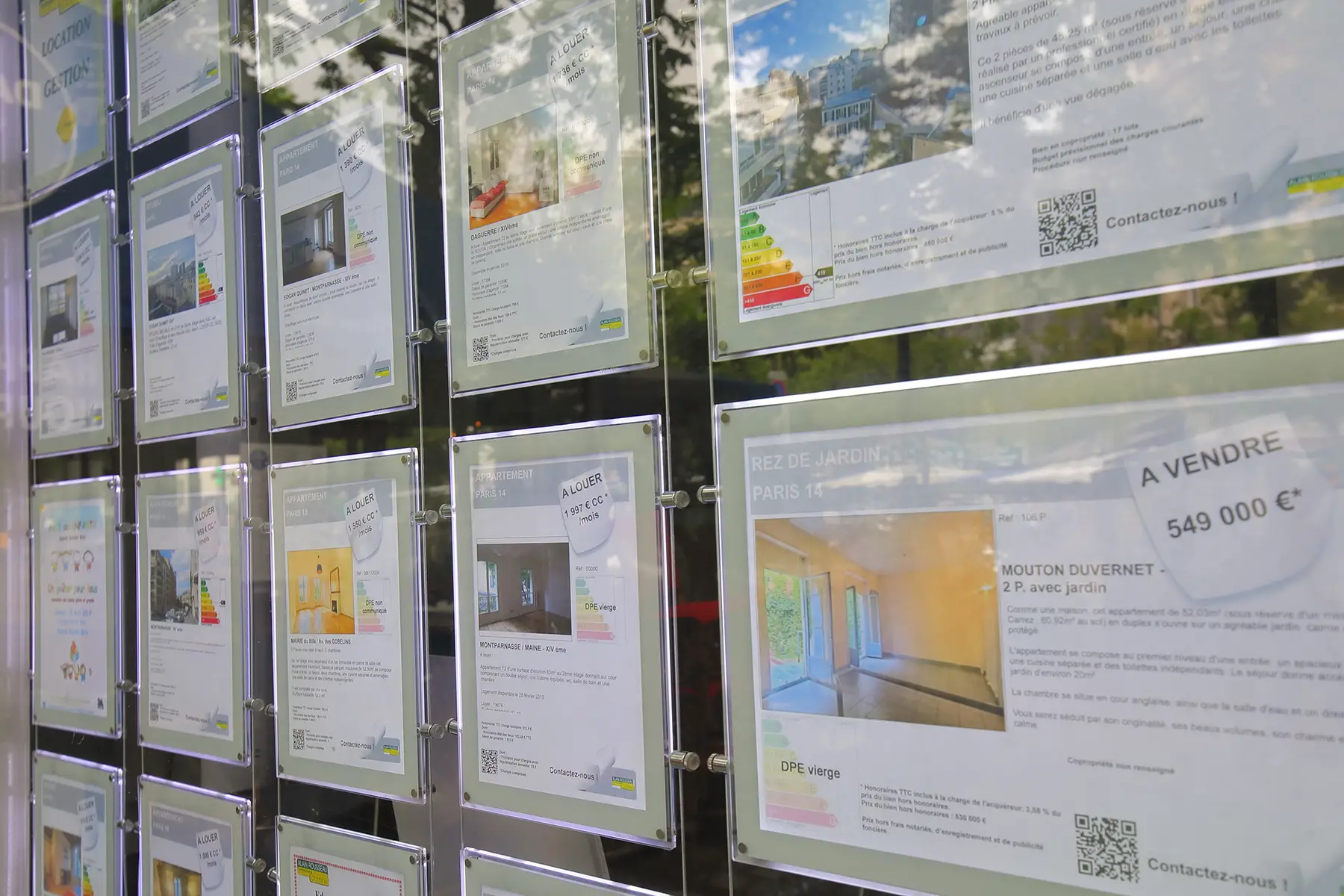
You can pick up local property magazines or visit local realtors (agents immobiliers) to find properties for sale. However, some people rent and sell properties without going through agencies (a process known as particulier à particulier) – these offers are available on the pap.fr website.
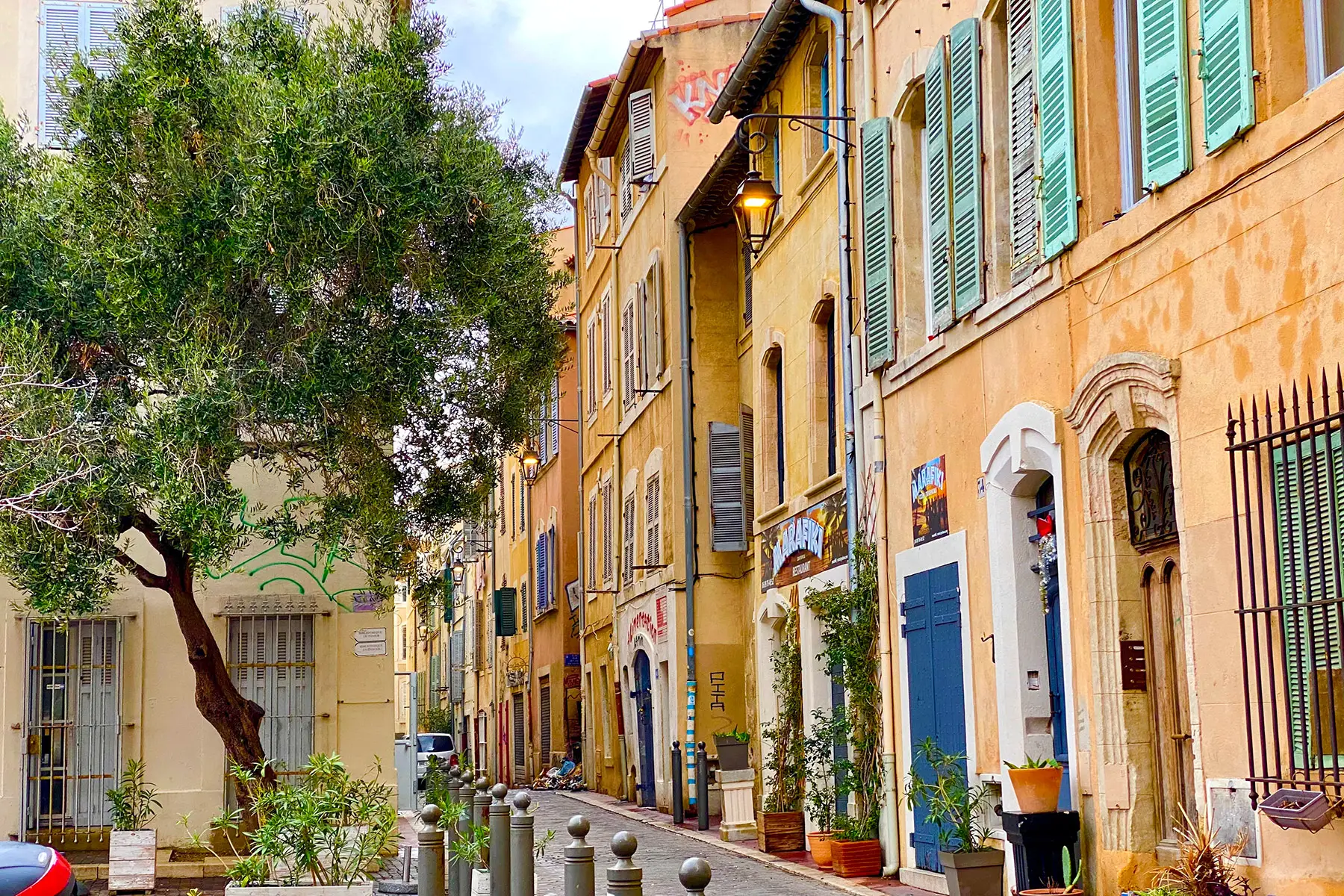
It’s worth noting that almost all realtors post their housing adverts on national property and sales platforms. The major ones are SeLoger, which is dedicated to real estate, ParuVendu, and LeBonCoin, where you’ll find everything from houses to old bikes and toys. Moreover, feel free to browse our directory of housing portals. It offers more niche options that focus on luxury property, an international clientèle, and green housing.
Property agents
You can look through the property offered by local realtors and register with them to receive new offers. However, they may not send you this information before posting it online, so it’s not very different from signing up for automatic updates on sites like SeLoger.

The seller decides whether to go through a realtor and which one(s) to hire. As a buyer, this is of limited concern to you. The realtor’s job is to sell quickly and at a good price for their client (who pays their fees). Therefore, it’s up to you to get second opinions, visit housing professionals, and hire your own notary to carry out background checks on the property.
Viewing a property
When you see a property that you like, book a visit with the realtor or owner as soon as possible. Some properties may have a video or 3D view online, but it’s essential to see it in person. It’s worth bearing in mind that properties in certain areas, especially major cities, go like hotcakes.
It’s currently a seller’s market, and many people sign a sales agreement (compromis de vente) before visiting the property. Only some agencies accept this – others insist that potential buyers view the property first. Signing a sales agreement effectively blocks other visits for at least the next ten days, during which you have time to visit at your leisure and retract your offer at no cost.
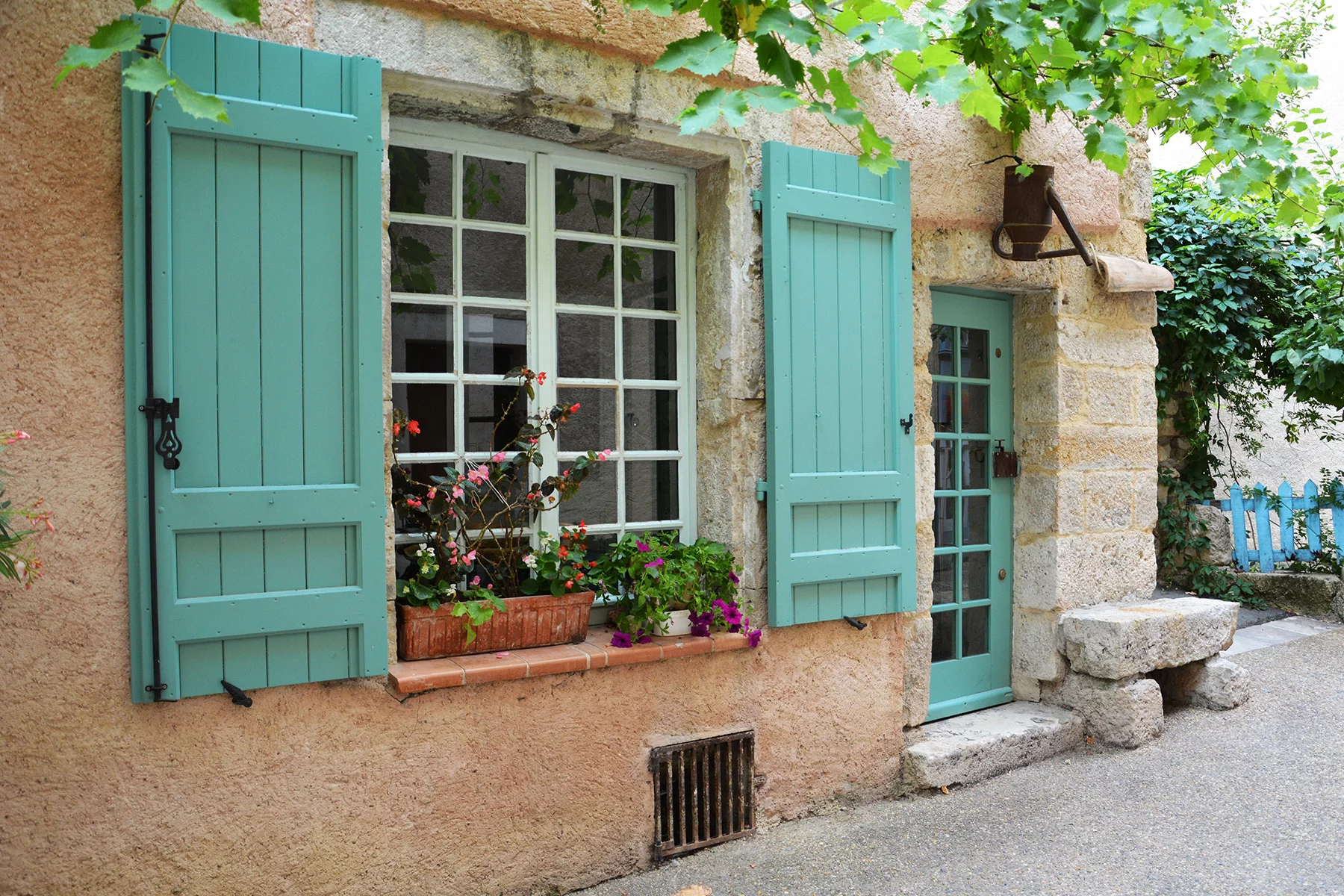
Make sure you view the property multiple times. Go with someone you trust or a building sector professional for a second opinion. When visiting a property:
- Touch and open everything, and look for signs of building quality
- Look into corners and ceilings to check for humidity and water damage
- Check the quality of windows, which are often costly to replace
- Ask to see the outside, communal spaces, garage, and any storage spaces sold with the property
- If you can, chat with neighbors or locals to find out more about the area or property
Additional points to consider
If you like the look of a property, some crucial things to consider are:
- Location – what kind of area it is in, whether any building work is scheduled nearby, what transport links exist, and if new ones are planned. You should hire your own notary to check the contract against urban plans and make sure, for example, that the parcel for sale has been measured precisely and that any extensions were built with permission.
- Local taxes – you pay two annual taxes if you live in and own your home: the taxe d’habitation and taxe foncière. These can vary significantly even from one area of a city to another, so it’s worth checking before you buy.
- Condition – check when the building was built or renovated. What is the realtor’s estimate for renovation costs? Bear in mind – their estimate will likely be lower than in reality. The seller must also provide a recent official diagnostic, detailing everything from energy performance to local risks of pollution or flooding. This will give you a good idea of your energy bills.
- Co-ownership and planned work – if you’re buying an apartment, you’ll likely have to join the building’s syndicate upon purchase. Make sure you know their annual fees. In addition, ask to read the co-ownership contract (règlement de co-propriété) and the last few years’ meeting minutes (procès-verbal des dernières assemblées générales des copropriétaires). This way, you can find out about any upcoming building work, past problems, or ongoing conflicts between neighbors. It will also give you an idea of what you have the right to do without getting the permission of the other building owners.
The process of buying a property in France
It takes around three months from signing an initial sales agreement to getting the keys to your property. If you buy cash and sign quickly, this can be as little as two months. However, when adding the time it takes to guarantee bank loans and triple-check contracts with notaries, this timeframe comes closer to four months.
Making an offer
If you’re buying property in a seller’s market, there’s a good chance the owners won’t accept an offer below their asking price. On the other hand, if the property has been on sale for months, requires extensive renovation, or has any other flaws, you can use this to negotiate a few percentage points below the asking price.
Property prices are negotiated down rather than up, which means owners will tend to ask for a price on the higher end of the spectrum unless they’re in a hurry to sell. There is no bidding system – the first price they accept by signing the initial sales agreement is the price they must sell for.
Hiring a notary
The seller almost always has a notary who can represent both parties. However, you should hire your own notary to do the research and double-check the extensive paperwork for you. They should be able to flag any issues or discrepancies.
Look for a local notary who specializes in property (immobilier) in the official French notaries online directory. They are experts in local property prices and are there to research, negotiate, draft contracts, and advise you. They also notify the purchase intent to the local town hall, which has two months to respond (droit de préemption) if it intends to block the sale and acquire the property itself.
Signing a purchase agreement
If your offer is accepted, you will sign a contract with the seller, either a promesse de vente or a compromis de vente. A realtor or notary can draft this and fix the terms of your agreement (examples and templates are also available online). You have ten days to retract your offer without justification. This gives you and your notary the time to go through the Dossier de diagnostic technique (all the technical files relating to the property). A recent technical survey must be included, which the sellers organize and pay for prior to the sale.
Paying the deposit
Once the agreement is signed, you will need to pay a deposit of 5-10% of the property price through the seller’s notary. If the purchase goes through, this sum goes towards it. If you retract your offer within 10 days or can’t get a bank loan, you get the deposit back within 21 days.
A clause in the agreement obliges the buyer to pay damages if they retract their offer without justification beyond the deadline. Disputes are settled in court.
When financing a property purchase in France as an expat, you may need to convert large sums from your home currency to euros. Banks typically charge hidden fees in the exchange rate markup, which can significantly increase your costs when transferring large amounts. Wise offers international transfers at the mid-market exchange rate with transparent fees (typically 0.35-0.7% of the transfer amount) potentially saving you thousands when converting currency for your property purchase.

The final contract
The seller’s notary drafts the deed of sale (known as l’acte de vente, acte authentique, or titre de propriété), which your notary then looks over and amends if necessary. You can complete this step once you have secured a bank loan or have shown proof of cash assets for the purchase. The funds from your bank to the notary must be transferred on or before the signature date.
The deed of sale is proof of your ownership and includes detailed information on:
- the property and both parties to the contract
- previous property owners, going back 30 years
- the sales price and payment methods
- co-ownership if the property is an apartment
- all fees, taxes, stamp duties, and related conditions
- the land registry extracts
Completing the sale
You sign the deed of sale (or designate someone to sign on your behalf) at the office of the seller’s notary. At this point, you also receive the keys to your property. If you are present but have limited knowledge of French, you should hire an interpreter since you will be asked to confirm various points in the contract before signing.
Be aware that the document itself is now usually signed electronically. The notary must first transfer it to the service de la publicité foncière. Once stamped and validated by this administration, the notary will transmit it to you. Bear in mind that this can take several months. However, the notary’s office keeps an official copy of the document for 100 years in case you lose yours.
Moving into your French property
Now that you’ve bought your property, there are just a few things to finalize before officially moving in.
Insurance
A type of home insurance called assurance habitation is obligatory if you buy a property, usually an apartment, that belongs to a copropriété. You must have liability insurance (responsabilité civile) at the very least. Additional multirisk insurance is highly advisable since it covers you in events such as water damage, break-ins, fire, etc.
You must purchase basic liability insurance before signing the final deed of sale. If you’re getting a loan from a French bank, they will often offer liability or full home insurance at the same time. Your mortgage provider may even require a multirisk insurance policy. You can compare offers from various insurance companies in France before purchasing.
Companies offering home insurance include Lemonade.
Utilities and telecommunications
Once you’ve got the keys to your new property, you’ll need to quickly set up your utilities, phone, internet, and TV. The main gas and electricity providers in France are EDF and ENGIE. There are also other niche options that offer services, such as greener energy sources.
You can purchase your landline, mobile phone, TV, and internet subscription from a single provider. Major companies include SFR, Bouygues, and Free, but there are additional options in our Directory.
Setting up a Wise Multi-currency Account can simplify this process by allowing you to make regular local currency payments from your home currency with minimal conversion fees. The Wise debit card can also be useful for managing local expenses during visits to your new property. Unlike other banking options, Wise charges no monthly or opening fees and offers competitive exchange rates for recurring payments, making it the ideal solution for managing your property from abroad.
Renovation work
If you want to carry out building work on your property, notably to improve its energy efficiency, there are various types of funding you can apply for:
- from the Agence nationale de l’habitat (Anah) for old property
- from Habiter Facile if you need to adapt it to improve accessibility
- a zero-interest loan (éco-PTZ) to improve energy efficiency
- aid for adapting homes for pensioners’ needs
- support for insulation work if you live near an airport
- tax credit (MaPrimeRénov) for investment that enhances your property’s energy efficiency
You can often find contractors online with a quick search, or through a platform such as TaskRabbit. Bear in mind, however, that some jobs require specialist training, so make sure you check suitability before hiring assistance.
Building a new property in France
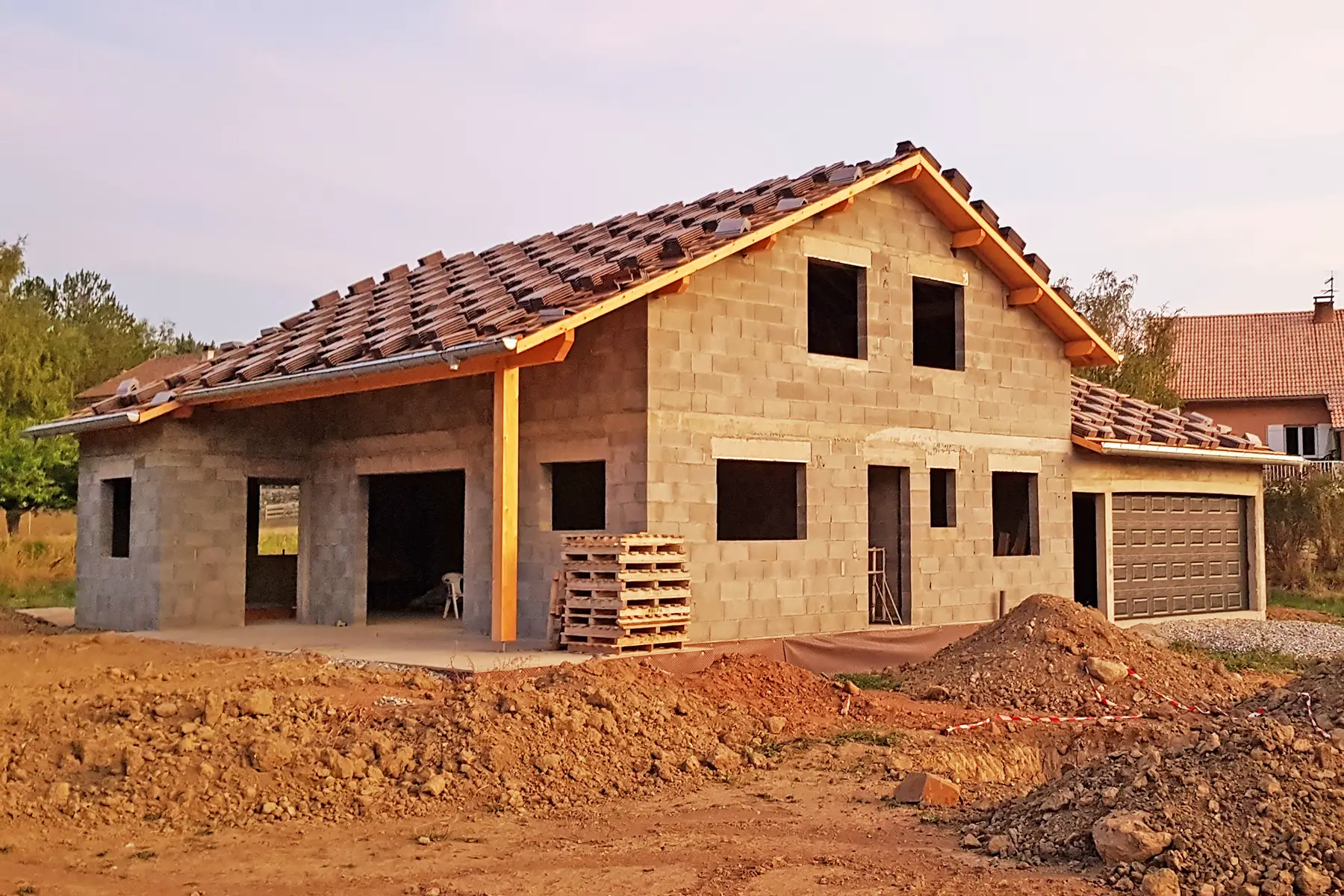
If you’re considering building rather than buying a property in France, there are a few steps to go through. First, contact a bank or financial advisor who can help you determine the budget and feasibility of your project. Then, you will need to purchase land on which to build your home.
Purchasing land
- You will need to search for a plot of land and hire an architect for a mission de conseil to advise whether this parcel is constructible and can be connected to local utilities.
- When looking for land, you can use an online platform like SeLoger Construire or contact local realtors.
- You must check local regulations to find out, for example, if you’re allowed to build multiple stories. It’s best to first find a plot of land in a location you like and design a well-adapted house.
- Once you have your land, you need to apply for a construction permit, or permis de construire, through the local town hall. Your architect or notary can help with this process, and you should get a reply in two to three months.
Building your house
- For home designs over 150m2, you must go through an architectural firm. For smaller builds, you can choose to contact construction companies known as constructeur de maison individuelle. These can offer fully customized designs or cheaper, slightly adaptable models from a housing catalog.
- A relatively modest home of 120–130m2 costs on average €55,000 to €88,000 to build from scratch. This may seem much cheaper than buying an existing property. However, the costs of the land parcel, manpower, and material transport can pile up.
- The ANIL, the National Housing Agency, has ample information to guide you through purchasing land and building your home.
- Associations like ANIL, CLCV, and AAMOI can accompany you through the initial stage to find insurance, provide legal advice, and act as mediators between you and the construction company or any workers you hire.
Buying a new-build home in France
In French, the process of buying a new build is called acheter sur plan or VEFA (vente d’un logement en l’état futur d’achèvement). Once you sign a VEFA contract, you are the owner of the land and the owner of the property as it is built. The seller undertakes to deliver the property to the buyer as soon as the construction work is completed, and construction delays should result in compensation to the buyer.
It is important to be accompanied by a notary specializing in real estate if you wish to purchase a new-build home. Buyers associations like ADIMASSO can also help you tackle potential problems, including:
- an overestimation of the value of new builds once constructed
- making sure the deposit requested does not exceed 5% of the valuation and is paid into a blocked account
- non-compensation or reduced compensation for delays
- a final product that does not conform to the initial contract
- poor quality of materials resulting in degradation and loss of value
Selling a property in France
If you’re thinking of selling your French property, here are a few things to bear in mind:
- You can sell your property by posting online or going through an agency. Although the latter offers additional services like professional photography, their fees can also be quite high. Sometimes, it is possible to negotiate a better deal.
- An agent can also help you estimate the price of your property. It’s worth getting multiple opinions before picking a realtor. You can also use online valuation tools to help you estimate costs, like the one from PaP.
- A 20% VAT is payable only on the sale of land or new builds less than five years old. For an older property, there is no VAT to pay.
- You must organize a technical survey (diagnostic immobilier) and provide potential buyers with all the latest information concerning energy performance, pollution risks, and exact surface measurements (diagnostic de surface loi Carrez).
- Once a buyer is interested, you can negotiate if they’re offering below the asking price. But, once you’ve agreed and signed the compromis de vente or promesse de vente, you cannot offer the property to someone else at a higher price.
- You will need to hire a notary to help you draft contracts and take you through the sales process. The buyer covers their fee.
Tips on buying a home in France
- Take your time to make the right decision. Make sure that you know the area well before you buy. Consider renting for a year first.
- Do the research to know what to expect in terms of property types, prices, renovations, and local building laws.
- Once you’ve seen a property you like, don’t hesitate to sign a compromis de vente immediately to guarantee the sale is blocked for your benefit.
- Use the ten days after this initial signature to go over all the technical documents with your notary and/or building specialist – they can highlight any potential issues.
- Visit the property multiple times at different points of the day and week, spend time in the neighborhood, and go back with someone who can give you a second opinion.
- If you’re transferring money from another currency for your deposit and final payment, compare different providers’ exchange rates and fees. Specialized services like Wise offer the mid-market exchange rate with a transparent fee structure for large international transfers.
- Consult with your bank before you start making offers to find out roughly how large a loan you can get, including the 8% notary fee/taxes and renovation costs.
- Be sure to contact multiple banks or mortgage providers. Openly compare their offers to drive their rates down.
- Get your own notary to check through your contracts and offer additional advice. They will defend your interests during the sale.
Useful resources
- Service-Public – government-run portal providing detailed information about housing in France
- Calculateur de crédit immobilier – government simulator for estimating loan capacity
- Ministry of the Economy – online platform offering fiscal information for homeowners
- Particulier à Particulier – for property sales that bypass agencies
- SeLoger – a popular website acting as a hub for most agency ads
- SeLoger Construire – a platform with guidance on building your own home
- Etalab – interactive inventory of all recent property sales in France
- Notaires.fr – official website of French notaries, including directory
- ANIL – national organization for housing information and support
- CLCV – national association for the defense of consumers
- AAMOI – association supporting individual home builders


Did you find this guide helpful?