
'%20id='ico-down'%20stroke='%23000000'%20stroke-width='1.5'%3e%3cg%20transform='translate(1092.250000,%20254.750000)'%3e%3cpolyline%20id='Path-2-Copy-4'%20transform='translate(5.500000,%202.750000)%20scale(1,%20-1)%20rotate(-180.000000)%20translate(-5.500000,%20-2.750000)%20'%20points='0%200%205.5%205.5%2011%200'%3e%3c/polyline%3e%3c/g%3e%3c/g%3e%3c/g%3e%3c/svg%3e)



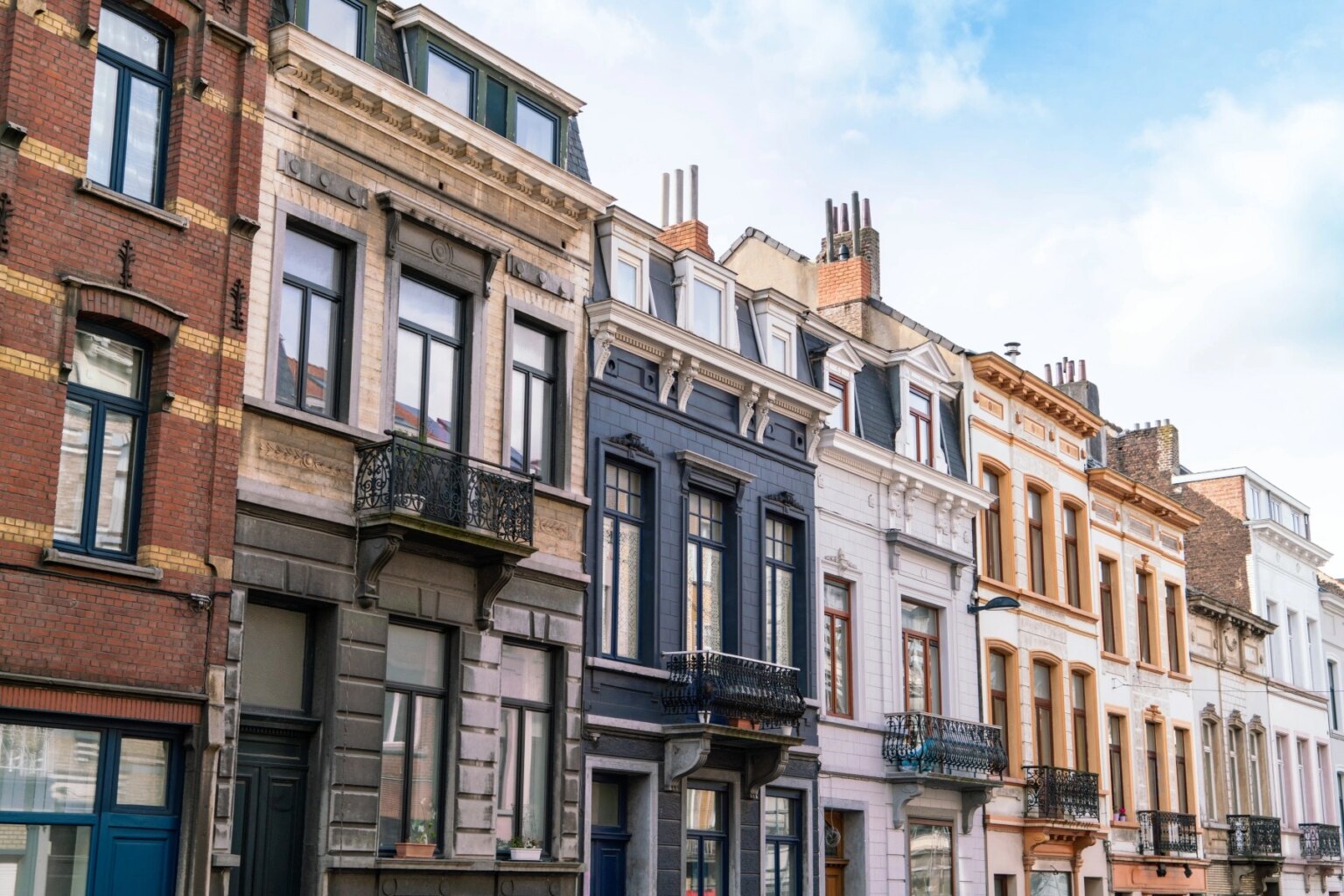
Brussels offers a variety of neighborhoods with distinct characteristics, and those looking to settle in Belgium’s bustling capital have plenty of options when it comes to finding a place to live.
Get a tailored action plan for moving to Belgium
Let us plan your relocation to Belgium for you. Expatica’s relocation tool asks you a series of questions and generates you a tailored, interactive checklist for your move.
You can see everything you need to do ahead of your move and outstanding tasks once you arrive. Create a profile with Expatica to save your checklist and tick off tasks as you complete them.
Try the relocator tool here – it only takes 2 minutes.
Whether you wish to immerse yourself in one of the thriving and trendy art districts or find serenity in the leafy suburbs, you are sure to find a neighborhood to satisfy your tastes and meet your budget.
To help you begin your house-hunting task, this article explores some of the most popular places to live in the capital, and includes the following information:
Spotahome
Looking for somewhere to rent in Brussels? Spotahome takes the hassle out of househunting by doing the hard work for you. Their online platform lets you find, view, and book rental properties all from the comfort of your own home. Take the stress out of househunting in Brussels with Spotahome.

An overview of Brussels
Once a small fortress town in the heart of Belgium, Brussels (Dutch: Brussel, French: Bruxelles) grew to become one of the most important cities in the country and the continent. The captivating city became the capital of Belgium when it gained independence in 1830, and was later chosen to be the de facto capital of the European Union in 1997.
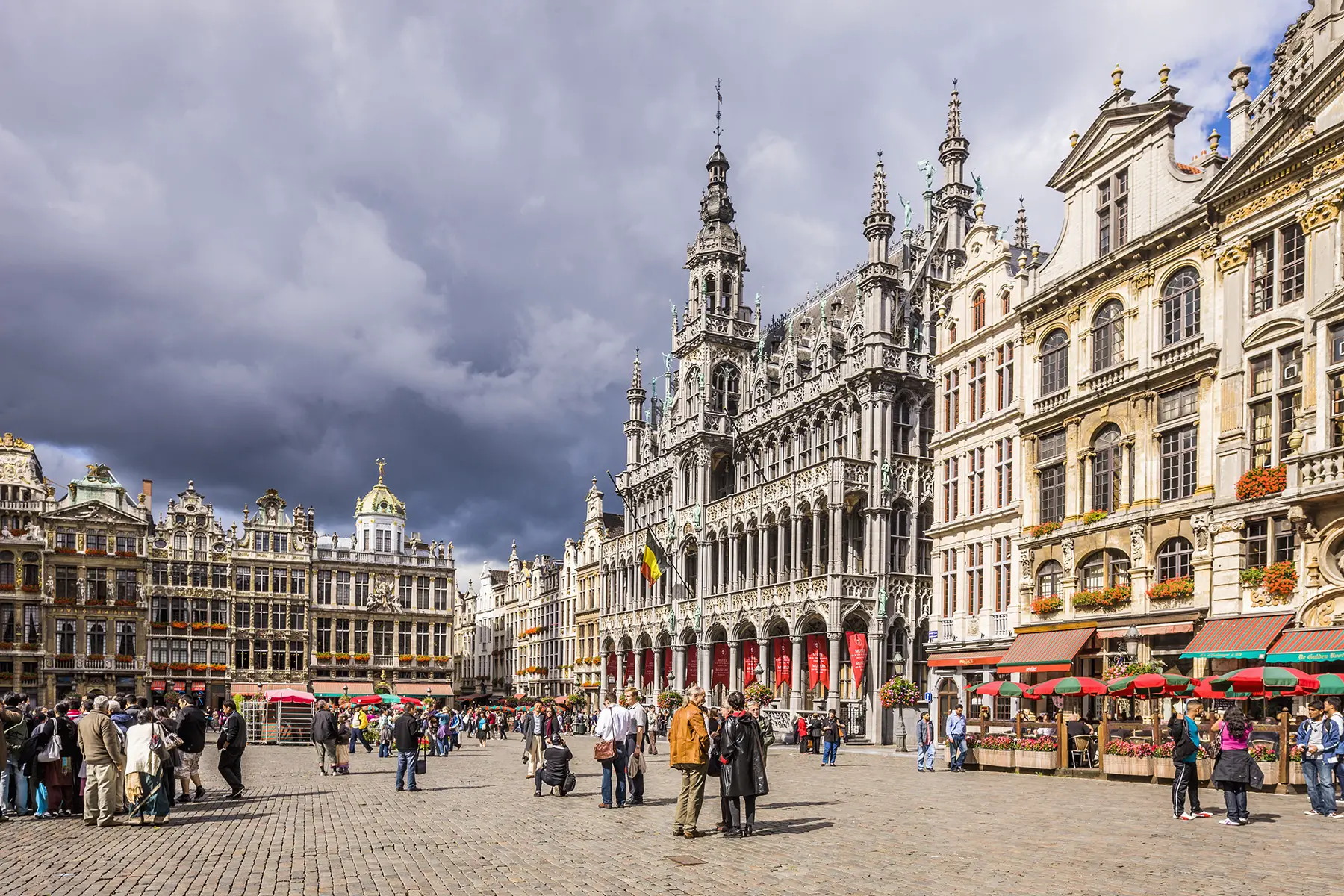
Now home to the European Commission and European Parliament, Brussels embraces a multicultural identity. This has made it a popular destination for expats looking to move abroad. In fact, as of 2023, approximately 37% of its population is non-Belgian.
Moreover, with its many transport links to the rest of Europe, Brussels is appealing to those wanting to explore the city which has developed a serious reputation for chocolate, beer, and frites (fries).
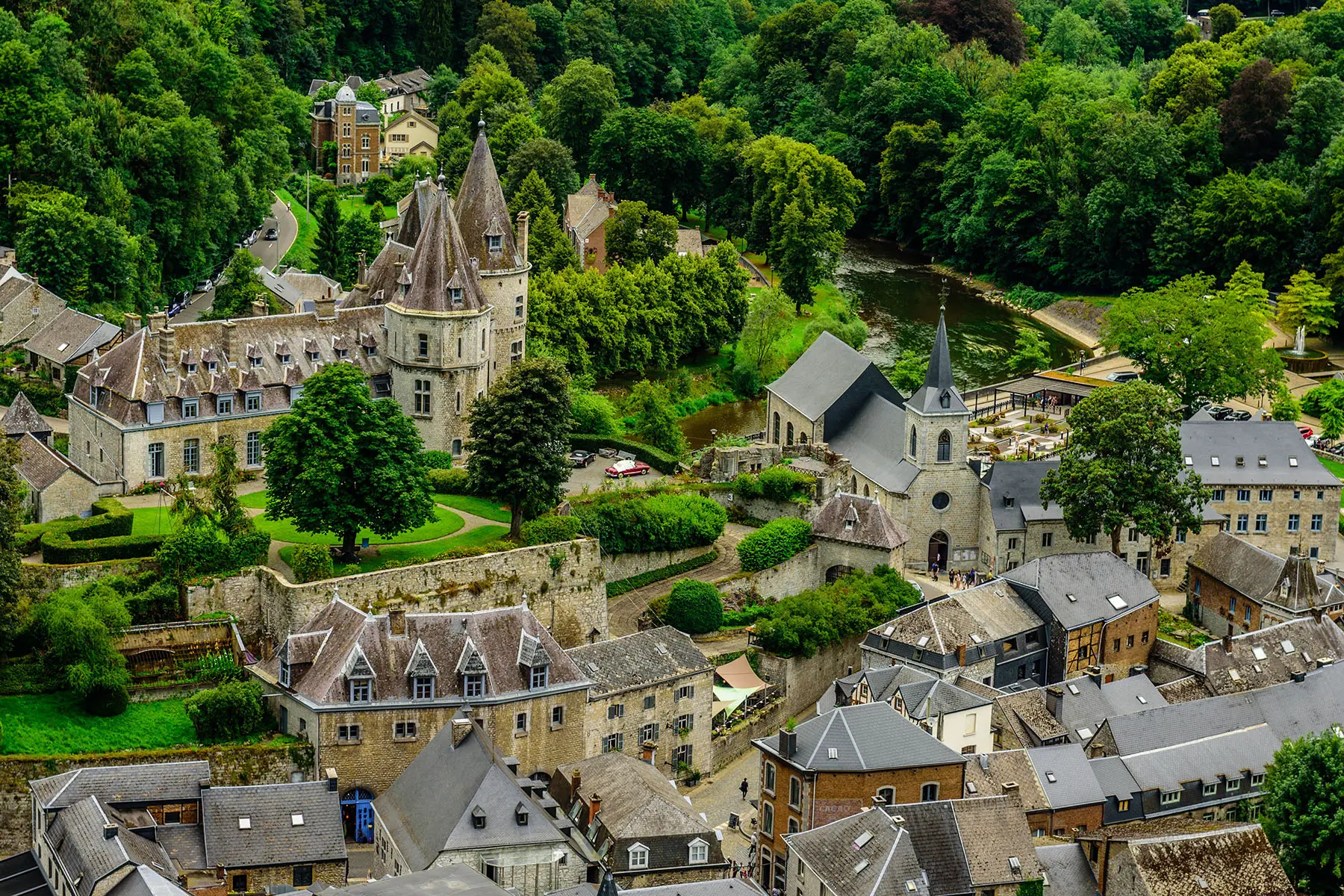
Brussels consists of 19 neighborhoods (Dutch: gemeenten, French: communes) and each has its own distinct characteristics. Commuting within the city is also fairly easy, thanks to its high-quality road system, public transport networks, pedestrian areas, and cycling paths.
Notably, cycling is a particularly popular way to navigate the capital which has become increasingly bike-friendly in recent years. Car ownership is also much more common in the suburbs of Brussels than in the city center, where only a quarter of families own one.
How to find housing in Brussels
New arrivals in Brussels are likely to seek out properties to rent while they acquaint themselves with the city. And fortunately, there are a variety of options on offer, ranging from student housing and flatshares to fully furnished serviced apartments.
Moreover, property prices in Belgium are lower than in other parts of Europe. There are also no restrictions on foreigners buying property or taking out a mortgage. That said, Brussels is the most expensive area for property in Belgium, and rental costs have increased sharply in recent years.
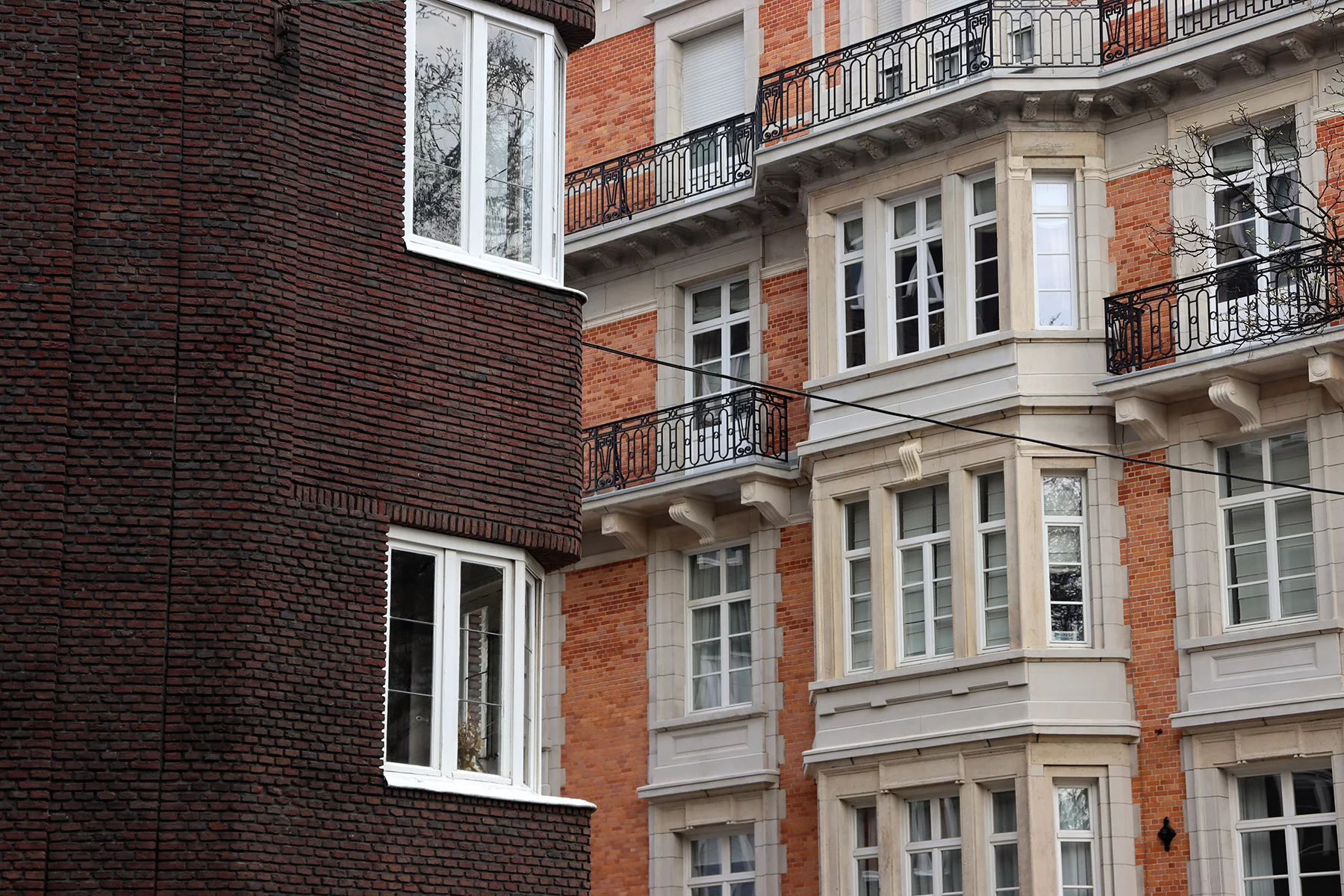
As a result, homeownership rates in Belgium are fairly high, with more than 70% of residents owning rather than renting. Generally speaking, apartments are common in the city center, while larger family-style houses can be found further out in the suburbs.
Renting in Brussels
Although homeownership is popular in Belgium, many people still choose to rent property in the capital. And if you decide to do the same, there are several resources to help you with your search.
For instance, estate agents can help you locate rental properties that meet your requirements and fall within your budget. Their services are also free as the owners of the properties pay their fees. Online portals can also help with your housing search. These include:
Buying in Brussels
According to ING, the Belgian housing market has cooled recently due to rising interest rates. This has resulted in fewer properties being on the market, even in popular cities like Brussels. Nevertheless, Brussels-Capital remains the most expensive region for all types of dwellings in Belgium.
Having said that, expats hoping to buy property in Brussels will find lower prices than in neighboring countries. However, they should be mindful of property transaction costs.
The 10 best neighborhoods in Brussels
Brussels is actually a region and not a single city, made up of 19 districts, which are commonly referred to as communes. Each commune has its own governing body that oversees duties such as road maintenance and law enforcement within its boundaries. Most of them also have different names in Dutch and French, given that Brussels is officially bilingual.
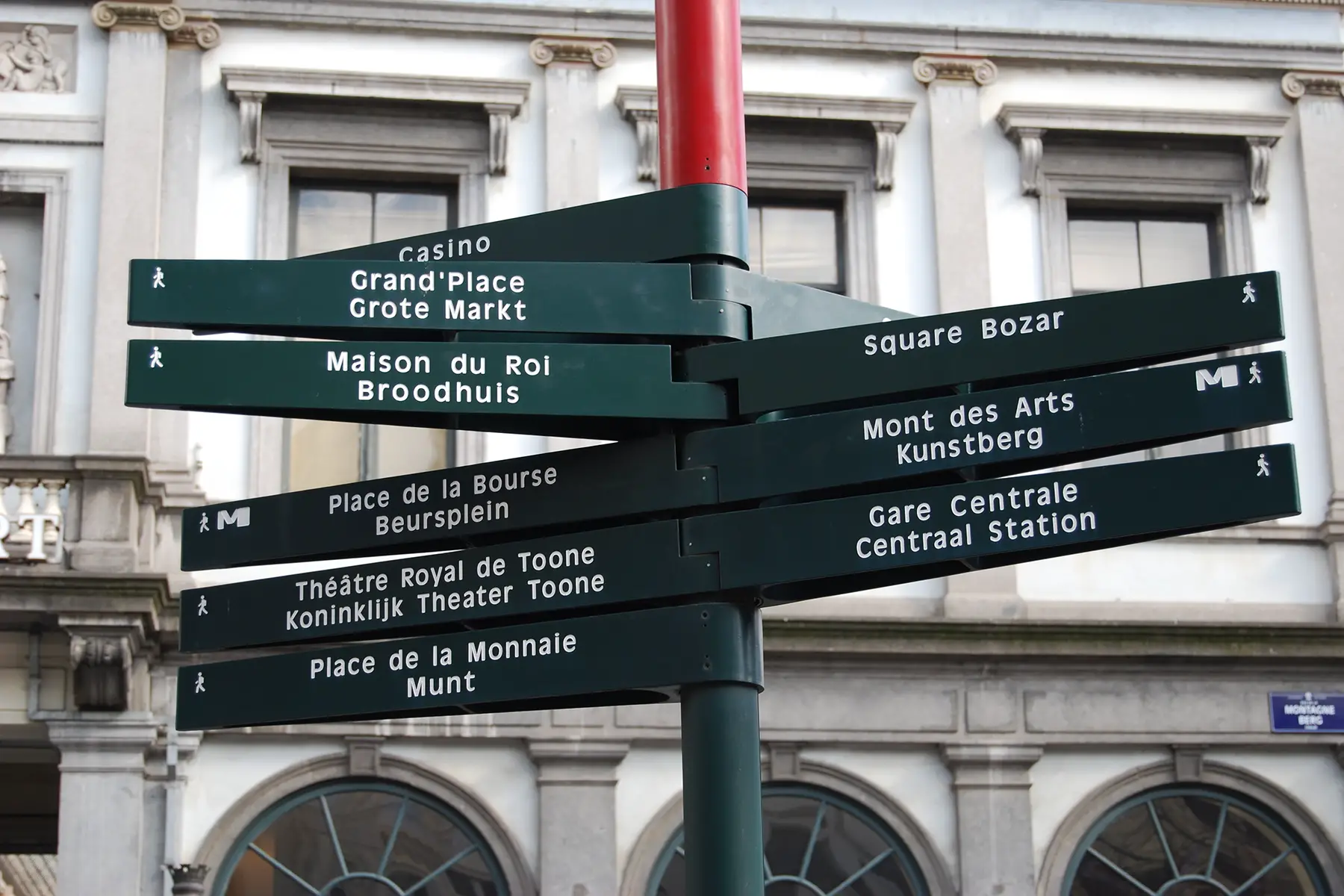
The way communes are divided in Brussels can be confusing. For instance, the Ixelles neighborhood is divided into two parts by Avenue Louise, which belongs to the municipality of Brussels. As a result of this, some communes can take on characteristics from others that they border with. The types of housing you will find within certain neighborhoods can also vary. Indeed, this can sometimes change from one street to the next.
Below is an overview of the most popular communes for expats living within central Brussels.
Anderlecht
If you are looking for a neighborhood that will offer more opportunities to blend in with the Belgians, then Anderlecht may be the perfect location. Situated to the west of central Brussels, the large district tends to draw as many locals as expats. It is also famous for being the home of Belgium’s most successful football team.
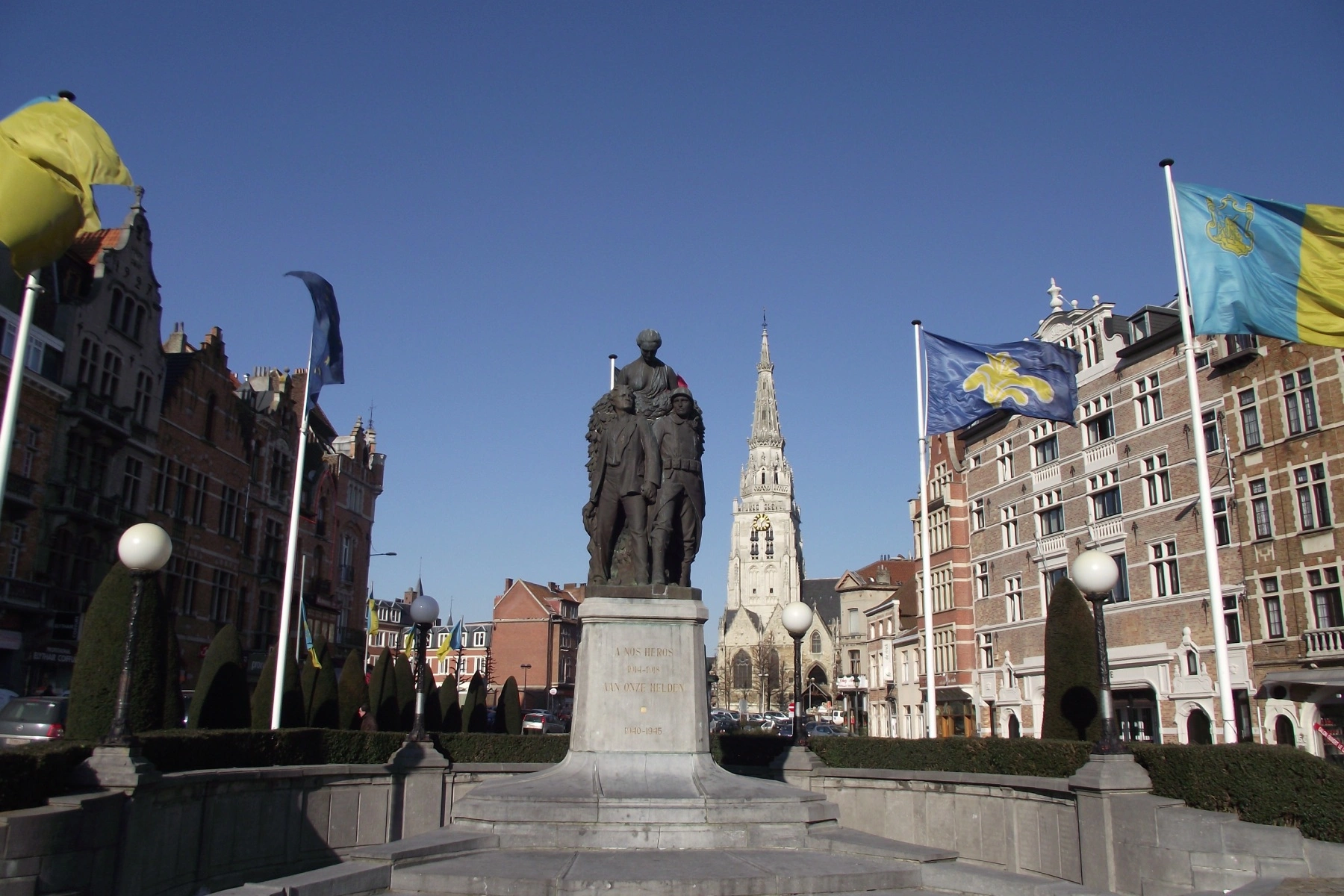
Stretching from near the city center all the way out to the western outskirts, this neighborhood is dotted with parks and lakes. Needless to say, if you’re looking for access to open green space, you’ll have no trouble finding it. The canal, which runs through the district, has also become a popular hub for real estate growth as more people are drawn to its scenic beauty.
Fortunately, housing prices in Anderlecht are significantly lower than in more central districts of Brussels. That said, recent growth in real estate development and population is likely to change that before long.
What Anderlecht is best for: Blending into local culture
City of Brussels
The City of Brussels (Ville de Bruxelles) commune is quite large, extending from the far north of the city down through the south. However, when most people living in the district refer to it, they are talking about the very center of Brussels.
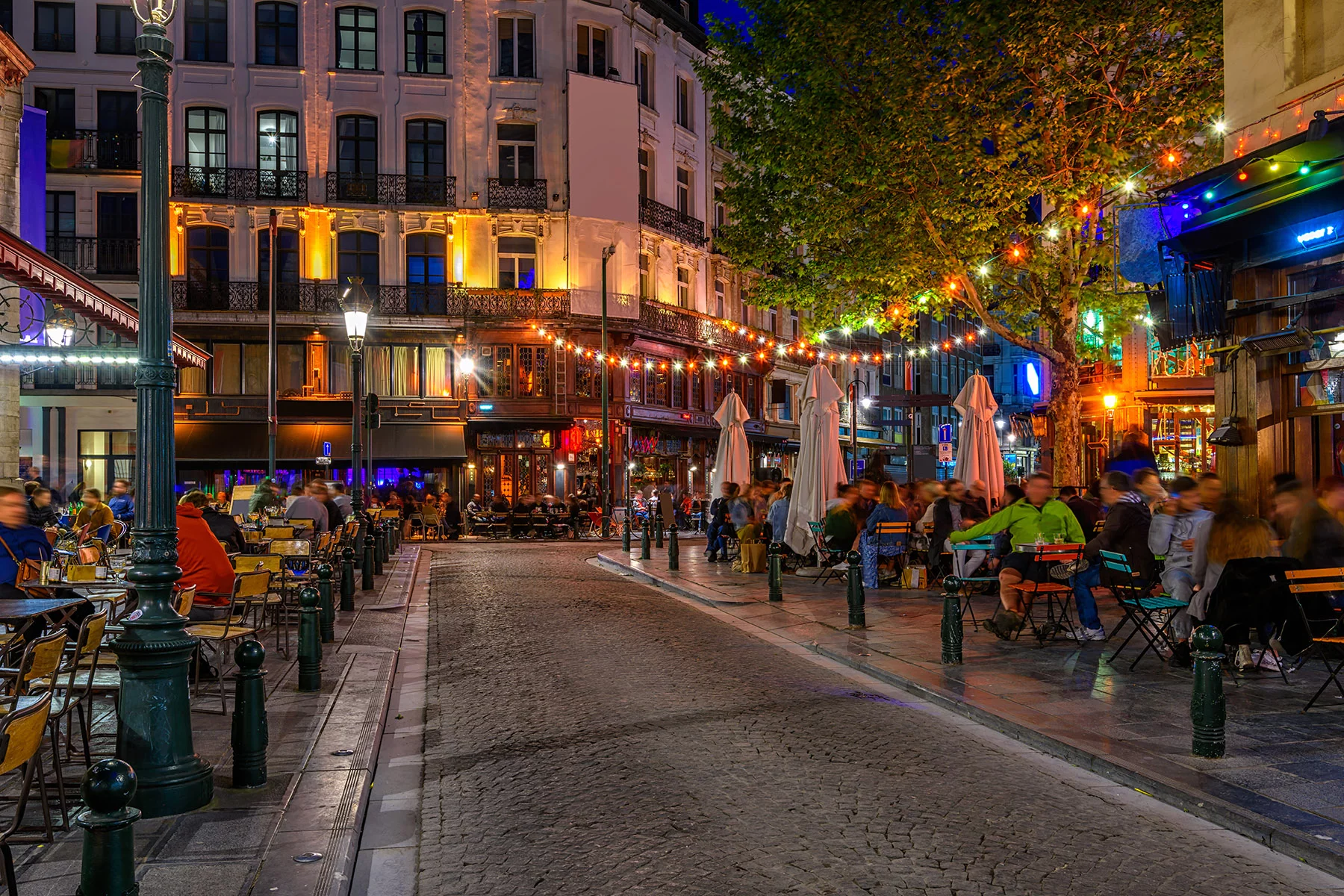
You will find the majority of the city’s key tourist attractions in this neighborhood, including the Grand-Place, Mannekin Pis (Brussels’ famous peeing boy), and the Royal Palace. As a result, the area attracts a lot of short-term visitors and is home to many serviced apartment rentals. Incidentally, you will find many examples of beautiful Belgian architecture in the commune, as well as a bustling nightlife scene. It is also abundant with cafes and art galleries, and plenty of street art.
Notably, property prices in the commune are some of the highest in the city. The type of housing also varies from loft apartments to renovated upscale townhomes. It is also worth noting that the neighborhood is largely car-free, and parking comes at a premium, which is largely owing to the fact that it has one of the largest pedestrianized zones in Europe.
What City of Brussels is best for: Its proximity to tourist attractions and nightlife
Etterbeek
Etterbeek is popular with newcomers who want to blend convenient commuting with a quieter residential district. Indeed, despite its central location, the neighborhood is known for its peaceful atmosphere.
Many families are also drawn to Etterbeek as it is home to numerous international schools including Brussels International Catholic School, European School of Brussels III, and Montgomery International School.
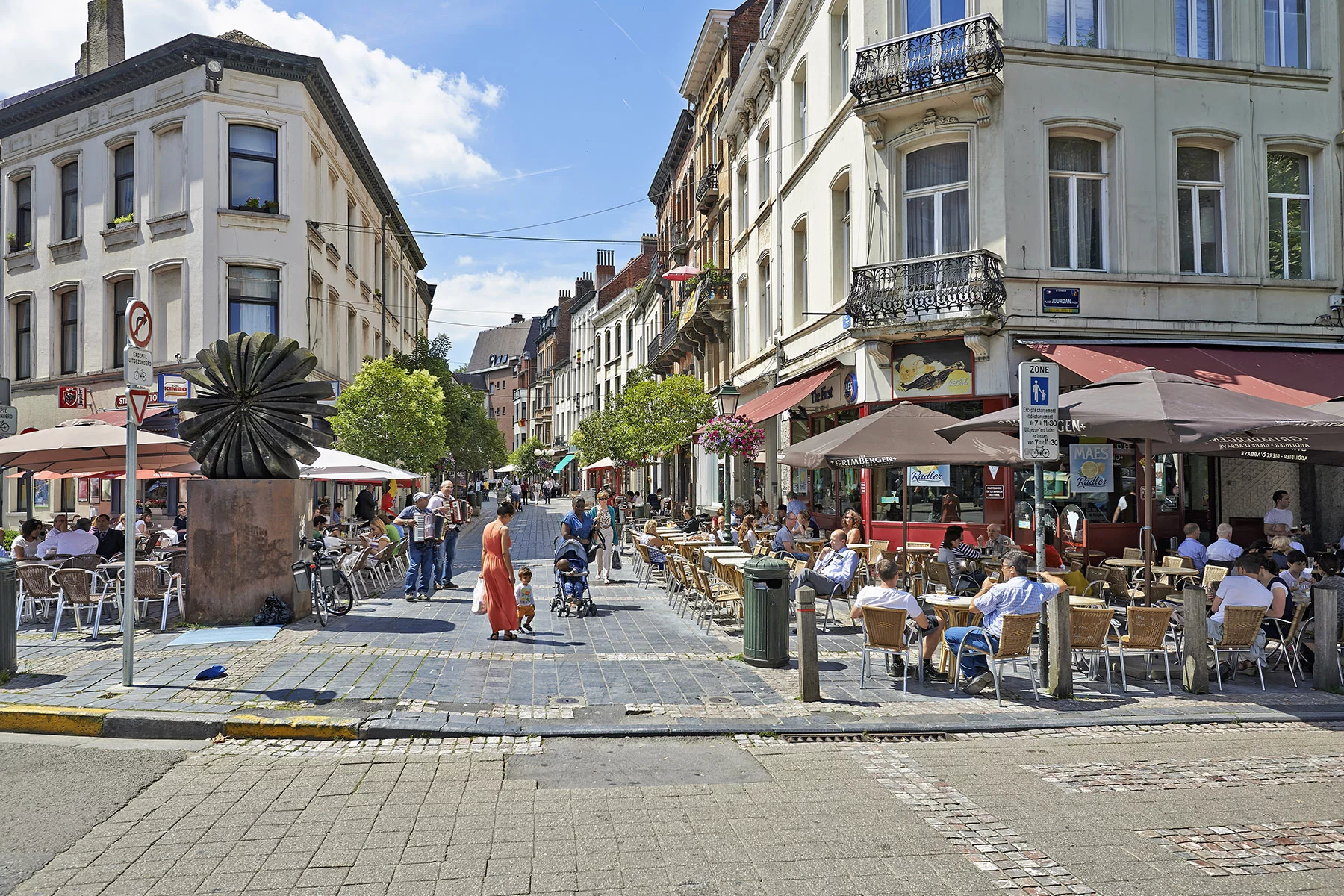
Etterbeek is also popular with professionals relocating to Brussels, particularly those working in the easily accessible European Quarter, which lies within walking distance. Excellent public transport links in the area also make commuting even easier.
The neighborhood offers attractive streets lined with early 20th-century townhouses as well as picturesque cafes and shops, which blend into the scenery. Although property prices in Etterbeek have risen in recent years, the neighborhood is still generally cheaper than nearby Ixelles.
What Etterbeek is best for: Its central family-friendly location
Ixelles
Known for its hip and trendy vibe, Ixelles has been named one of the “coolest neighborhoods in Europe” – and it’s easy to see why. Trendy shops and cafes dot the wide avenues while a large student population keeps the area young, thanks to several nearby universities.
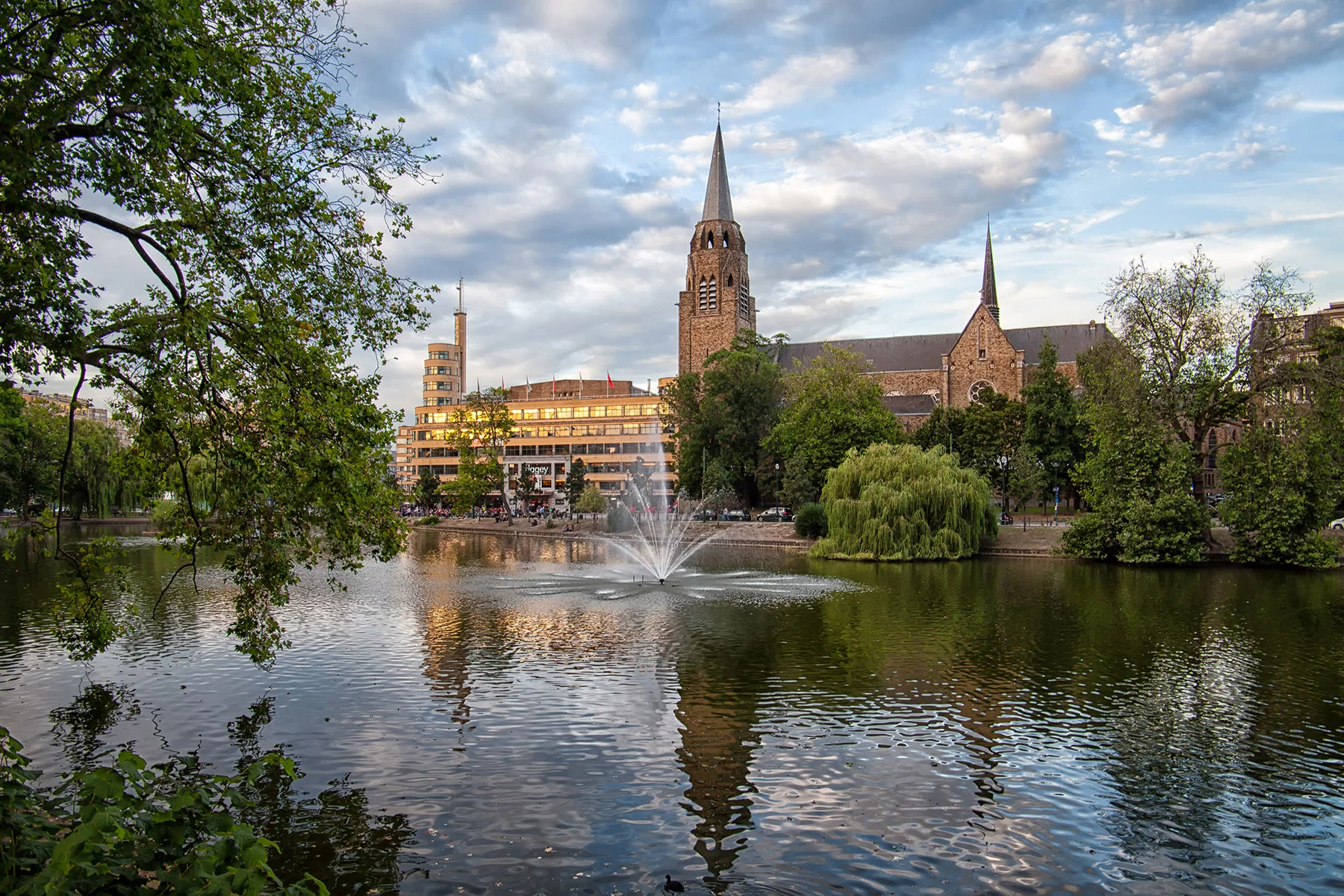
Its diverse population also makes it a popular choice among expats, especially those working at the nearby European Union headquarters. You will also find Matongé, which is also known as the African Quarter, within Ixelles.
With so much demand, it is hardly surprising that property prices can get expensive quickly, with the average cost of rent sometimes exceeding those found in the City of Brussels. Housing stock tends to be large townhouses and desirable apartment conversions. Needless to say, if you wish to call Ixelles home, you will need to have a pretty hefty budget.
What Ixelles is best for: Trendy urban living
Saint-Gilles
Located west of Ixelles, the up-and-coming commune of Saint Gilles (Sint-Gillis) offers a range of similar qualities to its neighbor but with significantly lower property prices. It is also well-connected thanks to an excellent public transport system.
The neighborhood is packed with grand Art Nouveau houses, quirky restaurants, and shops, as well as buzzing nightlife spots. It also has several theatres, cinemas, and galleries to explore, making it popular among locals and tourists, alike.
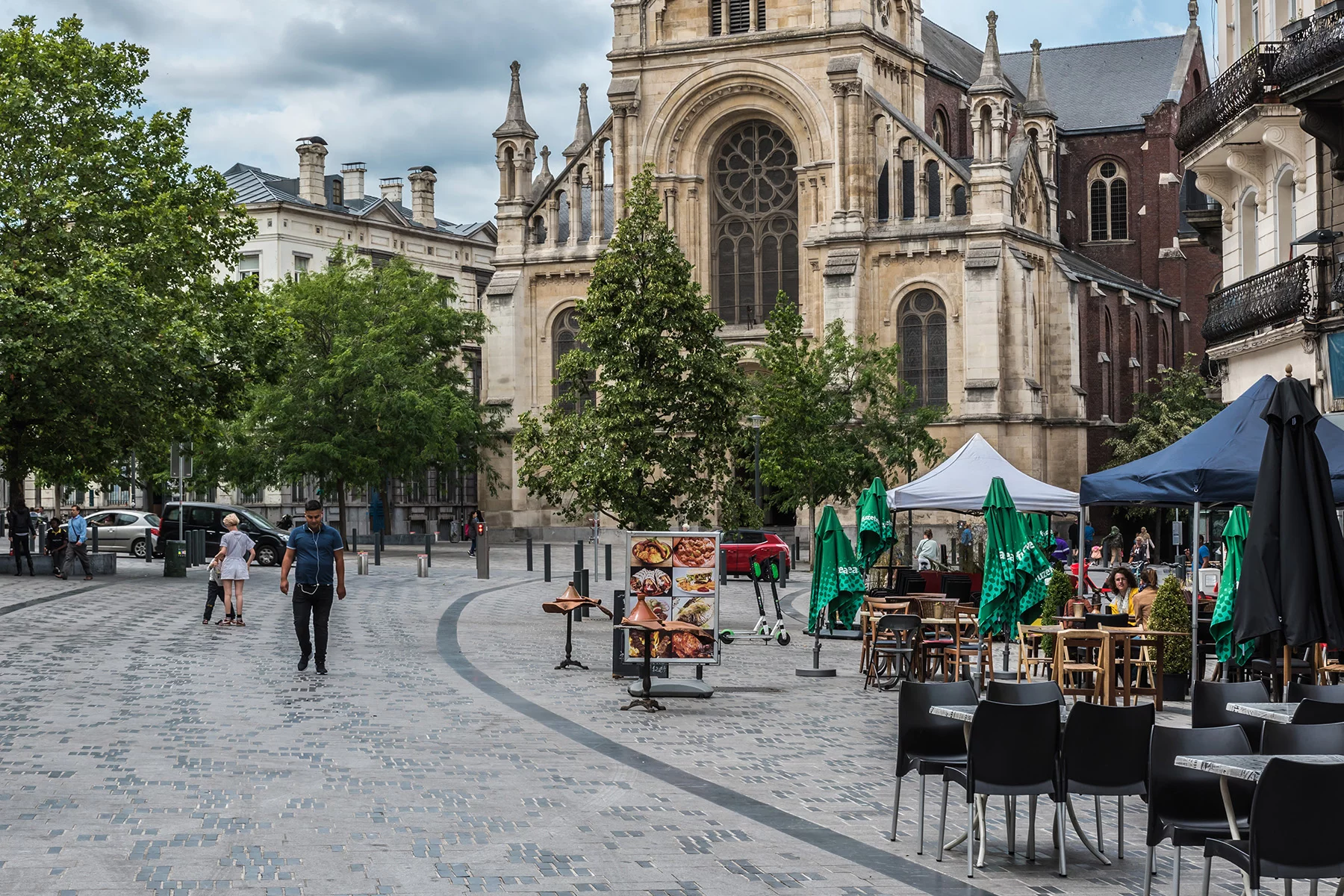
Not only that, but it is becoming a top destination for indulging in classic Belgian cuisine, with the lively Parvis de Saint-Gilles attracting the crowds with its food market (from Tuesday to Sunday) and plethora of restaurants and terraces.
Saint-Gilles also hosts several cultural events throughout the year, including Parcours d’Artistes and Festival Cultures Maison. But if you would rather relax, you can always kick back in the beautiful art deco Victor Boin swimming pool and Turkish baths.
What Saint-Gilles is best for: More affordable living with a vibrant cultural scene
Saint-Josse-ten-Noode
This little neighborhood packs a lot of people into a small area and while it is the smallest district in Brussels, it also holds the densest population.
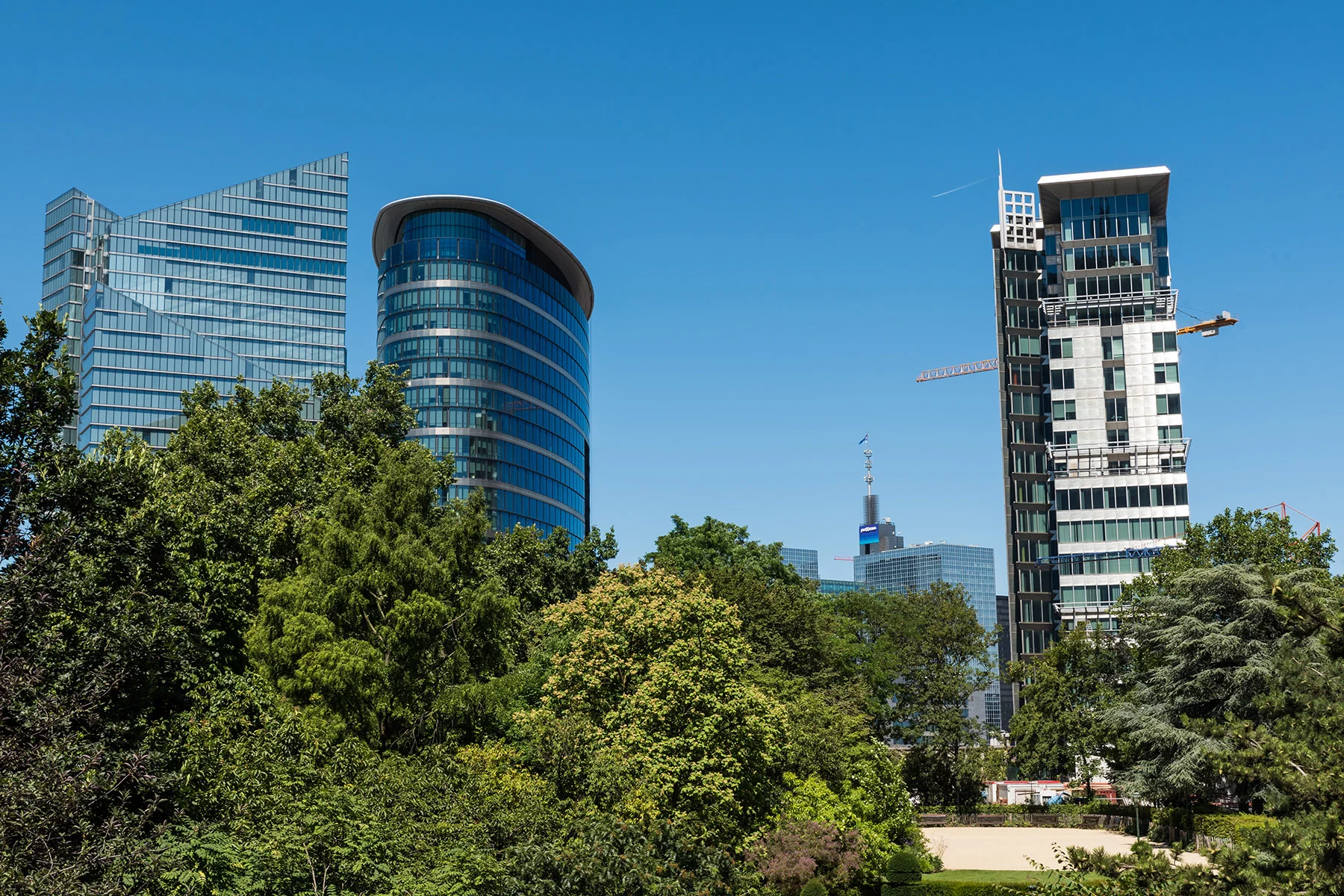
Saint-Josse-ten-Noode (Sint-Joost-ten-Node) is culturally diverse and a neighborhood of contrasts. For instance, there are five-star hotels on Place Rogier, imposing office blocks on Place Madou, and towering high-rises in the Nouveau Quartier Nord. All this lies next to residential neighborhoods that are home to expats from all over the world, particularly Turkey and the Middle East.
The neighborhood is perhaps most popular for short-term rentals, offering new arrivals central proximity at a relatively affordable price.
What Saint-Josse-ten-Noode is best for: Inexpensive rentals in a central location
Schaerbeek
Even within multicultural Brussels, Schaerbeek is a cultural melting pot. With a population of just over 130K residents in 2019, the commune is second in resident size only to the vast City of Brussels. A large percentage of residents are also non-Belgian, making it easy to connect with fellow expats.
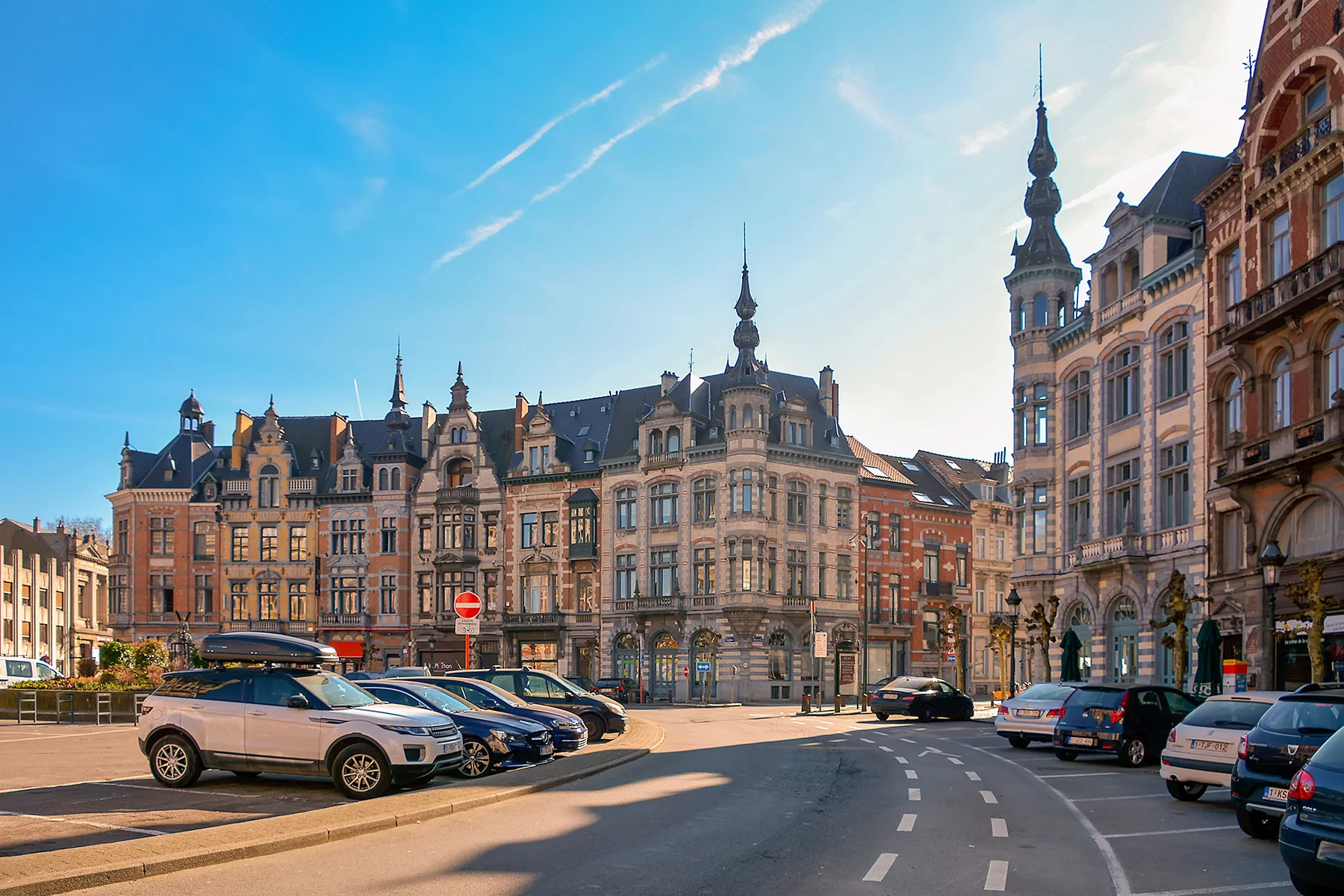
Schaerbeek can get busy at times, but it’s easy to escape the hubbub. Indeed, quiet alleys are scattered throughout the neighborhood, filled with stunning Art Deco and Art Noveau architecture. Wide open streets and green spaces such as the splendid Josaphatpark also offer an escape from the general hustle and bustle.
Meanwhile, you will find plenty of shops, schools, sporting facilities, and cultural centers – such as Les Ecuries Bio Van De Tram, Musée d’Art Spontané, and Quartier des Fleurs – to keep you entertained.
Moreover, the center of Brussels is only 15 minutes by bike, which is perhaps the best way to get around given that public transport in Schaerbeek can be unreliable and present a challenge for further commutes.
What Schaerbeek is best for: Multicultural living with diverse entertainment
Uccle
With its huge houses and upmarket apartment blocks, the beautiful and calm commune of Uccle (Ukkel) is the ideal location for those seeking a village feel. It is also home to prestigious international schools such as the popular Bogaerts International School, making it a desirable choice for families.
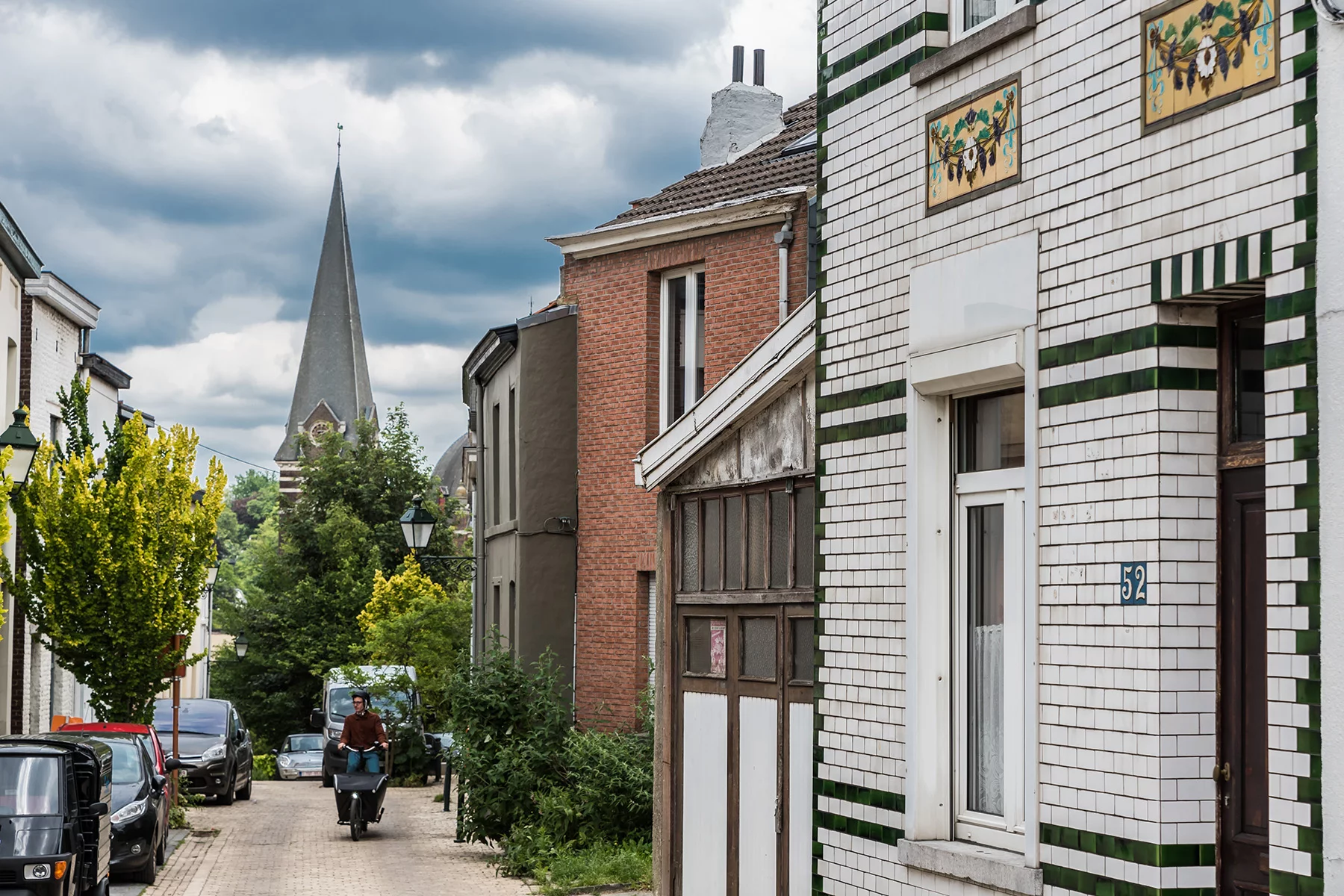
It is also the most leafy commune in Brussels, owing to its close proximity to the Forest of Soignes and the abundance of houses with spacious gardens. However, all that greenery does come at a price, with property prices, particularly those further from the center, coming in relatively steep. In fact, Uccle has a well-earned reputation for being among the top five most expensive municipalities in Brussels.
With this in mind, you might want to consider moving to the southeastern commune of Tervuren, which offers a similar atmosphere at a slightly lower price point. Located outside of the Brussels-Capital Region, this is one of the best locations for families willing to commute while enjoying a good selection of schools and peaceful natural surroundings.
What Uccle is best for: Green space and reputable schools in an affluent community
Woluwe-Saint-Pierre
Although it is located just east of the center of Brussels, Woluwe-Saint-Pierre (Sint-Pieters-Woluwe) has a surprising number of houses with attached gardens, while still offering an easy commute to the European Quarter.
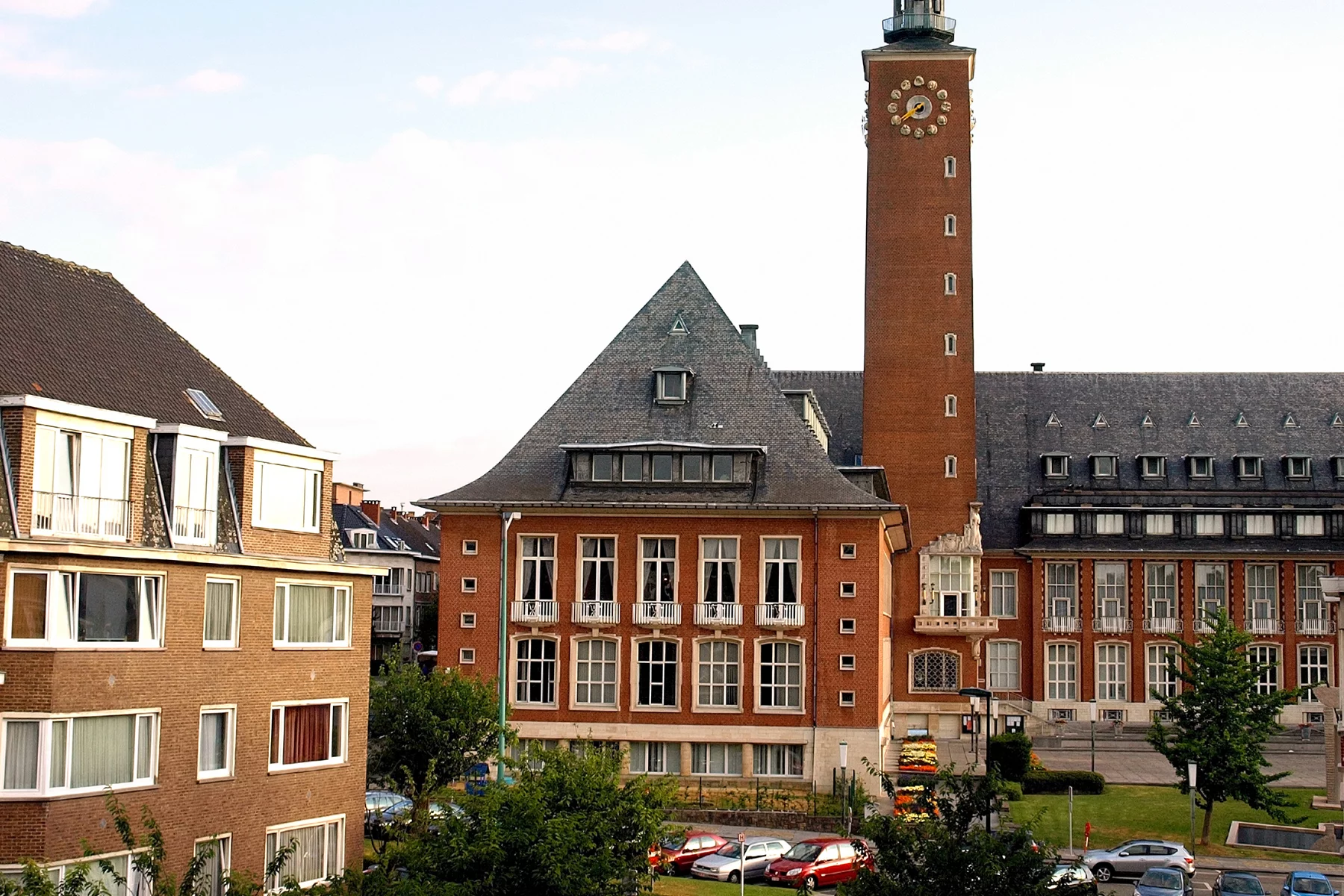
There are also numerous public parks and amenities like sports centers in the neighborhood, making it an attractive option for embassy employees relocating with their families. For instance, the nearby Parc de Woluwe is particularly popular, especially at weekends, when parents enjoy some nature with their little ones and let their dogs run off-leash.
Although public transport is easy thanks to the nearby metro line, car ownership is also common in the area and parking is rarely an issue.
What Woluwe-Saint-Pierre is best for: Its natural surroundings and proximity to European institutions
Woluwe-Saint-Lambert
Saint-Pierre’s next-door neighbor Woluwe-Saint-Lambert (Sint-Lambrechts-Woluwe) shares many of the same attractions, including the huge Woluwe Shopping Centre. However, it does offer slightly lower property prices.
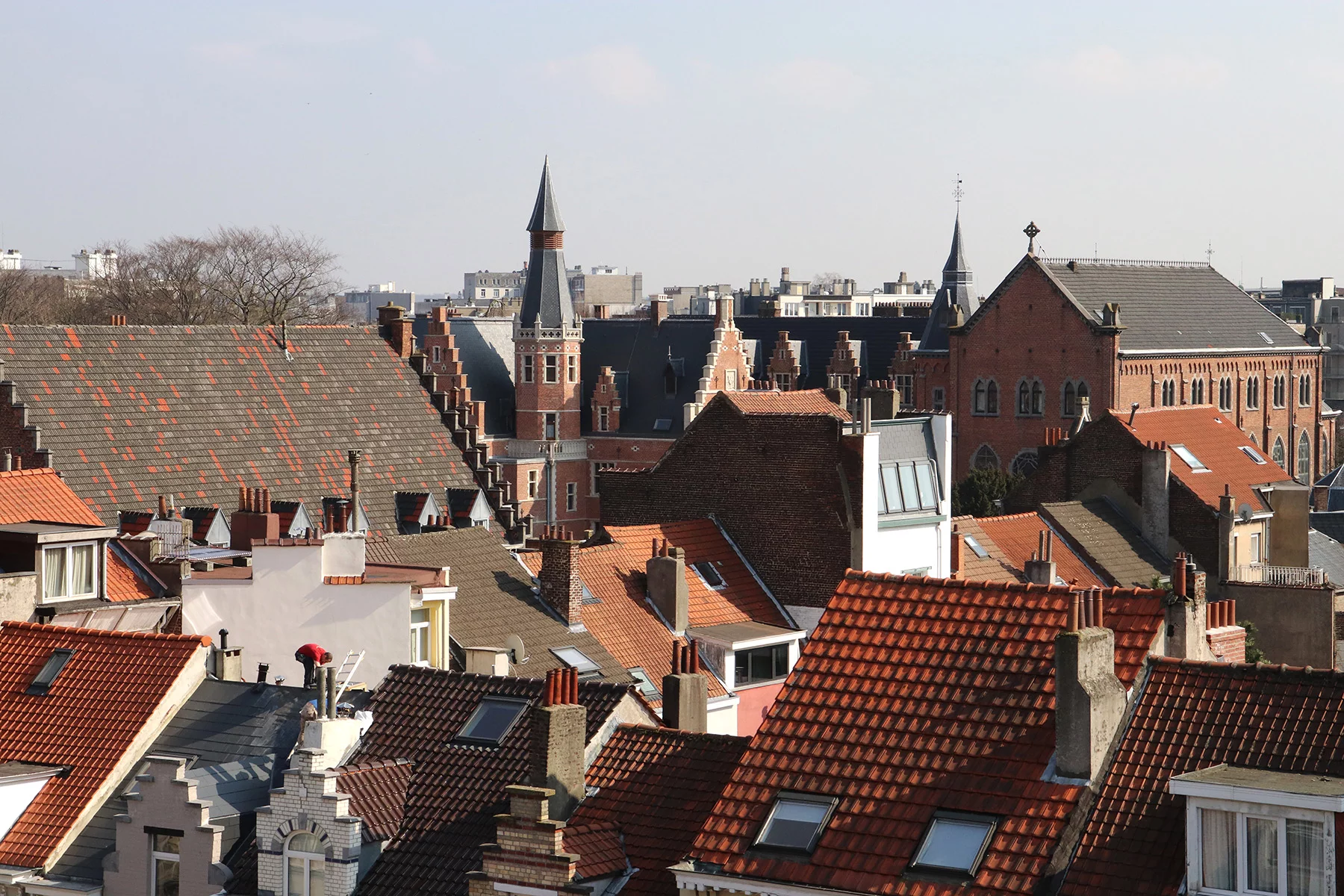
Located slightly further from the center of Brussels, the neighborhood is even more suburban and green, with several parks to explore. You will also find a variety of shops in the area, as well as a swimming pool, mini golf course, and ice-skating rink. An antique market also takes place on the first Sunday of every month at Place Saint-Lambert, selling a variety of treasures.
Fortunately for those looking to commute, Woluwe-Saint-Lambert is within good distance of Brussels Airport and major international motorways.
What Woluwe-Saint-Lambert is best for: Scenic natural surroundings at a slightly lower price than Woluwe-Saint-Pierre
Neighborhoods to avoid in Brussels
Generally speaking, people consider Brussels to be safer than large cities in nearby European countries and there are no neighborhoods to entirely avoid.
That said, petty crime is not uncommon, particularly in areas frequented by tourists. For instance, thefts of purses, light luggage, and laptops are common at the North Station (Dutch: Noordstation, French: Gare du Nord), the Central Station (Dutch: Centraal Station, French: Gare Central), and the South Station (Dutch: Zuidstation, French: Gare du Midi).
Thieves often work together and a common scam is for one thief to ask someone for directions while their accomplice steals their luggage. They also look out for people who store their luggage in overhead racks, so it is best to keep your luggage with you.
The number of assault cases involving alcohol is also higher in Brussels than in other areas of the country. Similarly, convictions for drunkenness are far higher in the region, and the capital and its surrounding region are the guiltiest offenders when it comes to driving offenses.
You can read more about this in our article on Crime and the legal system in Belgium and find out how to report crime in our article on Emergency numbers and helplines in Belgium.
Useful resources
- be.Brussels – provides information about each neighborhood in Brussels, as well as help for finding affordable housing
- Hoodmaps – a map of Brussels and its surrounding neighborhoods featuring tourist traps, residential areas, and more


