
'%20id='ico-down'%20stroke='%23000000'%20stroke-width='1.5'%3e%3cg%20transform='translate(1092.250000,%20254.750000)'%3e%3cpolyline%20id='Path-2-Copy-4'%20transform='translate(5.500000,%202.750000)%20scale(1,%20-1)%20rotate(-180.000000)%20translate(-5.500000,%20-2.750000)%20'%20points='0%200%205.5%205.5%2011%200'%3e%3c/polyline%3e%3c/g%3e%3c/g%3e%3c/g%3e%3c/svg%3e)


Housing
Housing Basics
Housing in the Netherlands
Looking for housing in the Netherlands? Here’s what you need to know, from renting and selling, to building your dream Dutch home.

Many expats eyeing a move to the Netherlands will be concerned about finding appropriate housing in this tiny country. You’ll need to consider the overall housing market, whether to rent or buy, and whether any rental laws affect you. In this article, we’ll go over everything you should need to know before starting your housing search. In this guide, you’ll find the following:
ABN AMRO
Are you an expat looking to buy a house in the Netherlands? While the process may be different from what you’re used to, ABN AMRO is here to help. You can use their online mortgage calculator or make an appointment with a mortgage advisor. With ABN AMRO, buying a house may be much easier than you thought.

Overview of housing in the Netherlands
Dutch housing options fall under three main categories: home purchase, social housing, and private housing. Finding housing in the Netherlands can be a struggle as an expat because almost 75% of the rental market is set aside for social, or affordable, housing. Because the waitlists are so long, social housing is virtually inaccessible to new arrivals. So, many expats looking to rent, are competing with each other for the 25% of the market that they can access, in the private housing market.
The Dutch housing market
Housing prices in the Netherlands have been increasing for years; so much so that finding affordable housing in or near major cities is now a major task. In fact, Dutch house prices in 2020 – during a pandemic – rose by a whopping 7.33%. The average house in the Netherlands now costs €325,834, while the average house in Amsterdam costs €515,289.
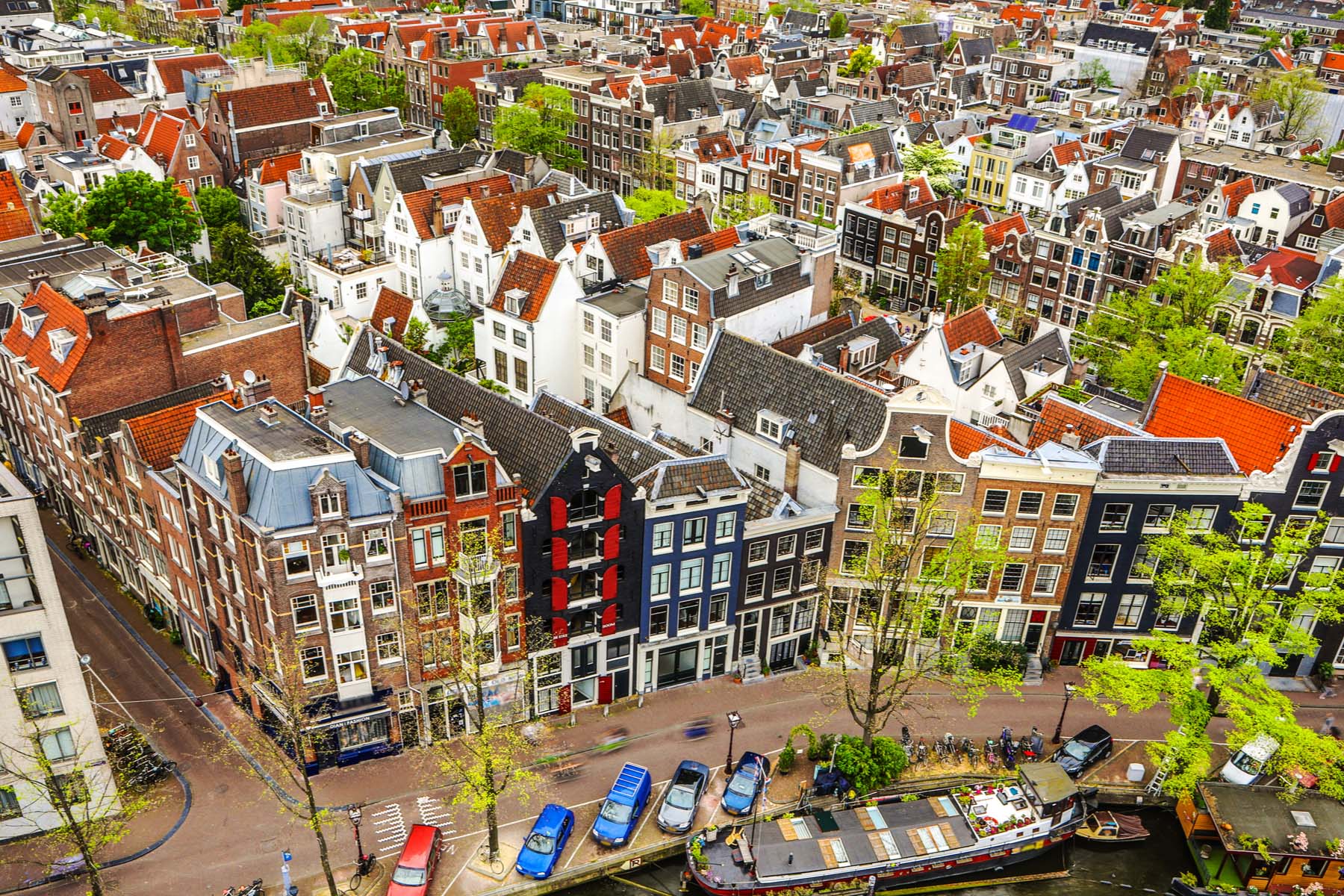
However, after years of incessant growth, rental prices have largely stabilized due to the pandemic, from an average of €1,600–1,800 a month in Amsterdam for a one-bedroom apartment. In smaller cities, like Groningen, rental prices remain lower, with a one-bedroom averaging €900 per month.
Dutch housing laws and regulations
Because the Dutch rental system is divided into social housing and the free sector, eligibility criteria are also split. If you’re looking to join the social housing waiting list, you’ll need to have a low income and be willing to wait for months or years for your name to come up. If you’re looking to rent from private landlords, you’ll be expected to pay market rent; you’ll also need to convince landlords that you are a trustworthy tenant. This means you may be asked to provide proof of employment, a deposit, a Dutch bank statement, and/or a credit record.
Rental laws in the Netherlands
Landlords in the Netherlands are expected to do a number of things, including any necessary major repairs, and to solve problems, like plumbing, that affect tenants. The most important thing to remember is that it is very difficult for a landlord to immediately evict someone – they must go through the courts or obtain the consent of the tenant. Tenants in the Netherlands, meanwhile, have legally protected rights.
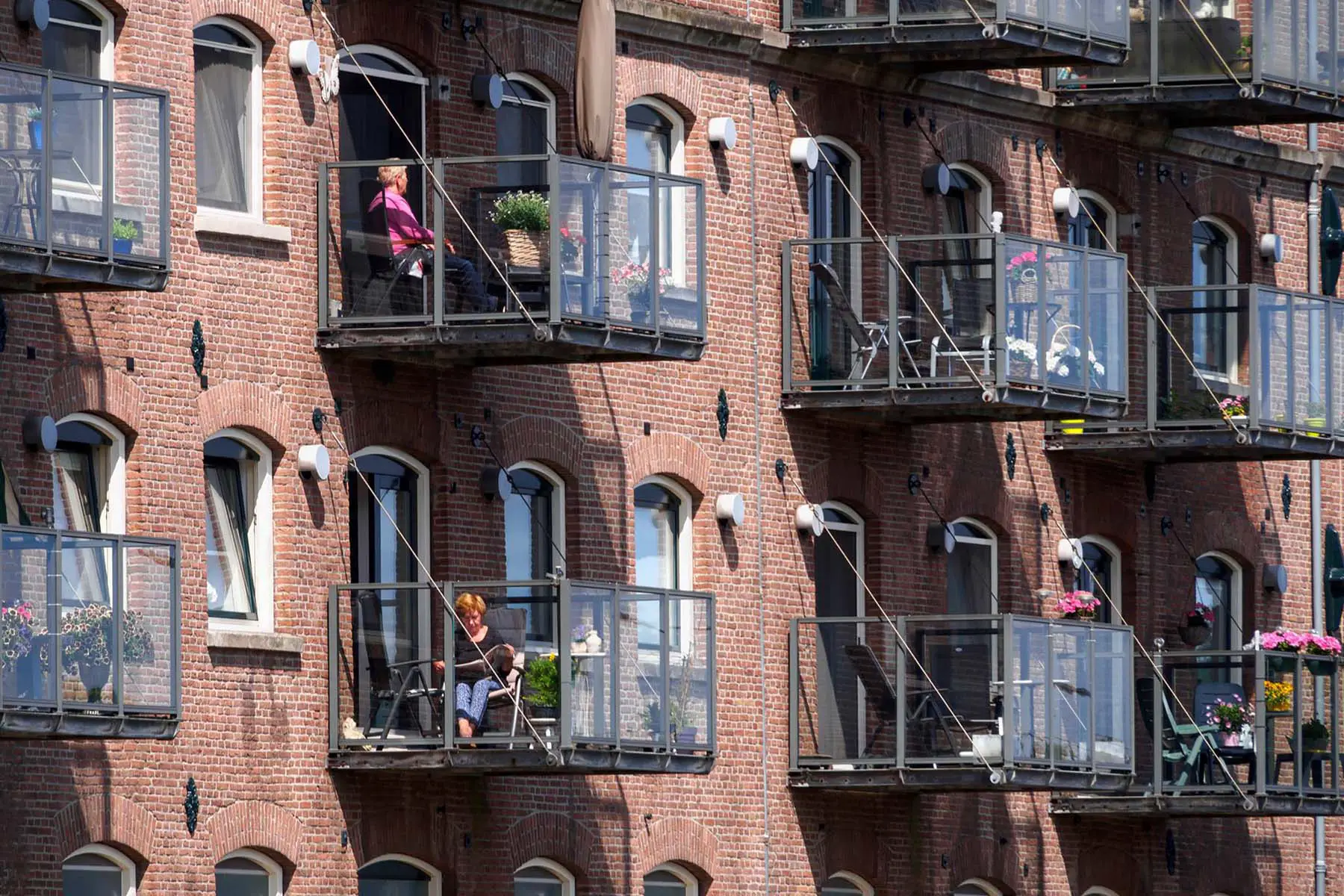
These rights cover a range of areas from home maintenance to keys to furniture to unannounced visits from the landlord – provided that a proper contract has been signed. So, always make sure to have a written rental contract. If you believe your landlord is treating you unfairly, do your research and see whether they are breaking the law. And, if you’re looking for support, this is a good place to start.
Property purchase and building laws in the Netherlands
All construction in the Netherlands has to comply with the Housing Act and the Building Decree 2012, which regulates the safety requirements. You also may need a building permit. For some small construction work, like renovating a room in your house, you may not need a permit; however, your best bet is to check which regulations you are expected to follow.
Buying or renting in the Netherlands?
Deciding whether to buy or rent a Dutch home is a major decision. It’ll depend on your finances and preferences, but here are some things to keep in mind.
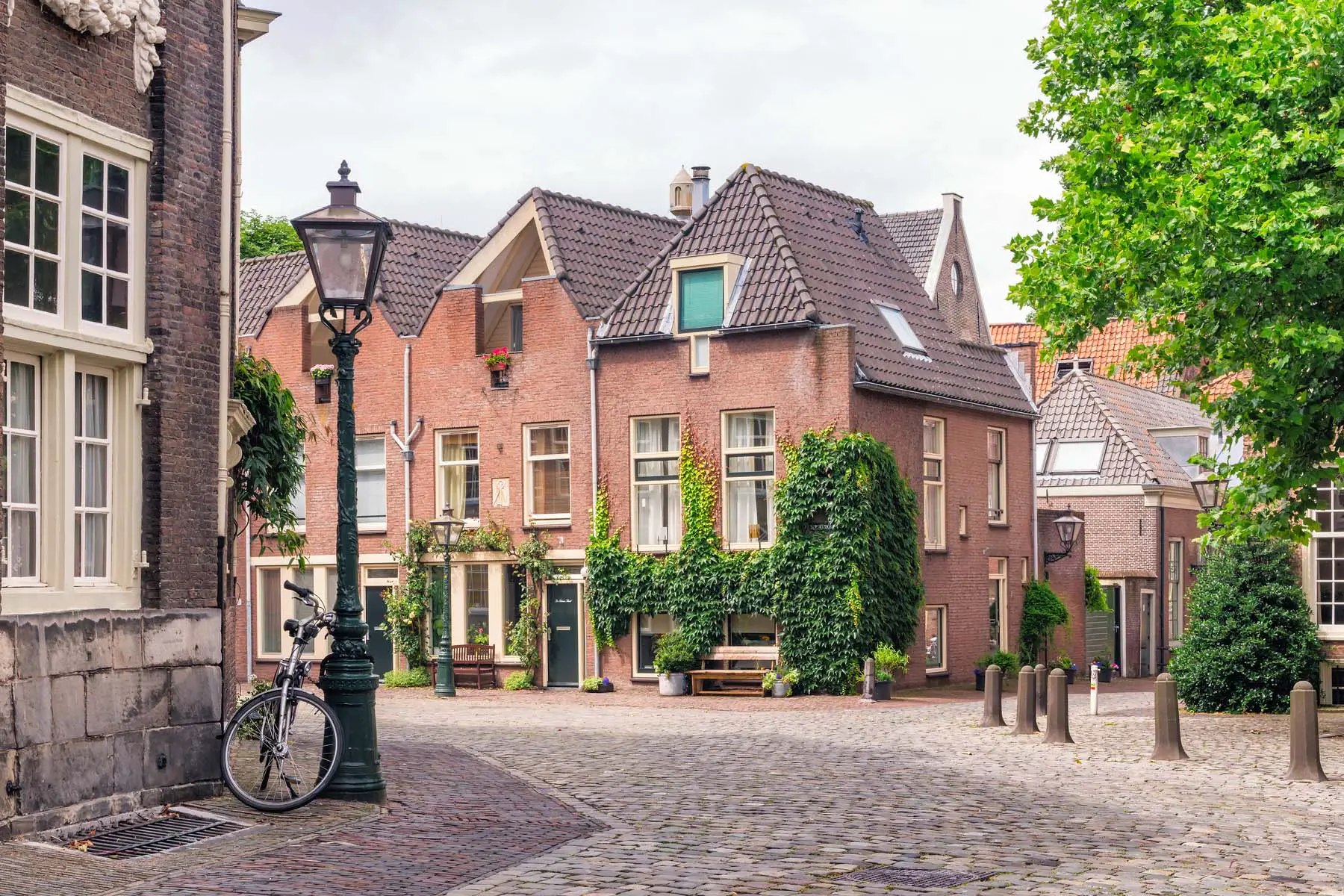
Expats are allowed to buy property in the Netherlands, though they may not be able to access the best mortgage rates. Property prices have skyrocketed in recent years, but monthly mortgages often end up being lower than rental rates. On the other hand, renting a home is cheaper, usually means less maintenance, and means that, if you decide to move again, you don’t have to worry about selling a house.
Renting in the Netherlands
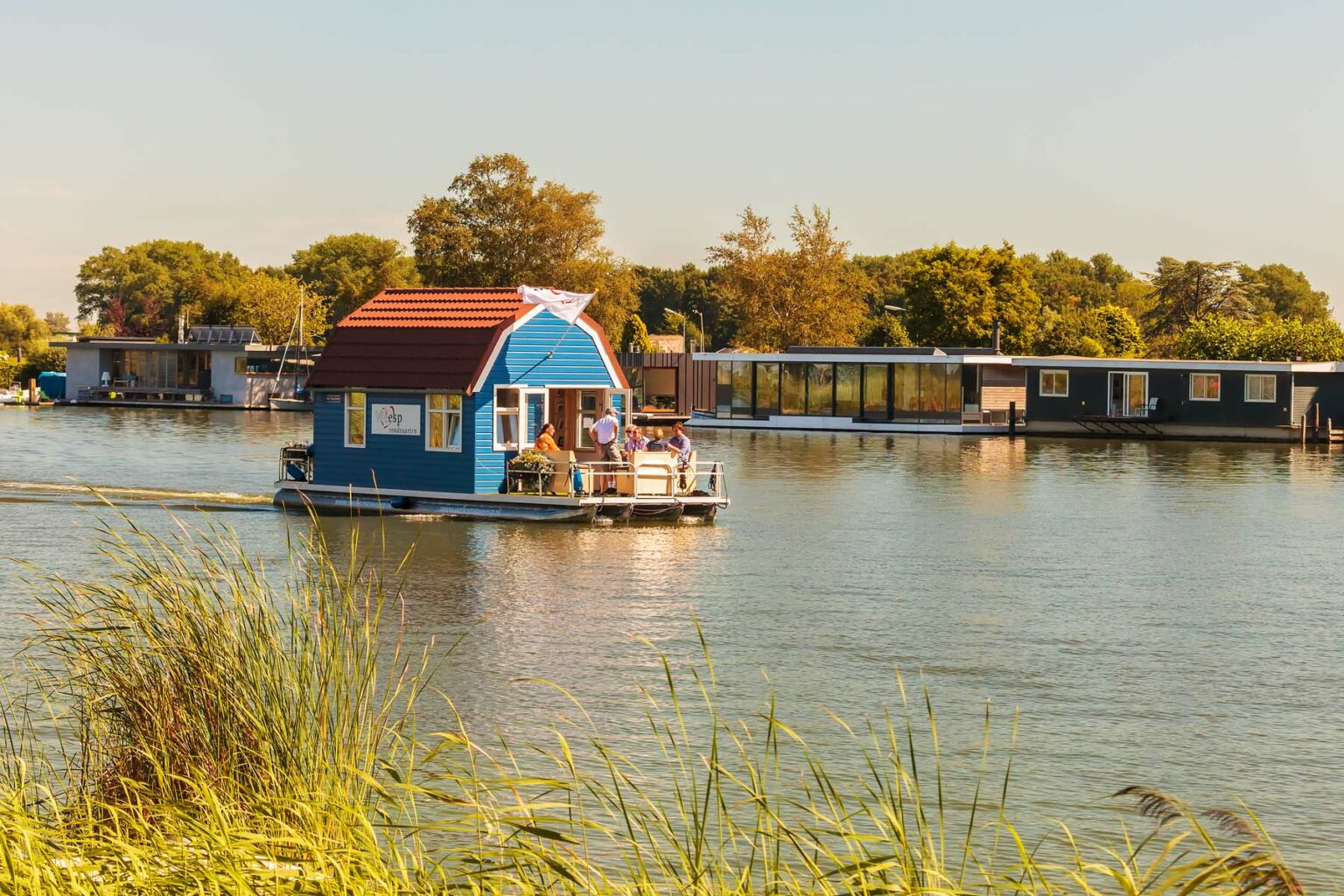
If you’re thinking of renting in the Netherlands, you have plenty of choice. Within the Netherlands, you’ll find a few main types of housing structures. These include detached houses (vrijstaand), semi-detached houses (twee onder een kap), townhouses (rijteshuis), apartments (appartement), and, of course, houseboats (woonboot).
The process of renting accommodation is fairly straightforward. First, you’ll need to find a place you’d be comfortable living, either through your own search or through an agency (which will charge you fees). Thankfully, there are many online property portals operating in the Netherlands these days, making the process easier. These include:
Once you’ve found a place, you’ll need to agree on the rental terms, such as how repairs will be handled, whether it’s a fixed-term rental, how utilities will be handled, and the like. Once you’ve agreed on all this, all that’s left is signing the contract. Make sure you read the contract thoroughly!
Social housing in the Netherlands
Accessible social housing is a national priority for the Dutch government. In fact, many of the available rentals in the Netherlands are offered under social housing. This means that rent is capped at an affordable amount and is available to those considered low-income, disabled, elderly, or otherwise vulnerable. Because of the income limits, and the years-long waitlists, social housing isn’t a viable option for most expats. In 2021, the rental limit for social housing is €752.33. To qualify, annual income limits in 2021 range from €40,024 to €44,655.
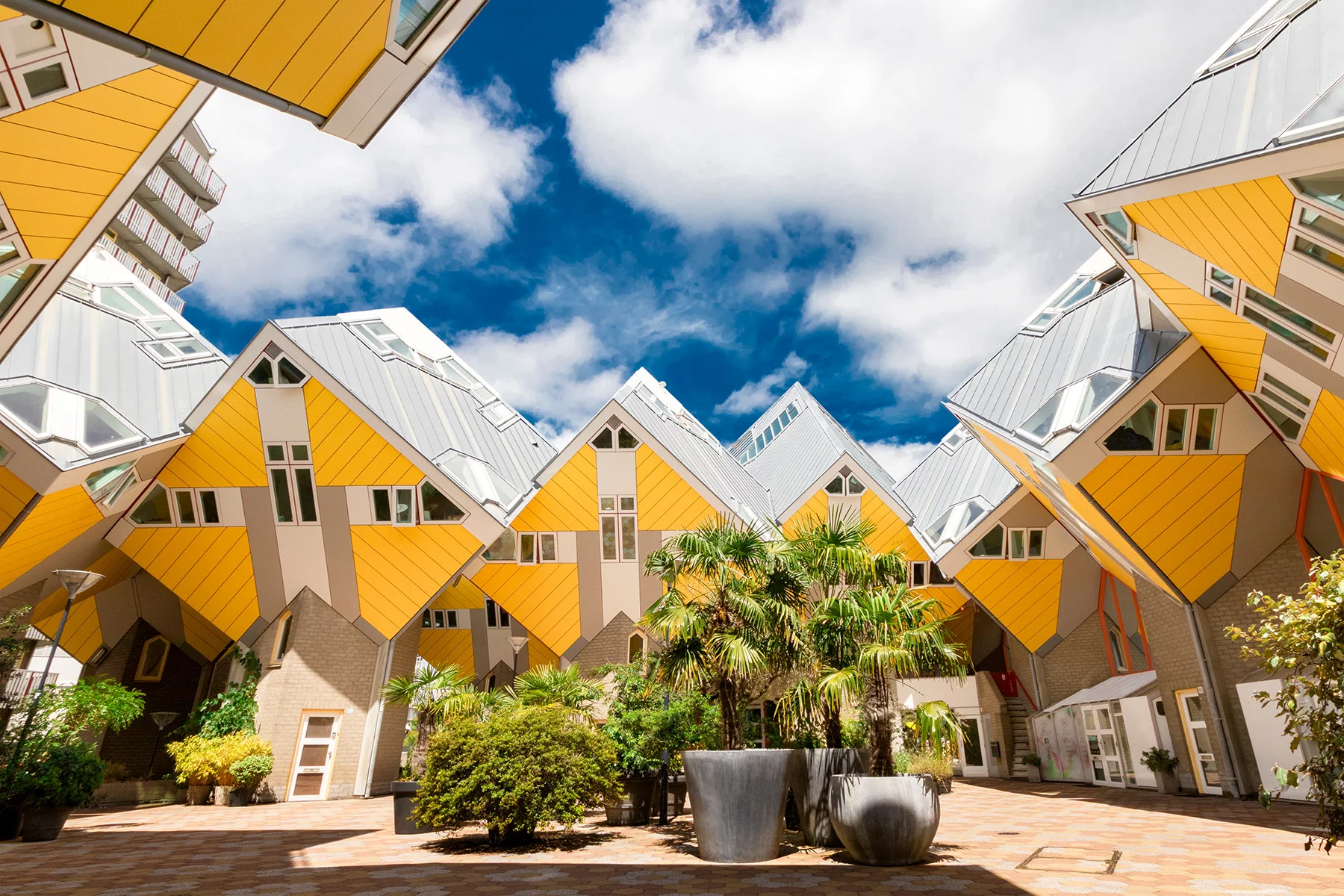
Renting out your property in the Netherlands
Some expats decide to rent out their homes, perhaps as an investment strategy, or because they change cities. The most important elements of renting out your property will be finding the right price point and finding a reliable tenant. It’d be wise to analyze similar units to see what their monthly rental prices are. If you’d rather pay someone to help you price your home and find appropriate tenants, you can use a housing broker to help. Brokers can also help you understand your legal rights and responsibilities, as well as what your contract means. To understand the tax implications, be sure to consult a tax specialist, who can discuss your specific situation.
Buying a home in the Netherlands
For those looking to buy a home in the Netherlands, the process can take anywhere from a few weeks to several months. Costs vary depending on the size and location of the property, but you can expect to pay an additional 5-7% of the value on the house on further costs.
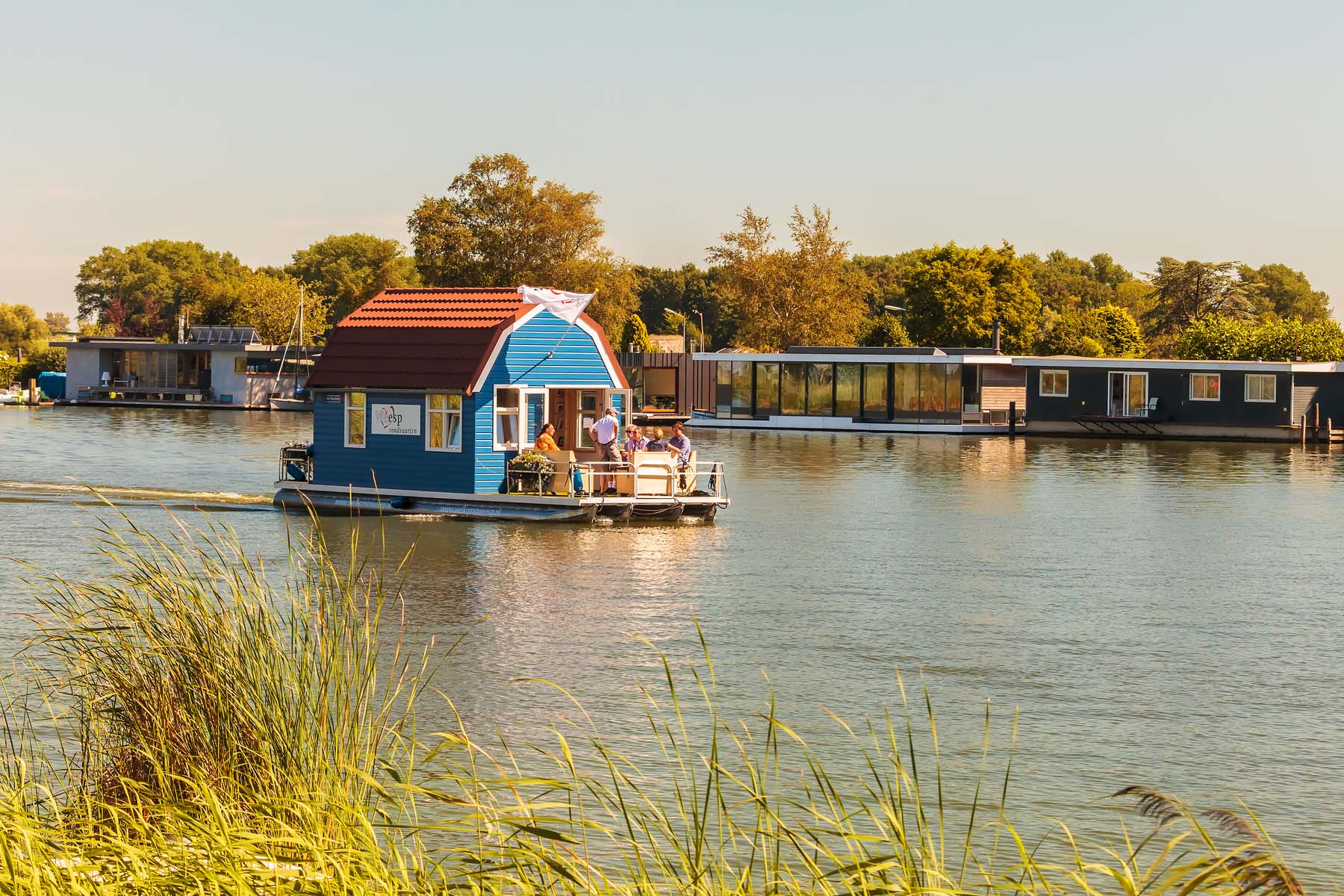
Here is what you can expect of the home-buying process. First, you need to find a house that meets your budget, family size, location, and the like. You can do a search on your own, through property sites such as Expatica, Funda, Jaap, Pararius, Huislijn, or Zoekallehuizen. Alternatively, you can work with a property agent, as many expats choose to do. If you’re unsure who to choose, why not compare your options with Juiste Makelaar? Once you’ve found and viewed the house you’d like, here are the next steps:
- Make an offer
- Decide if you’d like an external appraisal of the property
- Exchange contracts and agree on terms
- Pay the deposit
- Hire a notary to finalize the deal
- Complete the sale
For more information, read our guide to buying a home in the Netherlands.

Sustainable housing in the Netherlands
Sustainability is a top priority for the Netherlands. This makes sense when you consider that one-third of Dutch land is below sea level! As such, the government and many banks offer incentives for people willing to buy greener homes or make their current homes more sustainable. Most main banks offer green mortgages, while some offer low-interest loans to improve a home’s energy efficiency. Many banks even offer discounted interest rates for energy-efficient homes. So, even though the Netherlands is an old country with many old homes, there are lots of opportunities to modernize your house and to make it more sustainable.
There are also several online services that can help you to find ways to make your home more environmentally friendly. You can explore many of these on sites such as HuisAssist.
Dutch mortgages
Mortgages are available to expats as well as citizens of the Netherlands. That said, the best rates may be reserved for permanent residents and citizens. Generally speaking, though, getting a mortgage is quite accessible to expats. There are several different kinds of mortgages, but the two most common are a linear mortgage (lineaire hypotheek) and an annuity mortgage (annuïteiten hypotheek).
Fortunately, mortgage interest rates are very low, with some banks even offering 100% mortgages. If you’re interested in what kind of mortgage you can afford based on your salary, reach out to an expat-friendly Dutch bank like ABN AMRO. You can use their online calculator or speak to an advisor about your specific situation.
Be sure to speak to a financial adviser to understand which would be more appropriate for your financial and family situation. Many, such as those at Expat Mortgages, specialize in helping internationals finance their home. For more information, read our guide to getting a Dutch mortgage.
Selling a home in the Netherlands
Selling a house in the Netherlands involves a number of steps. As with other housing affairs, it may be in your best interest to hire an estate agent. Agents will usually charge a small percentage of the selling price of the house, on average around 1.3%. Fortunately, any profit you make on selling the house is not taxed. Whether or not you go through an agent, here are the overall steps to selling a house in the Netherlands:
- Home value assessment
- Professional photos
- Finding the right price point
- Creating a floor plan and house pitch
- Organizing viewings
- Fielding offers from potential buyers
- Drafting the preliminary contract
- Final walk-through before transferring the deed
To find an expat-friendly estate agent, compare your options on Juiste Makelaar.
Building a home in the Netherlands
Building a home in the Netherlands can be a tricky process because it involves permits, property, design, and more. Finding vacant space, especially in larger cities, can also be an issue. That said, working with a builder or an architect will allow you to bring your vision to life; keep in mind that architects serve as advisors – they do not do any construction work. To research builders, feel free to check out this site. Costs of buying land and building a home will depend on location, size, amenities, permits, and the like. So, be sure to do your research and get whatever support you need to make your dream house a reality.
Related Articles
Editor's picks
 Human and civil rights in the NetherlandsFrom the right to protest to protection from discrimination, here's what you need to know about human rights in the Netherlands.
 Primary schools in the NetherlandsConfused by the primary school system in the Netherlands? We explain how it works, from educational approaches to international options.
 Where to live in the Netherlands: the best cities for expatsAlthough Amsterdam is typically the number one hub for expats, there are plenty of other cities in the Netherlands worth your while.
Did you find this guide helpful?