'%20id='ico-down'%20stroke='%23000000'%20stroke-width='1.5'%3e%3cg%20transform='translate(1092.250000,%20254.750000)'%3e%3cpolyline%20id='Path-2-Copy-4'%20transform='translate(5.500000,%202.750000)%20scale(1,%20-1)%20rotate(-180.000000)%20translate(-5.500000,%20-2.750000)%20'%20points='0%200%205.5%205.5%2011%200'%3e%3c/polyline%3e%3c/g%3e%3c/g%3e%3c/g%3e%3c/svg%3e)

The low-lying, freedom-loving country
Expatica Netherlands


 Living
 Moving
 Working
 Directory
Explore

Editor's picks
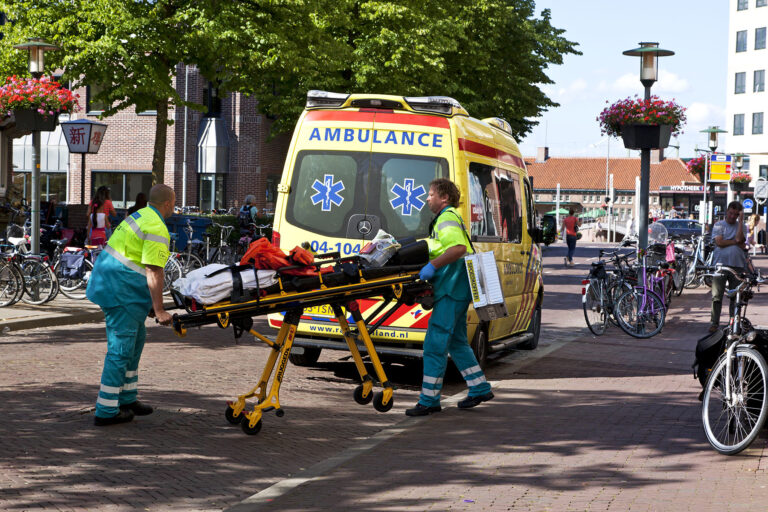
Getting health insurance in the Netherlands
Health insurance is mandatory in the Netherlands. Find who needs what, how to register, and why you’re still stuck with a hefty medical bill.
Read more

Dating in the Netherlands: finding love as an expat
Dating in the Netherlands? Bring ultra-direct honesty, a sense of humor, and maybe a waterproof jacket (you’ll definitely need all three).
Read more

The education system in the Netherlands
The Dutch education system offers a lot of choice, so you will find a huge range of options to consider when enrolling your child in school.
Read more
Expat tools
Make your expat journey easier with our handy tools

Relocator tool
Get a personalised checklist for moving to the Netherlands by answering a few questions about your relocation
Read more

Job search
Looking for work? Search our job postings to discover a position suited to your talents
Read more

Health insurance
Get the best health insurance quotes for expats when moving to the Netherlands
Read more
Netherlands Salary Calculator
Find out what you'll take home after tax
Stay updated

Get expat news and tips delivered to your inbox.